 Free shipping on orders over £29,85
  Shipping Tracking!


 Google
 Facebook
How do you make corners with resin?
Master precise resin corners in moulds and art projects


Perfectly formed resin corners elevate the finish of tables, trays, coasters and artwork, giving a sleek, professional look. Whether crafting a river table, a set of resin coasters, or a custom tray, mastering corners is essential for both aesthetics and durability. This guide walks you through each stage of making precise resin corners—from creating sturdy formwork to final finishing touches.

What You’ll Need
- “Art Pro Deluxe” – Ultra-High Viscosity Epoxy Resin for Artists for projects requiring tight detail and limited flow.
- “River-Table” – Complete Kit for Creating Your First Epoxy Resin Table for beginners wanting everything included for tables and large moulds.
- “EpoxyTable 5-Five” – Deep Pour Epoxy Resin for Tables and Large Projects – Up to 5cm for secure corners in thick, deep projects.
- “Art Pro” – Clear Epoxy Resin for Artists and Surface Coating for clear, neat surface layers with glossy edges.

Essential Tools and Workspace Setup
Set up your workspace on a level surface with good lighting for accurate observation of resin fill and corner formation. Prepare gloves, mixing sticks, a heat gun, measuring cups, and your selected resin products for a smooth workflow. Organised preparation reduces mistakes and speeds up craft time.
Step 1: Prepare the Mould or Formwork
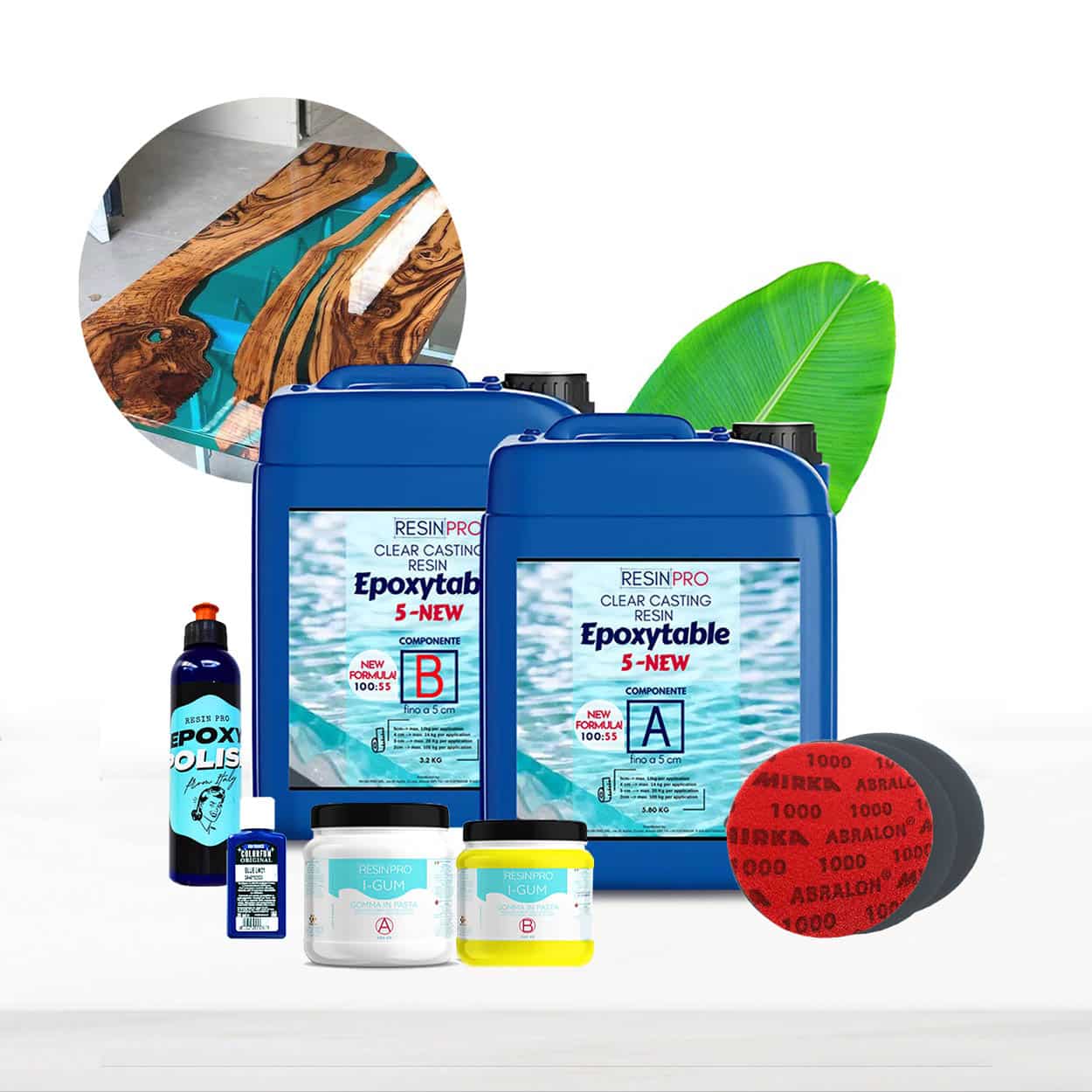
Properly preparing your form is the foundation of sharp, clean resin corners. Use a sturdy, non-stick material (such as silicone or HDPE plastic) for your mould or build formwork for tables using MDF lined with release tape. Pay special attention to sealing all edges and corners to prevent resin leaks, which can soften edges and blur corners. Apply a high-quality sealant and run a bead along all interior seams to reinforce sharp angles. For beginner projects, a comprehensive kit like the “River-Table” – Complete Kit for Creating Your First Epoxy Resin Table provides formwork materials and clear step-by-step instructions.

Step 2: Mix and Pour Resin with Control
Carefully measure and mix your chosen resin according to manufacturer instructions. For detailed corners or areas where resin must not flow too quickly, opt for an ultra-high viscosity product such as “Art Pro Deluxe” – Ultra-High Viscosity Epoxy Resin for Artists, as its slow flow minimises overflow and keeps lines crisp. Pour the resin slowly, guiding it into each corner with a stick or brush to eliminate air gaps, and gently tap the sides of the mould to help the material settle cleanly. Avoid overfilling, which may create a rounded or overflowing corner edge.
Step 3: Check for Bubbles and Shape Consistency
Air bubbles can accumulate in corners, disrupting their sharpness. Use a heat gun or torch (briefly and carefully) on the resin’s surface to release bubbles. Inspect corners closely and, if necessary, use a toothpick to guide bubbles out of tight spaces. If working with deep pours, “EpoxyTable 5-Five” – Deep Pour Epoxy Resin for Tables and Large Projects – Up to 5cm offers a long working time, allowing bubbles to escape naturally before the resin begins to set.

Step 4: Demould and Finish the Corners
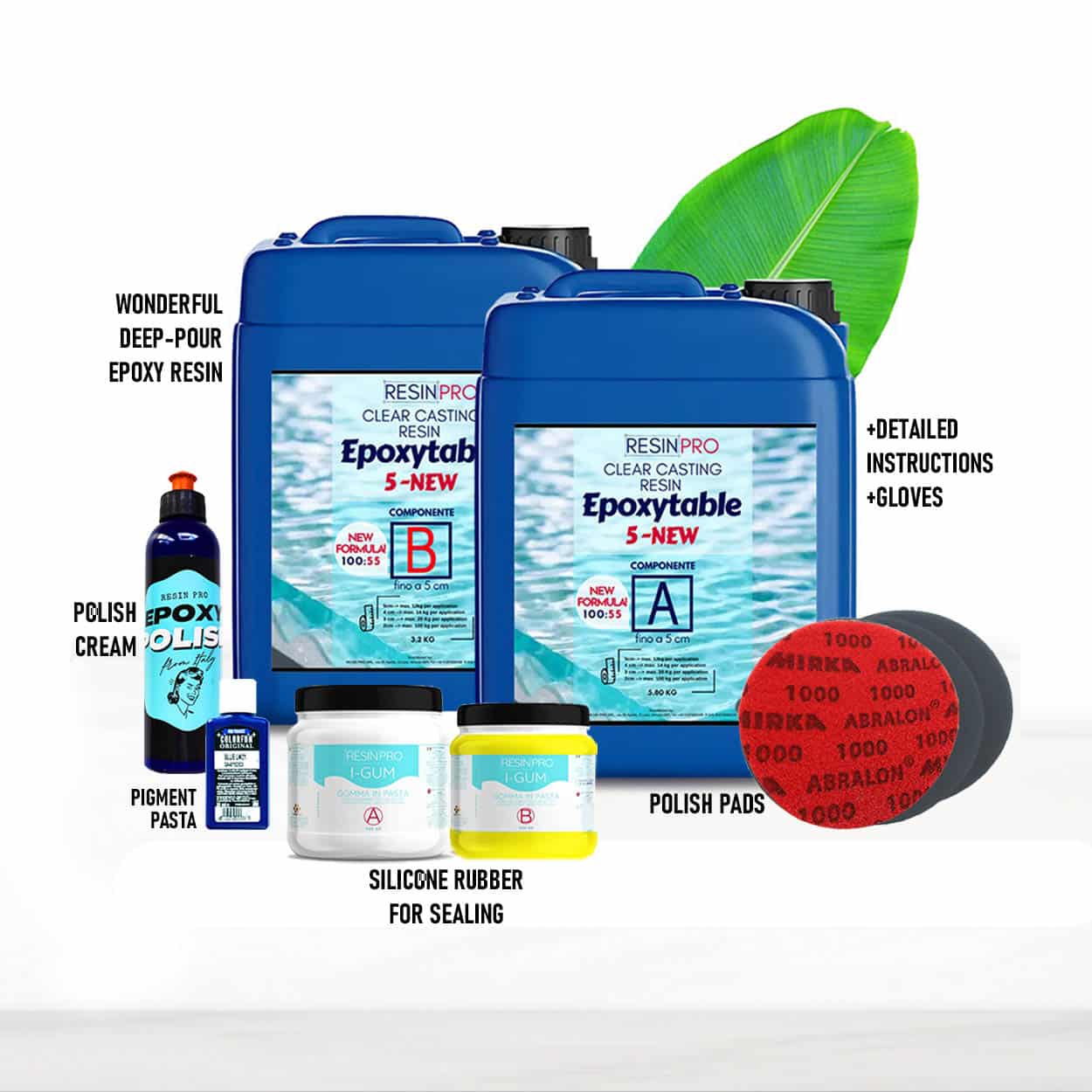
Allow the resin to cure fully, as per the product’s instructions before removing it from the mould. Demould slowly, supporting corners to avoid chipping. Edges can be slightly rough after demoulding; gently sand or polish corners with fine grit pads for a glassy, professional result. For surface layers or final finishing, “Art Pro” – Clear Epoxy Resin for Artists and Surface Coating can be brushed into corners for a clear, touch-safe finish that maintains sharp detail.
Tips and Common Mistakes When Making Resin Corners
Always use a properly sealed mould or formwork to ensure sharp resin corners. Ultra-high viscosity resins help maintain corner shape without overflowing. Avoid demoulding too early, as uncured resin will deform at the edges. Work patiently to layer, pour, and check corners before full cure. For a seamless finish, polish and sand edges once fully cured for a professional finish. With careful technique and the right resin choice, you can reliably achieve crisp, attractive corners for any project.

Gallery of Sharp Resin Corners
Explore project photos showing crisp resin corners and edges in trays, tables, and coasters. This demonstrates the results of careful pouring, appropriate mould prep, and deliberate material selection.

- "Art Pro Deluxe" – Ultra-High Viscosity Epoxy Resin for ArtistsPrice range: £35.95 through £302.45Art Pro Deluxe epoxy resin is designed for artists requiring precise control and clear finishes in resin art and decorative projects.
- "River-Table" – Complete Kit for Creating Your First Epoxy Resin TablePrice range: £198.45 through £467.45The "River-Table" kit includes resin, hardener, sealant, polishing kit and pigments, designed for creating modern wood and resin tables.
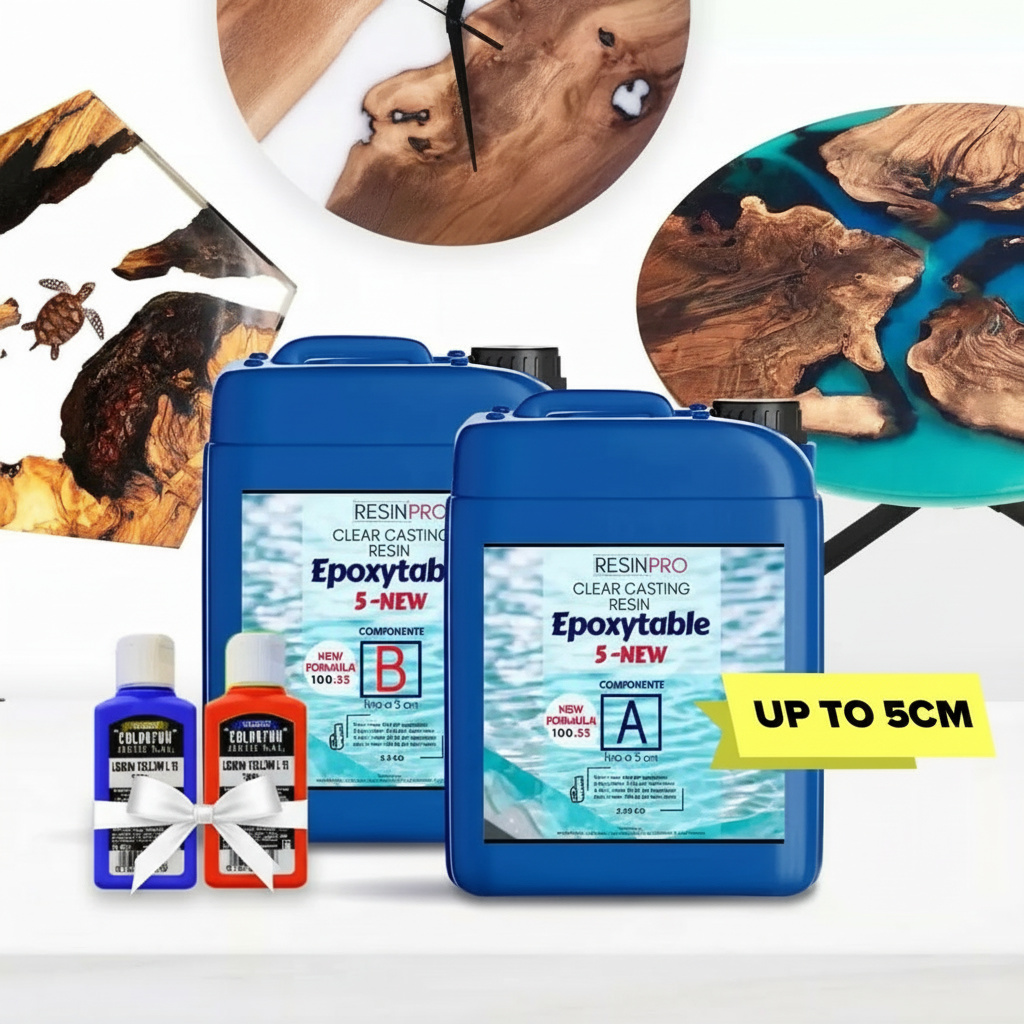 "EpoxyTable 5-Five" – Deep Pour Epoxy Resin for Tables and Large Projects – Up to 5cmPrice range: £17.95 through £1,154.95"EpoxyTable 5-Five" is designed for deep pouring in tables and large projects up to 5cm thickness, suitable for crafting clear, scratch-resistant…
 "Art Pro" – Clear Epoxy Resin for Artists and Surface CoatingPrice range: £19.95 through £267.95Art Pro clear epoxy resin provides a clear, durable finish suitable for artistic and decorative surface projects.
Frequently Asked Questions
What is the best resin type for sharp, detailed corners?
Ultra-high viscosity epoxy resin provides maximum control, preventing overflow and keeping corners crisp during curing.
How do I prevent resin from leaking out of corner joints?
Fully seal all seams with a silicone sealant or release tape before pouring resin to ensure leak-free corners.
How can I eliminate air bubbles from corners in a resin project?
Use a heat gun or torch on the resin surface and guide bubbles from corners with a stick or toothpick immediately after pouring.
How do I achieve a perfectly polished finish on resin corners?
Once cured, sand gently with fine grit pads and apply a clear resin topcoat if needed for a glass-like edge.
Can deep pour resin form neat corners for thick projects?
Yes, with proper formwork preparation and slow pouring, deep pour resins can achieve neat corners up to substantial thicknesses.