 Free shipping on orders over £29,85
  Shipping Tracking!


 Google
 Facebook
How do you paint a resin boat?
A complete step-by-step process for a smooth, resilient finish


Painting a resin boat requires careful preparation and correct application techniques to ensure the finish remains durable against water exposure, UV rays, and mechanical wear. This guide covers each stage in detail, helping beginners and experienced boat owners achieve a resilient, smooth result—whether refreshing an ageing hull or finishing a newly built resin craft.

What You’ll Need
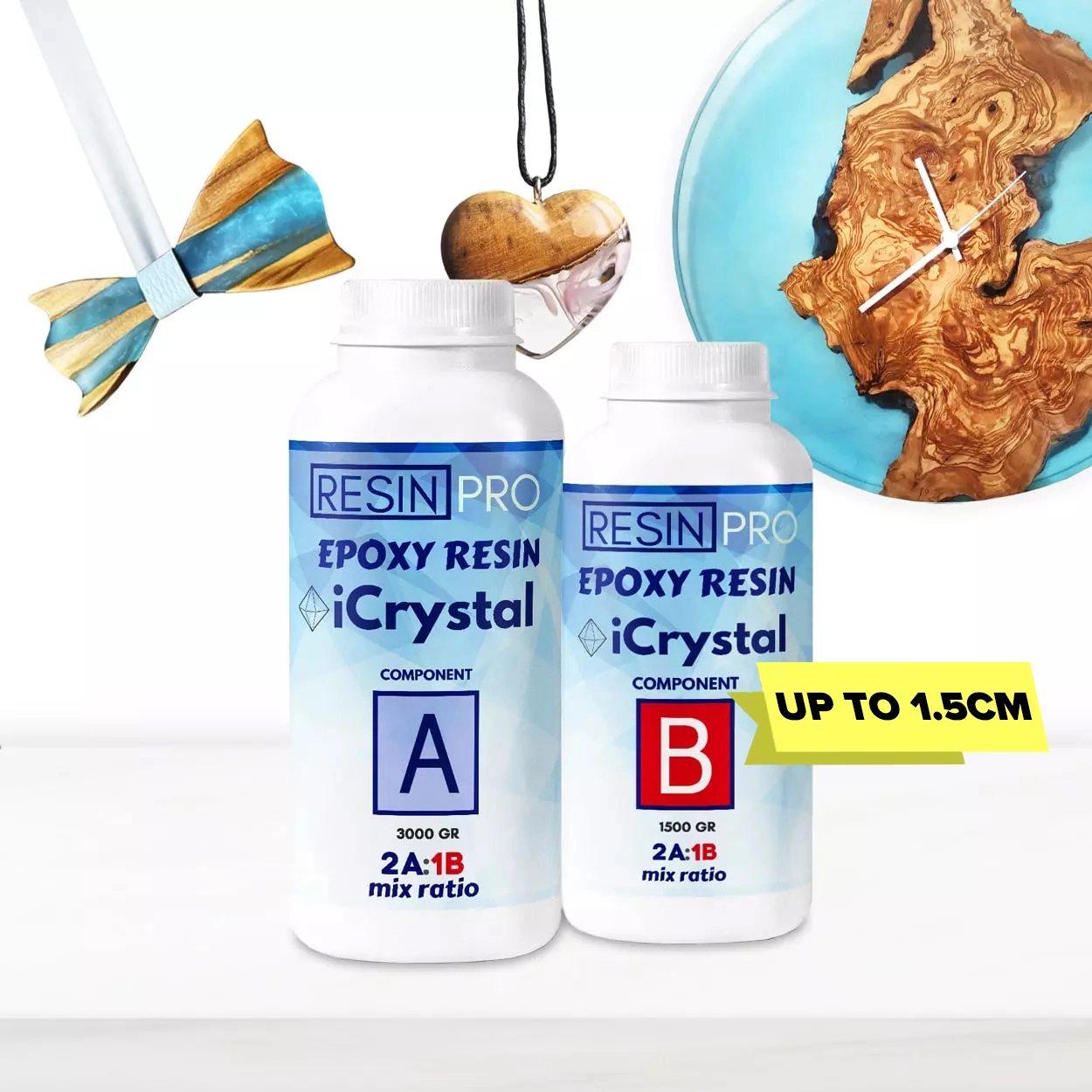
- “Icrystal” – Clear Epoxy Resin – Odourless Formula – Up to 1.5cm: For surface repairs prior to painting, offering a crystal-clear, durable base.
- Resin & Paint Application Rollers – Short-Pile, Large, and Sponge Types: Specialised rollers designed for even resin and paint application.
- Fine grit sandpaper (120–320 grit)
- Degreasing solvent and clean cloths
- Marine-grade primer/sealer and compatible topcoat paint
- Mixing and protective equipment (if using resin repairs)
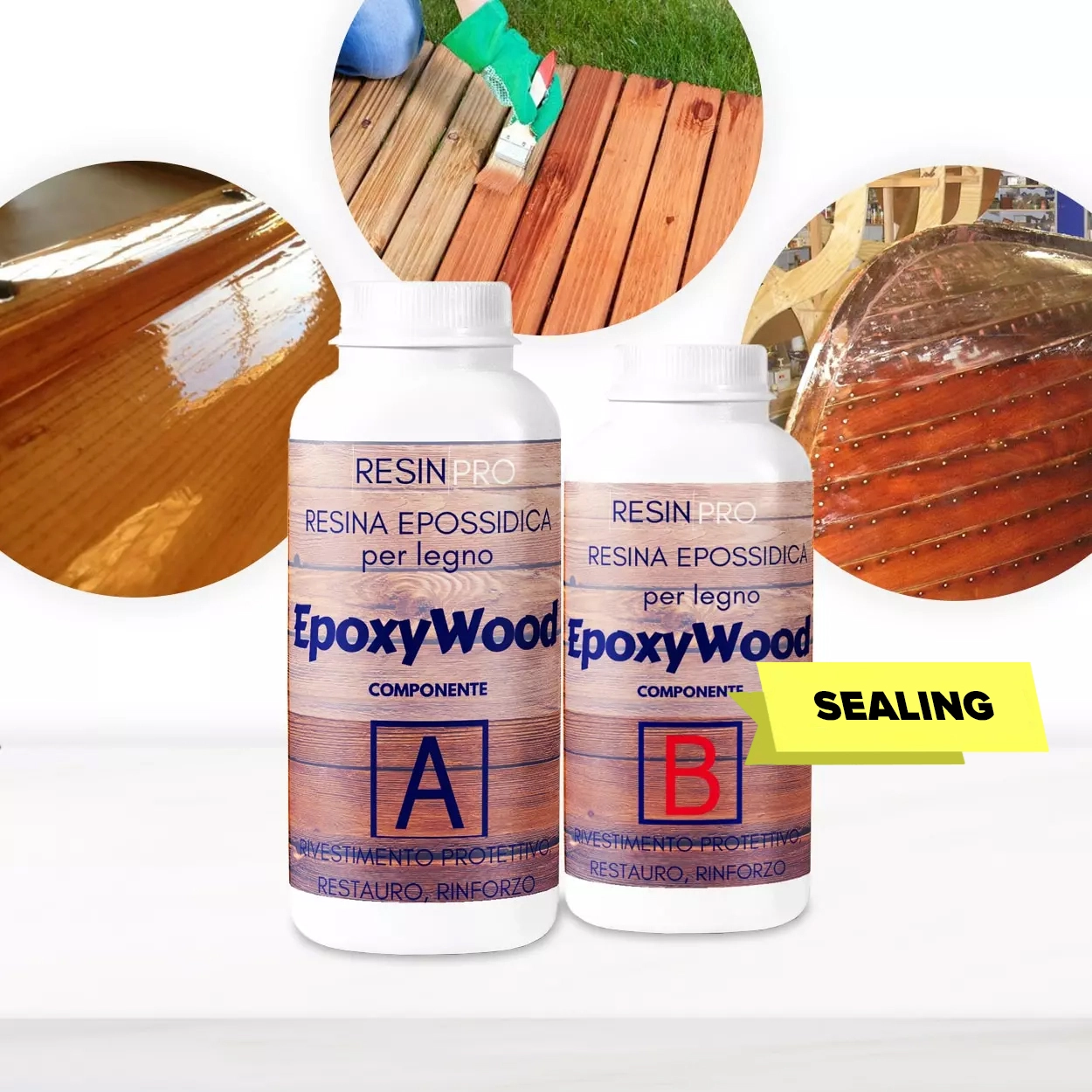
Essential Tools for a Seamless Application
Using the correct rollers and tools is critical to achieving a flawless finish on your resin boat. Short-pile rollers are ideal for edges and detail work, while large rollers accelerate coverage of open surfaces. Sponge rollers offer a self-levelling effect that helps minimise the risk of brush marks and uneven thickness—especially important on hulls exposed to close scrutiny.
Step 1: Prepare and Clean the Surface
Thoroughly clean and degrease the boat surface prior to any painting. Remove any dust, wax, salt, or oily residues using a dedicated degreasing solvent and lint-free cloths. Rinse and allow to dry fully in a dust-free environment to avoid contamination at later stages.
Inspect the hull for any chips, pits, or deep scratches. Where deeper surface repairs are needed, such as restoring damaged resin, consider using “Icrystal” – Clear Epoxy Resin – Odourless Formula – Up to 1.5cm to fill imperfections, following manufacturer guidance on mixing and curing. Allow any repairs to fully harden before moving on.

Step 2: Sand the Resin for Best Adhesion
Sand the resin to create an even, matte texture. Using 120–320 grit abrasive paper, gently work over the surface in even strokes. Focus on removing any surface gloss and evening out raised or textured areas without cutting through the resin layer.
Care should be taken not to oversand and expose the underlying substrate. Dust off the surface thoroughly after sanding, using a vacuum or a clean, damp cloth.
Step 3: Apply Primer or Sealer
Apply a suitable primer or sealer that is compatible with resin. This stage is essential to promote strong adhesion between the slick resin and your chosen marine paint. Use a brush or roller for even application, ensuring all areas—including seams, curves, and hard-to-reach spots—receive a uniform coating.
Allow the primer or sealer coat to dry fully as per instructions before applying topcoat paint. A single thorough coat often suffices, but check manufacturer advice for specific product recommendations.

Step 4: Paint the Boat With Smooth, Even Layers
Choose the right paint and tools. Use a marine-grade polyurethane or epoxy paint formulated for resin and fibreglass surfaces for the best resistance to water and ultraviolet exposure. For large, open hull areas, a Resin & Paint Application Roller helps distribute paint smoothly and quickly with minimal streaks. For edges or detailed spots, switch to the short-pile roller or a soft brush for control.
Apply paint in thin, even coats, overlapping slightly to avoid missed areas or heavy buildup. Let each coat cure fully as per the paint’s guidelines before sanding very lightly and applying the next layer. Generally, two or three coats provide superb coverage and resilience.
Tips, Common Mistakes, and Troubleshooting
- Take your time with coverage and drying: Rushing can lead to drips, pinholes, or patchy finishes.
- Check all surfaces for complete degreasing before painting—any residue can prevent proper bonding.
- Ensure you use marine-compatible paint for a durable result that withstands sun, salt, and abrasion.
- Never rush curing between coats; premature recoating can cause soft or sticky areas.
Finishing Touches: Enhance Durability
Consider applying a final clear epoxy topcoat for maximum protection, especially in areas exposed to intense sunlight or mechanical abrasion. The right sealing layer prevents yellowing, preserves colour vibrancy, and makes future cleaning easier—ensuring your resin boat looks its best for years.
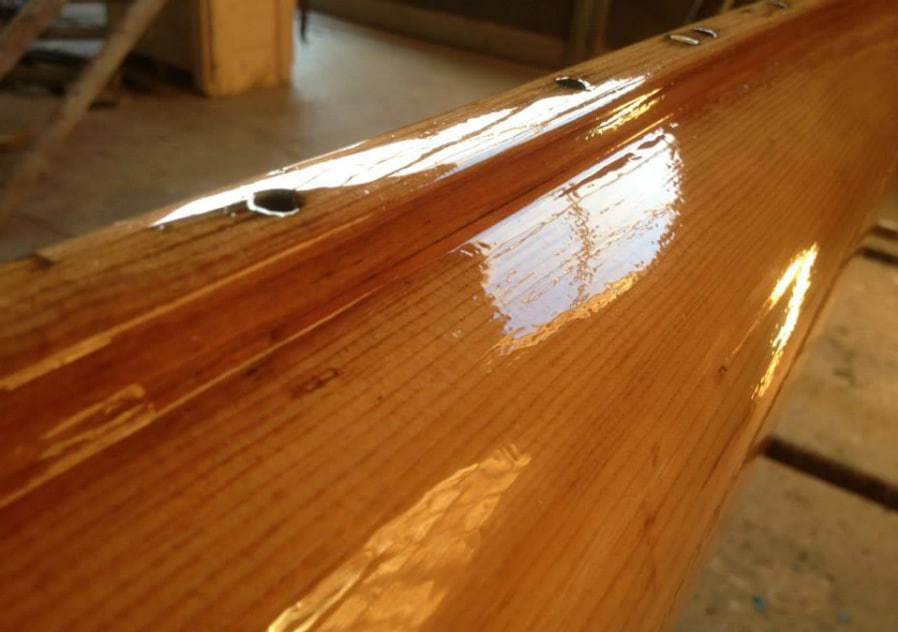
- "EpoxyWood" – Wood Restoration Epoxy Resin for Deep Penetration and WaterproofingPrice range: £27.95 through £41.95EPOXYWOOD is designed for restoring and waterproofing wood, with a natural straw-yellow finish suited to wooden surfaces including boat hulls.
- "Trasparente" – Multipurpose Clear Epoxy Resin for Casting – Up to 2cmPrice range: £8.95 through £397.95"Trasparente" is a clear casting epoxy resin providing a glossy, self-levelling finish up to 2cm thickness, suitable for detailed DIY and woodworking…
- "Icrystal" – Clear Epoxy Resin – Odourless Formula – Up to 1.5cmPrice range: £12.45 through £341.45"Icrystal" Clear Epoxy Resin offers high transparency and scratch resistance suitable for clear coatings and surfaces related to resin boat painting.
 Resin & Paint Application Rollers – Short-Pile, Large, and Sponge TypesPrice range: £3.62 through £5.09Rollers designed for epoxy resin applications provide precision and uniformity, suitable for detailed and larger surface areas.
Frequently Asked Questions
What must I do before painting a resin boat?
Clean, degrease, inspect for damage, make repairs where needed, and sand the surface to improve paint adhesion.
Should I prime new resin before painting?
Yes, applying a resin-compatible primer ensures the best possible adhesion and long-lasting performance from your chosen paint.
What tools work best for painting resin boats?
Use resin-specific short-pile or sponge rollers for even coverage, and a soft brush for fine detail or touch-ups.
How many coats should I apply?
Two or three thin coats usually provide optimal protection and an even, professional finish for a resin boat.
What common mistakes should I avoid?
Avoid under-preparing the surface, rushing curing between coats, and using incompatible paints or tools.
Which paint is best for resin boat topcoat?
Choose a marine-grade polyurethane or epoxy paint designed for use on resin and fibreglass surfaces.
Do I need epoxy for hull repairs before painting?
Epoxy resin can fill chips or cracks, creating a smooth foundation—ensure it is cured and sanded before painting.