 Free shipping on orders over £29,85
  Shipping Tracking!


 Google
 Facebook
How do you paint old furniture with resin?
Give old wooden furniture a new life with resin finishes
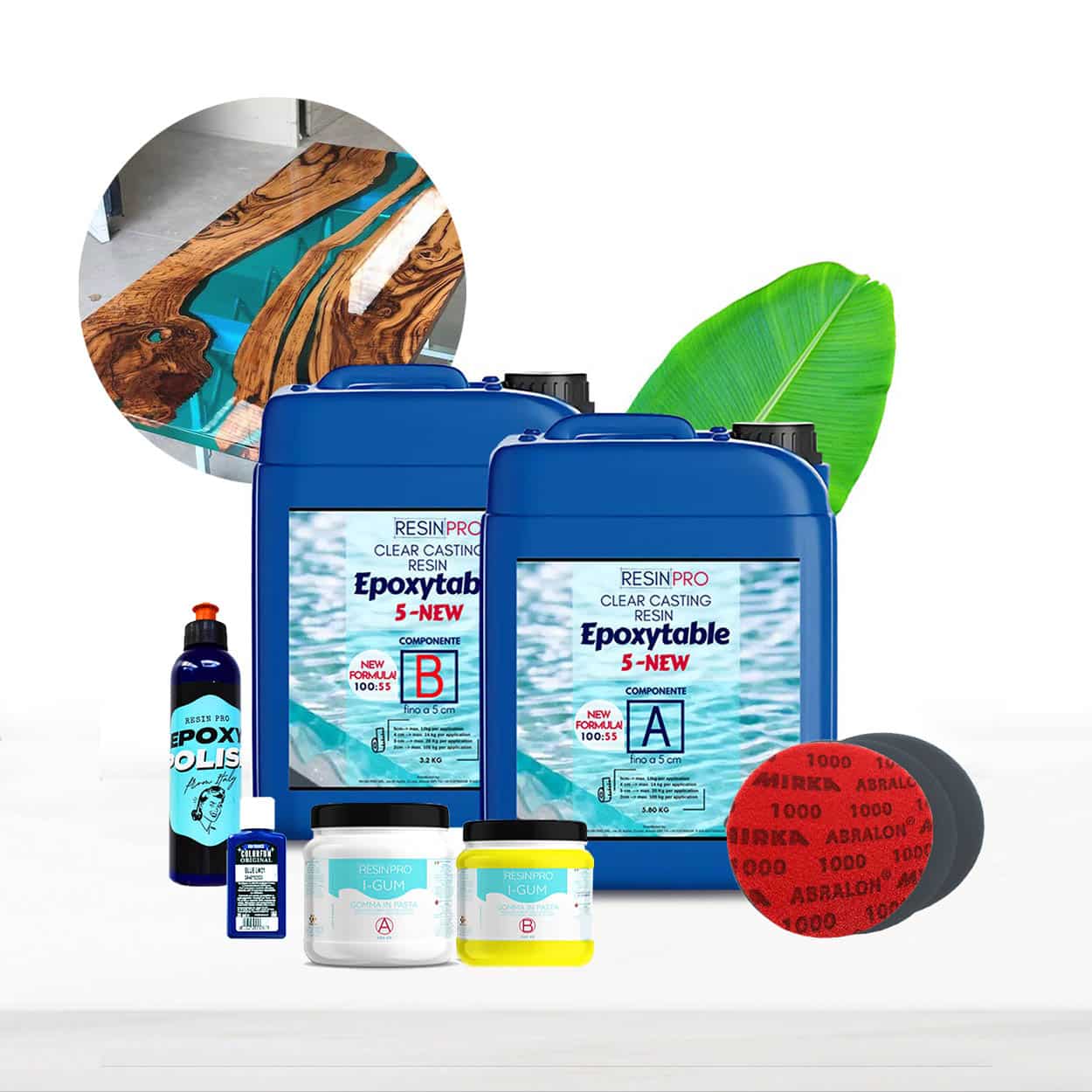
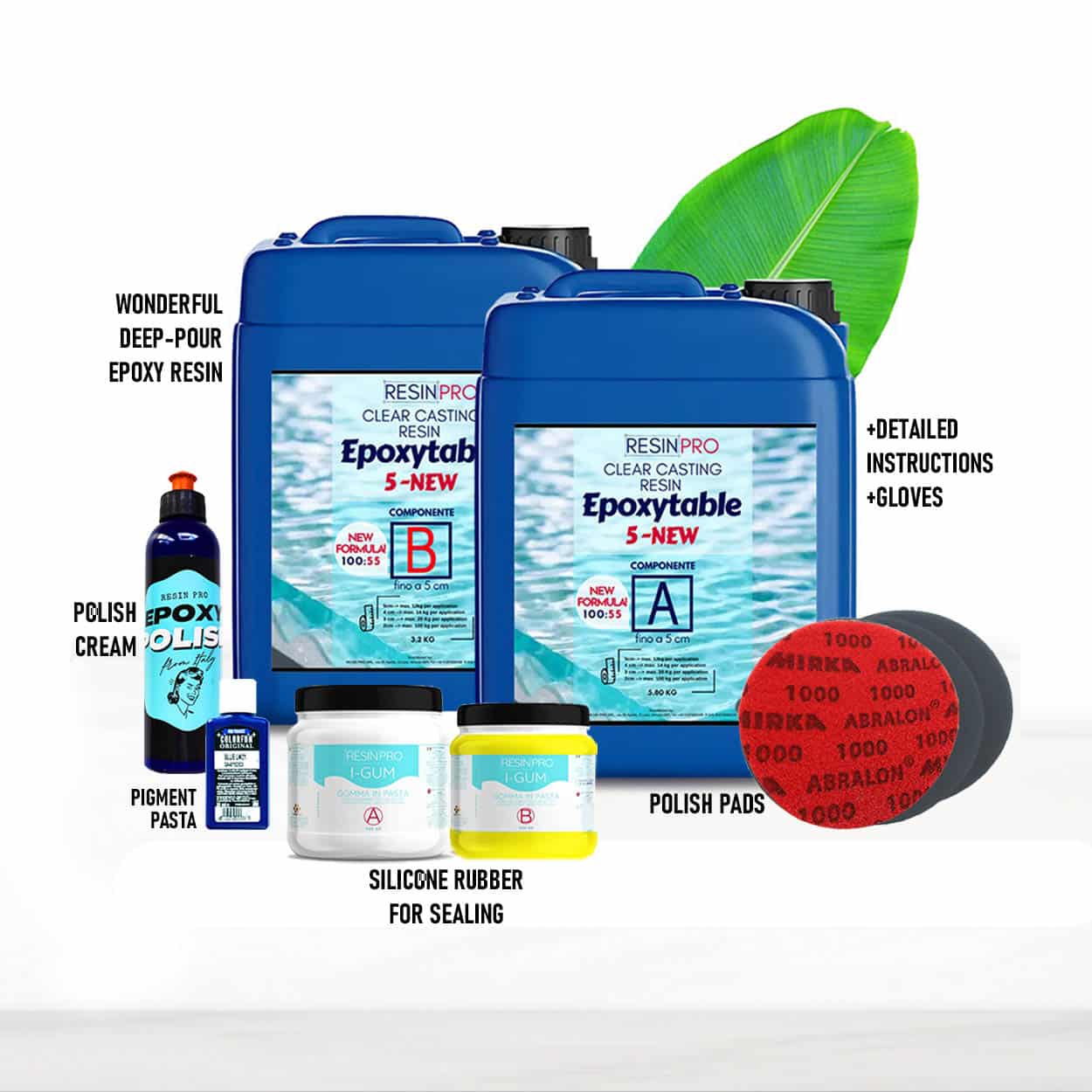
Transforming old furniture with resin is a fantastic way to give tired wooden pieces a modern, durable, and glossy makeover. Whether you’re seeking a crystal-clear finish or a creative touch, resin painting can seal, protect, and revive your favourite items—making this guide ideal for DIY enthusiasts and upcyclers alike.
What You’ll Need
- Appropriate resin—see our recommendations below
- Protective gloves, safety glasses, and a respirator mask
- Sandpaper (medium and fine grit)
- Tack cloth
- Lint-free cloths
- Disposable mixing containers and sticks
- Synthetic bristle brush or foam roller
- Masking tape (optional)
- Dust-free workspace
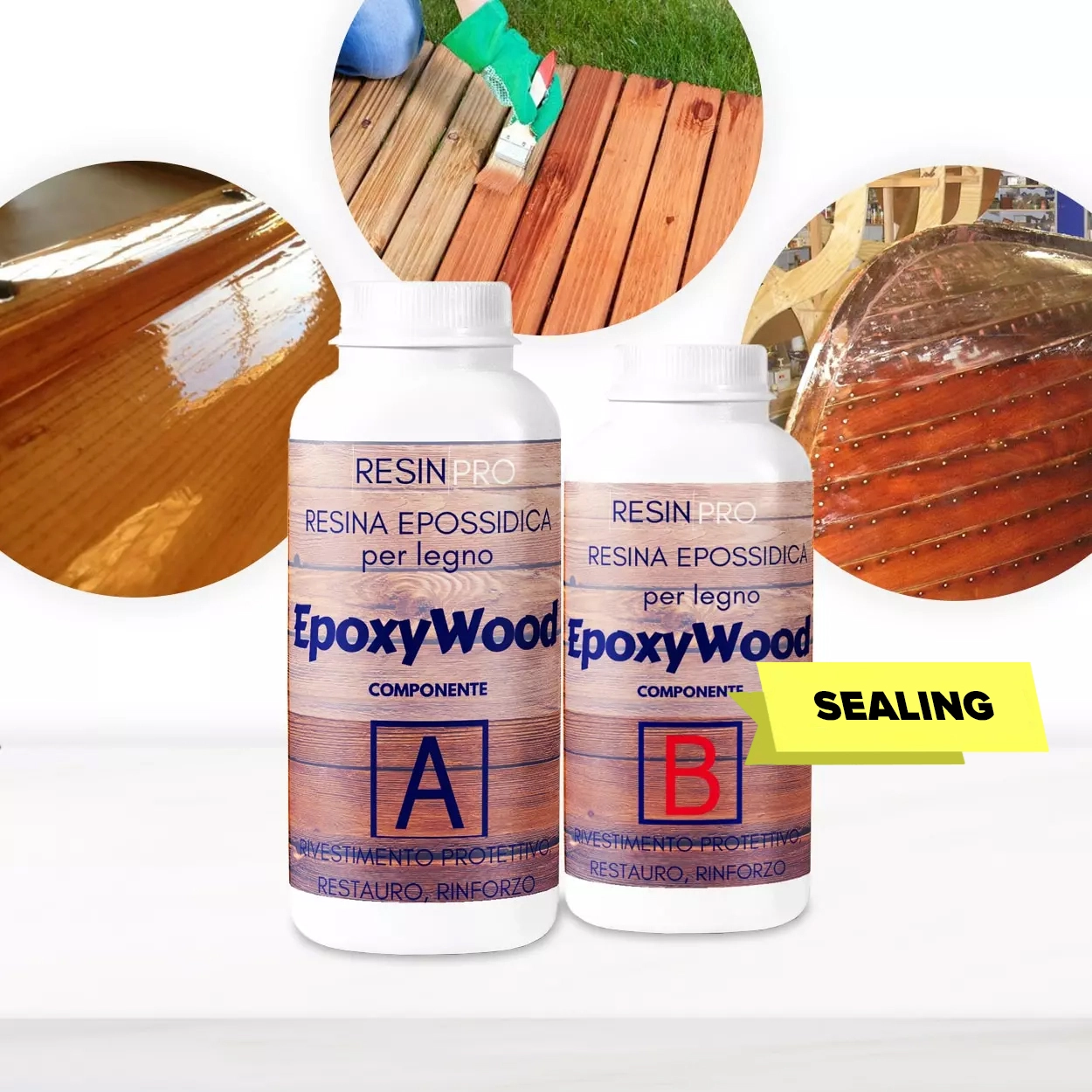
- “EpoxyWood” – Wood Restoration Epoxy Resin for Deep Penetration and Waterproofing: Best for sealing and reinforcing wood surfaces, offering deep waterproofing.
- “Art Pro Deluxe” – Ultra-High Viscosity Epoxy Resin for Artists: Ideal for glossy, artistic finishes on flat or contoured furniture.
- “Trasparente” – Multipurpose Clear Epoxy Resin for Casting – Up to 2cm: Excellent for clear coatings and small restoration projects.
Choose the Right Resin Finish
Different furniture pieces and aesthetic goals require different resin properties. For deep wood sealing and waterproofing, EpoxyWood is ideal. If you prefer a glossy, highly artistic effect, Art Pro Deluxe resin offers defined control and a vivid shine. For thin, ultra-clear coatings, Trasparente provides clarity and easy use on detailed surfaces.
Step 1: Clean and Sand the Furniture
Start by removing any hardware and thoroughly cleaning the furniture. Dust, dirt, grease, or polish can interfere with resin adhesion, so use soap and water or a mild degreaser. Allow everything to dry completely.
Next, use medium-grit sandpaper to sand the entire surface, smoothing rough areas, removing old finishes, and opening wood pores. Finish with fine-grit paper for a silky touch. Vacuum up the dust and wipe down with a tack cloth to ensure a pristine base.
Thorough cleaning ensures strong adhesion and prevents imperfections in your resin layer.

Step 2: Repair and Prime for Resin Application
Check for cracks, chips, or soft spots in the wood. For damaged or absorbent areas, use a specialist restoration resin to strengthen and waterproof the surface. Apply according to the manufacturer’s instructions, allowing it to cure fully before moving on. This step creates a foundation that will support and bond with the resin layer.
Mask off any areas you don’t want coated. Lay out drop sheets to protect your workspace. You may wish to prime bare wood or porous sections with a thin resin coat to further reduce absorption.
For deep restoration on decayed or water-damaged wood, “EpoxyWood” – Wood Restoration Epoxy Resin for Deep Penetration and Waterproofing is designed to reinforce and seal before you apply a surface coat.
Surface preparation prevents peeling and ensures a uniform resin finish.
Step 3: Mix and Apply the Resin
Wearing safety gear, carefully follow the mixing ratios stated on your resin product. Stir slowly and thoroughly, scraping the edges of your container to avoid introducing air bubbles or unmixed pockets.
For a self-levelling, flawless finish, pour the resin onto the flat areas and spread with a brush or foam roller, working from the centre outwards. On vertical surfaces, use a high-viscosity resin designed to resist runs and drips.
“Art Pro Deluxe” – Ultra-High Viscosity Epoxy Resin for Artists is especially suitable for furniture surfaces where controlled application and gloss are important.
Apply resin evenly with controlled movements for an attractive, consistent appearance.
Step 4: Cure, Sand, and Finish
Allow the freshly coated furniture to cure undisturbed in a dust-free, ventilated area—refer to your chosen resin’s instructions for curing times. Resist the temptation to move or touch the surface prematurely, as fingerprints, dust, or dents can mar the finish.
For a perfectly smooth surface, sand lightly between coats if applying multiple resin layers. Finish with a final coat for optimum gloss and protection. Clean up all tools and dispose of mixing cups responsibly.
If a clear, self-levelling effect is required, “Trasparente” – Multipurpose Clear Epoxy Resin for Casting – Up to 2cm delivers reliable clarity and scratch resistance.
Proper curing is essential to ensure the resin sets to a durable, hard-wearing finish.

Tips, Common Mistakes, and Troubleshooting
Always pour and spread resin at recommended temperatures, as cold environments slow curing and warm conditions accelerate setting—leading to potential bubbles or unevenness. Avoid overworking the resin once poured, and always use clean, dry tools. If imperfections appear, such as trapped dust or bubbles, gently sand and recoat as needed.
Test your process on a small, inconspicuous area if this is your first time—practice makes perfect.
Creative Ideas for Custom Resin Furniture
Experiment with pigment additives, metallic flakes, or embedded materials to create unique designs. Try taping off sections for colour-blocked looks or applying layers for added depth and texture—unleashing your creativity can truly rejuvenate any furniture project!
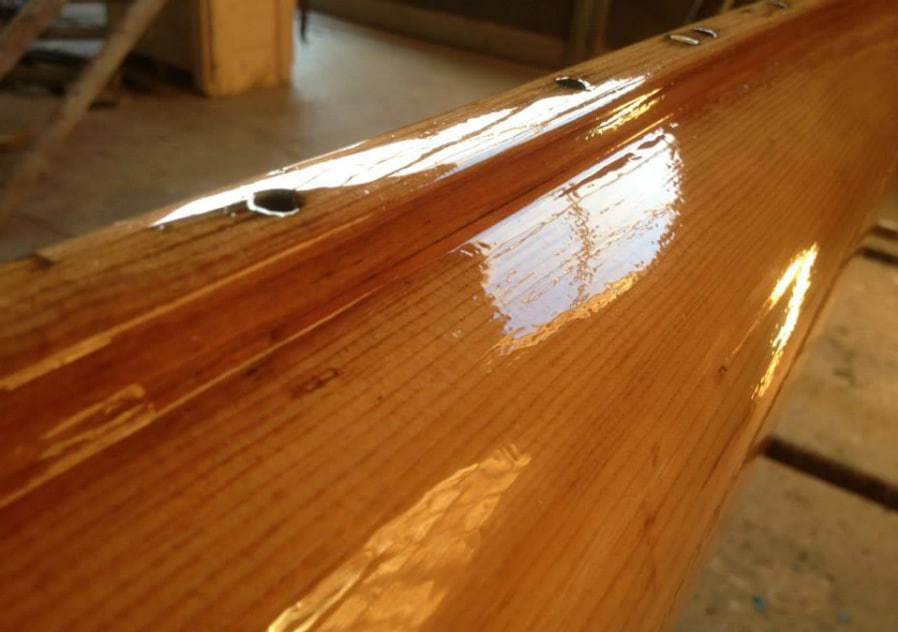
- "EpoxyWood" – Wood Restoration Epoxy Resin for Deep Penetration and WaterproofingPrice range: £27.95 through £41.95"EpoxyWood" resin is designed for repairing and waterproofing wooden surfaces, suitable for restoring old furniture with a natural finish.
- "River-Table" – Complete Kit for Creating Your First Epoxy Resin TablePrice range: £198.45 through £467.45"River-Table" kit includes materials and instructions for creating a wood and resin table, suited to hobbyists and beginners.
 "Art Pro Deluxe" – Ultra-High Viscosity Epoxy Resin for ArtistsPrice range: £35.95 through £302.45Art Pro Deluxe epoxy resin offers high viscosity for precise control in art projects, suitable for fine detail and glossy finishes.
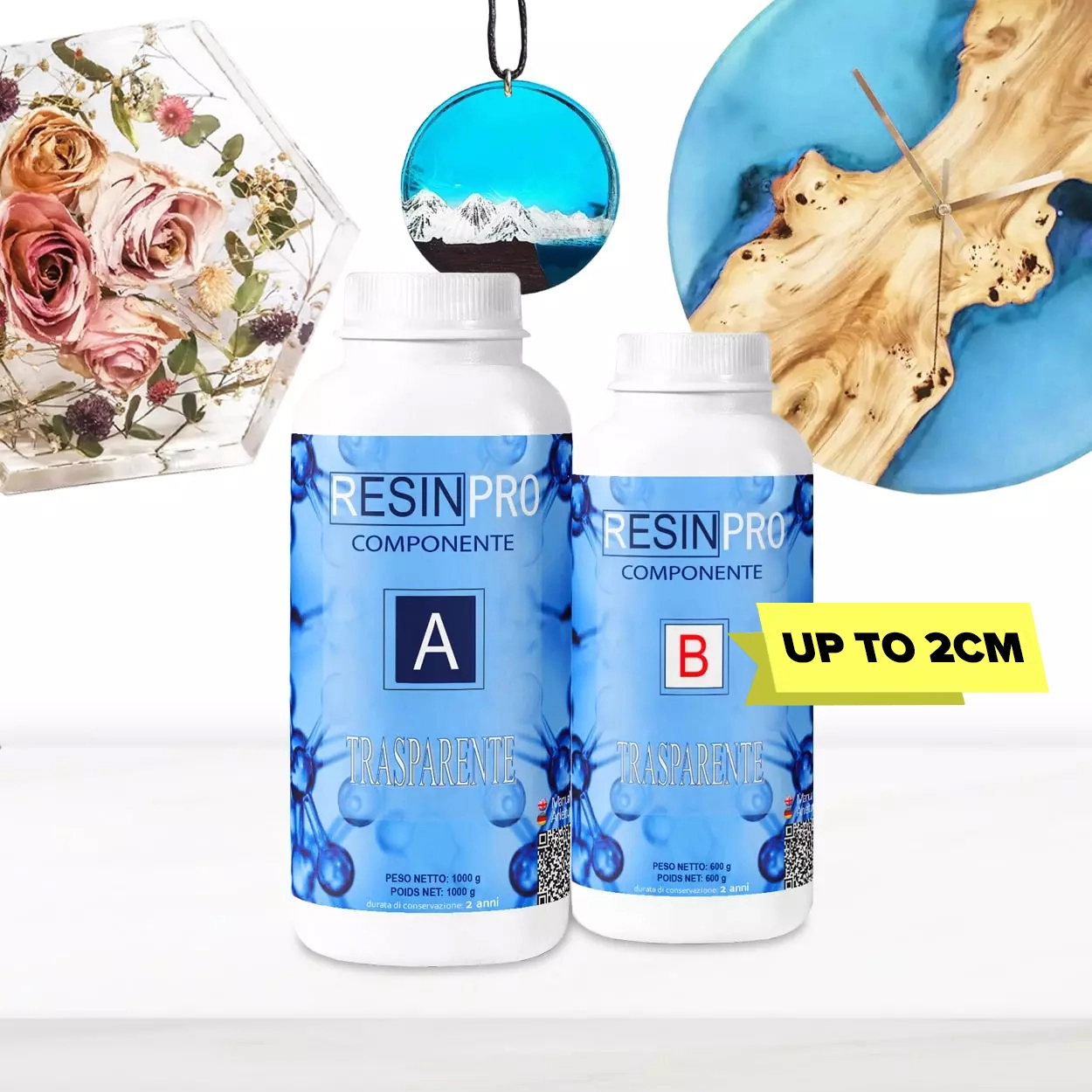 "Trasparente" – Multipurpose Clear Epoxy Resin for Casting – Up to 2cmPrice range: £8.95 through £397.95"Trasparente" offers an ultra-clear, self-levelling epoxy resin suitable for detailed DIY and restoration tasks on furniture and art.
Frequently Asked Questions
How long should resin cure on furniture?
Most resins require 12–48 hours to cure, but full hardness may take up to a week. Always check your resin’s instructions for best results.
Why is sanding old furniture important before applying resin?
Sanding removes old finishes and creates a key for resin to bond, improving adhesion and resulting in a smoother finish.
What resin type is best for painting old wooden furniture?
Deep-penetrating restoration resins seal and reinforce wood, while clear, high-viscosity options provide smooth, decorative coatings.
How can I avoid bubbles in furniture resin applications?
Mix slowly, apply resin at room temperature, and use a heat gun or torch lightly to remove surface bubbles after pouring.
Do I need to repair cracks or holes in old furniture before applying resin?
Yes, fill or reinforce damaged areas first for the best finish and to prevent further deterioration under the resin.
Can I use resin over painted or stained furniture?
Resin can be applied over paint or stain if fully dry and lightly sanded, but ensure the paint is compatible to prevent lifting.
Is resin safe for indoor furniture projects?
Modern resins are low-VOC and safe once cured, but always work with gloves, eye protection, and good ventilation during application.