 Free shipping on orders over £29,85
  Shipping Tracking!


 Google
 Facebook
How do you paint on resin?
Guide to preparing, painting, and finishing resin projects effectively.


Painting on resin allows you to add unique designs, colour, and personality to your epoxy creations. Whether you’re customising jewellery, decorating coasters, or enhancing resin art canvases, mastering this technique helps you achieve durable and vivid results. This guide breaks down each step to ensure your painted resin project stands out beautifully and endures over time.
What You’ll Need
- 12-Piece Artists Paint Brush Set for Epoxy Resin Art & DIY Projects: For detailed and broad brushwork.
- 5-Piece Disposable Paint Brush Set for Art, Crafting & DIY Projects: Useful for smaller projects or when convenience is key.
- Fine-grit sandpaper (about 400–800 grit)
- Microfibre cloths
- Mild soap and water
- Isopropyl alcohol
- Acrylic paint or paint suitable for plastics
- Clear protective sealer (varnish or resin topcoat)

Essential Tools and Preparation
Well-prepared surfaces and appropriate tools are the foundation for successful painting on resin. Using suitable brushes provides control and clean lines for your resin artwork.
Thorough cleaning and meticulous setup will minimise errors and create a professional finish.

Clean and Prepare the Resin Surface
Start by making sure your resin project is fully cured—this can take 24 to 72 hours depending on the resin type and thickness. Wash the resin gently with mild soap and water to remove dust, fingerprints or release agents. Wipe it dry thoroughly using a microfibre cloth, then pass a lint-free cloth dampened with isopropyl alcohol over the surface to ensure it is free of oils and contaminants. Cleanliness at this stage is key to avoid defects in the final painted design.
Lightly Sand the Resin for Better Adhesion
Resin surfaces are very smooth, which can make it difficult for paint to stick. To promote adhesion, softly sand the areas you intend to paint using fine-grit sandpaper (400–800 grit). Sand in small, circular motions and ensure you cover the full area evenly, taking care not to gouge or scratch too deeply. Remove all sanding dust with a microfibre or tack cloth. This step creates a slightly matte finish for the paint to grip.
Choose the Right Paint
Select a paint formulated for plastics or non-porous surfaces. Acrylic paints remain the most popular choice for resin art due to their flexibility and colour vibrancy. Make sure your paint is compatible with your planned protective sealer. For details and precision, choose quality brushes such as the 12-Piece Artists Paint Brush Set for Epoxy Resin Art & DIY Projects or consider the 5-Piece Disposable Paint Brush Set for Art, Crafting & DIY Projects for smaller or single-use projects. Lay out your palette and have some clean water handy for easier brush cleaning between colours.

Apply and Seal Your Artwork
Apply paint in thin, even layers to build rich colour without pooling or running. Allow each layer to dry fully before adding another to avoid smudging or lifting previous layers. Employ different brush shapes for broad backgrounds or intricate patterns as needed. Once your painting is dry, protect it with a clear sealer. Choose a spray varnish or a thin resin topcoat and apply in a dust-free environment, following manufacture instructions. This ensures your design stays vibrant and resists chipping or wear.
Tips, Troubleshooting and Common Mistakes
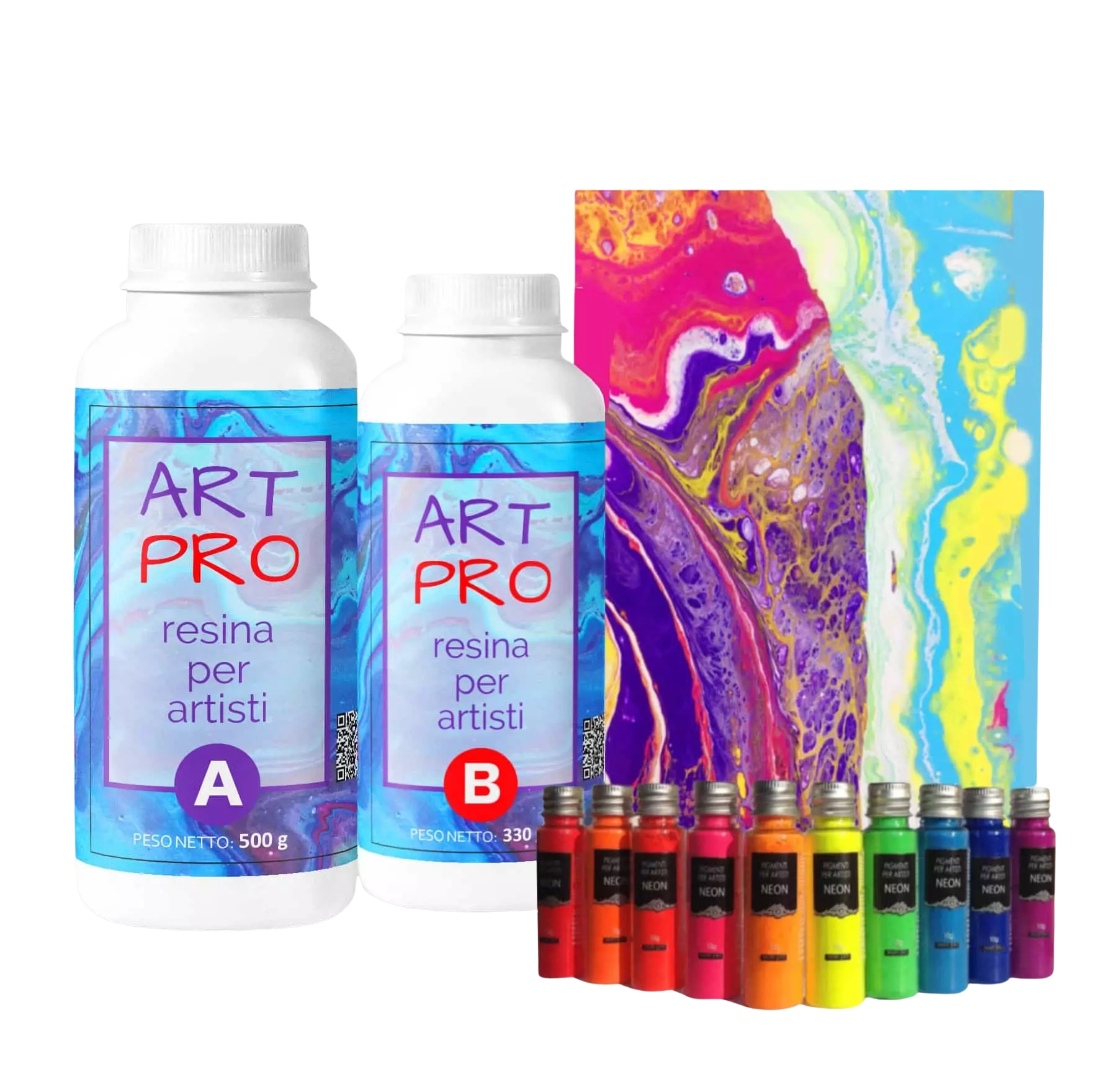
Plan your artwork before starting and test paints on a small resin offcut to check adhesion and finish. Always avoid painting directly onto glossy, unsanded resin—this leads to peeling or flaking. If mistakes occur, paints can be removed with a damp cloth while still wet, but cured paint will require gentle sandpaper for erasing. Let each paint and sealer layer cure fully before handling the project to avoid fingerprints or smudges. For more complex resin art, kits like the “Raphael Kit” – Pour Paint & Resin Art Set with Neon Pigments and Canvas or the “Sea” – Resin Kit for Creating Ocean Art, 1.7kg Epoxy, Pigments & Canvas provide an inspiring way to learn layered techniques.
Creative Inspiration for Resin Painting
Experiment with different paint techniques, colour palettes and layering for unique results in your resin art pieces.
Specialist resin kits open up creative possibilities, whether you’re crafting vibrant pours or ocean-inspired masterpieces.

- 12-Piece Artists Paint Brush Set for Epoxy Resin Art & DIY Projects£6.95This 12-piece brush set is designed for various resin art applications with versatile, durable, synthetic bristles suitable for painting on resin.
- 5-Piece Disposable Paint Brush Set for Art, Crafting & DIY Projects£6.45A set of 5 disposable brushes with durable bristles and comfortable grips, designed for detailed painting and epoxy resin crafting.
- "Raphael Kit" – Pour Paint & Resin Art Set with Neon Pigments and CanvasOriginal price was: £51.45.£39.95Current price is: £39.95.The "Raphael Kit" provides all essentials including transparent resin and neon pigments for creating vibrant pour paint and resin artworks.
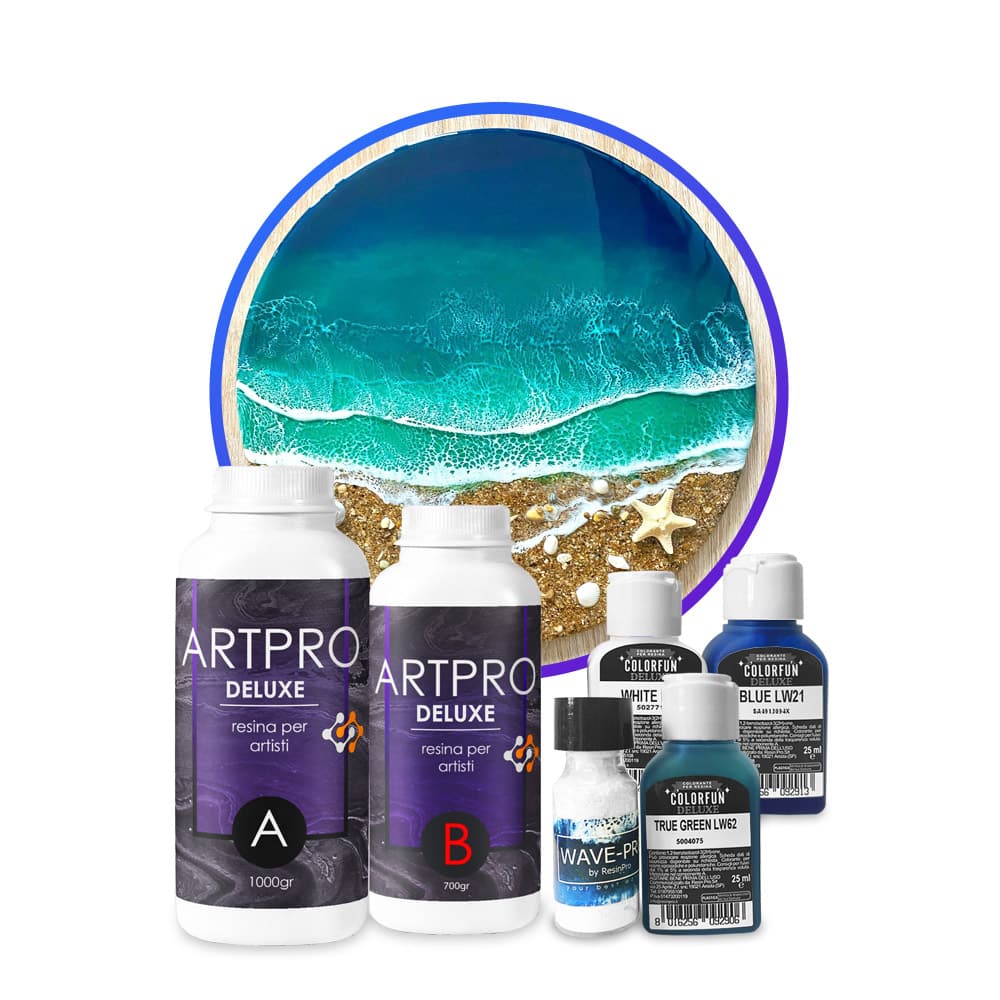 "Sea" – Resin Kit for Creating Ocean Art, 1.7kg Epoxy, Pigments & Canvas£47.45"Sea" kit contains thick epoxy resin, pigments and additives suitable for creating ocean-inspired resin art.
Frequently Asked Questions
What brushes work best for painting on resin?
Synthetic bristle brushes are ideal for painting on resin, as they deliver smooth paint application and avoid bristle shedding.
Is a primer necessary when painting resin?
Priming is not always required, but lightly sanding resin helps paint adhere better. For stubborn areas, a suitable plastic primer can add extra grip.
Which types of paint can you use on resin?
Acrylic paints and specialty paints for plastic are suitable for resin as they stick well and provide vibrant colours when sealed properly.
How do you seal paint on a resin surface?
Apply a clear spray varnish or a thin resin topcoat over the fully dried paint to shield the artwork from damage and wear.
What if the paint is peeling off the resin?
Peeling usually means the surface was too smooth. Lightly sand the area, clean it, and repaint for a lasting finish.
How long should paint and sealer cure on resin?
Allow each paint layer to dry as per the label and let the sealer cure fully—this can take 24 to 72 hours depending on the product.