 Free shipping on orders over £29,85
  Shipping Tracking!


 Google
 Facebook
How do you polish resin?
Unlock a flawless shine for your resin projects with expert tools.


Polishing epoxy resin takes your project from good to breathtaking, revealing a flawless mirror-like shine that truly elevates the look and feel of your pieces. Whether you are a resin artist, a hobbyist crafting Jewellery, or tackling a larger DIY surface, this guide helps you choose the most effective tools and polishing products designed specifically for resin. Read on to discover what sets professional results apart and how to select the right solution for your exact needs.
Overview of Resin Polishing Methods and Products
Polishing resin is a multi-step journey. Typically, you begin with grading the surface using increasingly finer sanding pads, proceed to buff imperfections, and finally finish with a dedicated polishing compound for maximum gloss. The choice of each product in this process—from your initial sanding pads to your final polish—directly impacts clarity, depth, and smoothness. Key differences between available products include the abrasiveness of sanding pads, the formulation of polishing compounds for specific surface colours, and compatibility with manual or powered tools. Understanding these nuances makes selecting your ideal products a breeze, whether working on a small pendant or a statement table top.

Visualising the Resin Polishing Process
See the transformation from dull, sanded epoxy to a radiant, high-gloss surface. Polishing not only restores clarity, but also deepens colour and definition, which is especially noticeable in layered or coloured resin designs. Explore the full range of sanding and polishing solutions to perfect each stage of your workflow.
“Epoxy Polish” – Epoxy Resin Polishing System
If you aim for a consistently clear, high-gloss finish, the “Epoxy Polish” – Epoxy Resin Polishing System is your go-to product. Its professional-grade formula efficiently removes micro-scratches and dullness, and the inclusion of anti-hologram technology prevents unsightly swirl marks that can detract from a perfect finish. Whether used by hand or with a rotary polisher, this system delivers impressive, fast results on both light and dark resin projects. Complete, easy-to-follow instructions guide you through the process—making it accessible for both beginners and professional resin artists.
“Ebonite Abralon” – Sanding Pads 360-4000 Grit for Resin and Wood
Achieving a smooth resin surface before polishing is essential. “Ebonite Abralon” – Sanding Pads offer a range of grits (360 up to 4000), allowing for precise control during each sanding stage. The foam backing ensures consistent surface pressure and can be used both wet and dry for optimal dust management and finish quality. These pads are particularly beneficial for jewellery, coasters, and decorative resin pieces, ensuring that each project is perfectly prepped for polishing and free from sanding marks.
1200W Polisher for Sanding and Buffing – Variable Speed, D-Handle
For large surfaces or when time is of the essence, stepping up to a dedicated polishing machine can make all the difference. The 1200W Polisher for Sanding and Buffing – Variable Speed, D-Handle gives you ultimate control and power. Its variable speed settings suit everything from delicate buffing to robust sanding, while the ergonomic D-handle enhances precision and comfort. Rely on this tool if you work on resin tables, countertops, or larger castings—making fast work of sanding and achieving glass-like results when paired with suitable polishing compounds.
“Carbon Polish” – Polishing System for Dark and Black Surfaces, 250ml
Dark resin and carbon surfaces require a special touch to prevent white marks or residue often left by general polishes. “Carbon Polish” – Polishing System for Dark and Black Surfaces, 250ml is formulated specifically to enhance dark colours without any whitening effect. Gentle yet effective, it can be applied by hand or with power tools, is silicone-free, and leaves your surfaces brilliantly reflective with minimal environmental impact.
Tips for Choosing and Using Resin Polishing Products
Select products that suit your surface material and colour—light resin, dark resin, or mixed mediums all perform best with the right specialist compound. Always sand through the relevant grits in sequence, never skipping directly to high-gloss polish, to avoid trapped scratches. Remember, using appropriate equipment such as a rotary polisher or hand pad holder maximises the effectiveness of your chosen polishing system. Testing a small, inconspicuous area before full application can help ensure compatibility and a flawless end result.
Expert Techniques and Professional Results
Maximise your shine by combining sanding pads, the right polishing paste, and the appropriate tool for your project’s size. Keep surfaces free from dust between each stage, and adjust speed, pressure, and application method to match your resin’s properties for truly professional results.

- "Epoxy Polish" – Epoxy Resin Polishing SystemPrice range: £18.95 through £47.45"Epoxy Polish" offers a professional-grade system to restore resin surfaces to a glossy finish, suitable for a variety of resin projects.
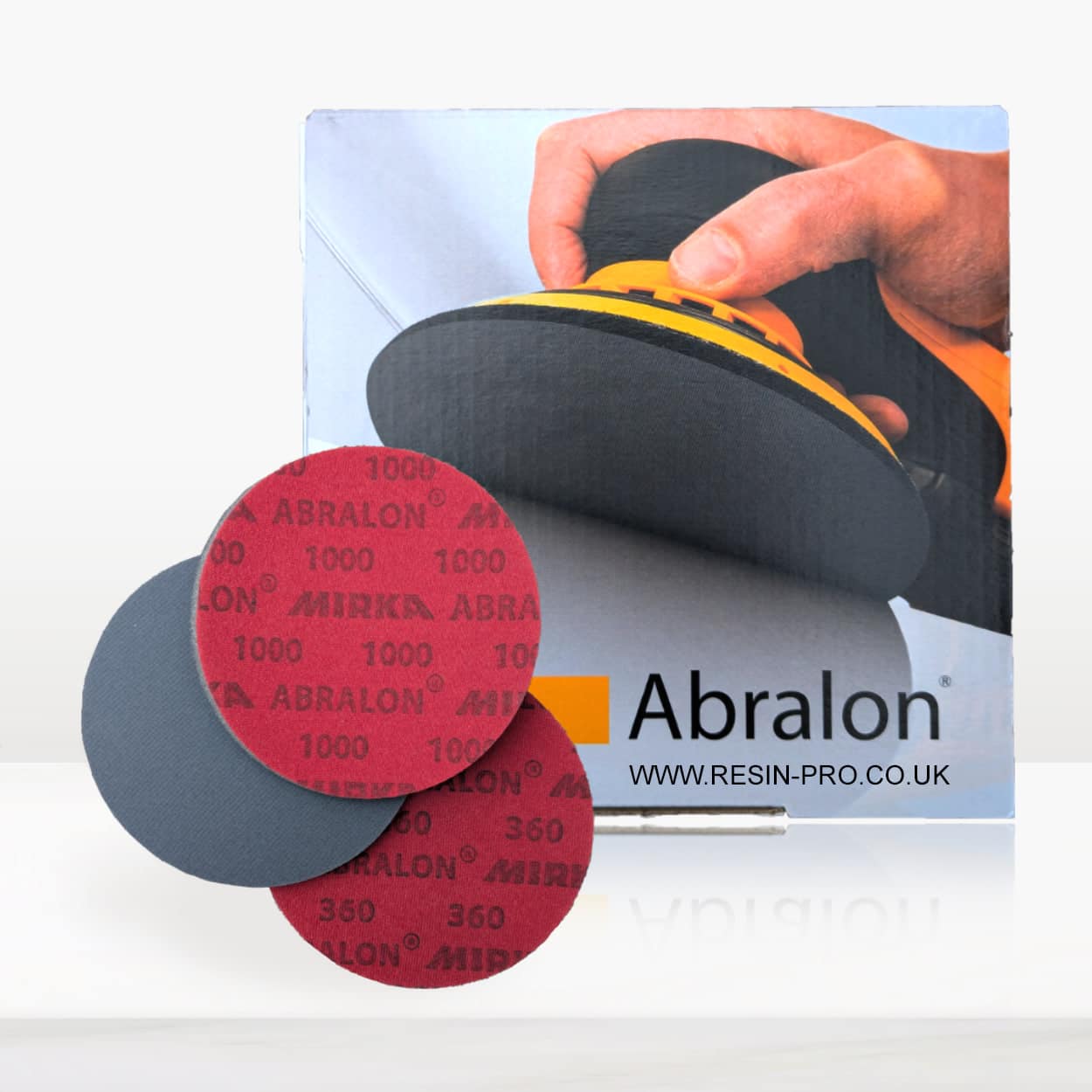 "Ebonite Abralon" – Sanding Pads 360-4000 Grit for Resin and Wood£4.15"Ebonite Abralon" sanding pads offer a range of grits suitable for polishing resin and wood surfaces as part of a careful finishing process.
 1200W Polisher for Sanding and Buffing – Variable Speed, D-Handle£90.45The 1200W Polisher offers variable speed and control, designed for sanding and polishing resin surfaces.
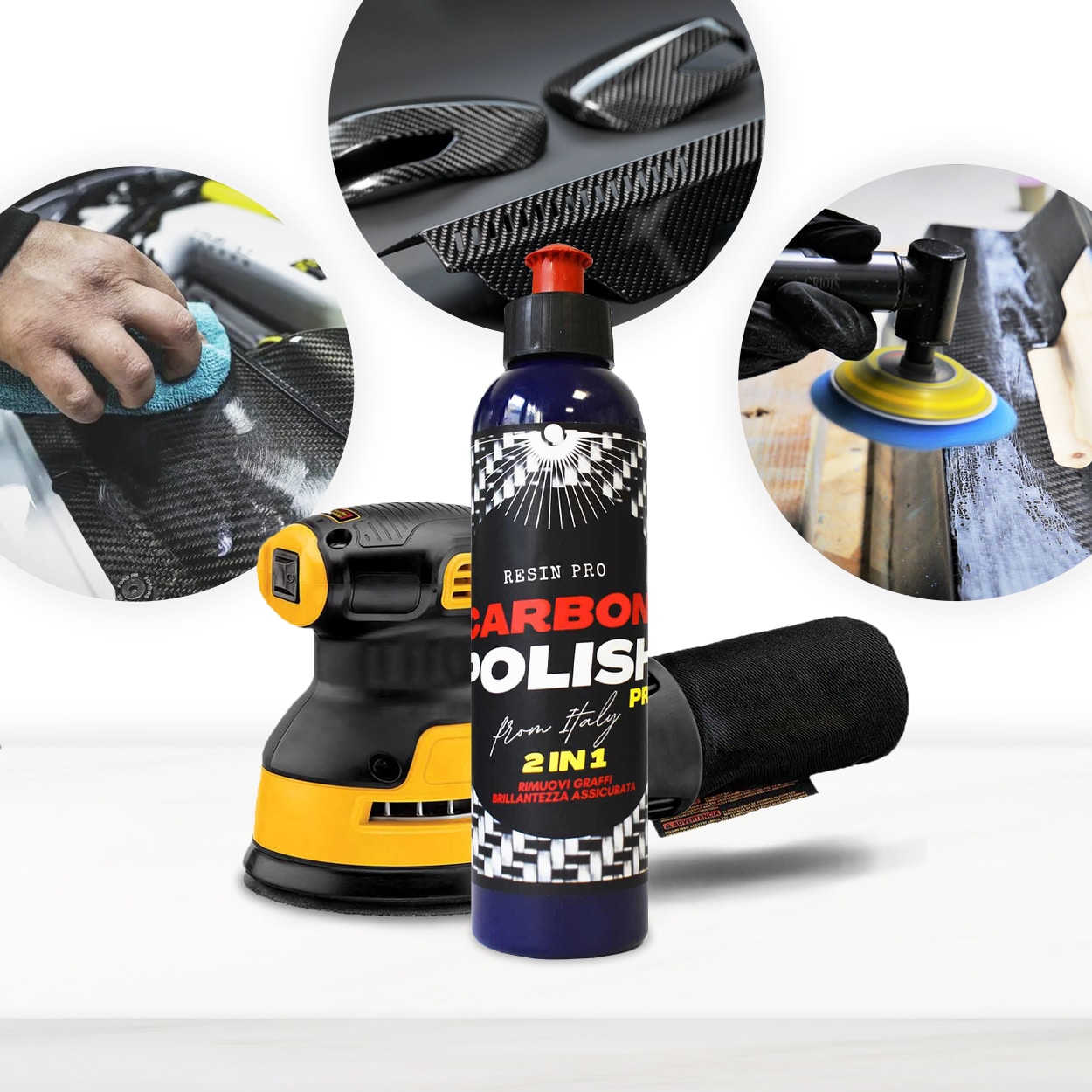 "Carbon Polish" – Polishing System for Dark and Black Surfaces, 250mlPrice range: £18.95 through £47.45A polish designed for carbon and dark surfaces, suitable for epoxy resin projects, providing a clear finish without white residue.
Frequently Asked Questions
Do I need to sand resin before polishing?
Yes, sanding smooths imperfections and creates an even surface for polish. Skipping this step may leave scratches or dull areas visible.
Which polish should I use for dark resin surfaces?
Choose a dedicated dark surface polish like Carbon Polish to avoid white residue and achieve a consistent, reflective finish.
Can you polish resin by hand?
Yes, most polishing systems can be applied by hand, but power tools provide greater consistency and are recommended for larger items.
Why does my polished resin look cloudy?
A cloudy appearance can be due to incomplete buffing or inadequate sanding progression. Work the polish thoroughly and follow grit stages closely.
What equipment is best for polishing resin projects?
Rotary polishers, sanding pads, and the appropriate polishing compound provide the best results for clarity and shine.
Can I use wood polish on resin?
It’s advisable to use dedicated resin polishing compounds, as wood polish may not produce the desired clarity or may leave residue.