 Free shipping on orders over £29,85
  Shipping Tracking!


 Google
 Facebook
How do you pour resin into wood?
Expert techniques for flawless wood and resin creations at home
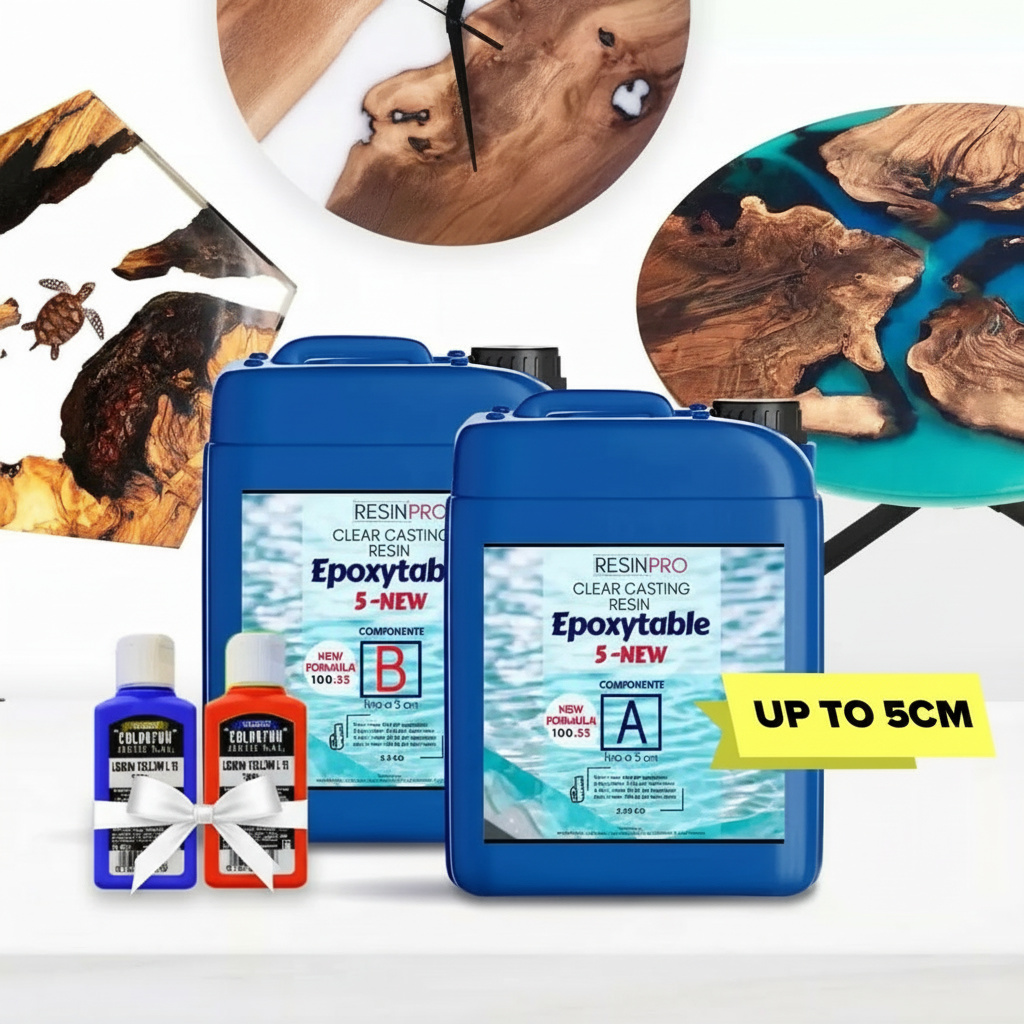

If you’re looking to combine the strength and beauty of resin with the natural allure of timber, mastering the art of pouring resin into wood is essential. Whether you’re creating a river table, filling voids, or restoring furniture, a flawless resin pour ensures both aesthetic and structural excellence. This guide will walk you step by step through preparation, pouring, and aftercare—delivering robust, eye-catching results for any wood-resin project.
What You’ll Need
- “EpoxyWood” – Wood Restoration Epoxy Resin for Deep Penetration and Waterproofing – best for sealing and pre-treating porous wood.
- “EpoxyTable 5-Five” – Deep Pour Epoxy Resin for Tables and Large Projects – Up to 5cm – suitable for most river tables and thicker pours.
- “Epoxytable 10-Ten” – Deep Pour Epoxy Resin for Tables, Up to 10cm Casting – ideal for extra-deep projects.
- “River-Table” – Complete Kit for Creating Your First Epoxy Resin Table – an all-in-one kit including resin, pigment, sealant, and finishing accessories.
- Selection of safety gloves and a dust-free workspace.
- Mixing containers, stirrer, and accurate digital scales.
- Masking tape or sealing silicone (for formwork).
- Sanding pads and polishing cream (for finishing).

Essential Tools and Workspace Preparation
Clear your workspace of dust and debris before you begin. Lay down protective sheeting and use a level surface to avoid resin run-off. Keep all tools, mixing containers, and safety equipment within easy reach to ensure a smooth workflow from start to finish.

Step 1: Prepare Your Wood Surface
A perfectly prepared wood base is critical for professional results. Carefully sand the wood to remove rough edges and ensure a smooth surface. Clean all debris and dust using a lint-free cloth—any leftover particles will be permanently encapsulated by the resin. If your wood has cracks, voids or very porous edges, consider sealing them first. Use “EpoxyWood” – Wood Restoration Epoxy Resin for Deep Penetration and Waterproofing to deeply reinforce and waterproof the timber before main resin casting. This sealing step helps avoid bubbles and prevents uneven absorption.
If you’re casting a river table or filling a channel, also build a mould around your wood using silicone or well-sealed formwork materials. Ensure your formwork is leakproof by applying silicone at all seams and edges.
Always wear suitable gloves and work in a ventilated space to safeguard your health throughout the preparation and pouring process.
Step 2: Mix the Resin Components Thoroughly
Accurate mixing of resin and hardener is vital for a quality result. Use precision scales to weigh the components exactly as directed. Pour both parts into a clean container and stir slowly but thoroughly, taking care not to whip in excess air. Scrape the bottom and sides of your container continually for a uniform blend. A quality product such as “EpoxyTable 5-Five” – Deep Pour Epoxy Resin or “Epoxytable 10-Ten” – Deep Pour Epoxy Resin will provide you with ample working time for this crucial step.
Incorporate pigments or dyes at this stage if you’re aiming for colour effects. Continue stirring gently until the mix is both clear and consistent.
Mix resin components fully, scraping the sides of your container to ensure consistent curing and minimised sticky spots later.
Step 3: Pour the Resin into Wood
Pour your resin deliberately and steadily along the length of the cavity, inlays, or table channel. Always pour in manageable layers—typically up to 5cm at a time for products such as “EpoxyTable 5-Five”, or up to 10cm with “Epoxytable 10-Ten”, as the product allows. Monitor the temperature and avoid overfilling in one go to prevent overheating and cloudiness. For beginners, the “River-Table” – Complete Kit is particularly useful as it includes precise guidance for layer thickness and pour rate.
If you notice any air bubbles rising to the surface, gently remove them using a heat gun or standard lighter, holding it above (but not too close) to the resin.
Pour slowly and steadily along the length of the intended channel and remove any surface bubbles as early as possible for a flawless result.
Step 4: Curing, Demoulding and Finishing Touches
After pouring, leave the project undisturbed and covered in a dust-free area for the entire curing time. Refer to your chosen resin’s guidelines for precise timings. Avoid exposing the resin to direct sunlight or moisture during this stage.
Once fully cured, carefully demould your creation, checking for any rough or sharp edges. If a second layer is required, lightly sand the cured surface and wipe clean before pouring again, ensuring excellent interlayer adhesion. Complete the process with gentle sanding and polishing for a perfectly even finish—the “River-Table” – Complete Kit conveniently includes a polishing kit for this step.
Sand between coats if layering is required and avoid over-filling or disturbing the resin during initial cure to achieve optimal clarity and smoothness.

Pro Tips and Common Mistakes to Avoid
Always check room and resin temperature—pour within the recommended temperature range to ensure proper curing. Let the wood acclimate to the workshop for 24–48 hours before pouring to minimise shrinkage and warping. Avoid mixing too vigorously to reduce air entrapment. Rushing the process or using products not designed for your intended depth can lead to yellowing, soft areas or cracks.
Ensure the wood is thoroughly dry to prevent warping or cloudiness and seal porous edges with penetrating resin to avoid bubbles. Use deep pour products such as “Epoxytable 10-Ten” only for suitable thickness to prevent exothermic issues.
Gallery: Flawless Resin Pours on Wood
Explore examples of stunning resin rivers, inlays, and live edge projects created using purpose-formulated resins. Notice the clarity, colour brilliance, and perfect interface between wood and resin achieved by following these preparation and pouring techniques.
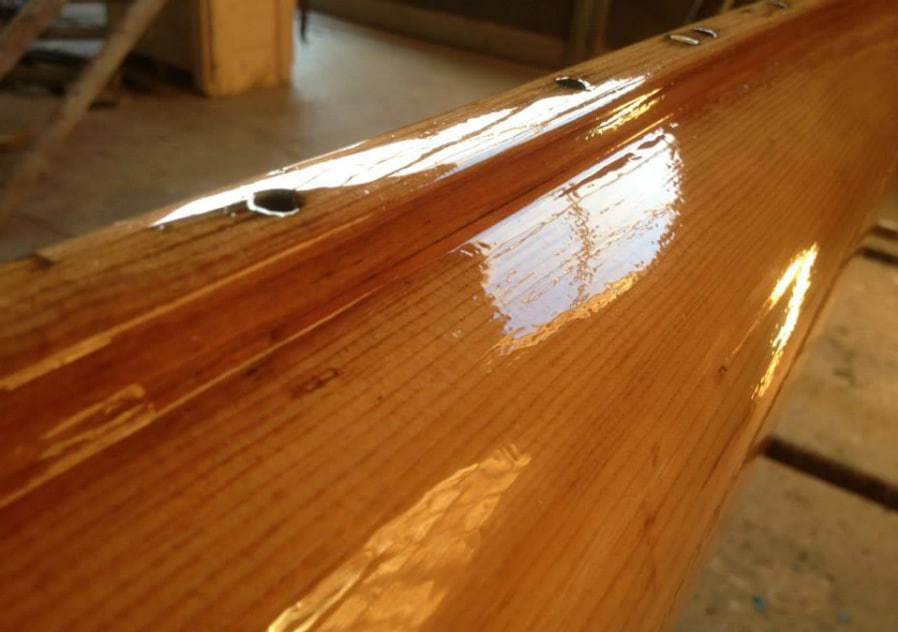
- "EpoxyWood" – Wood Restoration Epoxy Resin for Deep Penetration and WaterproofingOriginal price was: £64.00.£39.85Current price is: £39.85."EpoxyWood" is a wood restoration resin designed for deep penetration and waterproofing, supporting projects focused on wood repair.
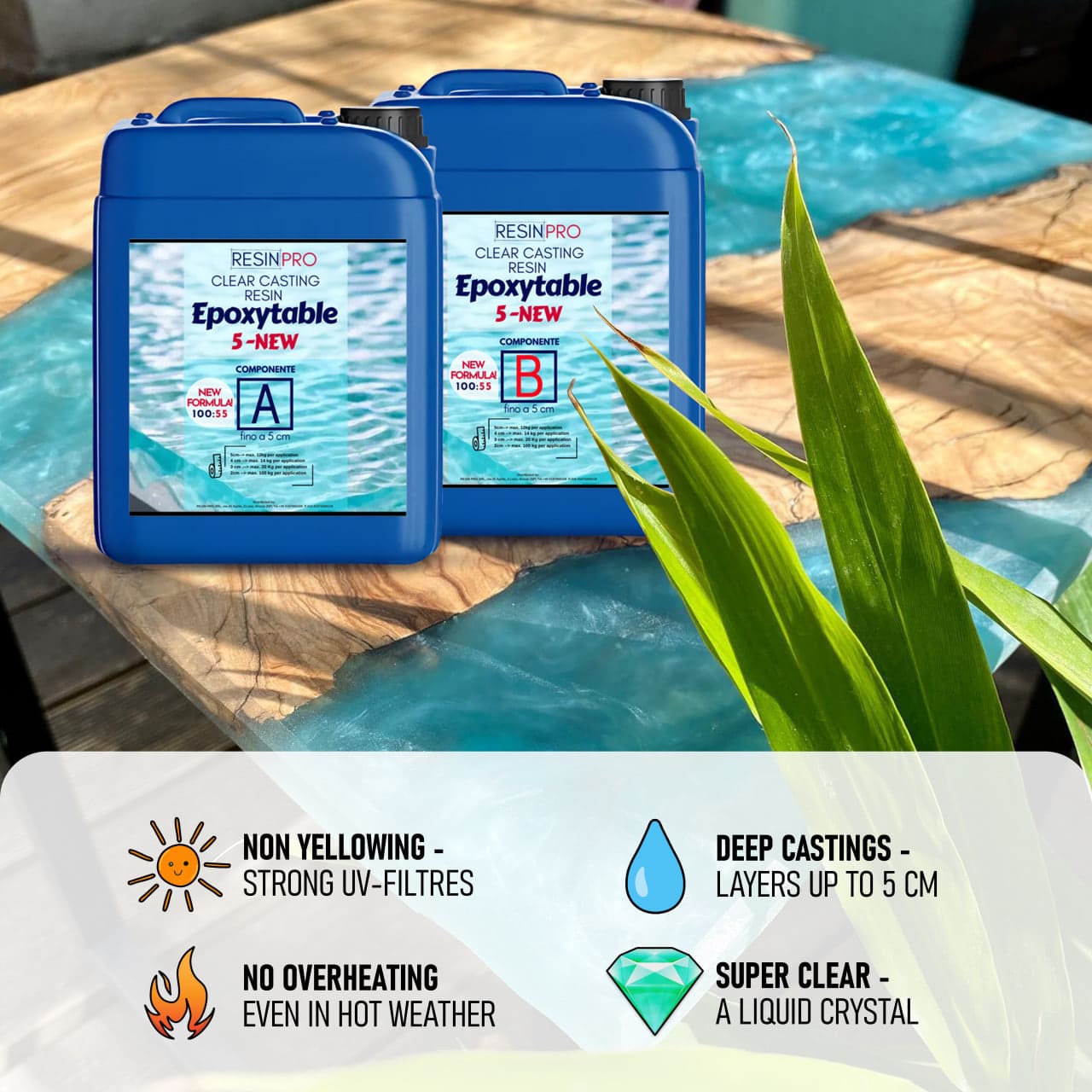
- "EpoxyTable 5-Five" – Deep Pour Epoxy Resin for Tables and Large Projects – Up to 5cmPrice range: £16.85 through £1,099.85"EpoxyTable 5-Five" is a deep pour epoxy resin suitable for tables and large projects up to 5cm thick, designed for stable, non-yellowing finishes.
 “Epoxytable 10-Ten” – Deep Pour Epoxy Resin for Tables, Up to 10cm CastingPrice range: £33.85 through £334.85“Epoxytable 10-Ten” is a resin suitable for deep casting projects, including tables, supporting up to 10cm pours.
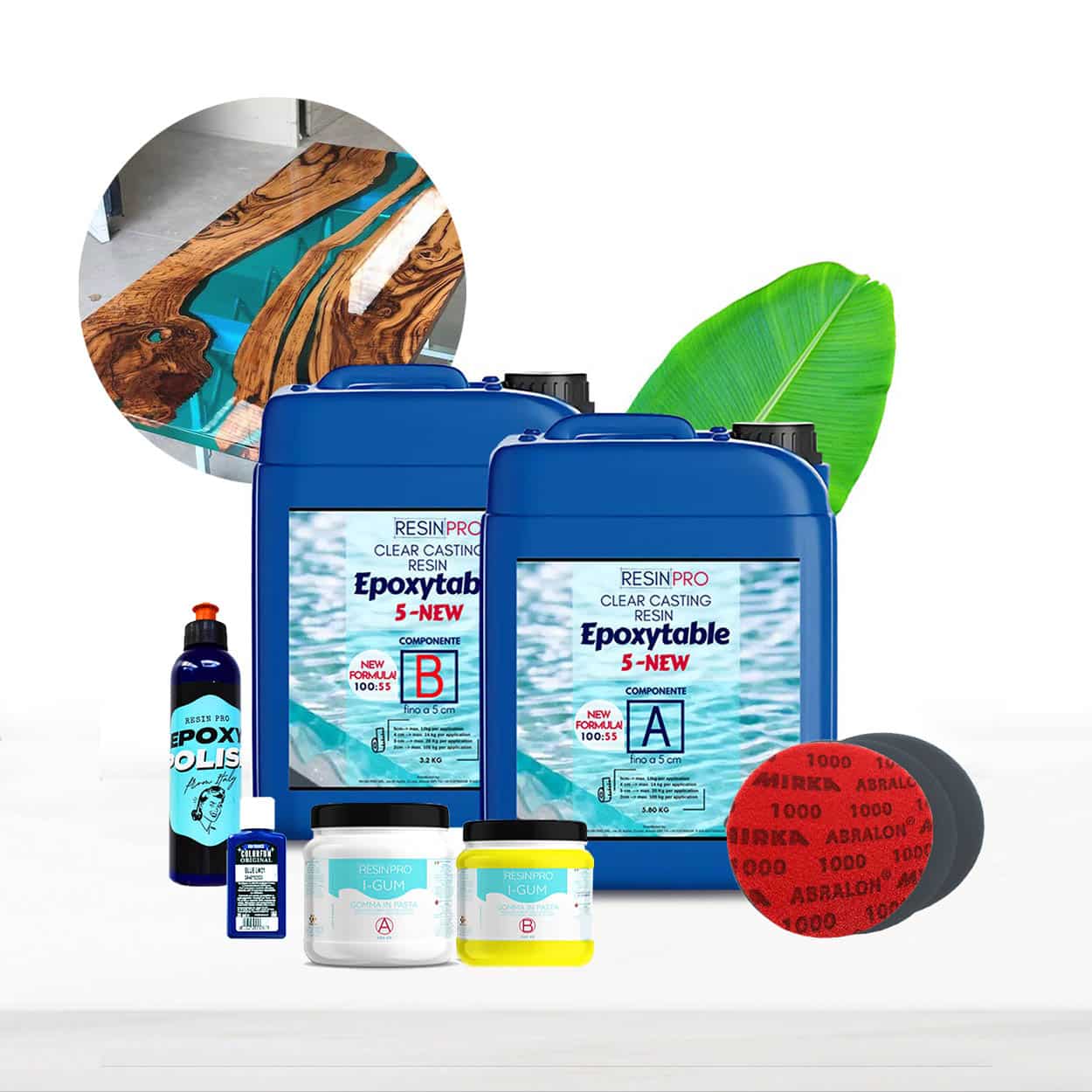 "River-Table" – Complete Kit for Creating Your First Epoxy Resin TablePrice range: £188.85 through £444.85"River-Table" kit provides components and instructions suitable for creating wood and resin tables with this theme.
Frequently Asked Questions
What is the best resin for pouring into a wood channel?
Deep pour epoxies such as EpoxyTable 5-Five or Epoxytable 10-Ten are excellent for thick channels, ensuring strong bonds and minimal bubbles.
How can I prevent bubbles when pouring resin into wood?
Seal the wood first and pour slowly in controlled layers. Use a heat source to remove surface bubbles after the pour.
Is it necessary to seal wood before pouring resin?
Sealing the wood is highly recommended as it prevents air pockets and reduces the risk of resin bleed or uneven absorption.
How long does epoxy resin take to cure in wood?
Curing times depend on resin thickness and temperature; most deep pour resins cure fully in 24–72 hours.
How can I prevent yellowing of resin in wood projects?
Select resins with strong UV filters and keep finished pieces out of direct sunlight whenever possible.
Can I layer clear resin over coloured pours in wood?
Yes, but sand or scuff each layer for adhesion, and ensure previous pours are fully cured before applying more resin.