 Free shipping on orders over £29,85
  Shipping Tracking!


 Google
 Facebook
How do you properly store unused epoxy resin?
Extend resin shelf life and prevent waste with correct storage.

Storing unused epoxy resin correctly is crucial for maximising its shelf life, ensuring quality results, and preventing hazardous spoilage. Whether you occasionally use resin for artwork, small repairs, or coating projects, understanding the best way to handle leftover supplies protects both your materials and your future creations.

What You’ll Need
- “Klebfix” – Two-Component Fast Epoxy Glue 2K, 25g Syringe: Features a resealable syringe cap, ideal for repeated use.
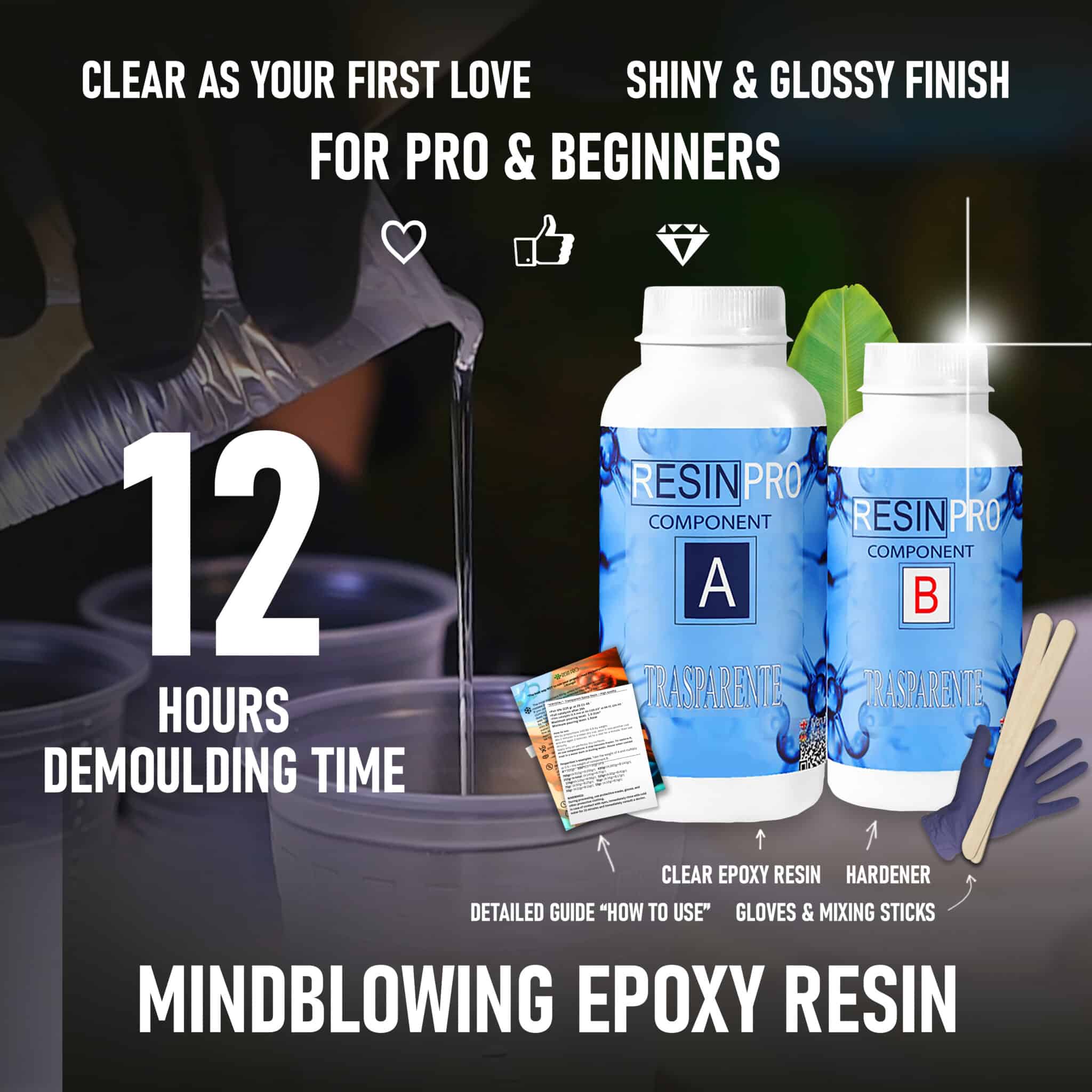
- “Trasparente” – Multipurpose Clear Epoxy Resin for Casting – Up to 2cm: Multipurpose resin with odourless, solvent-free formulation.
- “Icrystal” – Clear Epoxy Resin – Odourless Formula – Up to 1.5cm: Odourless and VOC-free for safer indoor storage.
- “EpoxyFood” – Certified Clear Food Contact Epoxy Resin for Coating: Safe for kitchenware and easy to reseal.
- Original resin containers and lids
- Labelling materials (marker, tape)
- A cool, dark cupboard or storage box
- Gloves and paper towels (for wiping spills before sealing)

Where to Store Epoxy Resin
Choose an area away from radiators, direct sunlight, and sources of moisture. A cupboard or drawer in a ventilated room keeps resin stable and accessible for the next project. Never leave resin containers on a window sill or in a shed, as temperature swings and sunlight speed up spoilage.
Step 1: Seal Containers Properly After Each Use
After finishing your project, immediately wipe any drips or residue from the container rim and inside the lid. This prevents a sticky build-up that can break the seal or make it difficult to reopen in future. For products like “Klebfix” – Two-Component Fast Epoxy Glue 2K, 25g Syringe, ensure you firmly replace the resealable cap to minimise air exposure and keep the adhesive fresh between applications.
Keep epoxy resin in a tightly sealed original container to reduce contamination from dust or moisture and block oxygen which could affect the chemical composition over time.

Step 2: Store Resin in a Stable Environment
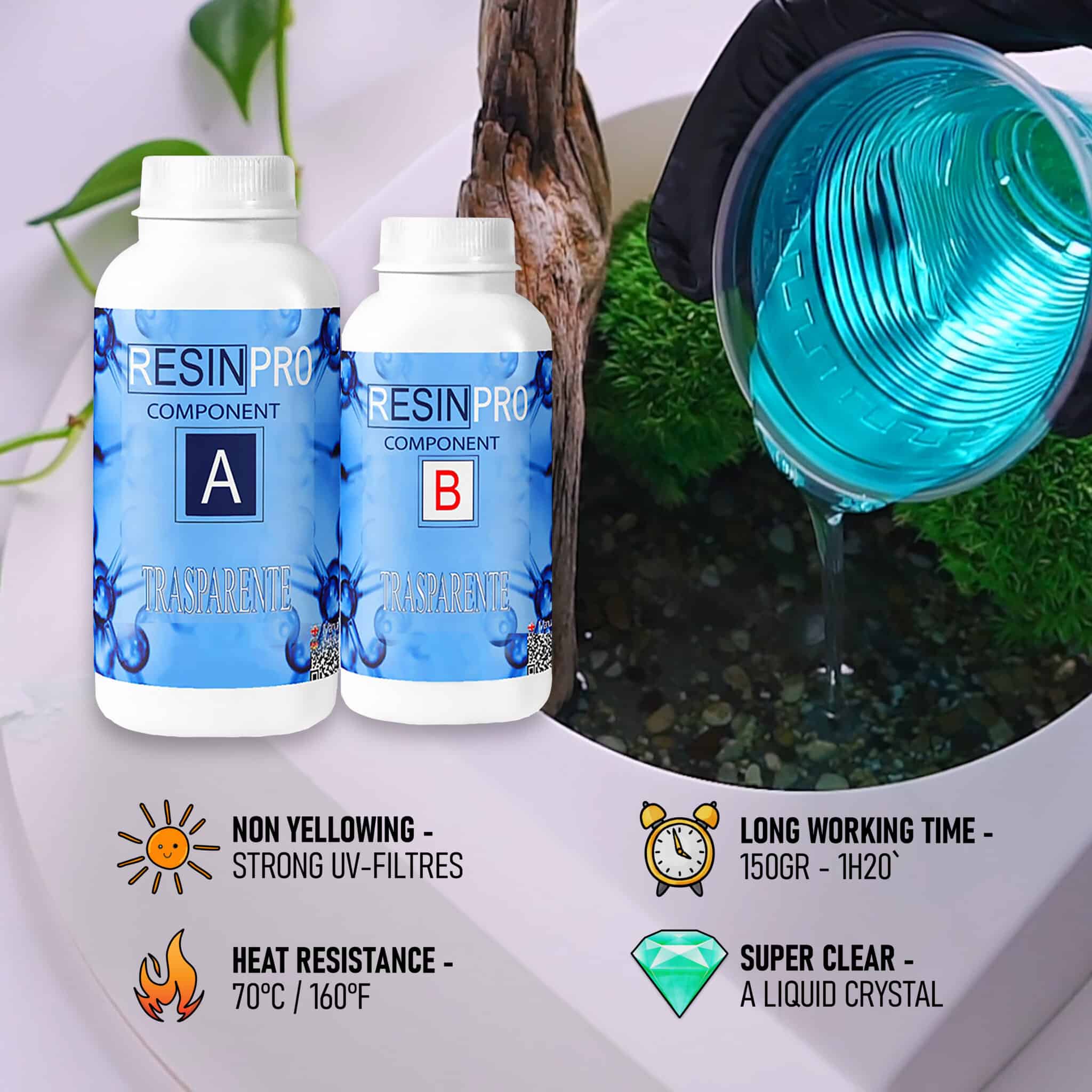
Resin longevity depends greatly on where you keep it. Store resin in a cool, dry and dark environment such as a cupboard, drawer, or opaque storage box. UV exposure can cause yellowing or premature curing—especially for clear casting types like “Trasparente” – Multipurpose Clear Epoxy Resin for Casting – Up to 2cm and “Icrystal” – Clear Epoxy Resin – Odourless Formula – Up to 1.5cm. Consistent temperatures (ideally 15–25°C) extend product lifespan. Humidity and fluctuating heat or frost can degrade integrity and clarity.
Step 3: Protect Resin from Contaminants
Always use clean tools when handling resin, and never pour leftover resin back into the original containers. Particles, used mixing sticks, or any dust can initiate premature reactions or render the resin unusable. Especially with food-safe options like “EpoxyFood” – Certified Clear Food Contact Epoxy Resin for Coating, maintaining purity is essential for safety and compliant use on kitchenware.


Step 4: Avoid Sunlight and Temperature Extremes
Direct exposure to sunlight accelerates chemical degradation, even in resins with strong UV protection. Avoid temperature extremes and direct sunlight. If your workspace is prone to heat in summer or cold in winter, consider relocating your stored resin during seasonal changes to prevent thickening, crystallisation, or changes in performance.
Step 5: Label and Monitor Shelf Life
Mark each container with the date it was opened and its recommended shelf life from the packaging. This helps you keep track and use older stock first, ensuring optimal results. Label containers with date of opening and expiration to avoid mix-ups and wasted resin. Discard any resin showing crystallisation, cloudy appearance, or unusual odour as it may have expired.


Tips, Mistakes, and Troubleshooting
Never mix partial or expired resin, as this risks unpredictable results including incomplete curing or tacky surfaces. Always store the two components (resin and hardener) separately and securely. When using resealable packaging, ensure lids or caps are always fully tightened to prevent subtle air leaks. If you notice crystallisation in resin (particularly in clear formulas), a gentle warm water bath can often restore fluidity, but only do so if the manufacturer recommends it. Do not freeze resin or expose it to excessive humidity.
Resin Storage Safety and Longevity
Always wear gloves when handling resin containers to avoid skin contact, and clean up any drips to prevent lids sticking shut. Proper storage not only keeps your resin usable—it helps ensure every pour or repair is a success.

- "Klebfix" – Two-Component Fast Epoxy Glue 2K, 25g Syringe£24.00"Klebfix" is a fast-setting two-component epoxy adhesive suitable for various materials, designed with a practical dosing syringe.
- "Trasparente" – Multipurpose Clear Epoxy Resin for Casting – Up to 2cmPrice range: £8.95 through £397.95"Trasparente" is a clear, multipurpose epoxy resin suitable for detailed casting and small to medium layers up to 2cm thickness.
- "Icrystal" – Clear Epoxy Resin – Odourless Formula – Up to 1.5cmPrice range: £12.45 through £341.45"Icrystal" clear epoxy resin offers high transparency and easy use with an odourless formula, suitable for tables and artistic finishes.
 "EpoxyFood" – Certified Clear Food Contact Epoxy Resin for CoatingPrice range: £20.95 through £146.95EpoxyFood is a food-safe transparent resin designed for coating kitchen items with a clear finish following expert safe use guidelines.
Frequently Asked Questions
What is the best temperature for storing epoxy resin?
Epoxy resin should be stored in a cool, dry place ideally between 15°C and 25°C to maintain peak performance.
How long does unopened epoxy resin last?
Most unopened epoxy resins have a shelf life of 12–24 months if stored correctly in original packaging.
Can expired epoxy resin be used for projects?
Using expired resin is not recommended as it may lead to incomplete curing or poor bonding. Discard if in doubt.
How do I know if my epoxy resin has spoiled?
Signs include crystallisation, cloudy liquid, separation, or a sour odour. Always inspect before use.
Should epoxy resin be refrigerated?
Do not refrigerate resin. Cold storage can cause thickening or crystallisation, making it difficult to use.
Can I mix old and fresh epoxy resin together?
It is best to avoid mixing resin from different ages as formula changes and ageing can affect final properties.