 Free shipping on orders over £29,85
  Shipping Tracking!


 Google
 Facebook
How do you re-waterproof a resin shower tray?
Step-by-step waterproofing guide to restore your shower tray

Prolonging the life of your shower tray hinges on maintaining its waterproof integrity. This guide explains the full process of re-waterproofing a resin shower tray—an essential maintenance task to prevent leaks, mould, and structural damage in bathrooms. Carefully following these steps ensures a clean, effective re-coating that keeps your shower zone dry, safe, and in excellent condition.
What You’ll Need
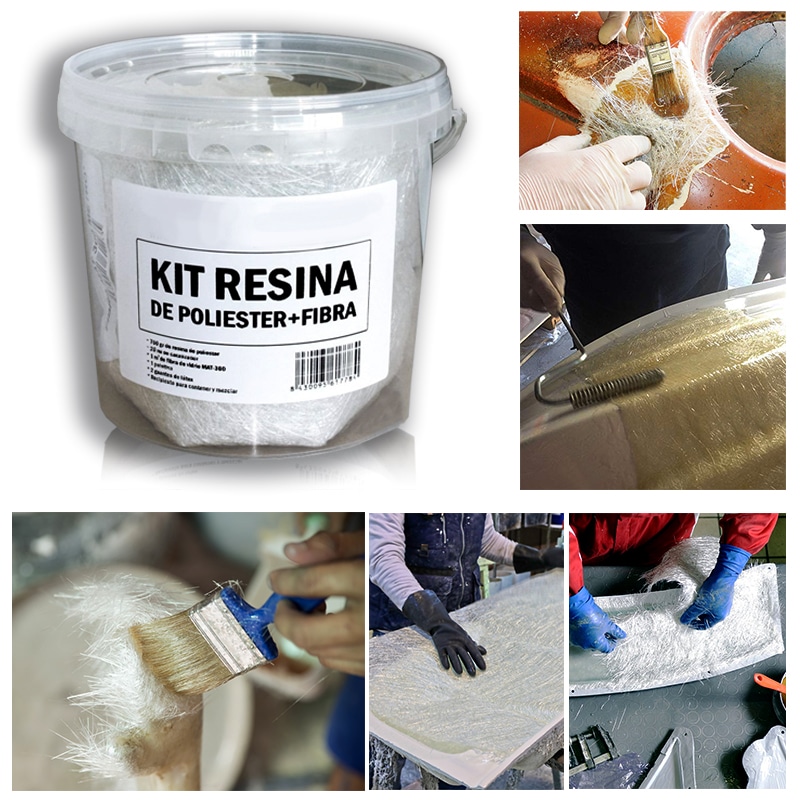
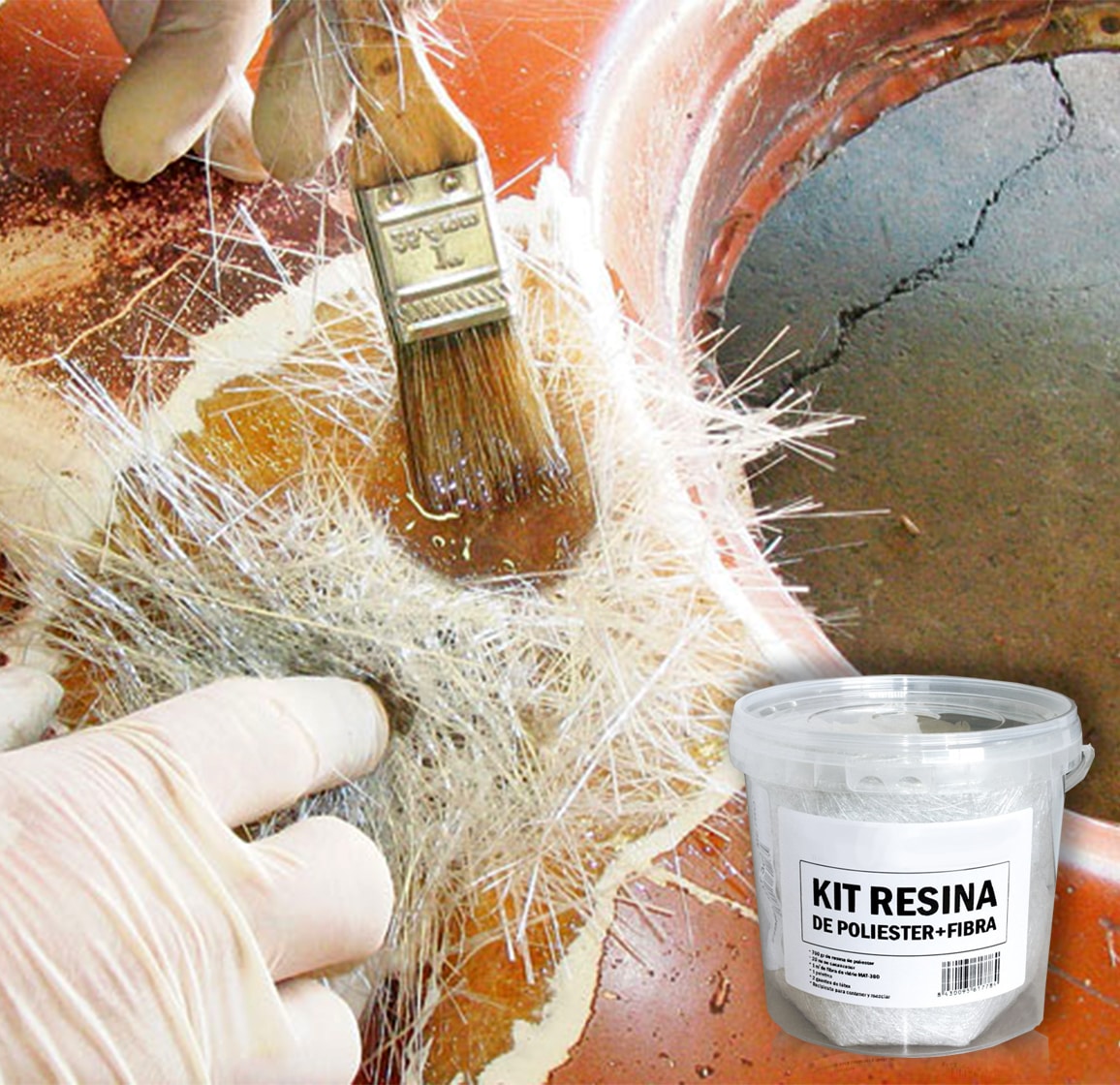
- Resin Fibreglass Repair Kit – Complete Polyester Resin and Hardener Set – For structural repairs or reinforcing problematic areas
- “Art Pro” – Clear Epoxy Resin for Artists and Surface Coating – For a high-gloss, durable protective finish
- “Trasparente” – Multipurpose Clear Epoxy Resin for Casting – Up to 2cm – For clear, smooth, self-levelling waterproof layers
- “EpoxyWood” – Wood Restoration Epoxy Resin for Deep Penetration and Waterproofing – If timber or wood-enclosed areas need sealing
- Protective gloves and mask
- Cleaning supplies (mild detergent, cloth, rubbing alcohol)
- Fine sandpaper (400–600 grit)
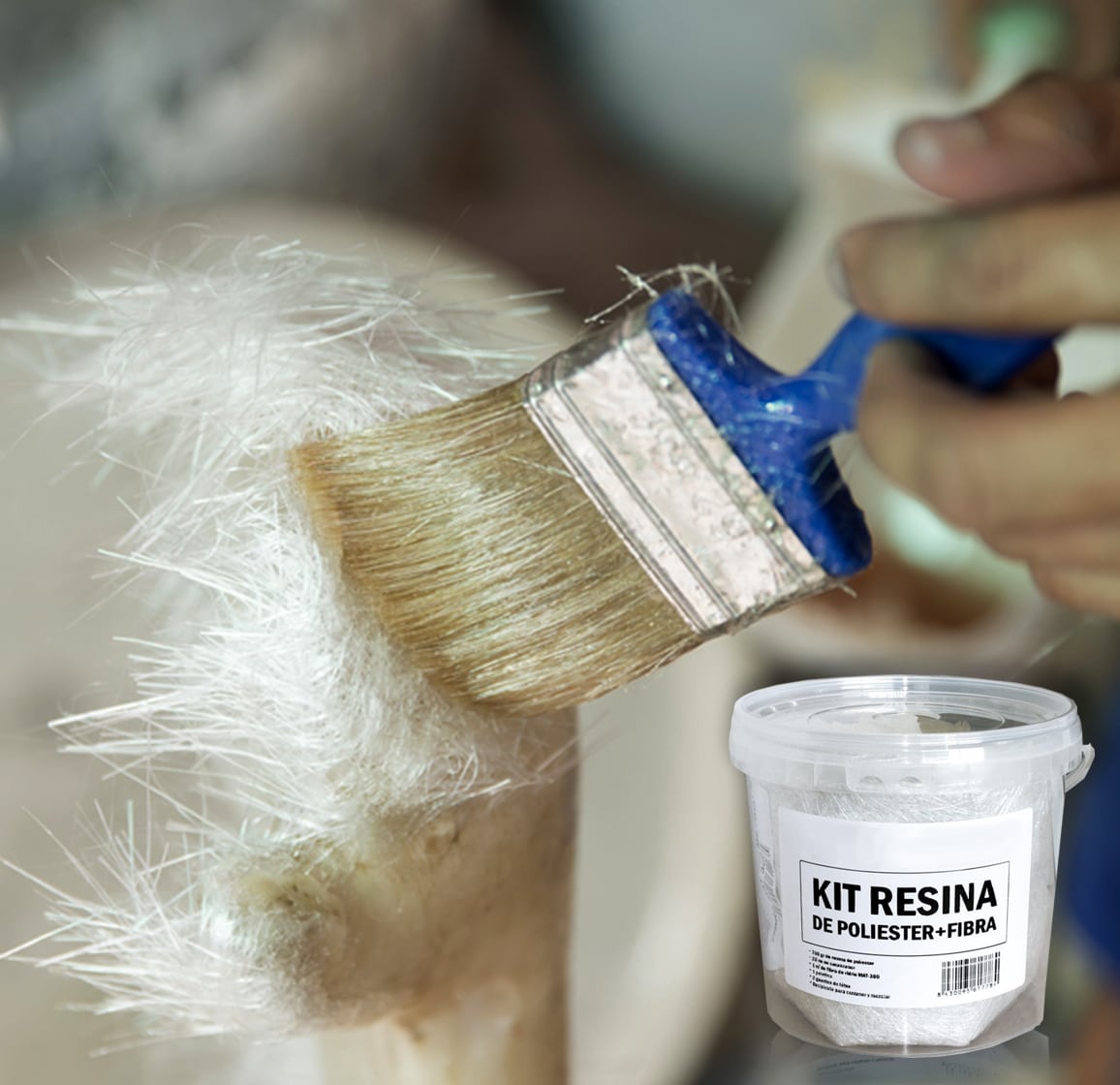
- Brush or roller for resin application
Your Essential Resin Shower Tray Repairs – Visual Guide
Explore photos and diagrams highlighting each key stage of shower tray surface preparation, resin mixing, and the finished waterproof coating. See examples for choosing fibreglass kits vs clear epoxy resins, ensuring the correct approach for your specific repair needs.
Visual comparisons clarify toolkit choices and demonstrate the transformation from worn trays to renewed, glossy, leakproof results.
Step 1: Prepare the Tray Surface
Thoroughly clean and dry beforehand. Remove soap residue, mildew, and limescale using a suitable bathroom cleaner. Allow the tray to dry; then degrease the area with rubbing alcohol for optimal adhesion. Dull the surface lightly with fine sandpaper, wiping away all dust with a lint-free cloth.
Pay close attention to cracks or chips: if you uncover any structural issues, have your Resin Fibreglass Repair Kit – Complete Polyester Resin and Hardener Set ready for in-depth mending before moving ahead.

Step 2: Address Cracks and Reinforce Weak Points
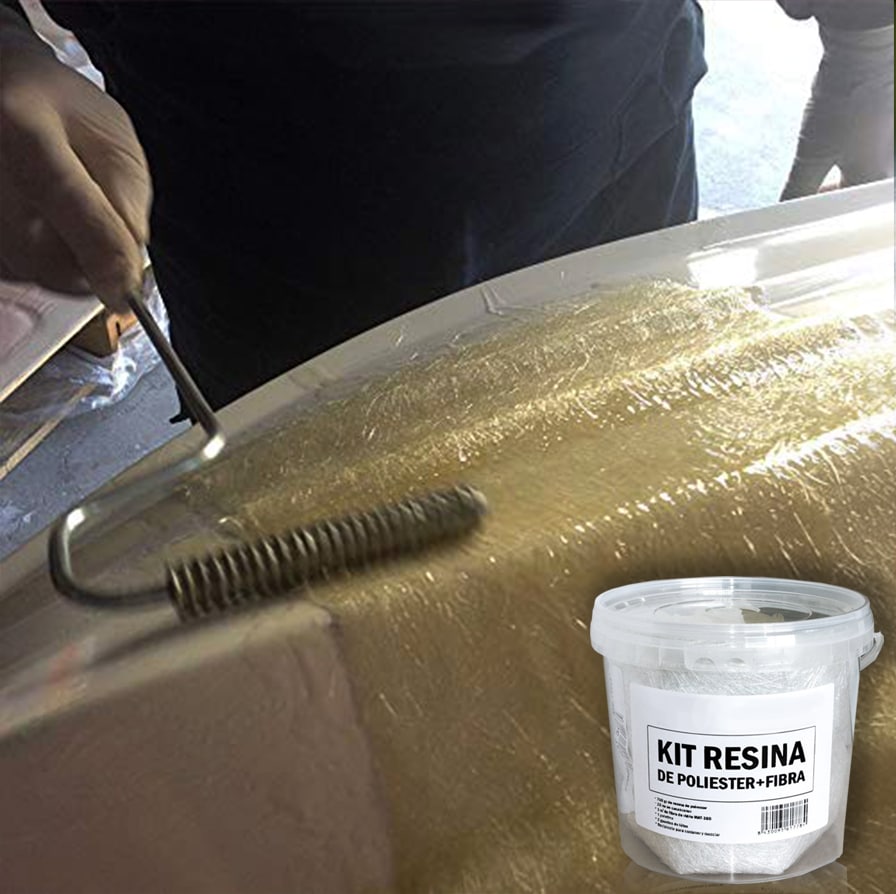
Inspect the tray for visible damage. For significant splits or holes, use sections of fibreglass mat soaked with mixed polyester resin from the Resin Fibreglass Repair Kit to build up a new, watertight surface—always blending the repair zone into the surrounding tray. Let it cure according to instructions before proceeding. Smooth any raised repairs with gentle sanding once fully set.
Where wooden support or adjacent surfaces are exposed to possible leaks, consider using “EpoxyWood” – Wood Restoration Epoxy Resin to penetrate and waterproof these elements thoroughly.
Step 3: Mix and Apply Your Chosen Resin Coating
Mix your resin carefully using the manufacturer’s ratio. For a seamless topcoat, both “Art Pro” – Clear Epoxy Resin and “Trasparente” Epoxy Resin produce durable, attractive waterproof finishes—choose as suits your tray’s style and thickness. Work with good ventilation and wear gloves/mask throughout.
Apply resin in a controlled, even layer with a foam roller or wide brush, starting from the furthest corner and moving steadily to avoid drips or pooling. Tackling edges first ensures full coverage. Wait for the initial cure, then consider a second coat for added durability if desired.


Step 4: Finishing Touches and Curing
Check edges and corners for any missed spots or thin areas. Touch up with extra resin if needed, smoothing gently. Maintain a dust-free, temperate room during the full recommended curing time.
Allow for sufficient curing time—rushing the process can compromise the waterproof seal. Most resins will be touch-dry within 12–24 hours, but a thorough cure (ready for shower use) may take several days. Refer to your resin’s product guide for exact timing.
Tips, Common Mistakes, and Troubleshooting
Always follow safety guidance: adequate ventilation, protective gloves, and correct disposal of used materials are essential. Test your resin mix on a small spot before committing to the whole tray if unsure.
Common pitfalls include under-preparing the surface or rushing through layers—take your time for each step. Always wait for complete curing before using the shower to guarantee a proper seal.

Before and After: Resin Shower Tray Restoration Results
See authentic transformation shots—from initial damage and surface imperfections to a seamless, revitalised tray finished with tough, clear waterproof resin. These results offer real-world reassurance and inspiration for your own project.
Witness how the right resin system restores both the function and shine of your shower area.
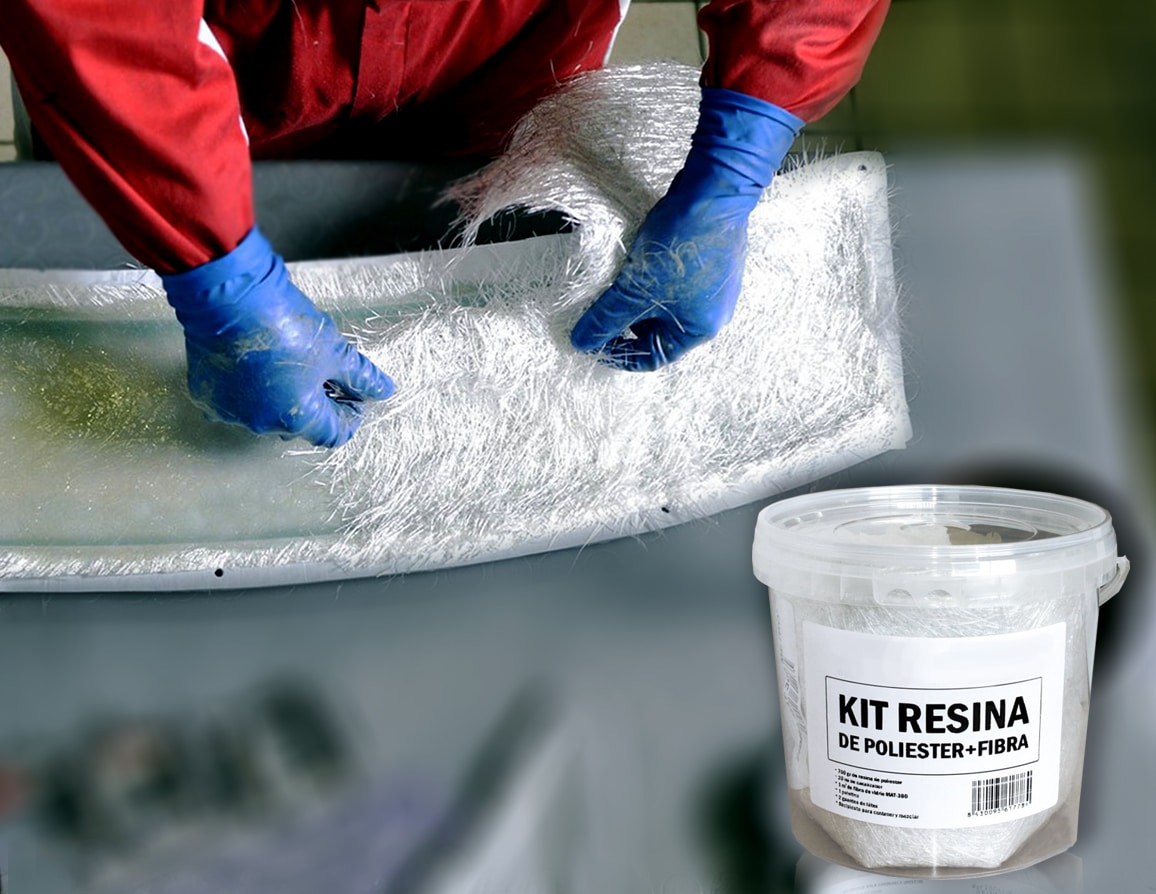
- Resin Fibreglass Repair Kit – Complete Polyester Resin and Hardener SetThe Resin Fibreglass Repair Kit offers waterproof and impact-resistant repairs suitable for various rigid surfaces in a precise, practical format.
- "Art Pro" – Clear Epoxy Resin for Artists and Surface CoatingPrice range: £19.95 through £267.95"Art Pro" clear epoxy resin provides durable, scratch-resistant, high-gloss finishes suitable for artists and crafters seeking clarity and UV…
 "Trasparente" – Multipurpose Clear Epoxy Resin for Casting – Up to 2cmPrice range: £8.95 through £397.95Clear, multipurpose casting epoxy resin designed for up to 2cm layers, suitable for woodworking, art, and restoration projects.
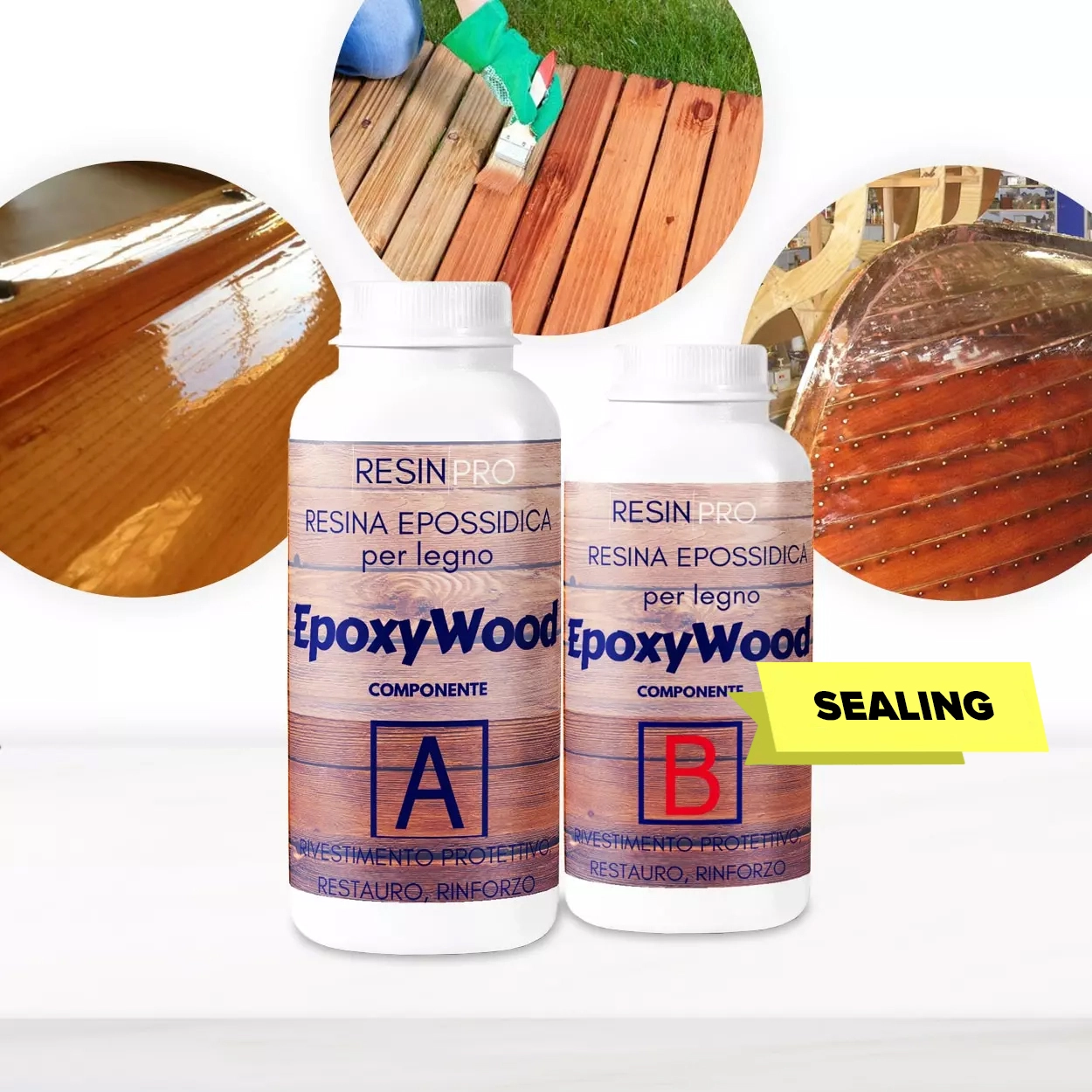 "EpoxyWood" – Wood Restoration Epoxy Resin for Deep Penetration and WaterproofingPrice range: £27.95 through £41.95EpoxyWood is designed for repairing and waterproofing wood surfaces, providing a warm, natural finish.
Frequently Asked Questions
Which resin is best for waterproofing a shower tray?
Epoxy resins like "Art Pro" or "Trasparente" produce effective, clear waterproof layers. Use resin with fibreglass for deep repairs.
How long before I can use my shower after recoating?
Waterproof resins usually cure within 24–72 hours, but always check the product guide and allow full curing for the best results.
Can I coat directly over repaired cracks and chips?
Yes, as long as the repair is cured, level, and sanded smoothly for maximum adhesion before resin coating.
What is the best way to clean the tray before resin?
Use a mild bathroom cleaner, thoroughly dry the surface, and degrease with alcohol for excellent resin bonding.
How thick should my resin layer be?
For most tray coatings, 1–2 mm is sufficient. Do not exceed the product’s recommended maximum thickness per layer.
How do I maintain my resin-coated tray?
Clean gently with non-abrasive products and avoid harsh chemicals to preserve the resin’s waterproof, glossy finish.