 Free shipping on orders over £29,85
  Shipping Tracking!


 Google
 Facebook
How do you recover a resin table?
Step-by-step guide to restoring tables with stunning results


Breathing new life into a scratched, dull, or damaged resin table is achievable with the right approach. This in-depth guide walks you through each stage of the recovery process, helping you repair imperfections, restore clarity, and enhance gloss so your table looks as good as new. Whether you have minor surface blemishes or deeper flaws, following these steps ensures a professional-standard finish for any resin or wood-resin table.
What You’ll Need
- “Epoxy Polish” – Epoxy Resin Polishing System: For effective scratch removal and mirror-like finishing.
- “Trasparente” – Multipurpose Clear Epoxy Resin for Casting – Up to 2cm: For filling larger chips or cracks as needed.
- “Icrystal” – Clear Epoxy Resin – Odourless Formula – Up to 1.5cm: Suitable alternative for filling smaller areas or thin surface repairs.
- Protective gloves, lint-free cloths, sanding pads (from coarse to fine grit), and a dust mask.

Restoration in Progress
See before and after examples of recovered resin tables. Notice the dramatic difference polished and repaired areas make in restoring clarity and elevating the table’s appeal. Visual progress at each stage builds both skill and confidence in your project.

Step 1: Clean and Prepare the Table Surface
Thorough cleaning is essential before repair. Begin by clearing away all dust, debris and grease from your resin table. Use a gentle detergent or surface cleaner with a damp, lint-free cloth. Allow the table to dry completely. Any residues left behind can compromise the bond of new resin or affect the final finish. Ensure you’re working in a well-ventilated and dust-free environment for best results.
Step 2: Sand Down Imperfections
Carefully sand the entire surface for best adhesion. Start with a medium grit sanding pad to remove light scratches and dull areas, always working in the same direction. Progress through finer grits (up to 2000 or 3000) for a smoother finish. Regularly wipe away dust to monitor your progress. Take care around table edges and corners, sanding lightly to avoid shaping errors.
Step 3: Fill Deeper Scratches or Chips
Fill deep scratches or chips with an appropriate epoxy resin. For repairs where the damage penetrates below the surface—such as gouges, chips, or cracks—use a clear casting resin. For areas up to 2cm deep, “Trasparente” – Multipurpose Clear Epoxy Resin for Casting – Up to 2cm is ideal, ensuring a bubble-free, glossy repair in both small and larger patches. For shallower fills, “Icrystal” – Clear Epoxy Resin – Odourless Formula – Up to 1.5cm provides a crystal-clear, odourless solution. Mask off undamaged areas to prevent overflow, mix the resin as instructed, and carefully fill only the affected zones. Let the resin cure completely before further work.
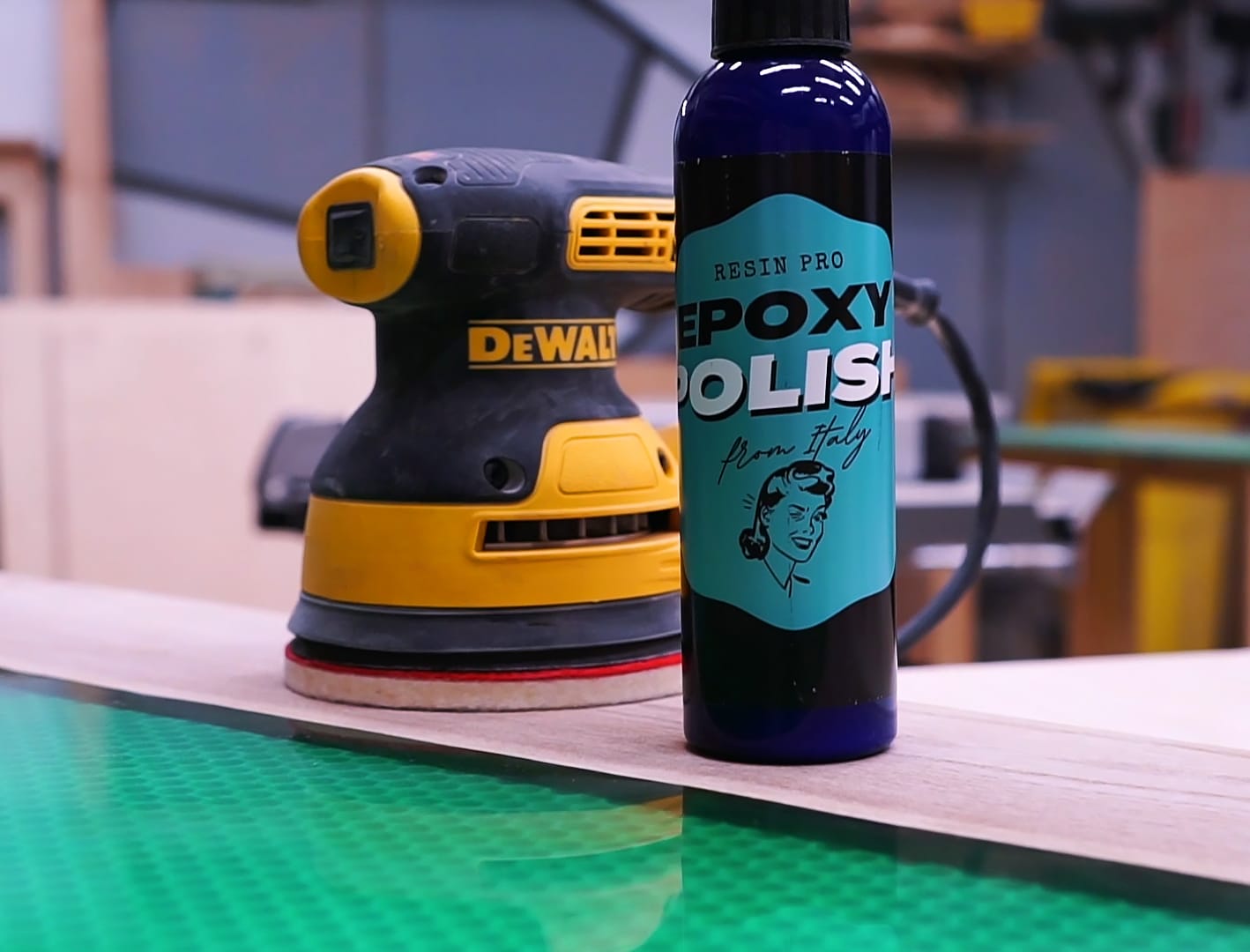
Step 4: Polish for a High-Gloss Finish
Polishing brings out the natural gloss and shine. Once the filled areas are level and fully cured, proceed with fine sanding (up to 3000 grit) over the whole tabletop. Wipe away all dust and apply a resin-specific polishing compound like “Epoxy Polish” – Epoxy Resin Polishing System. Use a rotary polisher or provided pad for even results, buffing until a deep, clear shine is achieved. Polish the entire surface, not only the repaired spots, for uniformity.

Tips, Mistakes to Avoid, and Troubleshooting
Avoid excess sanding which may damage colours or patterns. Work patiently and check your progress often. Always allow newly poured resin to fully cure before sanding or polishing, otherwise the surface may cloud or mark. In case of dust inclusions, wait until hard, sand back gently and repeat the polishing process. For best results, maintain a consistent technique and always use protective gloves to keep the surface free from fingerprints.
Gallery of Recovered Resin Surfaces
Take inspiration from completed restoration projects. Finished tabletops showcase how proper technique and product choice result in elegantly restored, high-gloss surfaces—tailored to both modern and classic interiors alike.

- "Epoxy Polish" – Epoxy Resin Polishing SystemPrice range: £18.95 through £47.45Epoxy Polish is designed for restoring gloss and removing scratches from resin surfaces in projects suited to the theme.
- "Trasparente" – Multipurpose Clear Epoxy Resin for Casting – Up to 2cmPrice range: £8.95 through £397.95"Trasparente" is a clear casting epoxy resin suited for detailed projects and tables up to 2cm thick, delivering a glossy, self-levelling finish.
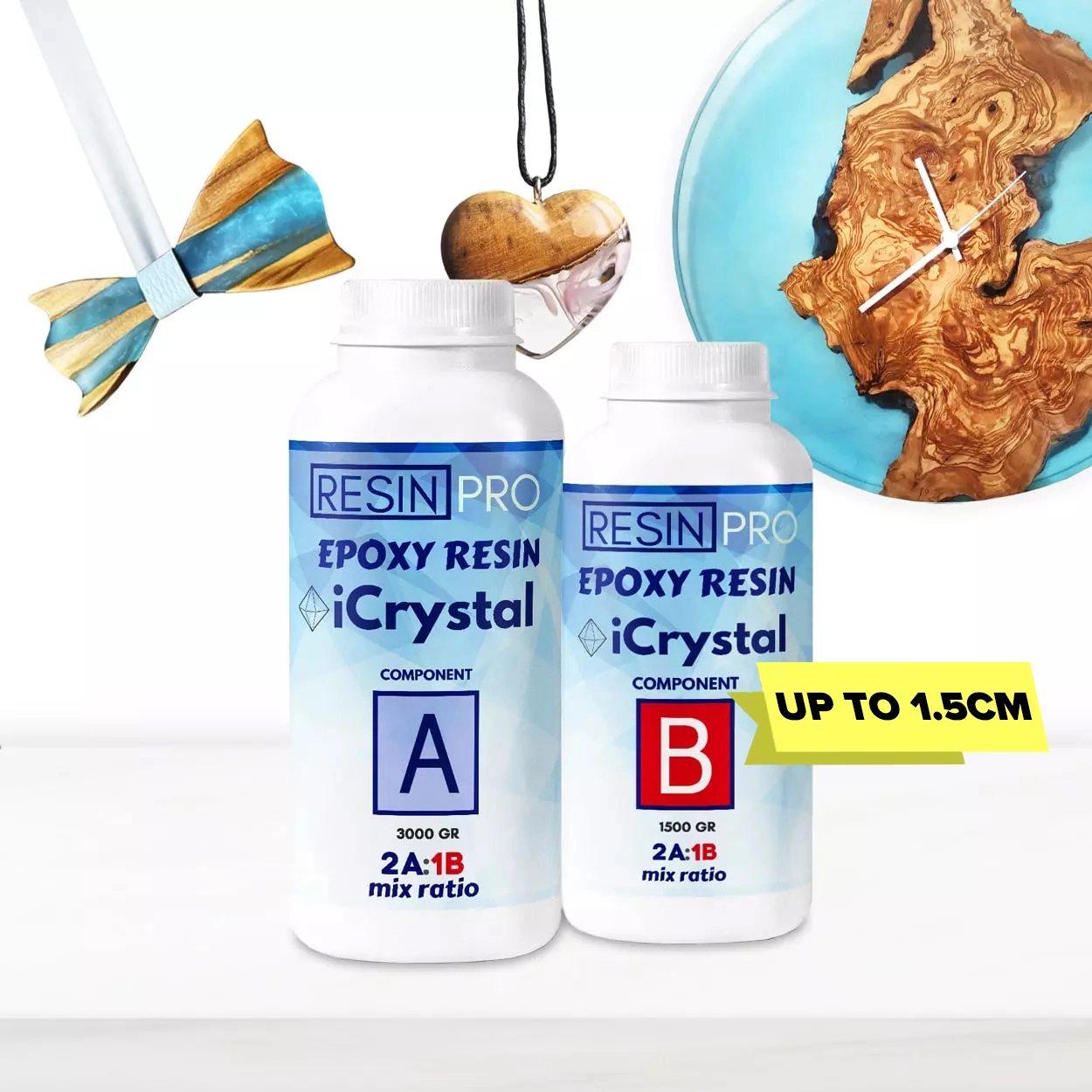 "Icrystal" – Clear Epoxy Resin – Odourless Formula – Up to 1.5cmPrice range: £12.45 through £341.45"Icrystal" is a transparent epoxy resin designed for high transparency and scratch resistance, suitable for tables and surface finishes.
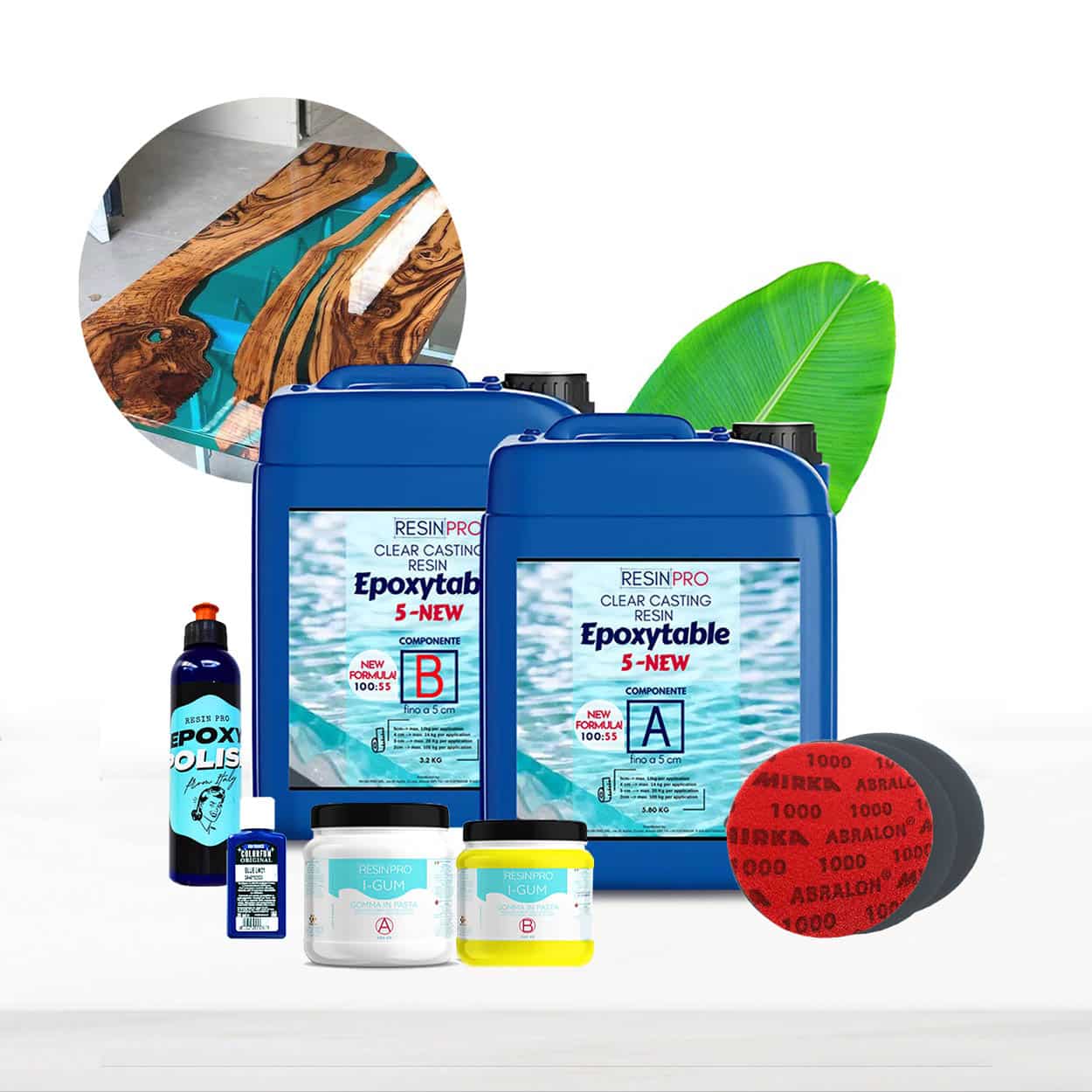 "River-Table" – Complete Kit for Creating Your First Epoxy Resin TablePrice range: £198.45 through £467.45"River-Table" Complete Kit provides materials and instructions suitable for creating a wood and resin table, fitting the theme 'How do you recover a…
Frequently Asked Questions
Can you repair deep scratches on resin tables?
Yes, deep scratches can be filled with a suitable clear epoxy resin and then polished level with the surrounding area.
How long should you wait before sanding or polishing newly applied resin?
Wait until the epoxy resin has fully cured, which may take 24 to 72 hours depending on the product and thickness.
What polish is suitable for enhancing gloss on a resin table?
A dedicated epoxy resin polishing system is best, as it removes micro scratches and creates a high-gloss finish.
Is sanding necessary when recovering a resin table?
Yes, sanding smooths imperfections and prepares the surface for repair and final polishing, resulting in optimal clarity.
Can you recover a resin table in one day?
Minor repairs can be finished in one day, but deeper fills requiring resin curing may extend the process.
Are special tools required for polishing a resin table?
For the best results, rotary polishers or pads designed for resin produce a superior finish compared to standard cloths.