 Free shipping on orders over £29,85
  Shipping Tracking!


 Google
 Facebook
How do you remove epoxy paint?
Step-by-step methods for safe, thorough epoxy paint removal
Removing epoxy paint can be a tough task – it is designed for durability and strong adhesion on surfaces like wood, metal, glass or tiles. Whether you are refreshing an old project, fixing mistakes or preparing a surface for refinishing, this guide details proven methods for safely and effectively removing epoxy paint at home or on site.
What You’ll Need
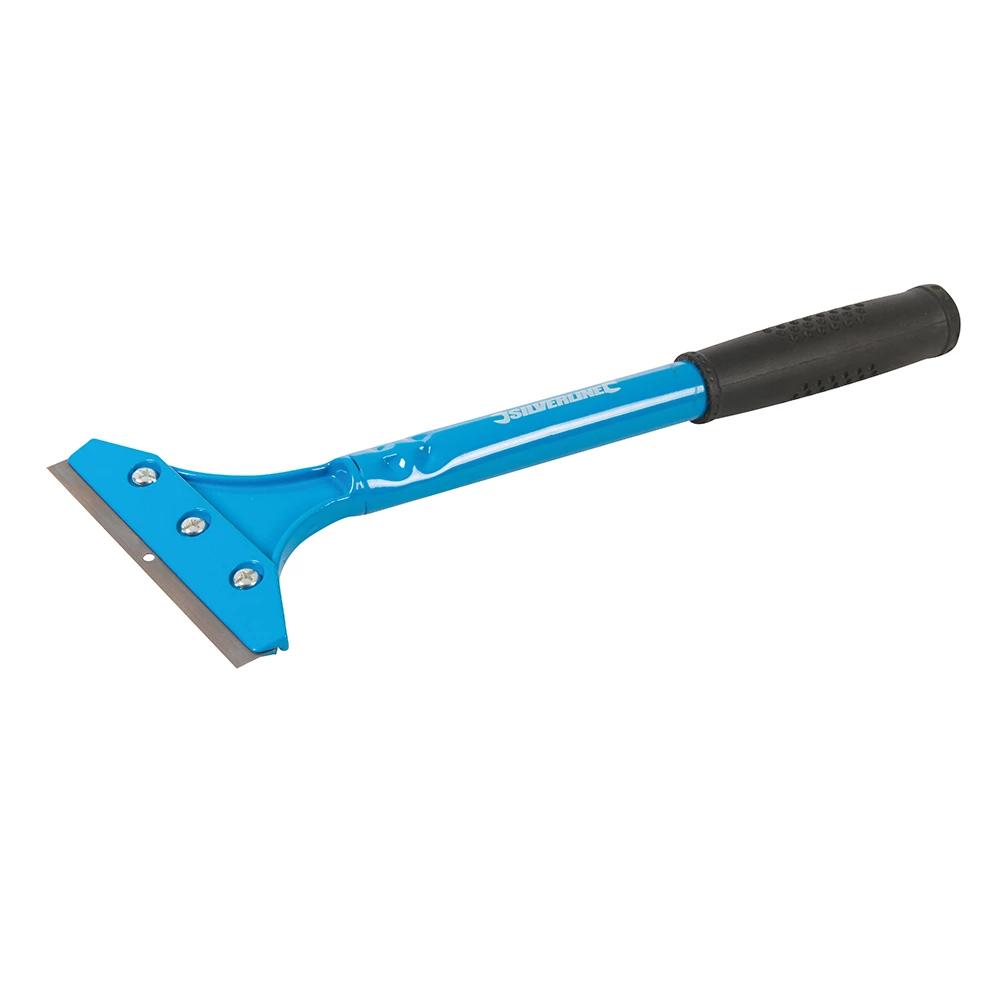
- Heavy Duty Scraper for Paint and Epoxy Resin Removal – A precision scraper ideal for hard coatings on various substrates
- Scraper for Paint & Dry Resin Removal – 10 Double-Sided Blades – For easy, quick blade changes on smooth surfaces
- Pure Isopropyl Alcohol 99.9% – 1000ml Bottle for Epoxy Resin Projects & DIY – For gentle softening of fresh or thin epoxy paint
- Strong Technical Degreaser for Resin Projects – 100% Natural Formula – For cleaning up residue and removing grease, adhesives or silicone
- Protective gloves and eye protection
- Clean rags, sponges, or non-abrasive pads
- Plastic covers for nearby areas
Choosing the Right Tool for the Surface
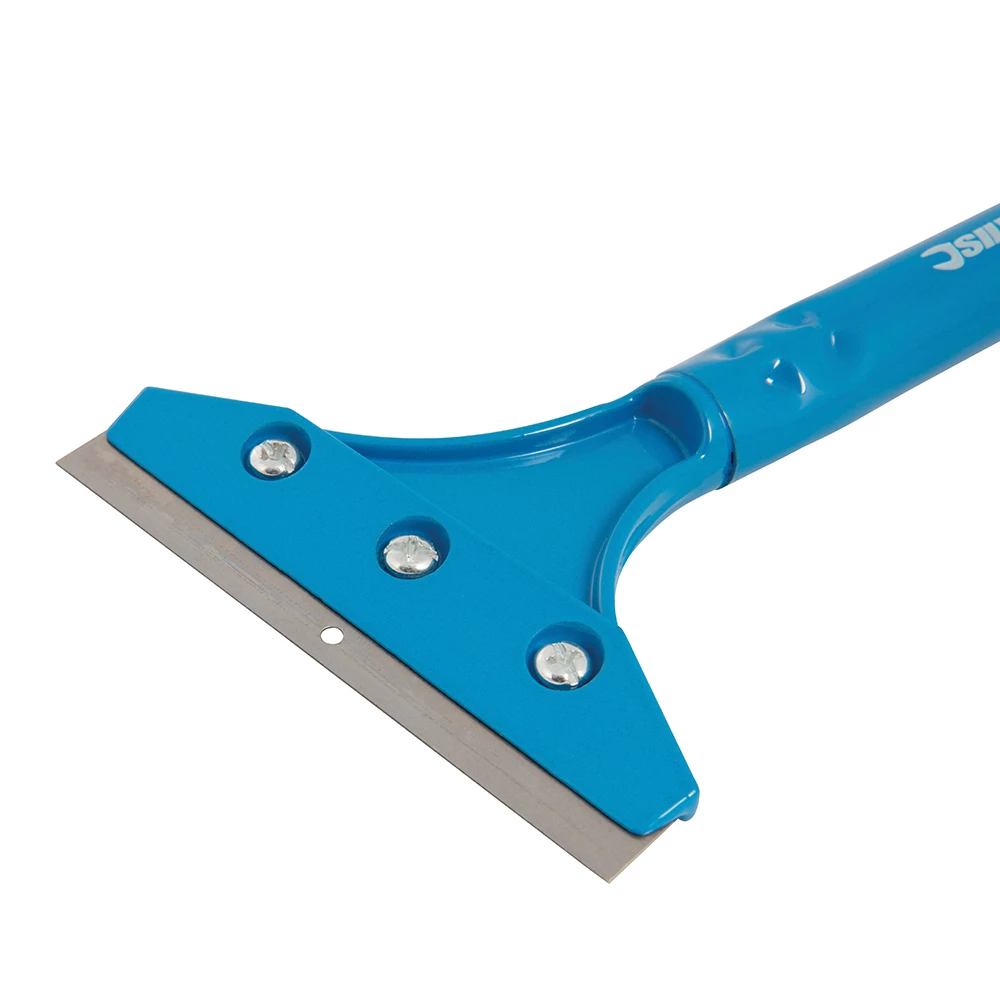
Different surfaces require different removal strategies. Delicate materials like glass or polished stone benefit from a dedicated paint and dry resin scraper with replaceable blades for precision. For wood or concrete, a heavy duty scraper enables more controlled scraping without risking breakage.

Step 1: Assess the Surface and Prepare the Area
Before attempting removal, carefully inspect the epoxy paint. Identify if it is thickly layered, fully cured, or present on a delicate or robust surface. Will manual scraping suffice, or is softening required? Cover adjacent surfaces with plastic to prevent accidental scratches or chemical splashes. Put on gloves and eye protection to maintain safety during the process. Always use personal protective equipment. Ventilate the area if working indoors to minimise exposure to dust or fumes.
Step 2: Loosen or Soften Epoxy Paint (If Needed)
If the epoxy paint layer is fresh, thin, or present in fine details, consider softening it before attempting removal. Moisten a clean cloth with a modest amount of Pure Isopropyl Alcohol 99.9% and apply it to the surface. This can help to gently break down uncured or semi-cured epoxy and make subsequent scraping easier. Avoid excessive liquid, especially on sensitive or porous surfaces. Test a small area first.
Step 3: Scrape Away the Epoxy Paint
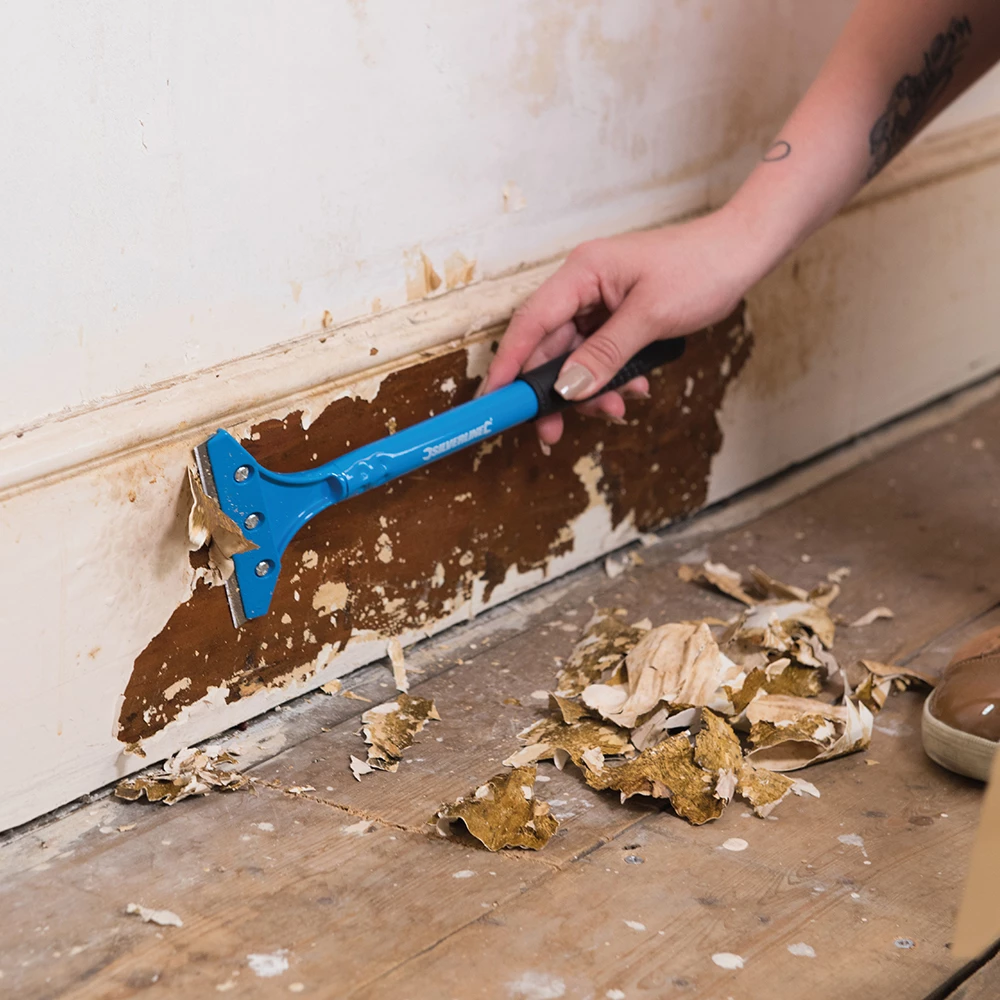
Once softened, use an appropriate scraper to begin lifting the epoxy paint. For general use or uneven surfaces, the Heavy Duty Scraper for Paint and Epoxy Resin Removal offers excellent leverage and precision. On glass or other smooth materials, the Scraper for Paint & Dry Resin Removal – 10 Double-Sided Blades enables swift and safe progress with replaceable blades that maintain sharpness.
Apply steady, even pressure and work in the direction of the grain (where relevant). Work patiently in thin layers. Avoid digging in or using excessive force, as this may damage the base material.
Be cautious when using blades. Dispose of used blades safely and keep tools out of reach of children.

Step 4: Clean and Finishing Touches
Once the bulk of epoxy paint is removed, residue may still cling to the surface. For a final clean, gently wipe with Strong Technical Degreaser for Resin Projects – 100% Natural Formula. This helps lift grime, adhesive traces and greasy deposits without aggressive chemicals. Alternatively, a final pass with a cloth dampened with Pure Isopropyl Alcohol 99.9% ensures a grease-free finish before painting or sealing.
Let the surface dry thoroughly before further work. Where stubborn spots persist, repeat the cycle of softening and scraping as required.

Tips and Common Mistakes When Removing Epoxy Paint
- Avoid aggressive abrasion. Power sanding or steel wool can gouge softer surfaces and is rarely necessary for epoxy removal with proper tools.
- Never mix chemical solutions. Stick to one cleaning agent at a time and thoroughly rinse between steps to prevent adverse reactions.
- Ventilate the area. Some solvents have strong odours – work with windows open or use fans for air exchange.
- Repeated small-scale removal is safest. Attempting to strip all at once can increase risk of accidental damage. Patience yields cleaner, safer results.
Should You Use Chemical Solvents?
Chemical solvents can help in certain cases but introduce risks. Opt for natural, mild options like a plant-based technical degreaser or isopropyl alcohol for safe finishing. Avoid harsh paint strippers unless absolutely necessary.
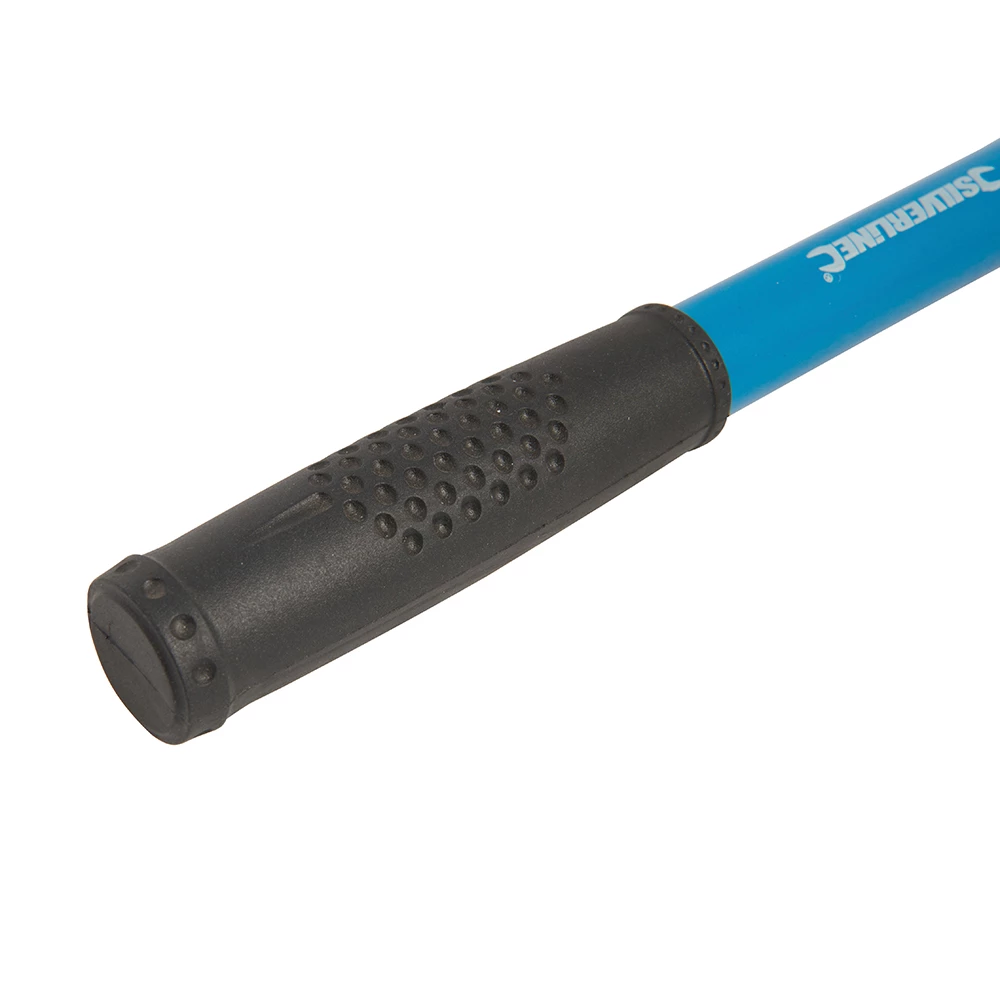
- Heavy Duty Scraper for Paint and Epoxy Resin Removal£8.95The Heavy Duty Scraper is designed for effective removal of paint and epoxy resin, suitable for home and professional use.
- Scraper for Paint & Dry Resin Removal – 10 Double-Sided Blades£4.95The Window Scraper is designed for removing paint and dry resin from windows and smooth surfaces.
 Pure Isopropyl Alcohol 99.9% – 1000ml Bottle for Epoxy Resin Projects & DIYPrice range: £10.45 through £20.95Pure Isopropyl Alcohol 99.9% is suitable for epoxy resin projects, used to remove bubbles and create visual effects consistent with the removal theme.
 Strong Technical Degreaser for Resin Projects – 100% Natural FormulaOriginal price was: £10.95.£9.45Current price is: £9.45.Strong Technical Degreaser offers a 100% natural formula suited for cleaning epoxy resin and various surfaces in a gentle and safe manner.
Frequently Asked Questions
Can you remove epoxy paint without damaging the surface?
Yes, by using scrapers with care and softening agents, you can often remove epoxy paint while keeping the underlying material intact.
Is isopropyl alcohol effective for epoxy paint?
Isopropyl alcohol can help soften fresh or thin epoxy paint, aiding in manual removal. It is less effective on thick, fully cured layers.
Do you need chemical strippers for epoxy?
Most home projects do not require harsh chemical strippers. Manual scraping and gentle solvents are usually sufficient for safe removal.
How do you prevent scratches while removing epoxy paint?
Work with sharp, suitable scrapers and avoid excessive force. Use replaceable blades on smooth surfaces to minimise scratching.
Can natural degreasers remove epoxy residue?
Yes, natural degreasers are effective for cleaning leftover epoxy, grease and adhesives after manual scraping of paint layers.
Is it safe to use scrapers on glass or tile?
Yes, with the correct tool and gentle technique, scrapers with sharp replaceable blades can safely remove epoxy paint from glass or tile.
Should you wear protection when removing epoxy paint?
Always wear gloves and eye protection when removing epoxy paint, especially when working with solvents or sharp blades.