 Free shipping on orders over £29,85
  Shipping Tracking!


 Google
 Facebook
How do you remove resin?
Learning how to remove resin is essential for anyone working with epoxy or other curing resins in DIY, crafts, or home projects. Whether you’re dealing with a spill on a countertop or hardened resin on tools, choosing the right approach ensures you maintain clean, damage-free surfaces and extend the life of your equipment.
Expert steps for safe and effective resin removal


What You’ll Need
- Scraper for Paint & Dry Resin Removal – 10 Double-Sided Blades: Effective for removing paint and dry resin from glass and other smooth areas.
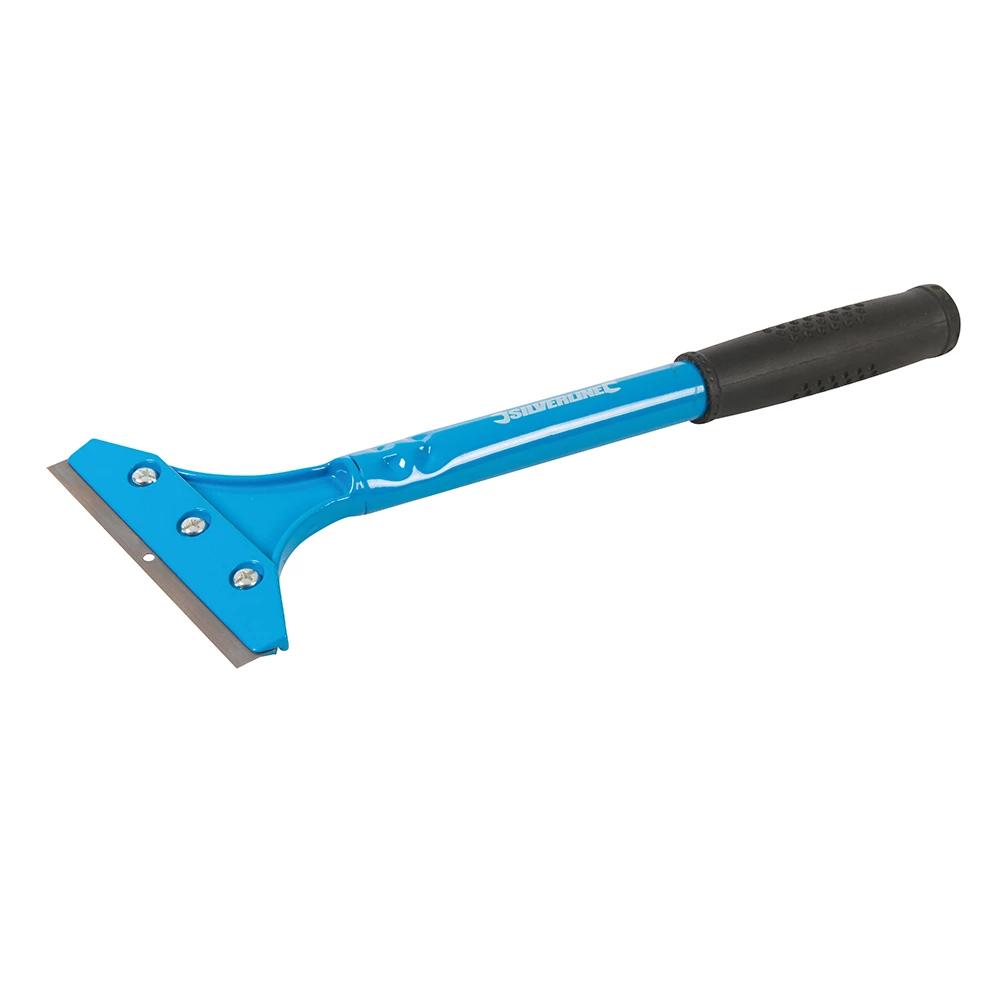
- Heavy Duty Scraper for Paint and Epoxy Resin Removal: Suitable for lifting stubborn resin from tiles or hard flat surfaces.
- Pure Isopropyl Alcohol 99.9% – 1000ml Bottle for Epoxy Resin Projects & DIY: Useful for cleaning uncured or slightly tacky resin and for pre-cleaning steps.
- Strong Technical Degreaser for Resin Projects – 100% Natural Formula: For safe, natural cleaning of residue from worktops and sensitive surfaces.

Essential Tools and Safety for Resin Removal
Proper personal protective equipment is key when removing resin. Equip yourself with gloves and safety glasses, and keep the work area ventilated if alcohols or degreasers are used. Proceed methodically—combine mechanical removal with gentle cleaning agents for best results.

Step 1: Assess the Resin Type and Surface
Identify whether the resin is cured (fully hardened) or uncured (sticky or recently applied), as the removal method will depend on this. Next, examine the type of surface affected—smooth, porous, delicate, or robust—as this influences the tool or product to use. Always wear gloves and, where needed, eye protection to avoid irritation or accidental contact with chemicals.
Step 2: Remove Uncured or Sticky Resin
Uncured resin is generally much easier to remove than cured. Quickly blot up excess resin using disposable paper towels. Avoid spreading the spill further. Once most of the resin is absorbed, dampen a clean cloth with isopropyl alcohol (such as Pure Isopropyl Alcohol 99.9%) and gently wipe the affected area. Always ensure the space is well-ventilated and keep alcohol away from open flames.
Step 3: Tackle Cured Resin with Care
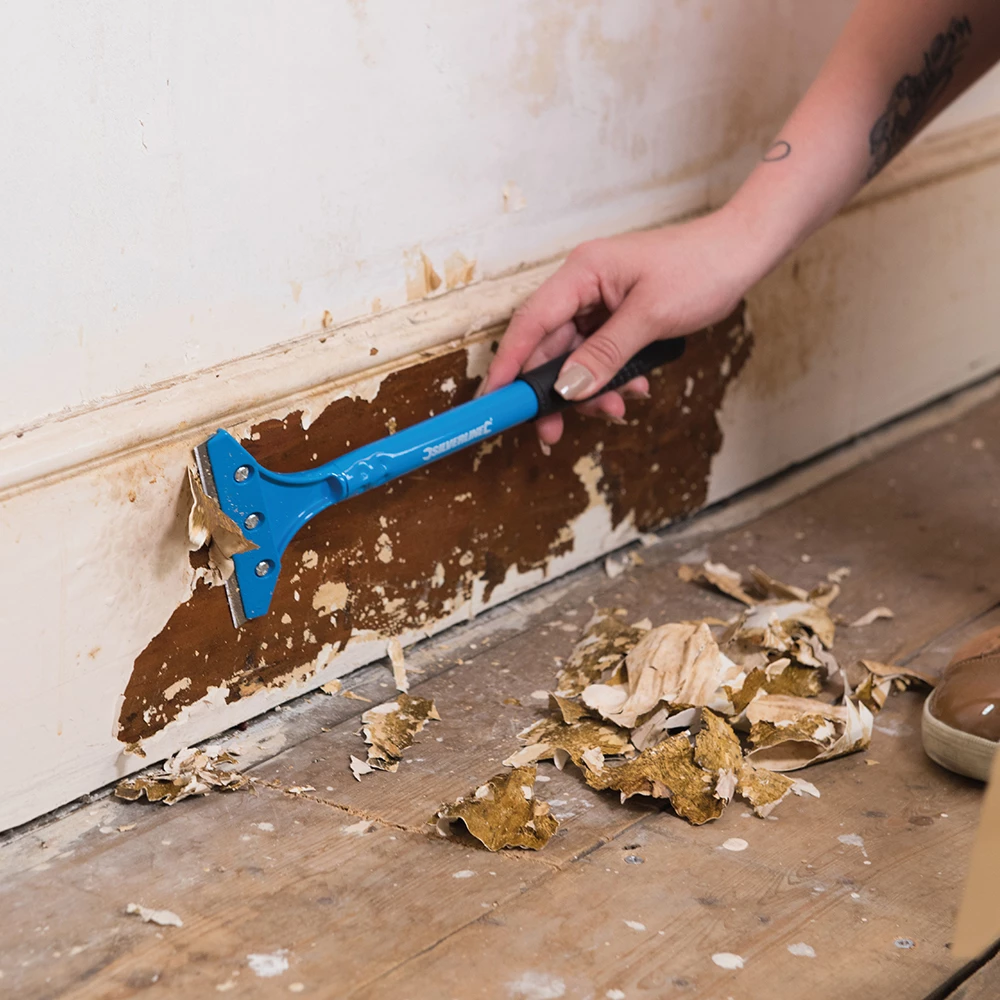
For fully dried resin, mechanical removal is often required. On sturdy, flat surfaces such as glass or metal, use a Scraper for Paint & Dry Resin Removal to gradually lift the material. Hold the blade flat to the surface and gently push, maintaining control to avoid scratching. For larger or more resilient patches, a Heavy Duty Scraper for Paint and Epoxy Resin Removal provides secure grip and additional leverage. Take extra care with delicate substrates to avoid accidental damage.
Step 4: Clean Up Residue and Restore the Surface
Once the bulk of the resin is gone, residual smear or fine film can remain. Use a cloth moistened with a gentle degreaser such as Strong Technical Degreaser for Resin Projects – 100% Natural Formula to lift any leftover marks. This also helps remove grease, adhesive, and minor contaminants without harming sensitive finishes. Follow up by rinsing or wiping with plain water depending on surface compatibility. Allow the area to fully dry before reusing or recoating.
Tips and Common Mistakes in Resin Removal
- Wear suitable protective gear for all removal steps—gloves, safety glasses, and masks where fumes are present.
- Always test your chosen removal method on a small hidden area first, especially with strong cleaners or scrapers.
- Avoid using abrasive tools on delicate or easily scratched surfaces like polished wood, painted finishes, or plastics.
- Dispose of saturated wipes and scrapings according to local waste regulations, not regular household rubbish.
- Patience is key; repeated gentle attempts work better than excessive force.
- For textured or porous surfaces, removal may require more specialist solutions—avoid scraping harshly, which can cause permanent marks.
Advice for Safe and Spotless Results
Take your time and choose appropriate removal techniques for each surface. When in doubt, begin with the mildest cleaning method and progress gradually. If you encounter a particularly stubborn area, alternate between scraping and cleaning rather than increasing force or using unknown chemicals.

- Scraper for Paint & Dry Resin Removal – 10 Double-Sided Blades£4.65The Scraper for Paint & Dry Resin Removal is suitable for professional and DIY use with an easy tool-free blade change system.
- Heavy Duty Scraper for Paint and Epoxy Resin Removal£8.35The Heavy Duty Scraper is designed for removal of wall coverings, floor tiles, and paint with a razor-sharp blade and easy-grip steel shaft.
 Pure Isopropyl Alcohol 99.9% – 1000ml Bottle for Epoxy Resin Projects & DIYPrice range: £9.85 through £19.85Pure Isopropyl Alcohol 99.9%, suitable for epoxy resin projects, removes surface bubbles and supports resin art effects.
 Strong Technical Degreaser for Resin Projects – 100% Natural FormulaOriginal price was: £10.00.£8.85Current price is: £8.85.Strong Technical Degreaser is a gentle, natural cleaning solution designed for use on various surfaces in resin projects.
Frequently Asked Questions
How do I remove resin from glass, metal or tiles?
Start with a suitable scraper to gently lift cured resin, then finish with a degreaser or isopropyl alcohol to remove remaining residue.
How should I clean uncured or wet resin spills?
Quickly blot the spill and use isopropyl alcohol on a cloth to wipe away remaining resin before it hardens.
When should I use isopropyl alcohol for cleaning?
It's best for removing fresh, uncured resin, and for cleaning tools or surfaces prior to resin application or after gentle scraping.
What is the safest method for delicate surfaces?
Always test cleaners on a hidden area first and use a gentle degreaser or soft cloth to avoid scratches or discolouration.
What's the best way to clean resin from tools?
Clean tools immediately with isopropyl alcohol or degreaser before resin cures for the easiest removal.
How do I dispose of resin waste safely?
Follow local guidelines for chemical or hazardous waste. Avoid pouring resin-contaminated liquids down the drain.