 Free shipping on orders over £29,85
  Shipping Tracking!


 Google
 Facebook
How do you remove tire marks from resin flooring?
Proven steps to restore resin floors to a flawless finish


Tyre marks can be a persistent eyesore on resin flooring, whether in garages, workshops or commercial spaces. This guide outlines a safe and efficient process to remove black rubber streaks from your resin surfaces, preserving their gloss and ensuring long-term durability. Learn effective cleaning, minimal abrasion, and polishing methods to refresh your floors without causing damage.

What You’ll Need
- Strong Technical Degreaser for Resin Projects – 100% Natural Formula: A natural cleaner for routine and deep cleans.
- Pure Isopropyl Alcohol 99.9% – 1000ml Bottle for Epoxy Resin Projects & DIY: For stubborn marks, use with care.
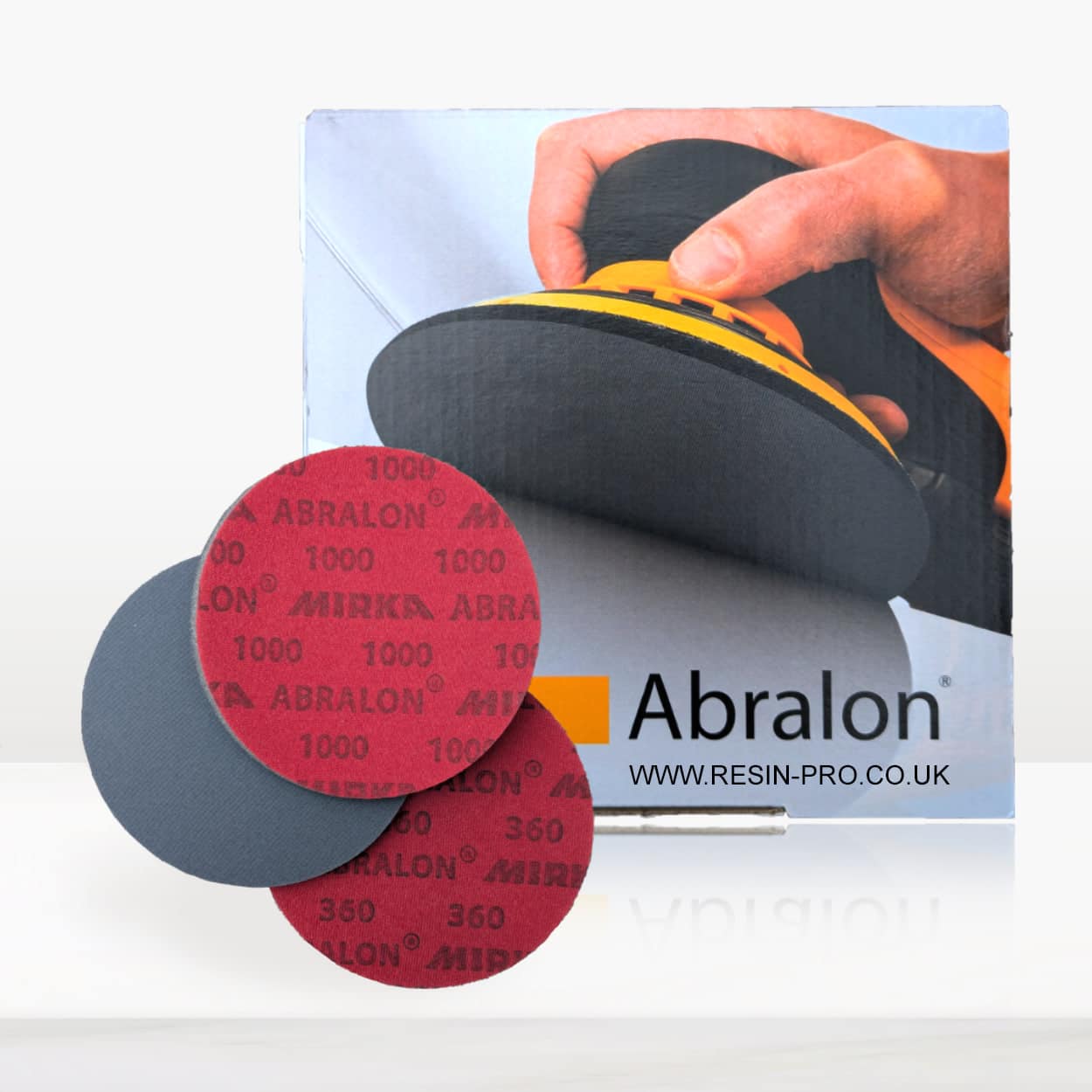
- “Ebonite Abralon” – Sanding Pads 360-4000 Grit for Resin and Wood: For light abrasion if cleaning alone is not sufficient.
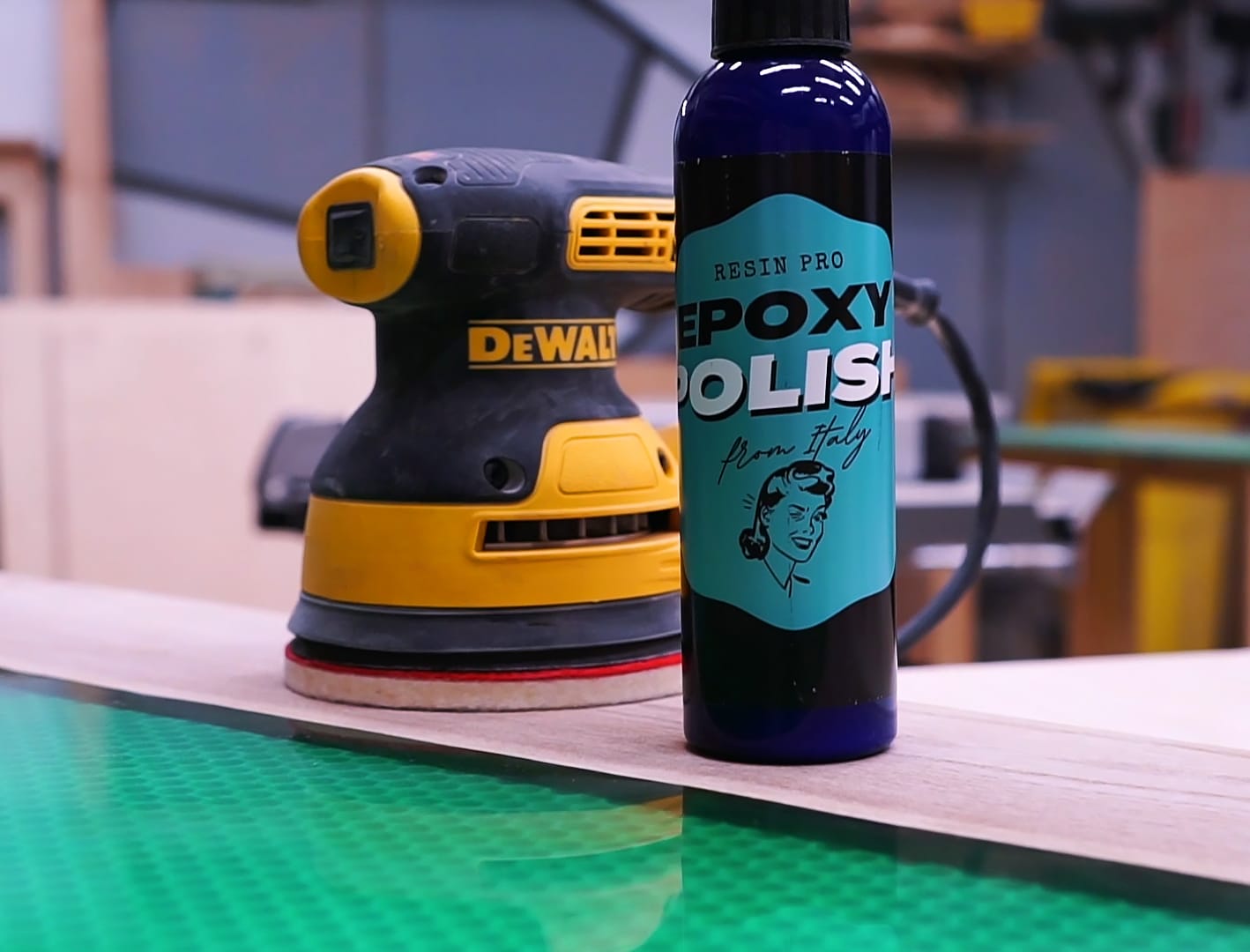
- “Epoxy Polish” – Epoxy Resin Polishing System: Restores gloss and removes fine blemishes.
- Microfibre cloths, soft sponges, mop bucket, warm water, personal protective equipment (gloves, mask if sanding).

Visual Guide: Tyre Mark Removal in Action
See before-and-after shots of resin floors affected by tyre marks, focusing on each stage—from cleaning to polishing with specialist products. Watch as dull, streaked surfaces regain their clarity and shine using natural degreasers, isopropyl alcohol, and gentle sanding techniques.
Step 1: Start with a Gentle Surface Clean
Begin by sweeping or vacuuming the resin floor to eliminate loose debris and dust. Next, mix a mild cleaning solution using warm water and, if desired, a gentle neutral cleaner (avoid harsh chemicals that may react with resin). Mop the surface thoroughly to remove general dirt, which prevents grit from scratching the floor during further cleaning.
Always test cleaning solutions on a small, inconspicuous area first to verify they don’t dull or etch the resin. Basic cleaning may already lessen tyre marks, especially if they are fresh.


Step 2: Use a Natural Degreaser
If black streaks persist, it’s time for targeted cleaning. Apply the Strong Technical Degreaser for Resin Projects – 100% Natural Formula directly to the marks. Allow it to sit briefly, then use a microfibre cloth or soft sponge to gently rub the affected area.
Use circular, gentle motions to avoid damaging the resin. Rinse the area with clean water and dry with a soft towel to check progress. Repeat if necessary, but do not scrub aggressively.
Step 3: Apply Isopropyl Alcohol for Stubborn Marks
For tyre marks that resist degreasing, lightly dampen a clean cloth with Pure Isopropyl Alcohol 99.9%. Gently rub the mark, never saturating the floor or letting alcohol pool, as excess can affect the resin’s surface.
Work slowly, always ventilate the area, and only use the minimal amount needed. Wipe with a damp cloth afterwards to remove any alcohol residue.
Step 4: Sand and Polish If Necessary
If cleaning does not fully remove the tyre marks, minimal abrasion may help. Select a fine grit from the “Ebonite Abralon” – Sanding Pads 360-4000 Grit (start with 2000 or finer), and lightly buff the mark using wet sanding techniques to avoid heat build-up.
Finish by applying “Epoxy Polish” – Epoxy Resin Polishing System to restore gloss to the affected area. Polish according to instructions, using a soft pad or microfibre for best shine. Avoid using steel wool or harsh abrasives, which may permanently damage the resin.
Final Considerations and Mistake Prevention
Resin flooring is durable but sensitive to aggressive chemicals and rough handling. Allow the floor to fully dry before applying further treatments or returning to service. For best ongoing care, regularly clean with gentle products and avoid dragging tyres while stationary.
Take preventative steps such as using floor mats in high-traffic or parking areas. Periodic spot cleaning and timely removal keep your resin floor pristine for longer.
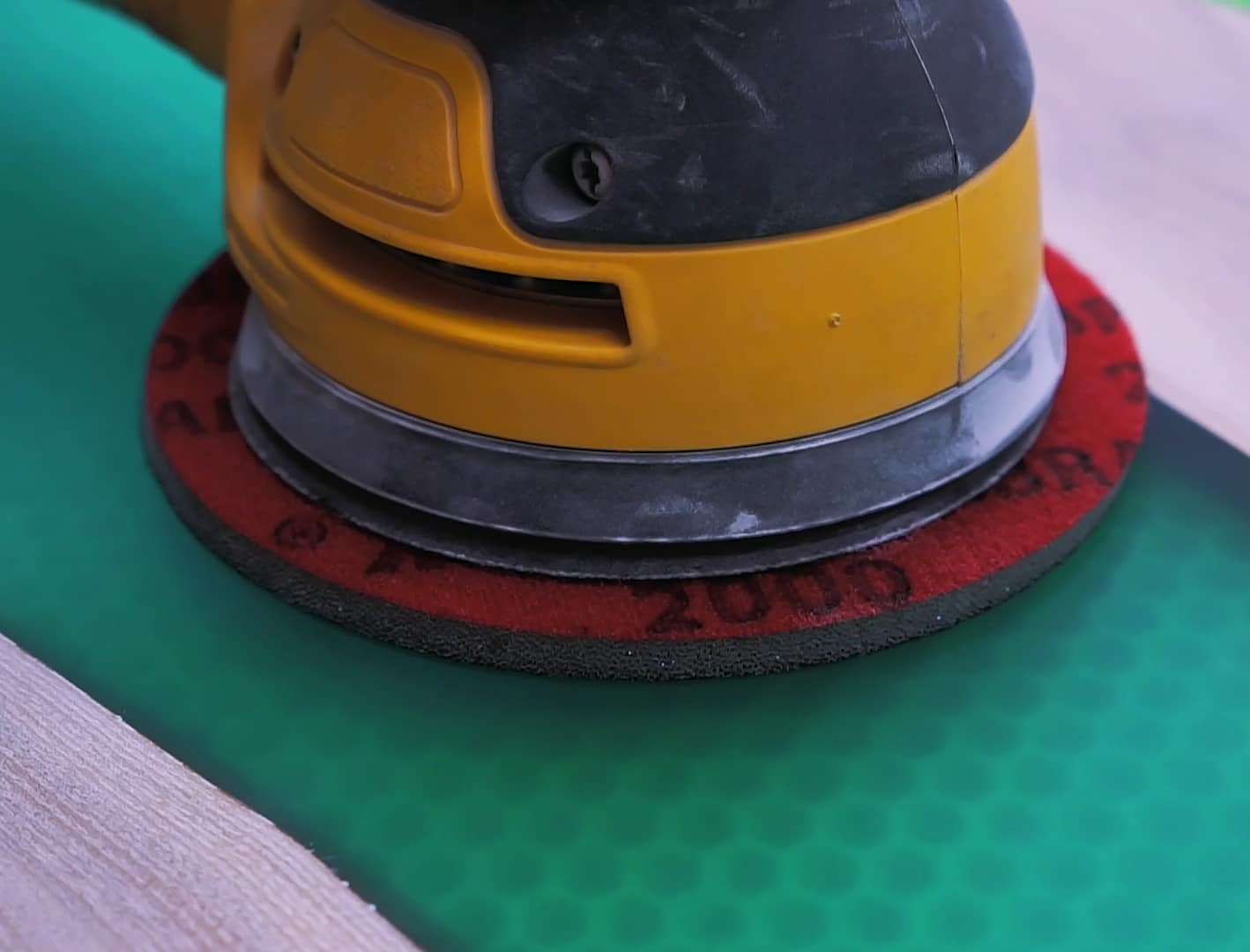
Close-Ups: Avoiding Damage During Cleaning
Examine up-close examples of properly treated resin floors. Notice how careful cleaning, minimal abrasion, and the right polishing tools restore gloss without introducing scratches or haze. Explore recommended cleaning solutions and polishing systems for resin flooring.

- Strong Technical Degreaser for Resin Projects – 100% Natural FormulaOriginal price was: £10.95.£9.45Current price is: £9.45.Strong Technical Degreaser is a natural, gentle cleaner suitable for epoxy resin projects and multiple surfaces in a resin flooring context.
- Pure Isopropyl Alcohol 99.9% – 1000ml Bottle for Epoxy Resin Projects & DIYPrice range: £10.45 through £20.95Pure Isopropyl Alcohol 99.9% is suitable for epoxy resin projects and helps remove air bubbles and create effects.
- "Epoxy Polish" – Epoxy Resin Polishing SystemPrice range: £18.95 through £47.45"Epoxy Polish" provides a polishing solution designed to restore a glossy finish on resin surfaces, aligning with the theme of removing tyre marks…
- "Ebonite Abralon" – Sanding Pads 360-4000 Grit for Resin and Wood£4.15Ebonite Abralon Sanding Pads suit polishing resin and wood surfaces, offering versatile grit options for precise finishing.
Frequently Asked Questions
Can I use bleach or strong chemicals to remove tyre marks?
It is not recommended, as harsh chemicals like bleach can damage resin flooring and cause discolouration.
Can I use a scrubbing brush to remove tyre marks from resin floors?
A very soft brush is acceptable, but avoid stiff or wire brushes which may scratch or dull the resin.
What if tyre marks remain after polishing?
Try a finer sanding pad for gentle abrasion, followed by another polish to fully restore the surface.
Will tyre marks leave permanent stains on resin flooring?
Most tyre marks can be removed with correct cleaning and polishing; permanent staining is uncommon with prompt treatment.
How can I prevent tyre marks from forming on resin floors?
Use mats in parking areas and avoid spinning tyres while stationary to limit marks and maintain your floor’s appearance.