 Free shipping on orders over £29,85
  Shipping Tracking!


 Google
 Facebook
How do you resin a wooden boat?
A practical step-by-step guide to sealing and reinforcing wood hulls.


Resining a wooden boat is a crucial maintenance task that enhances the vessel’s durability and waterproofs the wood, protecting against rot, leaks, and the harsh marine environment. This guide explains how to properly apply resin to your wooden boat—from surface preparation to finishing touches—ensuring your craft remains seaworthy for years to come.

What You’ll Need
- “EpoxyWood” – Wood Restoration Epoxy Resin for Deep Penetration and Waterproofing: For deep penetration and reliable marine-grade waterproofing of wood.
- “Trasparente” – Multipurpose Clear Epoxy Resin for Casting – Up to 2cm: For clear, aesthetic coatings on wooden surfaces or structural details.
- “EpoxyTable 5-Five” – Deep Pour Epoxy Resin for Tables and Large Projects – Up to 5cm: For building up thicker protective layers where required.
- Protective gloves, sandpaper (80–120 grit), lint-free cloth, mixing containers and sticks, and a suitable brush or roller.
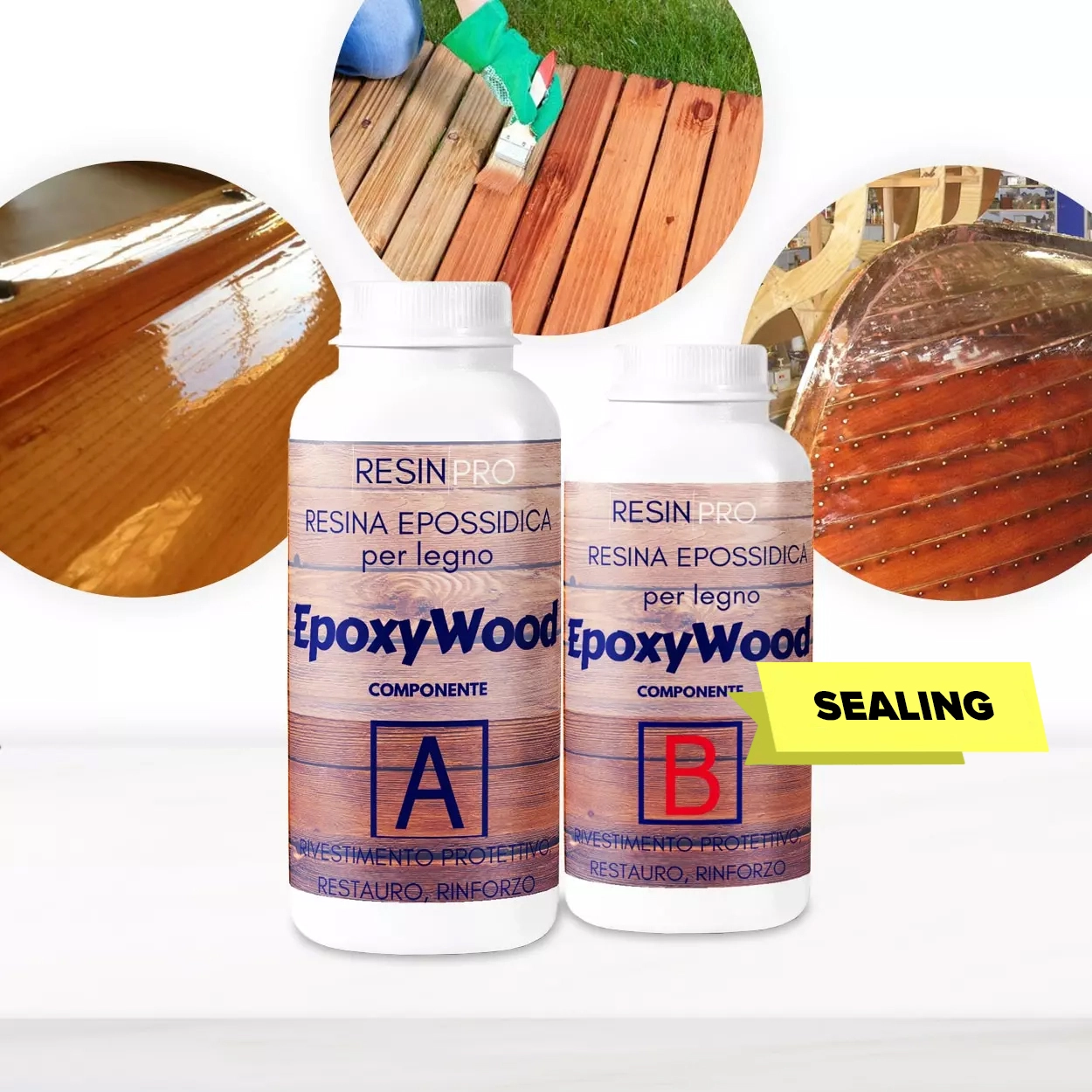
Visual Guide: Wooden Boat Surface Preparation and Epoxy Application
See the stages of preparing original wooden boat planking, including sanding and dust removal, alongside the application of penetrating epoxy resin to achieve a fully waterproof surface. Proper wood prep and careful resin layup are the foundation of watertight marine results.
Step 1: Prepare and Clean the Wooden Surface
Begin by thoroughly cleaning the boat’s hull and all woodwork to remove dirt, grease, and debris. Old paint, varnish, or prior resin layers should be stripped off for maximum adhesion. Sand the surface evenly with medium-grit sandpaper (80–120 grit) to open the wood grain and create a smooth profile. Be meticulous—resin bonds best to sound, dry wood with no contaminants or moisture present.
Wipe down the sanded areas with a lint-free cloth to remove all dust. Allow all surfaces to dry completely before progressing. Rushing this step or overlooking hidden dampness is a common cause of poor adhesion and can trap moisture within the hull.

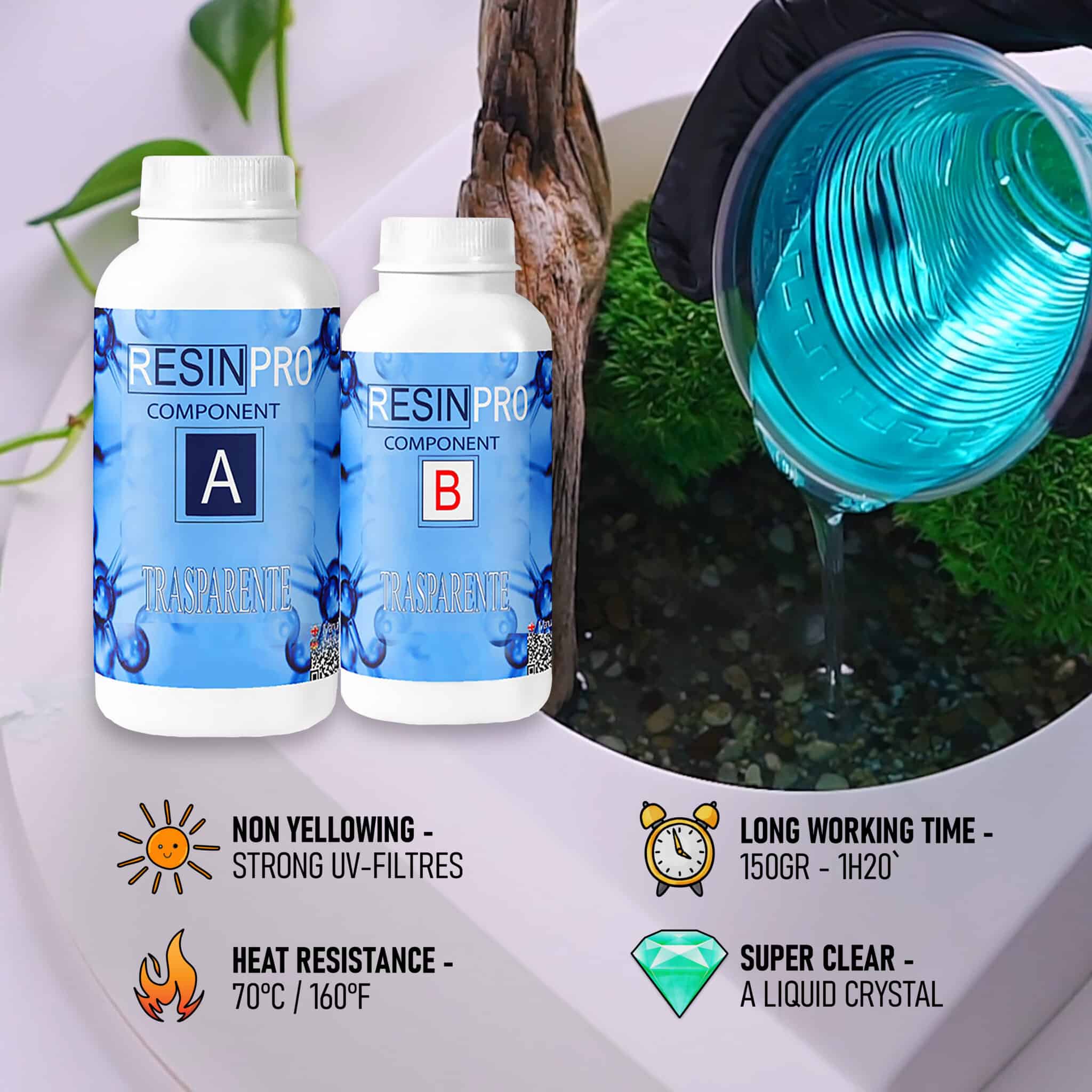
Step 2: Mix and Apply Penetrating Epoxy Resin
Once the surface is prepped, select a suitable wood-penetrating epoxy. An ultra-low viscosity resin, such as “EpoxyWood” – Wood Restoration Epoxy Resin for Deep Penetration and Waterproofing, is formulated to deeply infiltrate wood fibres, reinforcing and fully waterproofing the timber. Prepare the resin by mixing according to the manufacturer’s ratios, ensuring a uniform consistency and thorough blending.
Apply the resin onto the wood with a brush or roller, working methodically along the grain. Work in small sections to maintain a wet edge and ensure even penetration. Multiple thin coats yield better results than a single thick one. Allow each coat to soak and cure as instructed before applying subsequent layers, which maximises water resistance and structural reinforcement.
Step 3: Build Up Protective Layers and Achieve a Clean Finish
After the initial penetrating coats, consider applying a clear epoxy overcoat for enhanced UV resistance and a decorative finish. Products such as “Trasparente” – Multipurpose Clear Epoxy Resin for Casting – Up to 2cm are ideal for a glossy, protective layer, particularly on visible woodwork or trim. Apply the clear coat carefully to avoid bubbles and ensure an even, self-levelling surface.
For parts needing substantial build-up—such as structural details, transoms, or deep-set fixtures—use a deep pour resin like “EpoxyTable 5-Five” – Deep Pour Epoxy Resin for Tables and Large Projects – Up to 5cm. Pour in layers if necessary, waiting for intermediate cure times to prevent excessive heat build-up or surface imperfections.


Step 4: Inspect, Sand, and Finish the Surface
Once all resin applications have fully cured, closely inspect the hull for any drips, sags, or uneven areas. Lightly sand any imperfections, using finer-grit sandpaper for a smooth result. Remove sanding dust with a clean cloth.
If you intend to paint or varnish the resined surfaces, ensure the final epoxy layer is fully cured and abraded to allow proper key for subsequent coatings. Take your time with finishing—the end result should be a watertight, aesthetically pleasing surface ready for marine use.
Tips and Common Mistakes When Resining Wooden Boats
Work in controlled temperatures—around 18–25°C is ideal—to ensure the resin cures correctly and doesn’t trap moisture. Avoid applying epoxy in direct sunlight or high humidity, as this can cause surface blush or improper setting.
Always follow the recommended mix ratios and curing times for each product to prevent incomplete hardening. Skipping surface preparation or applying resin to damp wood are the leading causes of poor adhesion and future water ingress. Take safety precautions: wear gloves and ensure good ventilation throughout the process to avoid skin contact and fumes.
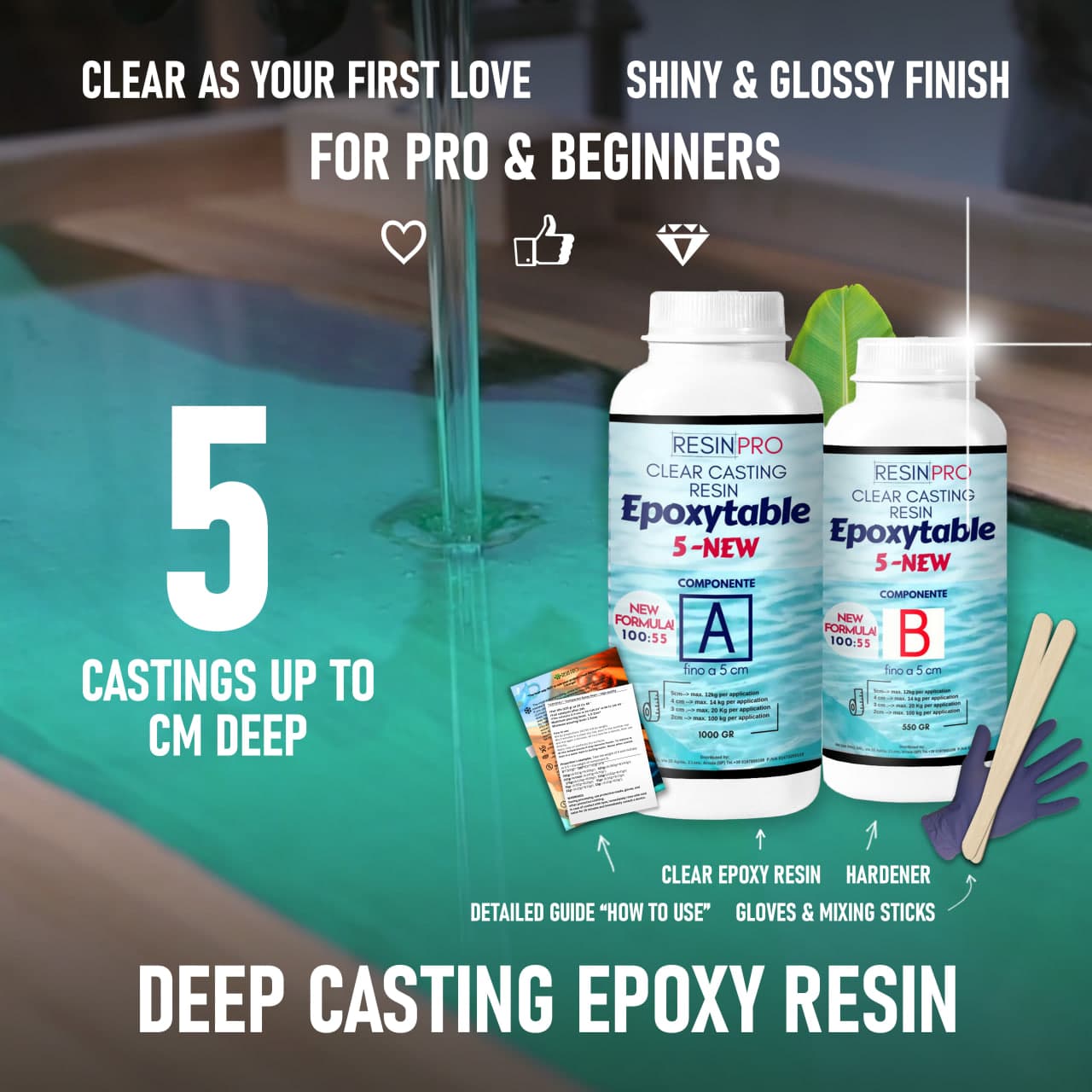
Before and After: The Impact of Epoxy Resin on Wooden Boats
Contrast untreated wood prone to moisture and rot with resined surfaces displaying a reinforced, warm wood grain effect. Notice how EpoxyWood strengthens and seals for extended lifespan and better aesthetics.
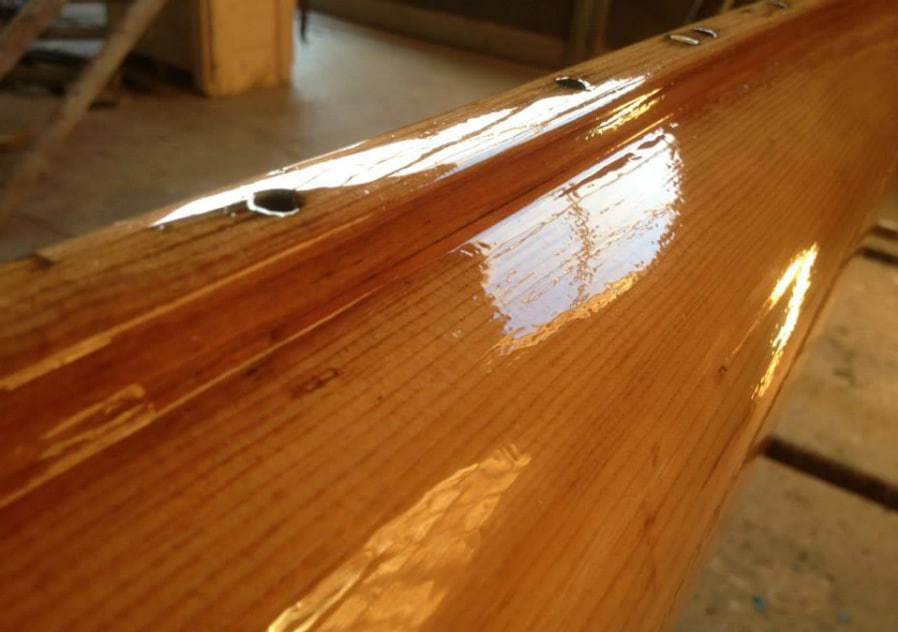
- "EpoxyWood" – Wood Restoration Epoxy Resin for Deep Penetration and WaterproofingPrice range: £27.95 through £41.95"EpoxyWood" resin is designed for deep penetration and waterproofing of wooden surfaces, suitable for boat hull restoration.
- "EpoxyWood" – Wood Restoration Epoxy Resin for Deep Penetration and WaterproofingPrice range: £27.95 through £41.95"EpoxyWood" is designed for wood restoration, with deep penetration and waterproofing suited to marine and craft projects.
- "Trasparente" – Multipurpose Clear Epoxy Resin for Casting – Up to 2cmPrice range: £8.95 through £397.95"Trasparente" offers a self-levelling clear finish with up to 2cm layer thickness for woodworking and craft projects.
- "EpoxyTable 5-Five" – Deep Pour Epoxy Resin for Tables and Large Projects – Up to 5cmPrice range: £17.95 through £1,154.95"EpoxyTable 5-Five" is a deep pour epoxy resin designed for tables and large projects with a low exothermic reaction and UV protection.
Frequently Asked Questions
Can you use epoxy resin on old boat hulls?
Yes, epoxy resin is ideal for restoring and waterproofing aged wooden hulls as long as the wood is properly dried and prepped.
How many coats of epoxy should be applied to a wooden boat?
Typically, two to three coats of epoxy resin are recommended to achieve full penetration and a waterproof seal.
Can I paint or varnish over epoxy resin?
Yes, once the epoxy is fully cured and lightly sanded, you can apply paint or varnish for your desired finish.
Do I need to seal wood before applying epoxy resin to boats?
A dedicated penetrating epoxy acts as both a sealer and waterproofing agent. No separate sealer is usually required.
How long does epoxy resin protection last on a wooden boat?
With correct application, marine epoxy coatings can last many years, especially with regular maintenance and mild abrasion.
Should I sand between coats when applying epoxy to a wooden boat?
Light sanding between coats ensures a smooth surface and helps additional layers adhere properly.