 Free shipping on orders over £29,85
  Shipping Tracking!


 Google
 Facebook
How do you stop resin leaks?
Avoid resin leaks with expert preparation, sealing, and smart application.
Preventing resin leaks is essential for achieving professional-quality results in river tables, resin art, and woodwork restoration projects. This guide shows you how to avoid messy spills, wasted material, and structural weakness by preparing, sealing, and applying resin correctly—whether working with forms, art moulds, or timber repair jobs.
What You’ll Need
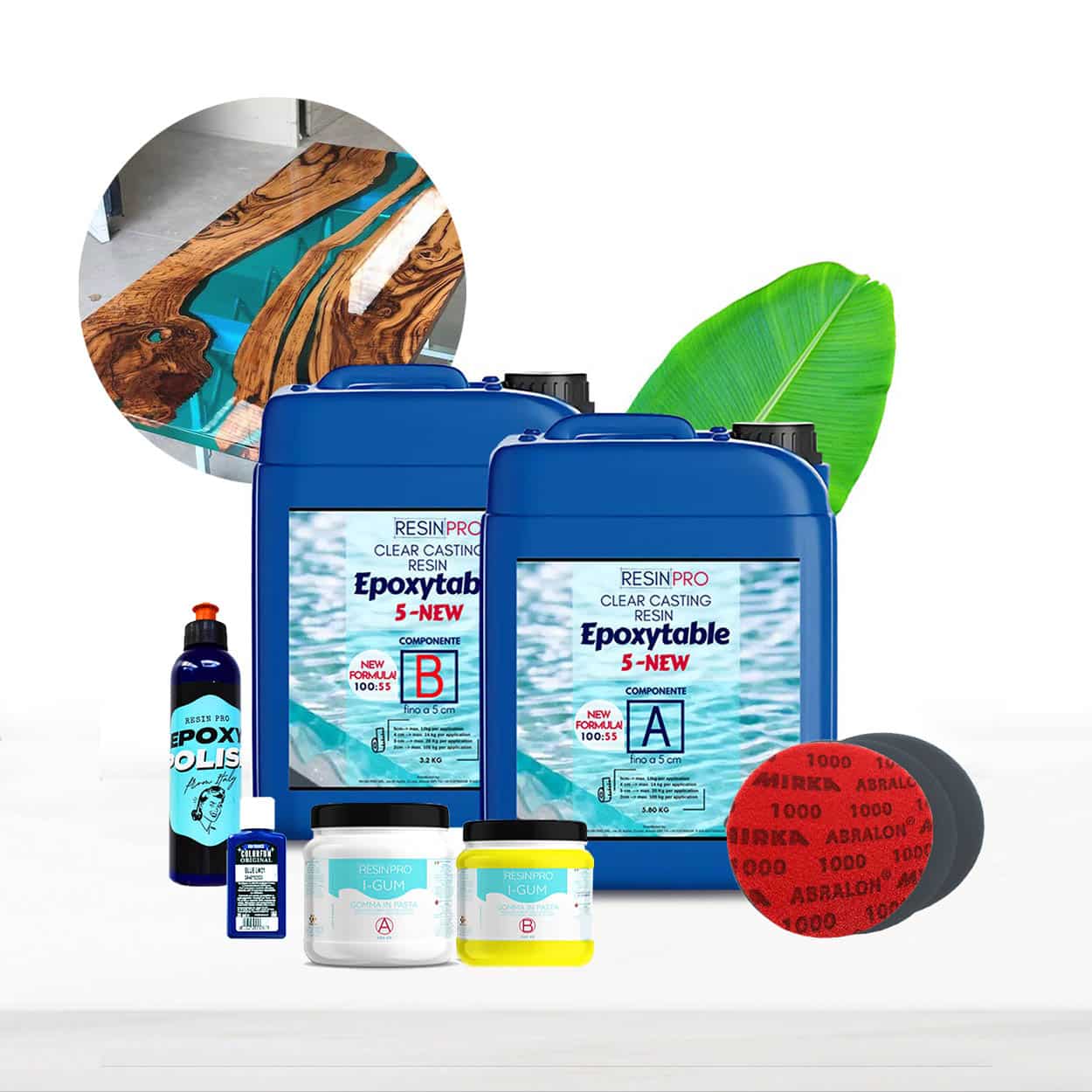
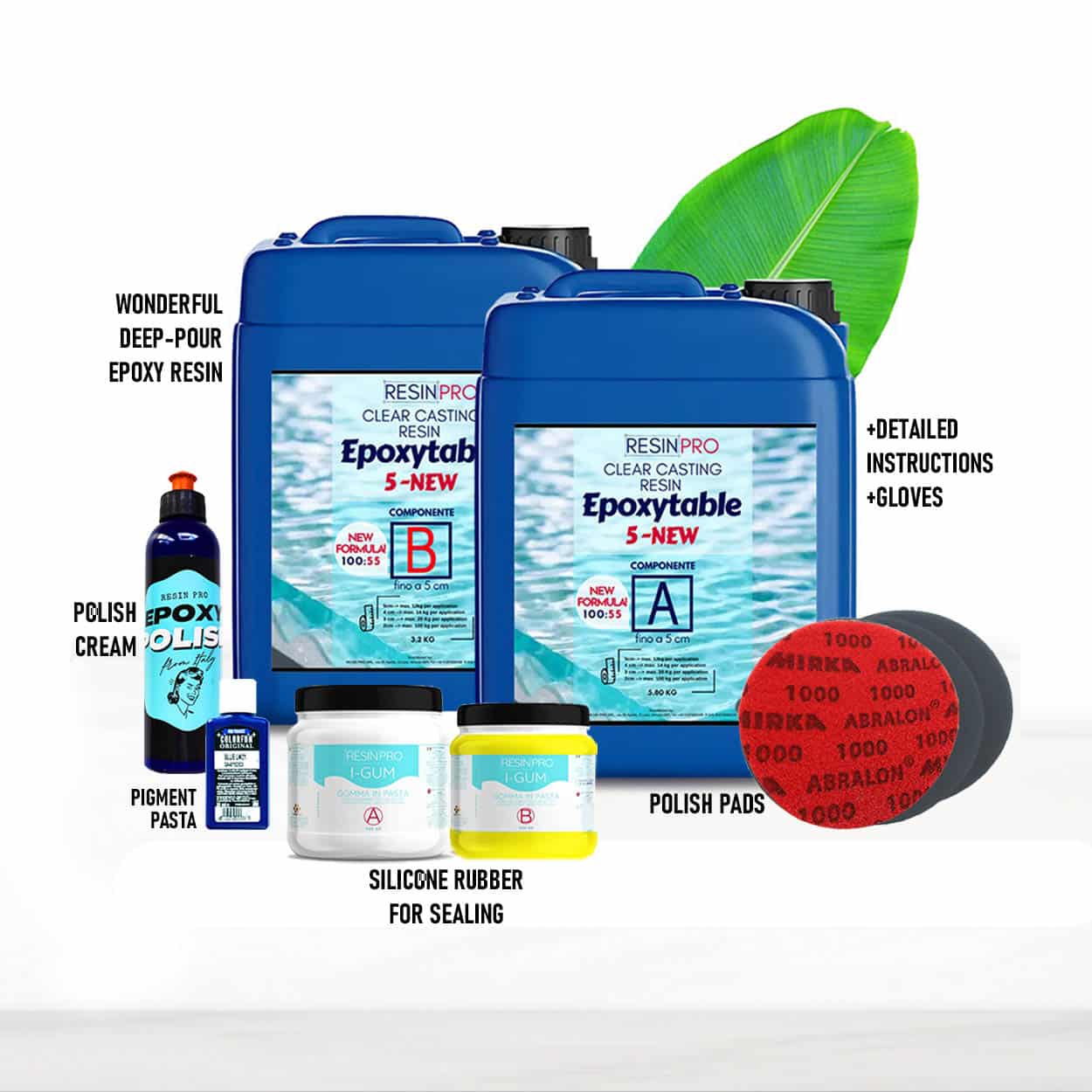
- “River-Table” – Complete Kit for Creating Your First Epoxy Resin Table – Comprehensive kit with sealant for beginners making resin tables
- “Art Pro Deluxe” – Ultra-High Viscosity Epoxy Resin for Artists – High viscosity formula for detailed resin art with precise line definition
- “EpoxyWood” – Wood Restoration Epoxy Resin for Deep Penetration and Waterproofing – Deep-penetrating epoxy resin for wood waterproofing and repair
- Strong Technical Degreaser for Resin Projects – 100% Natural Formula – For preparing and cleaning surfaces before sealing
- Masking tape, silicone paste or sealant, mixing cups, gloves, clean cloths

Why Surface Prep Is Crucial for Resin Projects
Proper cleaning and degreasing eliminate hidden oils and dust, key steps for preventing resin from breaking adhesion or leaking. By starting with contaminant-free surfaces, you set up a reliable seal and help your project last for years.
Step 1: Prepare and Clean Surfaces Thoroughly
Before pouring resin, make sure every surface, joint, or mould area is completely clean and dry. Grease, dust, and moisture can create gaps or weak spots, allowing resin to escape. For best results, wipe down formwork, wooden surfaces, and art bases with a residue-free cleaner. This ensures optimal adhesion and no interference with the sealing material. Take particular care with corners and formwork joins where leaks most commonly start.
If stubborn residues or oily spots are present, use a specialised product like Strong Technical Degreaser for Resin Projects – 100% Natural Formula to safely remove contaminants without damaging your workpiece or form.
Step 2: Seal All Joints, Edges, and Gaps
Seal all joints and seams meticulously before introducing any resin into your project. For river tables or deep castings, pay extra attention to the formwork corners and base edges. Apply a continuous bead of silicone paste, specialised sealant, or high-quality tape to every joint—this forms the main barrier against leaks. Allow your chosen sealant time to cure as recommended before proceeding.
For beginners, an all-in-one kit such as the “River-Table” – Complete Kit for Creating Your First Epoxy Resin Table provides a silicone rubber specifically designed for this sealing step, ensuring peace of mind and a strong barrier.
Step 3: Choose the Right Resin Consistency and Pouring Method
Selecting the appropriate resin for your project type can help minimise leaks and control resin flow. For vertical or intricate pieces, high-viscosity resins reduce unwanted running and escape through joints. When working on detailed art or layered pours, consider a formula like “Art Pro Deluxe” – Ultra-High Viscosity Epoxy Resin for Artists, as its thicker consistency helps resin stay exactly where placed.
For wood restoration or waterproofing tasks, a deeply penetrating epoxy such as “EpoxyWood” – Wood Restoration Epoxy Resin for Deep Penetration and Waterproofing both strengthens timber and creates an internal seal, addressing leaks at the source for damaged surfaces.
Work slowly and use only recommended layer thicknesses, as pouring too much at once increases pressure on seals and can cause breaches. Follow the product’s instructions on pour depth and curing time.

Step 4: Test Before Your Main Pour
Test before your main pour by running a small amount of resin—or water for a truly no-risk approach—into your sealed form or area. Check all seams, corners, and base joins for signs of leakage. If any drips or seeps appear, re-seal and test again until watertight. This check is especially important for larger table projects and moulds with complex joins.

Tips, Mistakes to Avoid, and Troubleshooting Resin Leaks
Be patient during your setup—rushing or skipping detailed inspection often leads to trouble mid-pour. Regularly check your sealed areas as resin cures. If a minor leak develops, try applying extra sealant externally and gently tacking with adhesive tape to halt flow. For persistent problems or large volumes, pause the pour until the breach is fixed and cured fully before resuming.
Keep your workspace level to prevent resin pooling at weak points. If leaks occur despite preparations, allow the resin to cure, then repair or sand the affected region before finishing. Good preparation and sealing remain the best long-term solutions for flawless, leak-free results.
Preventing Leaks in Complex Resin Castings
Plan complex projects in stages and always check seal integrity. Multi-layer pours, intricate moulds, or deep castings should be approached methodically—testing every joint and surface before each step to maintain a secure, leak-free barrier throughout the process.

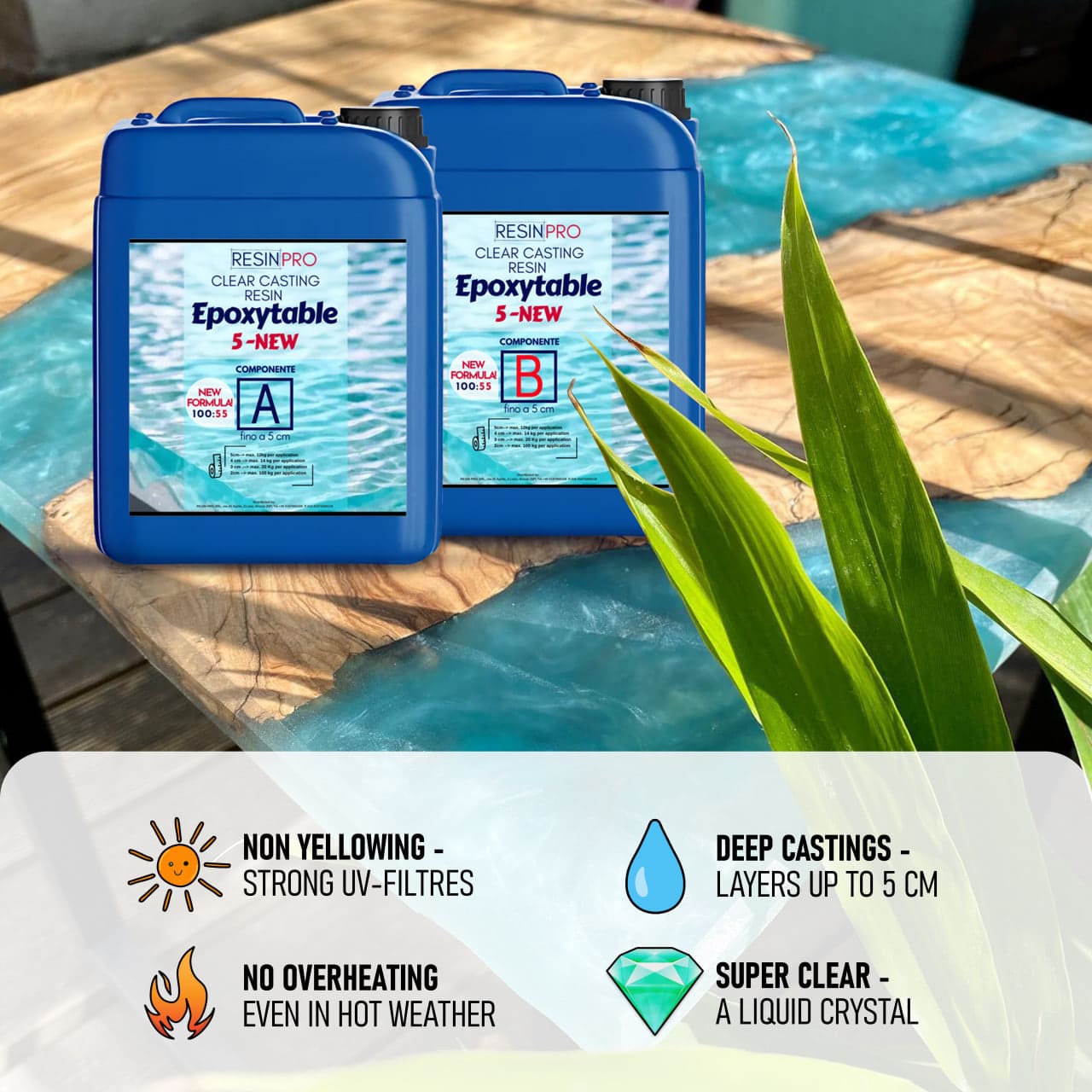
- "River-Table" – Complete Kit for Creating Your First Epoxy Resin TablePrice range: £198.45 through £467.45"River-Table" kit provides materials and instructions suitable for creating wood and resin tables in line with leak prevention practices.
- "Art Pro Deluxe" – Ultra-High Viscosity Epoxy Resin for ArtistsPrice range: £35.95 through £302.45Art Pro Deluxe offers ultra-high viscosity for precise line control and a crystal-clear finish in resin art projects.
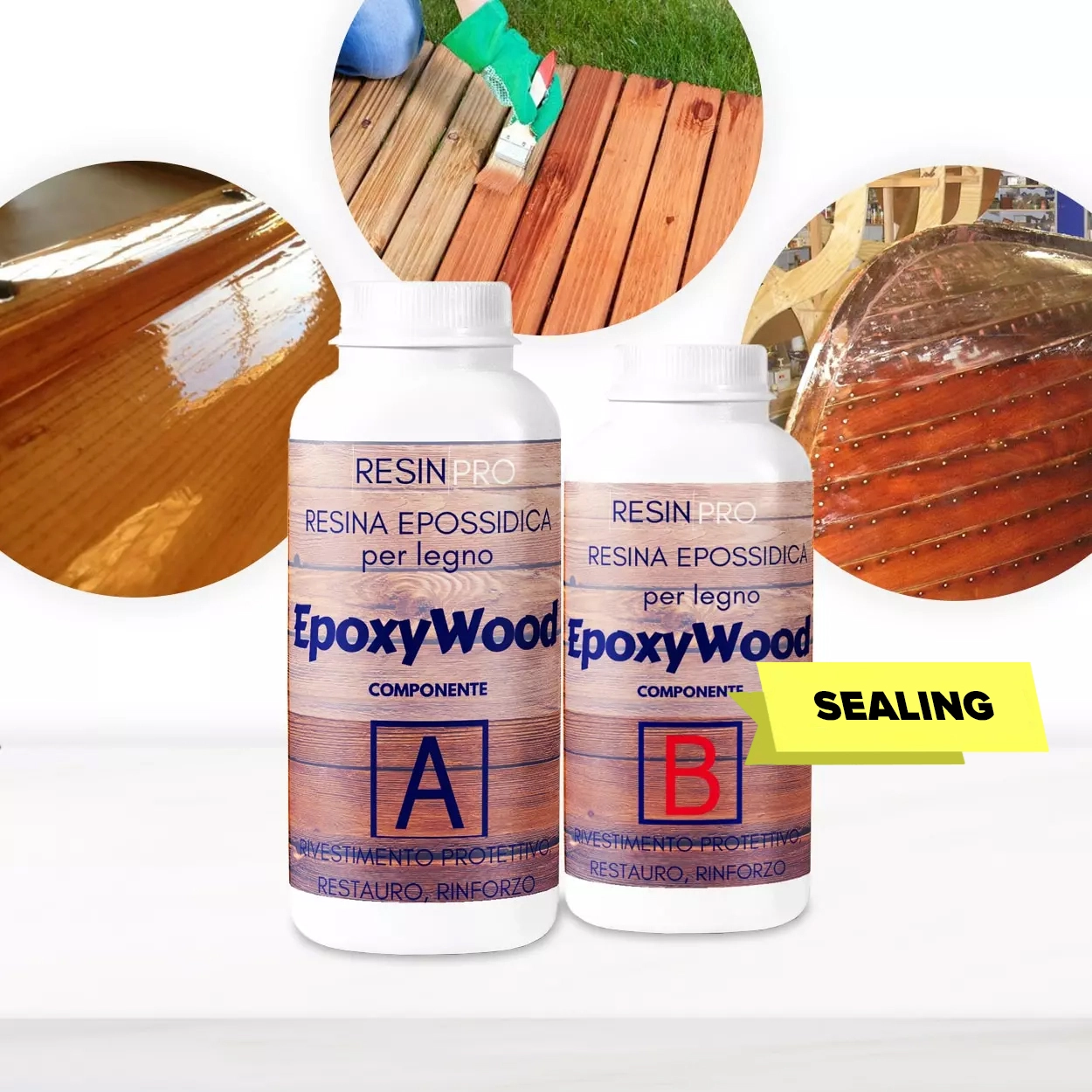 "EpoxyWood" – Wood Restoration Epoxy Resin for Deep Penetration and WaterproofingPrice range: £27.95 through £41.95"EpoxyWood" is designed for deep wood penetration and waterproofing, suitable for repairing and protecting wooden surfaces.
 Strong Technical Degreaser for Resin Projects – 100% Natural FormulaOriginal price was: £10.95.£9.45Current price is: £9.45.Strong Technical Degreaser cleans surfaces commonly used in resin projects, offering a gentle, plant-based formula.
Frequently Asked Questions
How should I clean surfaces before starting a resin project?
Use a specialised degreaser to remove greases and residues for maximum adhesion. The surface must be completely dry before sealing.
Is masking tape enough to prevent resin leaks?
Masking tape adds a basic barrier, but for full protection combine it with silicone sealant or a compatible release film for the formwork.
Why does resin sometimes leak through forms or moulds?
Small gaps or unsealed joints in the mould allow resin to escape. Careful preparation and proper sealing prevent this problem.
Which resin or kit is best for leak prevention?
Kits that include specialised sealants or high-viscosity resins offer the greatest security for beginners and complex projects alike.
What should I do if a leak starts while pouring resin?
Stop pouring immediately, reinforce the leak area with more sealant or tape, and allow curing before continuing with the project.
Is testing my formwork seal before pouring necessary?
Yes, testing ensures you catch any weak spots before the main pour, avoiding loss of resin and potential damage to your work.