 Free shipping on orders over £29,85
  Shipping Tracking!


 Google
 Facebook
How do you use epoxy fiberglass resin?
Techniques and products to ensure flawless fibreglass results


Whether you are repairing a hull, sealing composite structures, or crafting art with fibreglass fabrics, this guide will help you understand how to use epoxy fibreglass resin and choose the right product for your task. We compare application techniques, performance, and finish quality—essential reading for DIYers, professionals, and makers.
Choosing the Right Epoxy Fibreglass Resin: Key Comparisons
Epoxy fibreglass resin is valued for its robust bond, resistance to impact, and versatility across technical and creative applications. Some resins excel at fabric impregnation, others emphasise clarity or wood reinforcement. Consider what your project demands—whether flawless visual finish, deep penetration, environmental resistance, or ease of use—before selecting your resin.
- high impact resistance is crucial for structural composites and automotive repairs.
- For visible surfaces, opt for resins promising glossy finish suitable for visible applications and minimal bubble formation.
- If restoring or waterproofing wood with fibreglass overlays, select a resin designed for deep penetration into wood pores.
- Projects needing high transparency and scratch resistance, such as coated tables, require crystal clear and odourless formula products.

See the Difference in Finish and Performance
Visualise the results achievable with each resin type—from ultra-clear coatings and glossy fibreglass overlays to natural wood reinforcement. Transparent and pigmented finishes highlight both technical precision and creative flair, so you can match the right resin to the demanded look and durability.
“Carbon Resin” – For Professional Carbon Fibre & Fibreglass Coating
If you need a solution that makes composite work easy and structurally sound, “Carbon Resin” – Epoxy Resin for Carbon Fiber & Fiberglass Coating is engineered for maximum impact resistance and ensures perfect impregnation with minimal bubbles. Its bubble-free, glossy formula provides excellent durability, making it best for technical projects where both looks and performance matter. With room temperature curing and smooth application, it supports ambitious professional and advanced DIY projects, including model building and large repairs.
“Icrystal” – Clear Epoxy Resin for Transparent Finishes
“Icrystal” – Clear Epoxy Resin – Odourless Formula – Up to 1.5cm stands out due to its crystal clear and odourless formula suitable for beginners and professionals. It resists scratches and features a built-in UV filter—being ideal for projects where optical clarity and surface protection are paramount. Suitable for fibreglass overlays where a flawless, transparent finish is needed, such as furniture, artistic surfaces, or modern jewellery. Simple 2:1 mixing makes it accessible for all levels.
“EpoxyWood” – Deep Penetration for Wood & Fibreglass Restoration
For wood composite repairs or waterproofing, “EpoxyWood” – Wood Restoration Epoxy Resin for Deep Penetration and Waterproofing is formulated with ultra-low viscosity allows deep penetration into wood pores. This makes it exceptional at binding wood to fibreglass for robust reinforcement, delivering a warm, straw-yellow finish that preserves natural wood aesthetics. As a solvent-free, cruelty-free, and vegan-friendly formulation., it’s also eco-conscious.
“Trasparente” – Multipurpose Clear Epoxy for Casting and Coating
For those looking for multi-use versatility, “Trasparente” – Multipurpose Clear Epoxy Resin for Casting – Up to 2cm offers an ultra-clear formula providing a crystal-clear liquid finish—excellent for artistic fibre embedding and DIY crafts. High scratch resistance and UV protection ensure a long-lasting, professional result, even on high-use surfaces like tables or decorative objects.
Tips for Successful Results with Epoxy Fibreglass Resin
Working with epoxy resin involves careful preparation and attention to ambient conditions. Always measure resin and hardener accurately, mix thoroughly but gently to avoid bubbles, and use clean tools and containers. Consider environmental factors—humidity, dust, and temperature—affecting cure time and finish. When layering, allow each stage to partially cure before applying the next for best adhesion. Where adhesion to wood or technical fibres is critical, review whether a preparation coat or sanding is advisable for your chosen resin.
Expert Advice: Best Practices for Resin Application
Preparation is everything. Clean, dust-free surfaces and measured ratios reduce surprises. Practice on a test piece for new projects to master timing and application. If in doubt, seek guidance based on your chosen material and intended environment.

- "Carbon Resin" – Epoxy Resin for Carbon Fiber & Fiberglass CoatingPrice range: £19.95 through £37.95"Carbon Resin" is formulated for composites and technical fabrics, providing smooth impregnation and a glossy finish suitable for this theme.
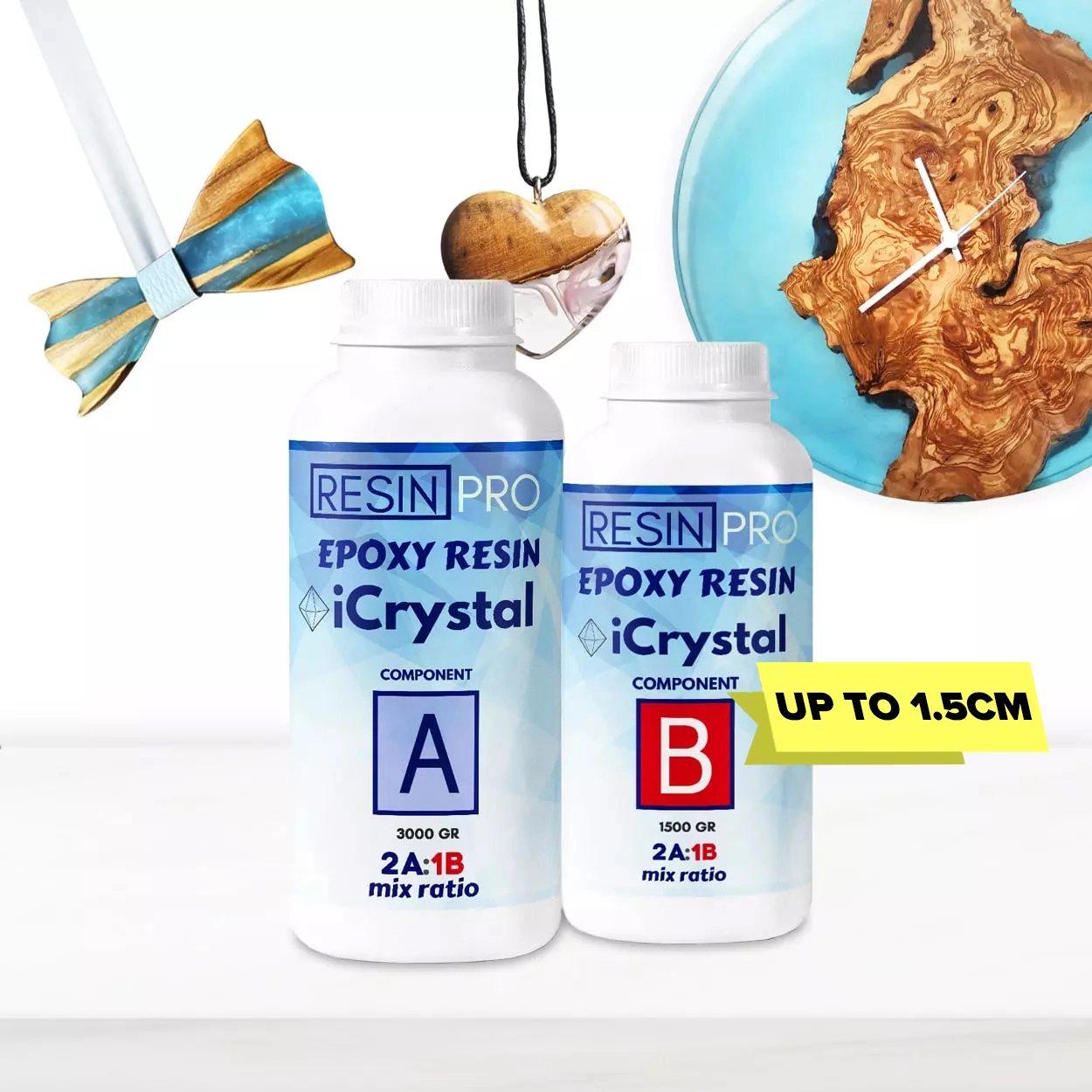 "Icrystal" – Clear Epoxy Resin – Odourless Formula – Up to 1.5cmPrice range: £12.45 through £341.45"Icrystal" clear epoxy resin offers high transparency and scratch resistance, suitable for tables and various creative uses.
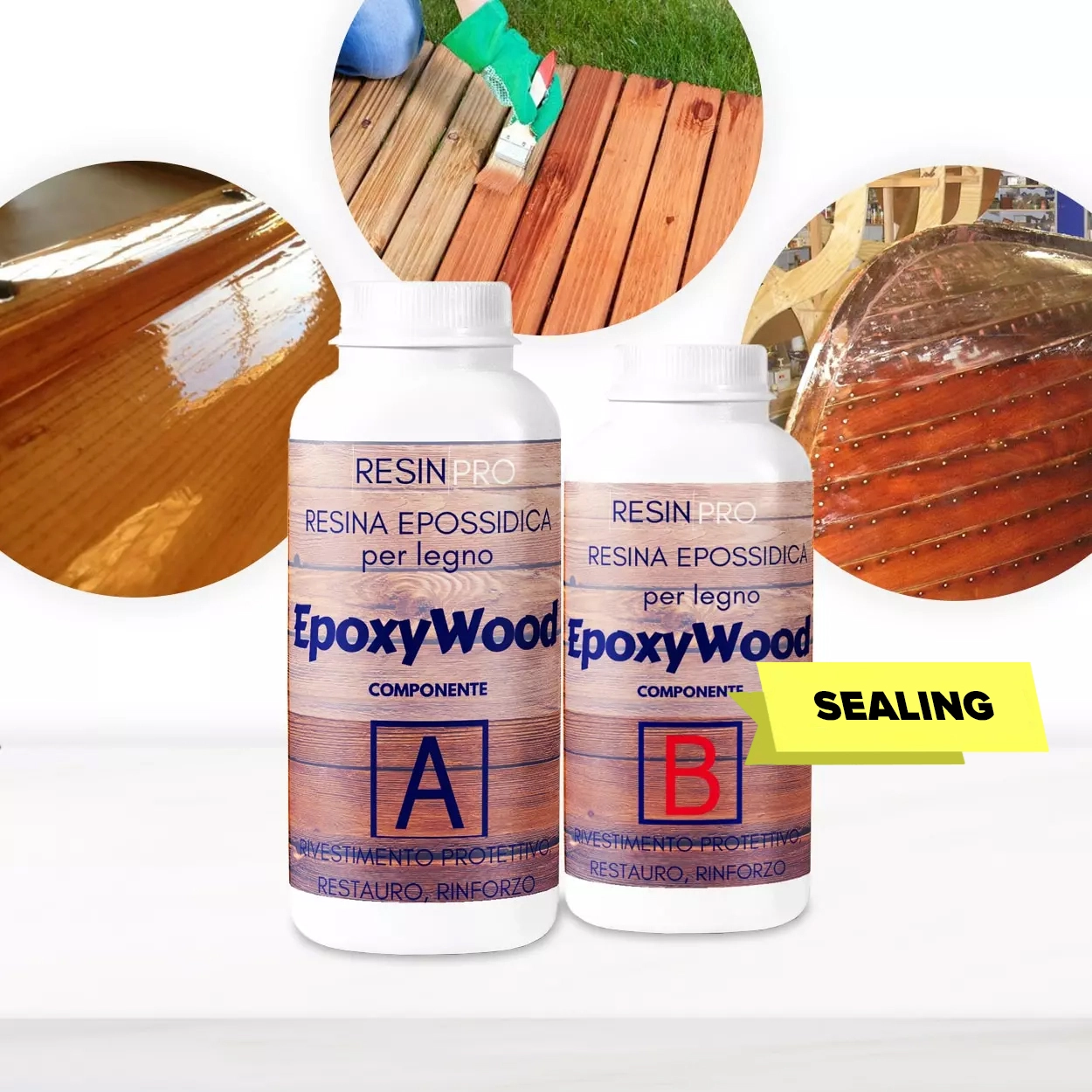 "EpoxyWood" – Wood Restoration Epoxy Resin for Deep Penetration and WaterproofingPrice range: £27.95 through £41.95"EpoxyWood" is suitable for wood restoration with deep penetration and waterproofing, featuring a warm finish aligned with the theme.
 "Trasparente" – Multipurpose Clear Epoxy Resin for Casting – Up to 2cmPrice range: £8.95 through £397.95Ultra-clear multipurpose epoxy resin for casting up to 2cm layers, suitable for woodworking, art, and DIY projects under the topic of epoxy…
Frequently Asked Questions
What is the main difference between epoxy and polyester resin for use with fibreglass?
Epoxy provides superior adhesion, impact resistance and durability compared to polyester, making it ideal for demanding or long-lasting applications.
Can I repair fibreglass cracks or holes with epoxy resin?
Yes, epoxy resin bonds very well to fibreglass and is commonly used to repair and fill cracks or damaged areas in fibreglass structures.
How do I prevent bubbles when using epoxy on fibreglass?
Mix the resin slowly, use clean tools, and apply in thin layers. Allow bubbles to rise and pop before curing or use a heat gun carefully.
Which epoxy resin is best for fibreglassing wood?
A low viscosity resin, such as EpoxyWood, ensures deep penetration into wood for strong bonding with fibreglass.
Do I need to sand between coats when layering epoxy on fibreglass?
Light sanding ensures good adhesion if the previous layer has fully cured. For chemical bonding, add the next coat while still tacky.
Is UV resistance important for epoxy fibreglass resins?
Yes, UV resistance helps prevent yellowing and degradation on exposed surfaces, especially for outdoor or visible applications.
How do I mix epoxy resin properly for fibreglass work?
Follow the manufacturer’s recommended ratios precisely, mix thoroughly, and avoid whipping air into the mixture for best results.