 Free shipping on orders over £29,85
  Shipping Tracking!


 Google
 Facebook
How do you wash the resin gun after painting?
Step-by-step guide for keeping your resin gun in top condition


Cleaning your resin gun after painting is an essential step to prevent clogging, maintain precision, and extend the lifespan of your tools. This guide walks you through the safest and most effective methods to remove uncured and partially cured resin from your resin gun, ensuring optimal performance for future projects.
What You’ll Need
- Pure Isopropyl Alcohol 99.9% – 1000ml Bottle for Epoxy Resin Projects & DIY
- Strong Technical Degreaser for Resin Projects – 100% Natural Formula
- Scraper for Paint & Dry Resin Removal – 10 Double-Sided Blades
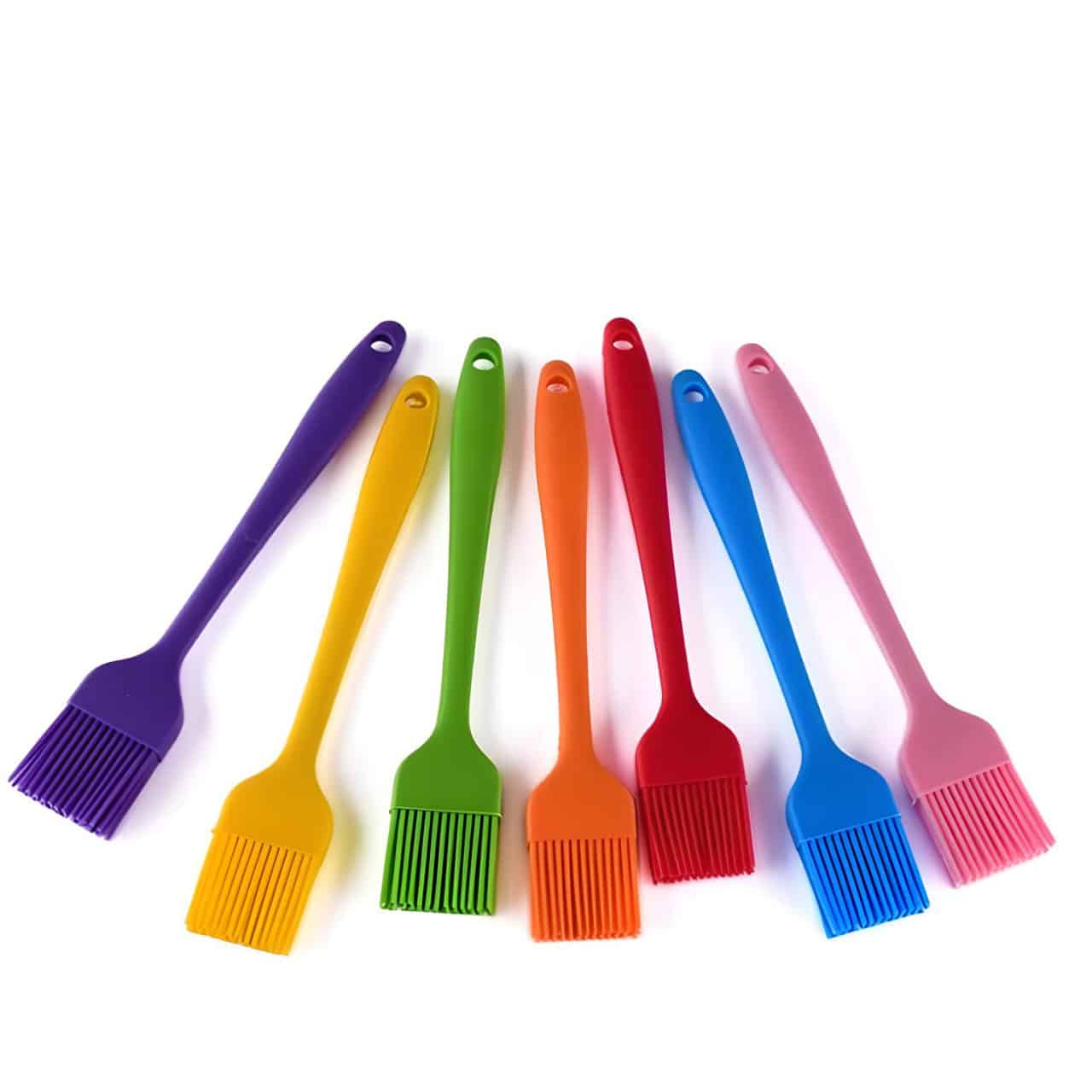
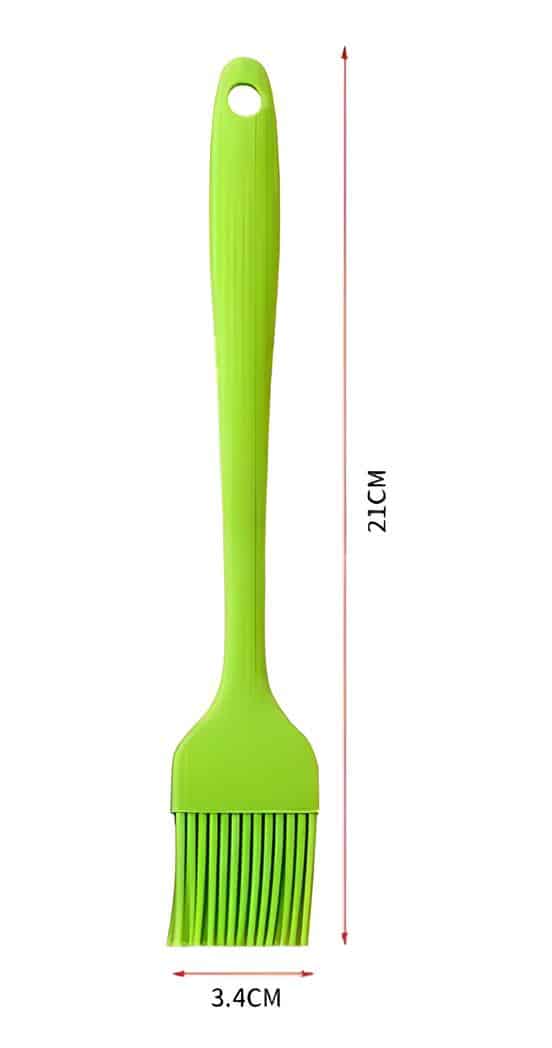
- Reusable Silicone Resin Brush for Epoxy Art and Wood Applications
- Disposable cloths or paper towels
- Chemical-resistant gloves and eye protection
- Warm, soapy water

Resin Gun Cleaning: Materials and Safety
Safety should always come first when cleaning resin tools. Use gloves and eye protection when working with solvents or degreasers, and keep your workspace well-ventilated. Having the right cleaning supplies at hand not only makes the process easier but also protects both you and your resin gun from unnecessary wear.

Step 1: Disassemble and Prepare the Resin Gun
Begin by carefully taking apart the resin gun according to the manufacturer’s instructions. Remove the plunger, nozzle, and any detachable parts so you can access all surfaces with dried or uncured resin. Always wear chemical-resistant gloves and eye protection to prevent exposure to harsh cleaning agents and resin compounds. Lay out the parts on a protected work surface lined with disposable cloths or paper towels.
Step 2: Wipe Away Excess Resin
Before any cleaning solution is applied, use clean paper towels or rags to remove as much wet resin as possible from all parts. This step is most effective immediately after painting. Act quickly before the resin hardens inside the gun, since cured resin is much harder to remove and may damage internal components if forced.


Step 3: Wash with a Suitable Solvent
For tools with uncured or slightly cured epoxy resin, a solvent is often required for thorough cleaning. Pure Isopropyl Alcohol 99.9% – 1000ml Bottle for Epoxy Resin Projects & DIY is ideal for dissolving resin residues and is safe for most metal and plastic parts. Submerge small gun parts or use a silicone brush to reach crevices and remove buildup. Allow the solvent to soak for several minutes if needed.
Alternatively, if the resin gun is contaminated with grease or silicones, opt for the Strong Technical Degreaser for Resin Projects – 100% Natural Formula, which is gentle on surfaces and effective at breaking down sticky or greasy residues.
Step 4: Remove Stubborn or Cured Resin
If some areas have hardened resin that the solvent can’t dissolve, carefully use a Scraper for Paint & Dry Resin Removal – 10 Double-Sided Blades to gently lift away residue from metal components or nozzles. Avoid scraping delicate plastic parts, as this may lead to damage. For hard-to-reach spots, a silicone brush dipped in isopropyl alcohol can help loosen and remove persistent resin patches.
Step 5: Rinse and Dry Thoroughly
Once the resin and cleaning agents have been removed, rinse every part of the resin gun with warm, soapy water. Rinse components thoroughly with clean water after any chemical cleaner to remove any residues that could affect future resin work. Dry all pieces completely using a lint-free cloth before reassembling. This helps prevent corrosion and ensures the gun operates smoothly when next in use.
Tips and Common Mistakes to Avoid
Check for residue in hard-to-reach areas such as the nozzle tip and plunger corners for trapped resin, which can cause blockages. Never use excessive force when removing cured resin from sensitive parts, as bending or cracking may occur. Always clean immediately after use—once resin cures, cleaning becomes more difficult. When using any solvent or degreaser, ensure adequate ventilation and avoid skin contact even with hypoallergenic products. Store your resin gun fully dry and loosely assembled to prevent internal sticking and prolong its working life.
Best Practices for Resin Gun Maintenance
Caring for your resin gun after each use is the key to consistent performance. Regular cleaning stops material build-up and lets you work efficiently project after project. Keep quality cleaning agents and reusable brushes in your workspace, and remember to check your gun carefully for resin hidden in crevices before storage for best results.

- Pure Isopropyl Alcohol 99.9% – 1000ml Bottle for Epoxy Resin Projects & DIYPrice range: £10.45 through £20.95Pure Isopropyl Alcohol 99.9% is suitable for epoxy resin projects to remove bubbles and achieve clean finishes.
- Strong Technical Degreaser for Resin Projects – 100% Natural FormulaOriginal price was: £10.95.£9.45Current price is: £9.45.Strong Technical Degreaser is a natural, gentle cleaner suitable for various surfaces including those used in epoxy resin projects.
- Scraper for Paint & Dry Resin Removal – 10 Double-Sided Blades£4.95This scraper is designed for effective paint removal with tool-free blade changes and safe storage, suited to professionals and DIY users.
- Reusable Silicone Resin Brush for Epoxy Art and Wood Applications£3.62A reusable silicone brush designed for precise epoxy resin application, suitable for art and wood use with easy cleaning.
Frequently Asked Questions
How often should I clean my resin gun after using resin?
Always clean your resin gun immediately after each use to prevent hardening and clogs.
What is the best solvent for cleaning a resin gun?
Pure isopropyl alcohol is generally most effective for uncured epoxy resin residues.
Can I use just water to clean a resin gun?
Water alone is not sufficient for removing resin; a solvent or degreaser is usually needed.
How do I remove hardened resin stuck inside the gun?
Carefully scrape with a suitable tool or soak parts in solvent, but avoid damaging sensitive components.
Will solvent cleaning damage my resin gun?
Most metal and high-quality plastic parts withstand isopropyl alcohol, but always check compatibility.
Can I use a degreaser to clean my resin gun?
Yes, especially for greasy residues or silicone. Choose a degreaser safe for the gun's material.