 Free shipping on orders over £29,85
  Shipping Tracking!


 Google
 Facebook
How do you work marble, resin, and quartz?
A practical guide for artistic and durable stone projects
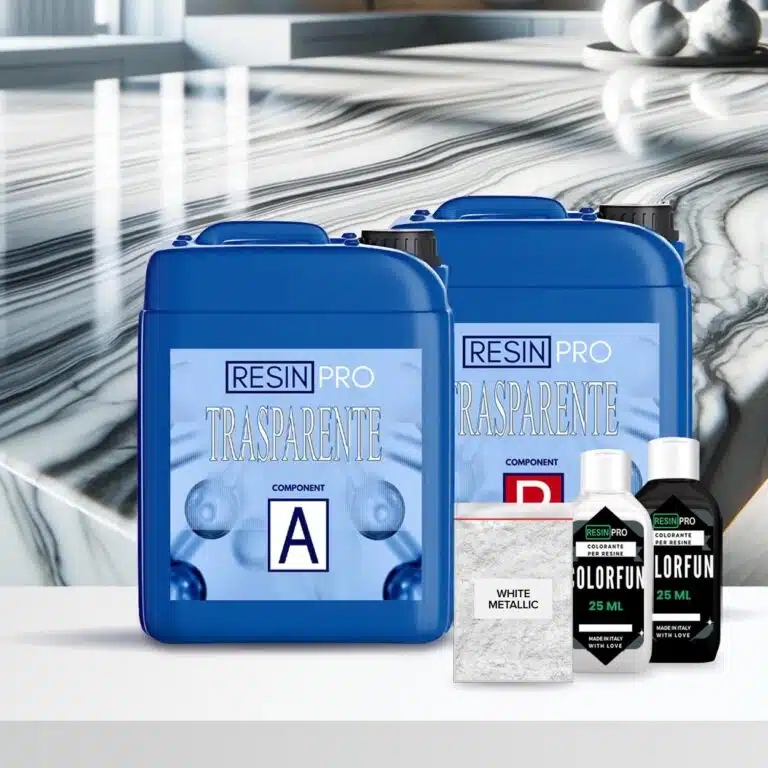
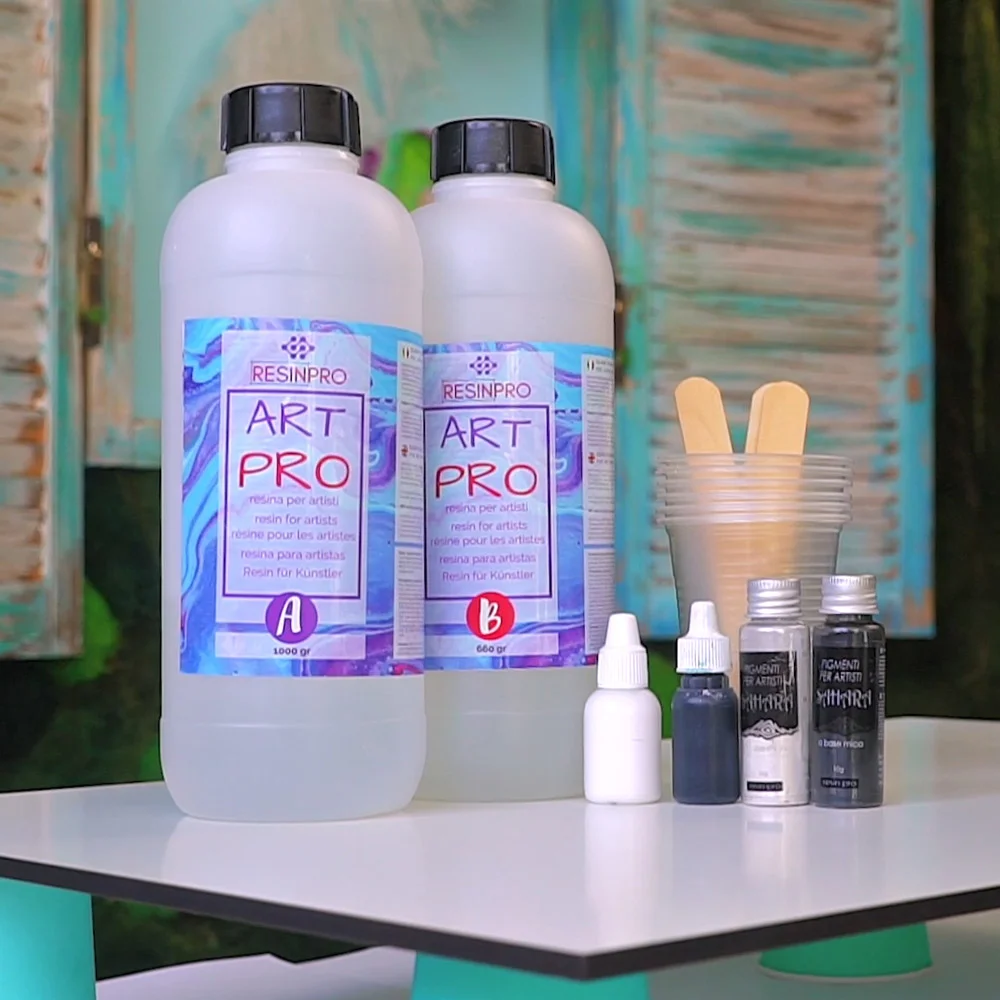
Mastering marble, resin, and quartz opens new creative and practical possibilities for interior design, repairs, and bespoke furniture pieces. This guide covers essential surface preparation, application tips, and techniques for combining and working with these materials—perfect for craftspeople, renovators, and anyone tackling stone-inspired projects.
What You’ll Need
- “Stone Effect Collection” – Marble Epoxy Resin Countertop Kit: Epoxy kit for achieving authentic marble or quartz-like countertop finishes.
- “Magelstick” – Epoxy Mastic for Stone, Metal, and Cement Bonding and Grouting: Bi-component putty for restoration and bonding of stone surfaces.
- “EpoxyTable 5-Five” – Deep Pour Epoxy Resin for Tables and Large Projects – Up to 5cm: Resin for thick pours, ideal for creative projects like river tables.
- “Epoxytable 10-Ten” – Deep Pour Epoxy Resin for Tables, Up to 10cm Casting: For extra-large or deeper builds.
- Sandpaper or abrasives (various grits)
- Mixing tools, containers, and protective gloves
- Cleaning agents (isopropyl alcohol)

Essential Tools and Prep Materials
Having the right tools and cleaning agents on hand simplifies every stage. Isopropyl alcohol ensures dust-free, adhesive-friendly surfaces before any repair or resin application. Choose abrasives by grit progression for effective, gentle surface prep. Quality gloves and mixing equipment further guarantee professional outcomes.
Step 1: Prepare and Repair the Stone Surface
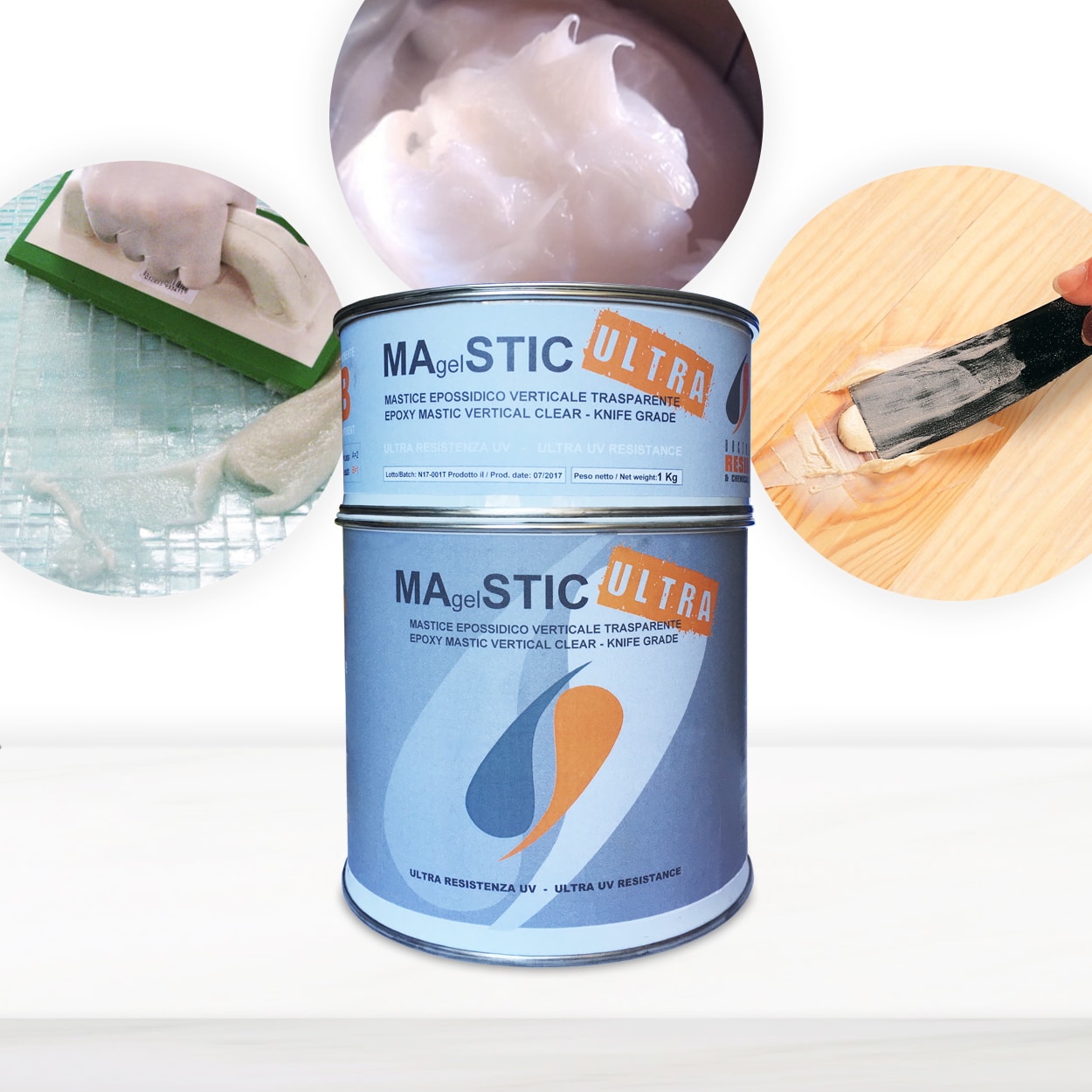
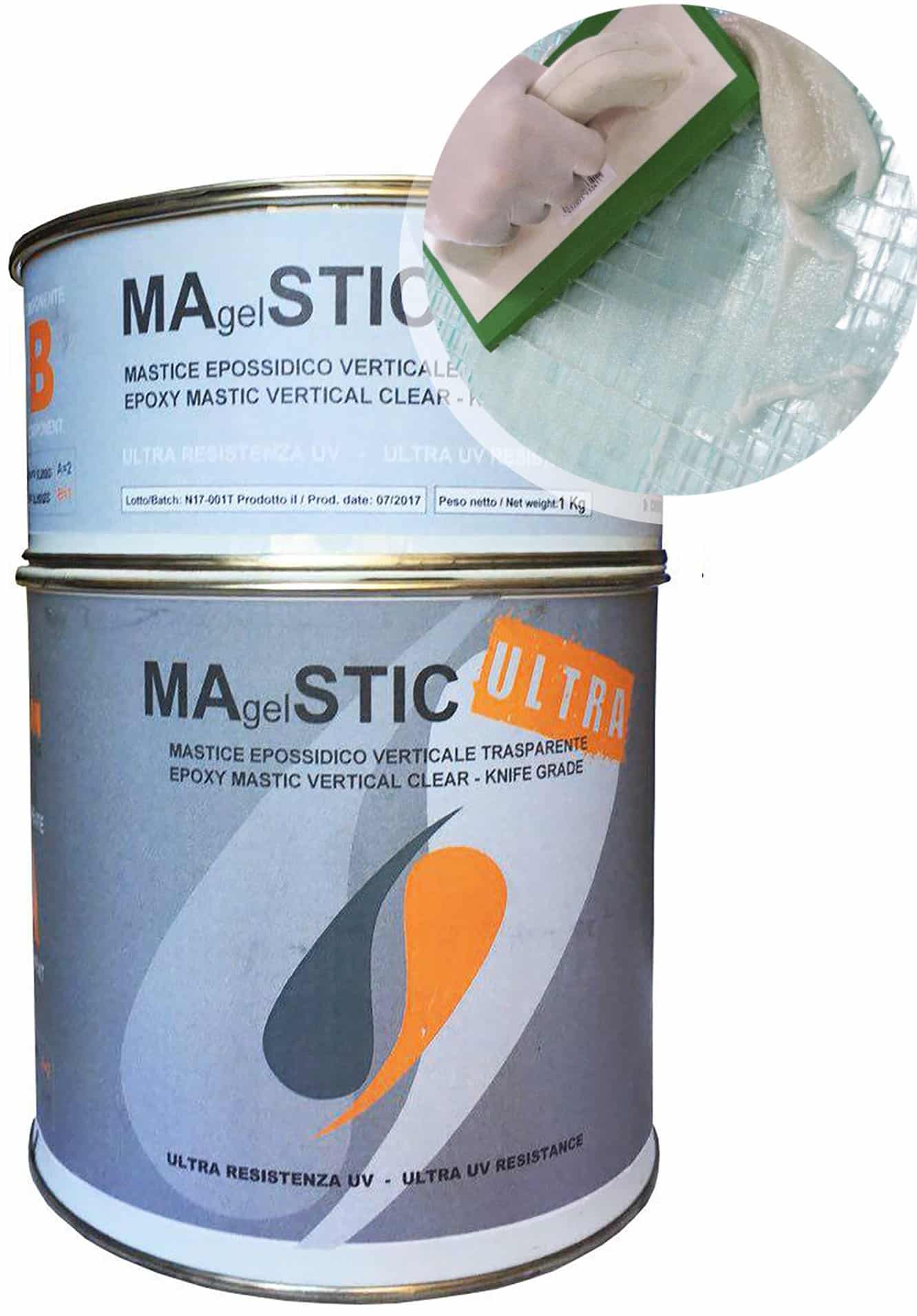
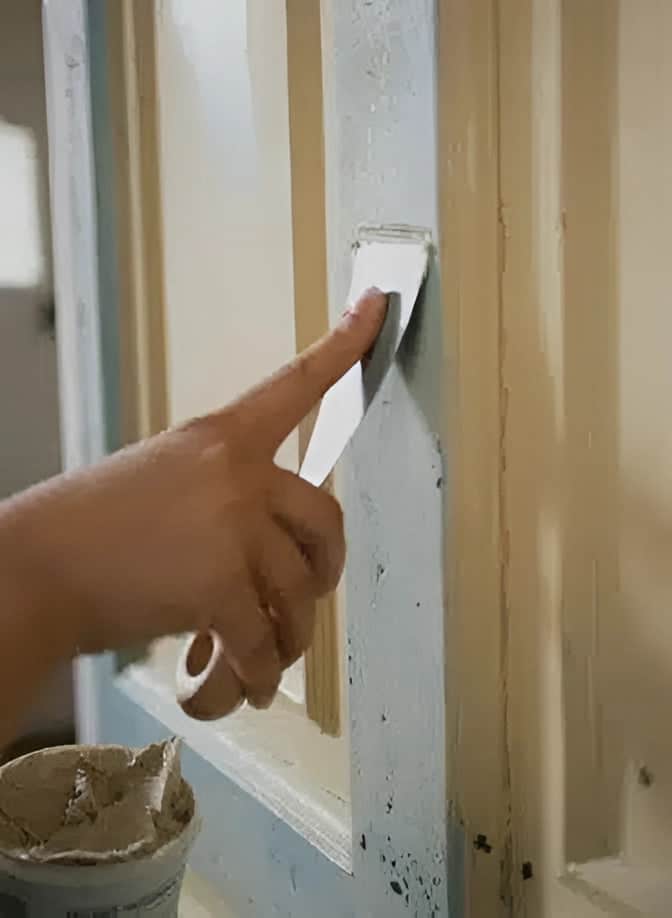
Begin by inspecting your marble, resin, or quartz surface for any damages, chips, or gaps. Cleanliness is crucial to ensure adhesion, so thoroughly remove dust, oil, and debris using isopropyl alcohol. For cracks or missing chunks in natural or engineered stone, use a strong, two-part mastic. “Magelstick” – Epoxy Mastic for Stone, Metal, and Cement Bonding and Grouting is ideally suited for filling and restoring stone, offering exceptional mechanical strength and resistance even outdoors or on vertical surfaces. Allow the mastic to cure as per the manufacturer’s instructions before proceeding.
Step 2: Sand and Clean the Surface
Once repairs are complete and your surface is structurally sound, sand it gently to create a smooth, slightly roughened texture for resin bonding. Start with a medium grit and progress to finer grits to avoid scratches. Remove all sanding dust with a vacuum and a swipe of clean isopropyl alcohol. Avoid leaving residues, as they can affect adhesion and finish clarity.
Step 3: Plan and Execute Resin Application
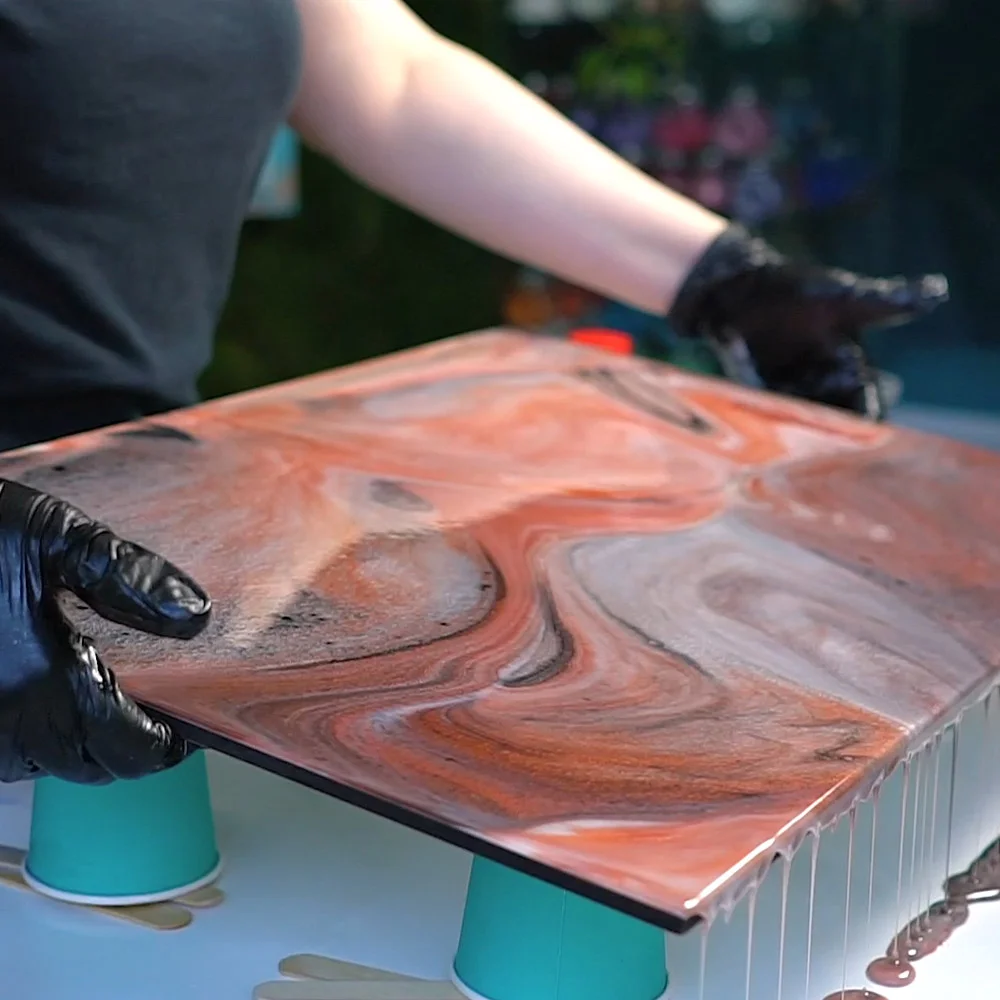
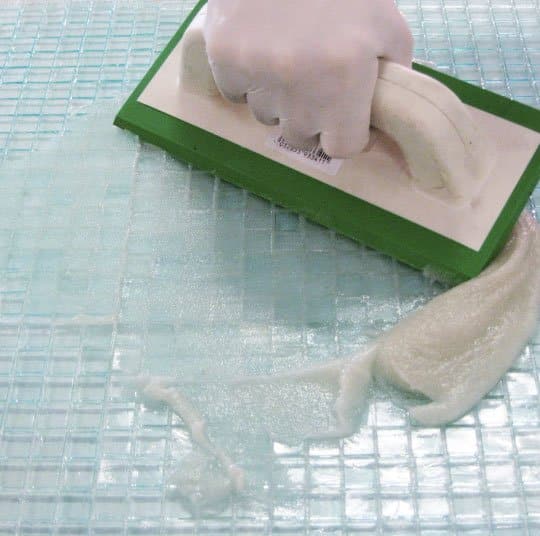
Decide whether you are coating a countertop, pouring a river table, or creating a composite feature. For decorative marble effects or quartz-finish worktops, a specialised kit, such as the “Stone Effect Collection” – Marble Epoxy Resin Countertop Kit, provides all the pigments, resin, and tools required to mimic natural stone with a durable result. Follow kit instructions closely, paying attention to mixing ratios and working times.
For thick creative pours or tables, choose a deep-pour epoxy with low viscosity to prevent bubbles and overheating. “EpoxyTable 5-Five” suits projects up to 5cm thick, while “Epoxytable 10-Ten” handles up to 10cm. Pour in layers if your project dimensions or weight exceed recommendations to avoid exothermic issues and ensure clarity. Allow each layer to partially cure before adding the next.
Step 4: Finish and Polish for a Professional Look
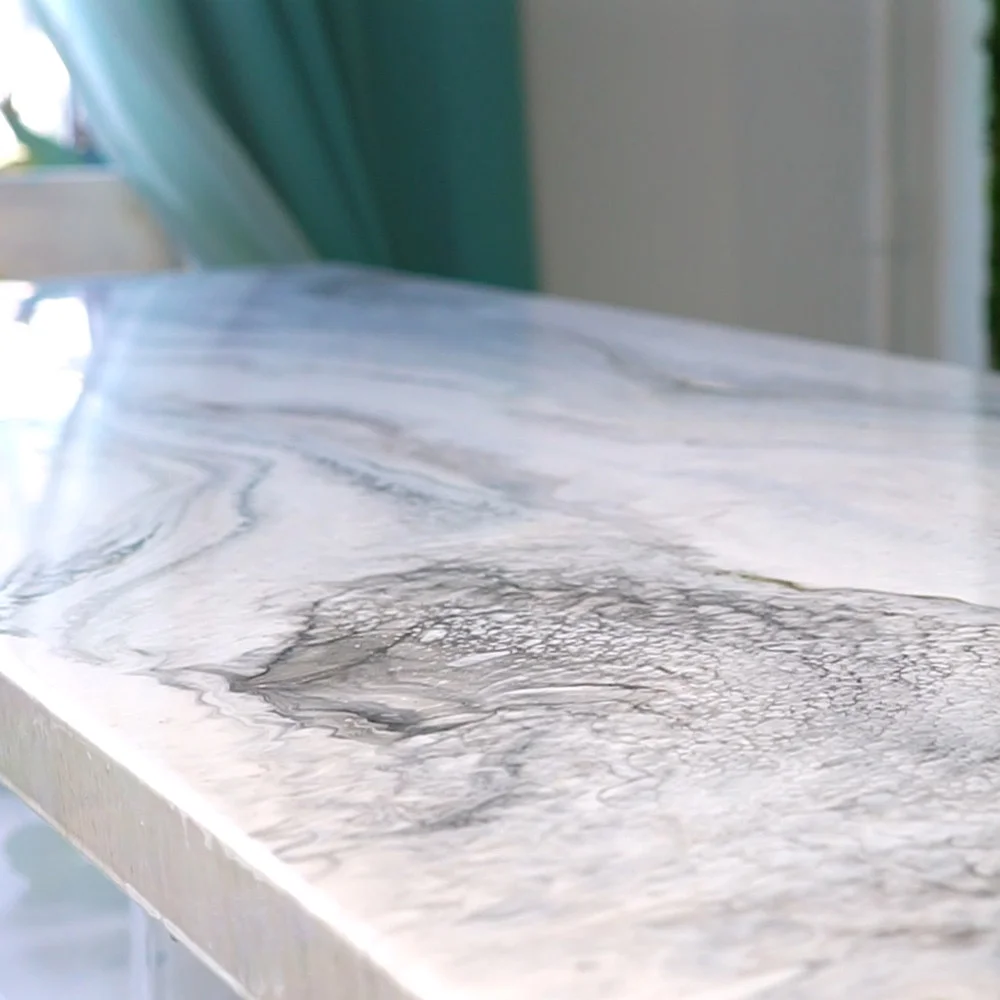
After the resin has fully cured, inspect for any imperfections—such as small air bubbles or dust nibs—then sand lightly with high-grit abrasives. Polish the resin surface gently to bring out a glassy sheen, matching the finish of marble or quartz. Take care to work evenly and avoid excessive heat while polishing. For worktops intended for heavy use, ensure the final surface is durable by following all curing guidelines.
Tips and Common Mistakes to Avoid
Plan your approach carefully: Deep pours require timing and patience; never rush the curing process.
Always check compatibility between stone, resin, and bonding agents to avoid delamination. Layering is often necessary for very thick castings to achieve bubble-free clarity and prevent surface heat damage.
Maintain meticulous cleanliness throughout every stage to avoid cloudy finishes or weak bonding. Gloves and protective gear help prevent contamination of your materials and ensure your safety.
Finishing Touches and Aftercare
Polishing with dedicated abrasives and compounds delivers a flawless, glassy finish that highlights your artistic stone or resin detail. Maintain finished surfaces with gentle, pH-balanced cleaners to preserve clarity and durability. For worktops, use cutting boards to prevent scratches and preserve the exquisite effect you’ve achieved.
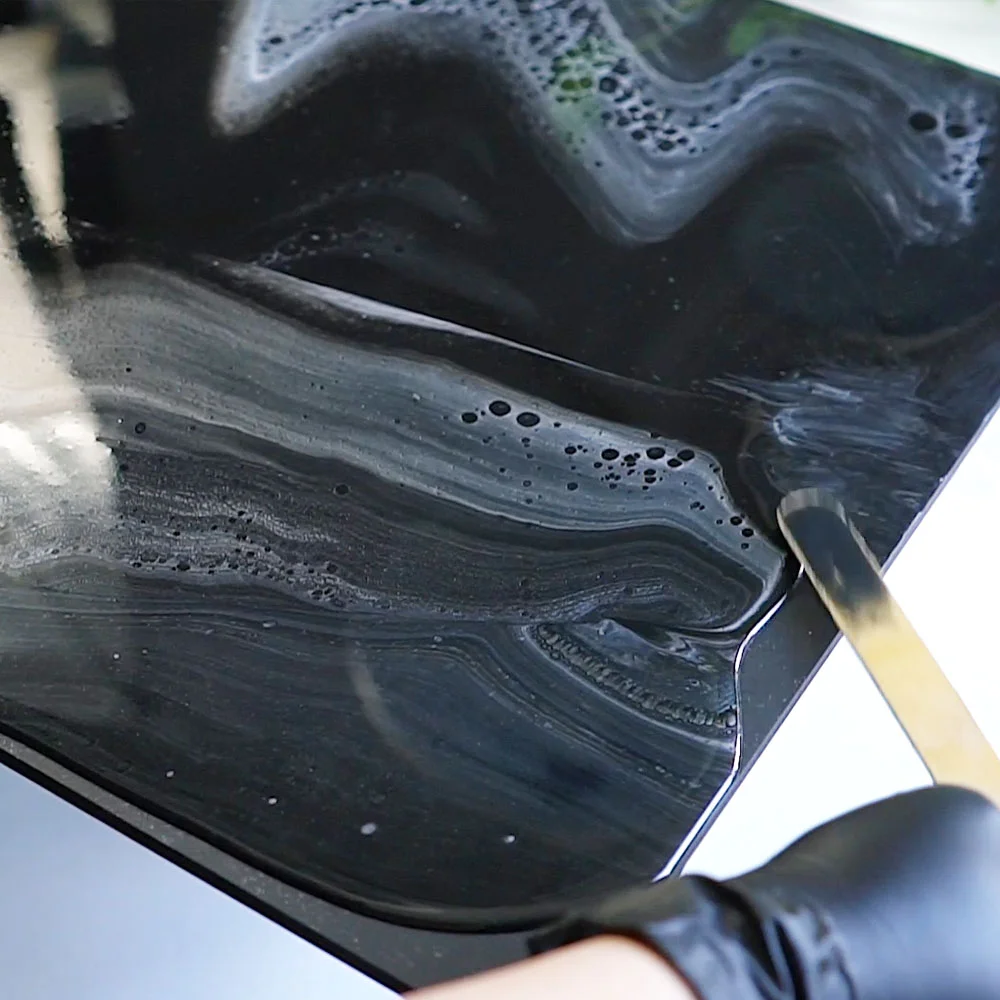
- "Stone Effect Collection" – Marble Epoxy Resin Countertop KitPrice range: £57.95 through £272.95"Stone Effect Collection" – a designer epoxy resin countertop kit for durable marble and stone finishes suitable for kitchens and bathrooms.
- "Magelstick" – Epoxy Mastic for Stone, Metal, and Cement Bonding and Grouting"Magelstick" Epoxy Mastic is designed for professional bonding and repair of stone, metal and cement surfaces in restoration and renovation.
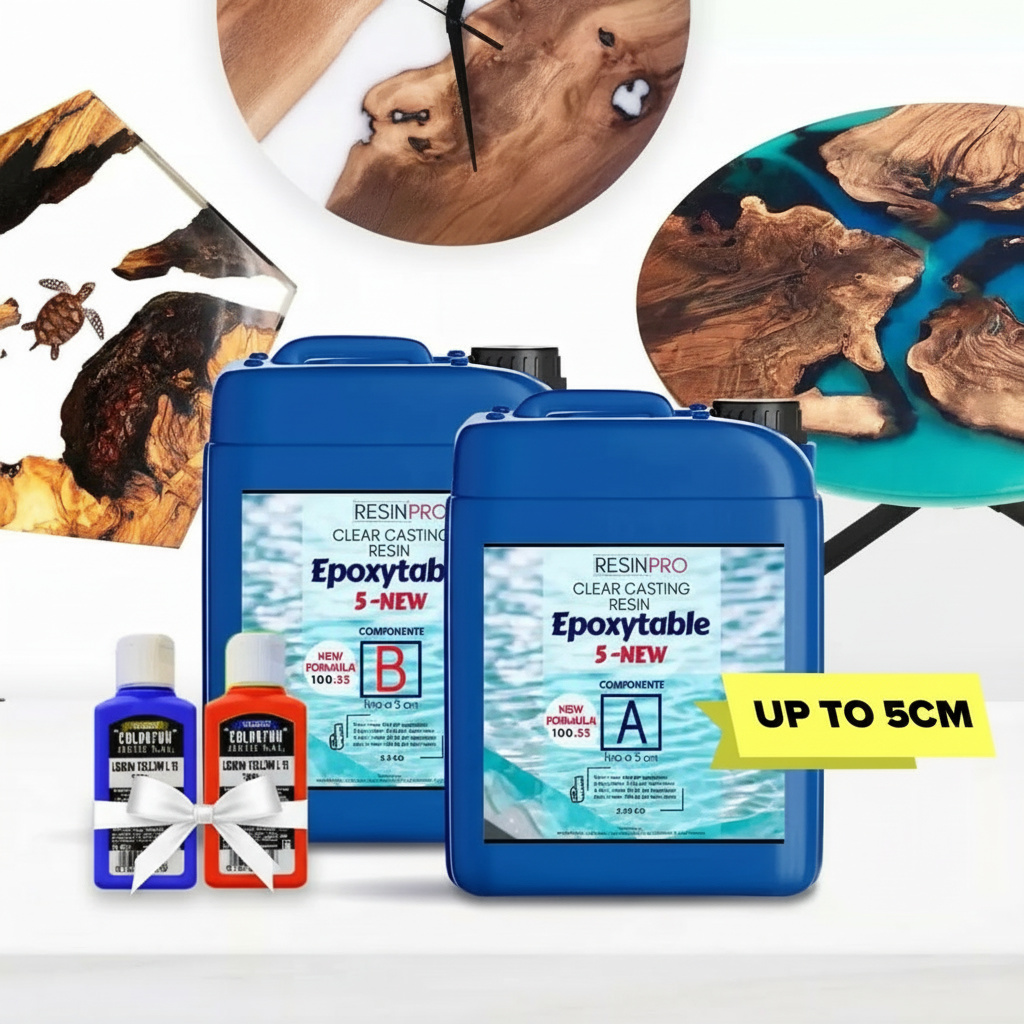 "EpoxyTable 5-Five" – Deep Pour Epoxy Resin for Tables and Large Projects – Up to 5cmPrice range: £17.95 through £1,154.95EpoxyTable 5-Five is a deep pour epoxy resin suitable for tables and large projects up to 5cm thickness, designed for stable, scratch-resistant…
 “Epoxytable 10-Ten” – Deep Pour Epoxy Resin for Tables, Up to 10cm CastingPrice range: £35.95 through £351.95“Epoxytable 10-Ten” is designed for deep pouring resin tables with casting depths up to 10cm, offering strong UV resistance and low viscosity.
Frequently Asked Questions
How do I prepare marble, resin, or quartz before repairs?
Clean the surface thoroughly with isopropyl alcohol and remove all dust and debris. Repair any damage using an appropriate mastic or adhesive before further finishing.
What thickness can I pour resin for tables or tops?
For projects up to 5cm thick, use a deep-pour resin like EpoxyTable 5-Five. For 10cm pours, layer resin applications or use Epoxytable 10-Ten, pouring in stages for best results.
How can I bond or repair damaged marble, quartz, or resin?
Use a professional-grade epoxy mastic such as Magelstick for patching, filling, or bonding chips and cracks, ensuring surfaces are fully clean before application.
How do I achieve a high-gloss finish on resin or stone?
After curing, sand the surface with fine abrasives and polish gently using a suitable compound for a clear, glossy effect.
How can I avoid bubbles and cloudiness in resin pours?
Mix slowly, pour in layers if needed, and use a low-viscosity resin for thick pours. Work in a dust-free environment for best clarity.
When should I use a marble or stone effect kit?
Use a marble or stone effect resin kit for surfaces where you want to replicate authentic stone effects with added scratch and wear resistance.