 Free shipping on orders over £29,85
  Shipping Tracking!


 Google
 Facebook
How do you work with resin for jewellery?
Step-by-step guide for stunning resin jewellery projects


Resin jewellery is a creative and rewarding craft, allowing you to produce bespoke pieces with incredible clarity, colour, and embedded inclusions. This guide will take you through the fundamental process of working with resin for jewellery, highlighting practical tips and key considerations to ensure professional-looking results—whether you’re a first-time crafter or advancing your resin skills.
What You’ll Need
- “Evershine Collection” – Artisan Jewellery Epoxy Resin Kit with 100+ Accessories: Complete starter kit featuring clear epoxy, pigments, moulds, and findings for making various jewellery pieces and charms.
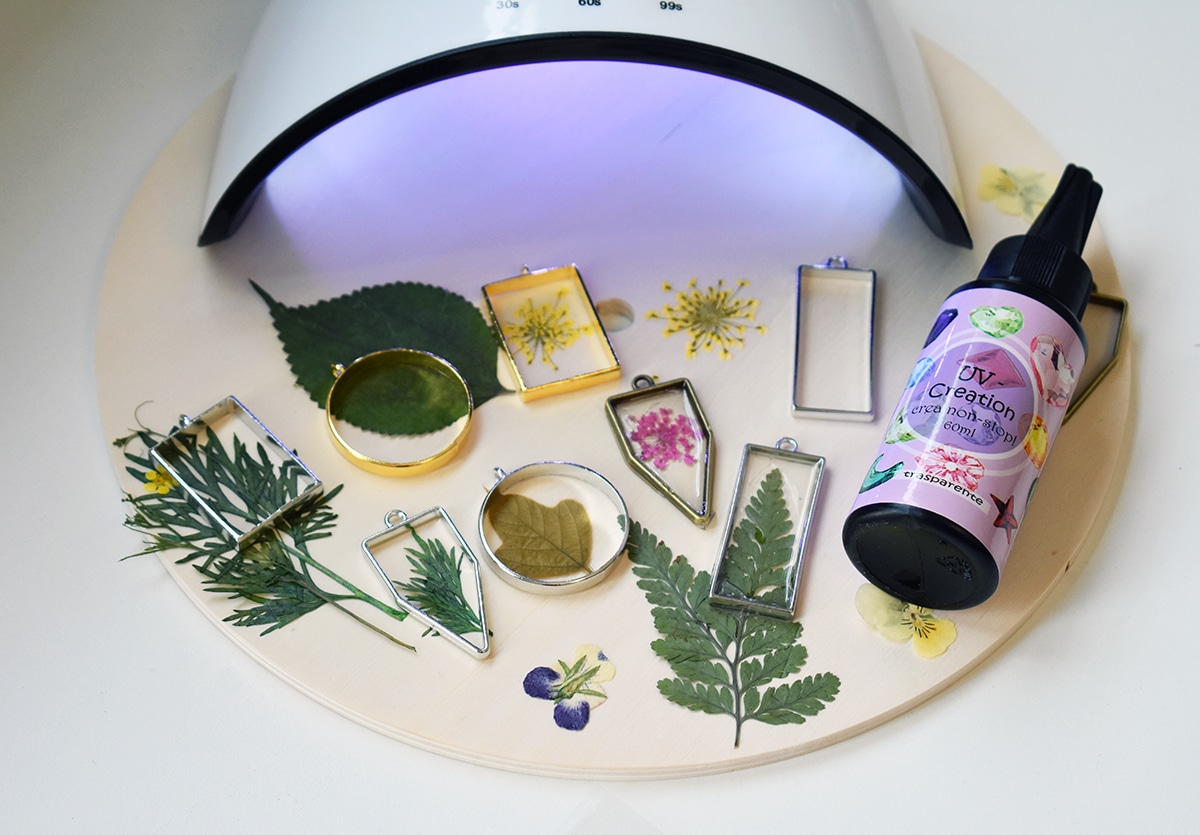
- Set of 10 Open Metal Bezels for Jewellery Making and UV Resin Projects: Open-backed bezels, ideal bases for crafting pendants or keepsakes with resin.
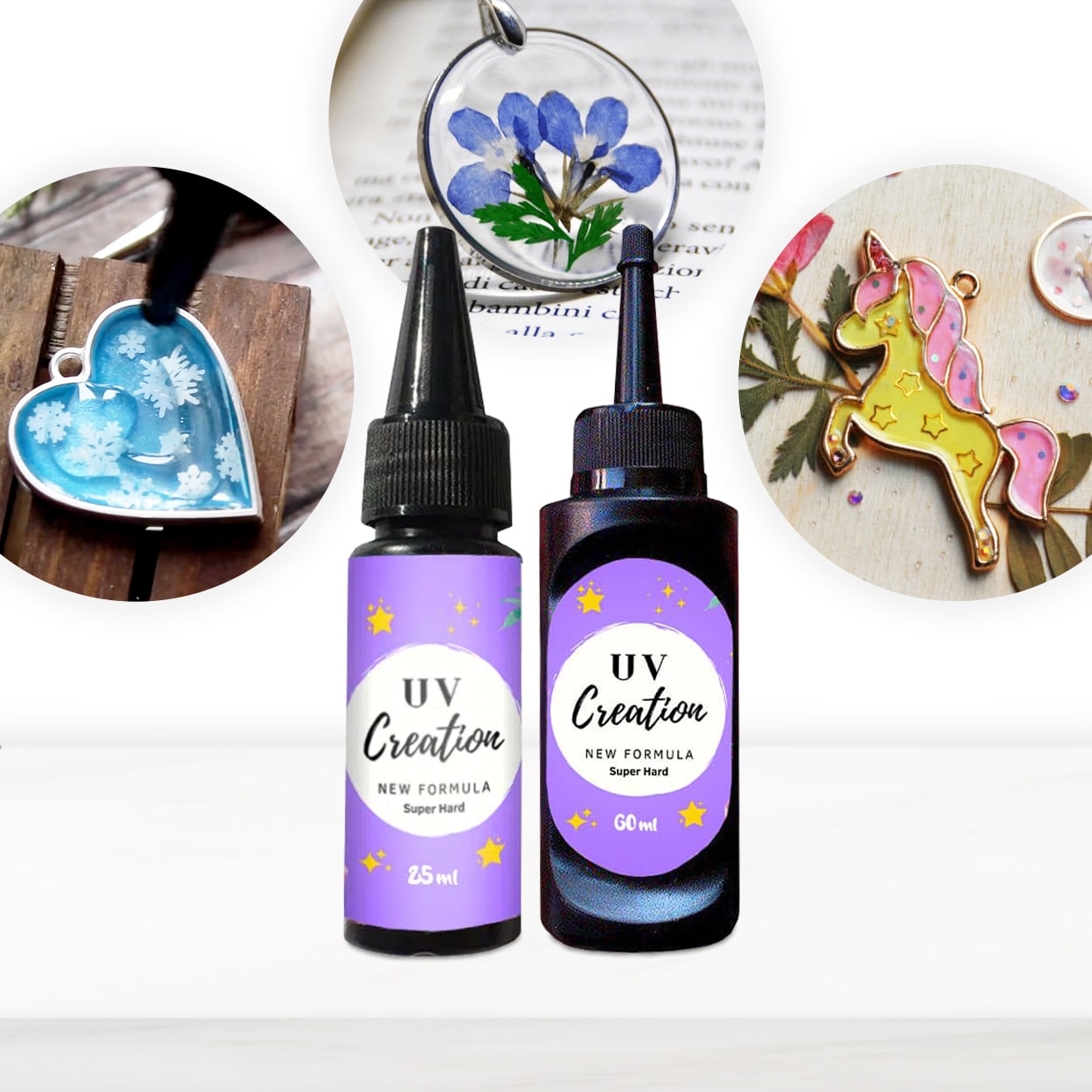
- “UV–Creation” – Fast Acrylic Resin, 3 Minute UV Cure: One-component UV resin for fast-curing, glossy jewellery projects—requires a UV lamp.
- “ICreation” – Fast Epoxy Resin, 6h Demoulding, Transparent Gloss Finish: Two-part fast-curing epoxy for when you need speed and a crystal-clear finish.
- Mixing cups, stirring sticks, silicone moulds or bezels, gloves, protective surface coverings, and a UV lamp (for UV resin)

Essential tools and accessories for resin jewellery projects
Having the right materials and accessories helps make the resin jewellery process easier and more enjoyable. Starter kits provide all basics in one box, while accessories such as open bezels, pigments, and reliable moulds let you create unique and personalised designs. Always assemble your materials prior to starting for a smooth workflow from start to finish.
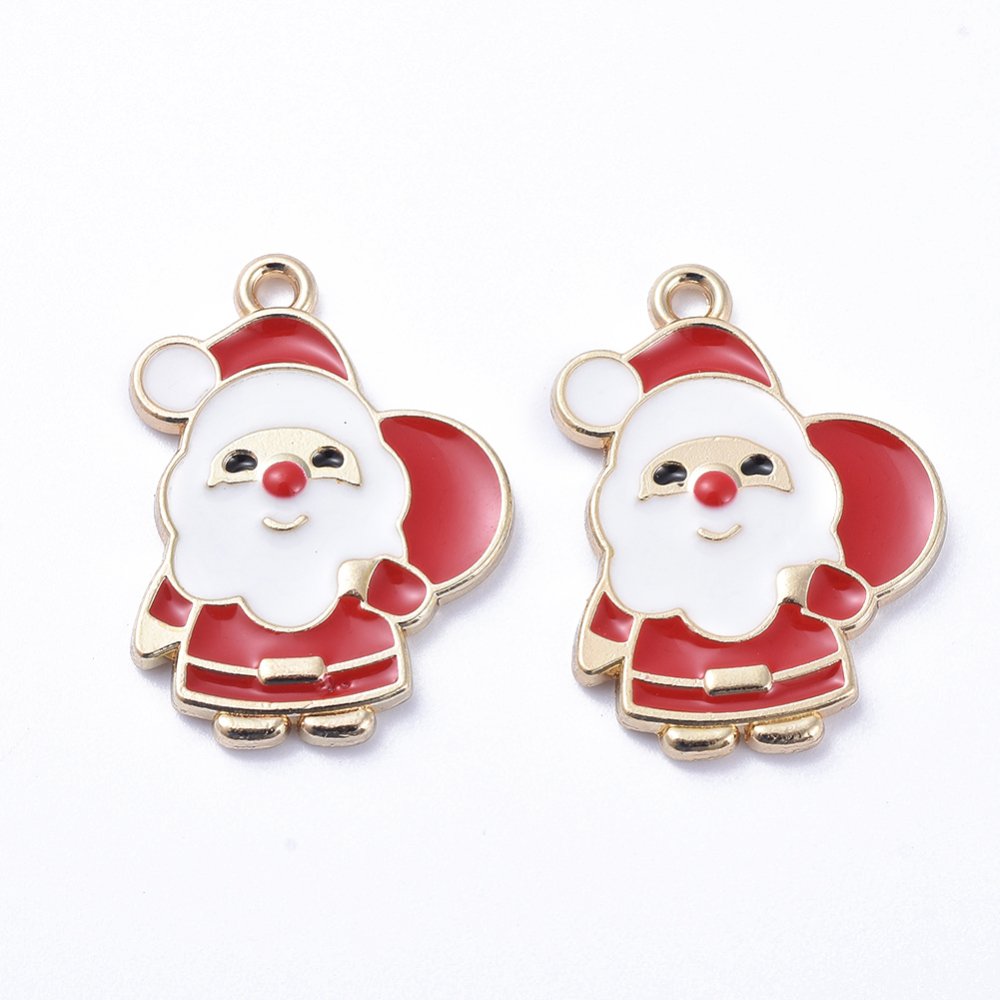
Step 1: Prepare Your Workspace and Materials
Choose a well-ventilated workspace and wear gloves to protect your hands. Place a protective sheet over your working area to catch any spills. Ensure all your moulds, bezels, and tools are clean and completely dry, as moisture can cause cloudiness or imperfections in the resin.
Lay out all required materials before beginning, organising them for smooth workflow. Double-check you have mixing cups, mixing sticks, and—if using UV resin—a functioning UV lamp within reach.
Step 2: Mix Your Resin Carefully
If you are using an epoxy kit such as the “Evershine Collection” or “ICreation” – Fast Epoxy Resin, read the included instructions closely to ensure correct ratios—some use a 1:1 mix, others require a 2:1 ratio. Always follow the manufacturer’s instructions for mixing ratios. Pour each part into a clean cup and stir thoroughly for several minutes with a slow, steady motion until the blend is fully homogenous and free of streaks or cloudiness.
For “UV–Creation” – Fast Acrylic Resin, use as directed straight from the bottle—no mixing required. For added colour, select a pigment approved for your resin type.
Step 3: Pour Into Moulds or Bezels and Add Decorations
Gently fill your silicone mould or open bezel, pouring resin slowly in a thin stream near one side. Pour resin slowly to avoid introducing air bubbles. If adding glitters, dried flowers, or other inclusions, use tweezers to position them after pouring a small resin layer. Top up gently so that inclusions are covered and surfaces remain level.
If using open metal bezels such as the Set of 10 Open Metal Bezels, be sure to seal the back with tape or mounting putty before pouring to prevent leaks. Add decorative details in layers for complex designs, curing or partially curing between steps as needed.
Step 4: Remove Bubbles and Cure
Use a cocktail stick or toothpick to pop any visible surface bubbles, or carefully sweep a heat gun at a low setting over the resin surface. Use a heat gun or toothpick to remove surface bubbles gently—do not overheat, as this can warp your mould or bezel.
Cure the resin as specified by the manufacturer. UV resins like “UV–Creation” require exposure to a UV lamp for 2–3 minutes. Epoxy resins need longer—consult your product, such as the faster-curing “ICreation” (demould in 6 hours, full cure in 12–24 hours), or the standard setting times of your kit.
Step 5: Demould and Finish Your Jewellery Piece
Once your resin has fully cured, carefully remove it from the mould or bezel. If using tape to seal bezels, gently peel it away. Trim any sharp edges or flash with fine sandpaper or a nail file for a perfectly smooth finish. Attach findings (such as earrings, rings, or chains) using jewellery pliers and jump rings to complete your piece.
Buff the finished resin with a soft cloth to achieve maximum shine, and let the piece sit in a dust-free area to harden fully if required by your resin type.
Tips, Common Mistakes, and Troubleshooting
Allow proper curing time to prevent a tacky finish. Rushing can lead to soft or sticky results. Avoid mixing resin vigorously, as this traps bubbles that can show in your piece. If your resin appears cloudy, check for moisture in moulds or improper mixing. Always work in a dust-free environment and cover curing pieces to keep debris away. For best results, store finished jewellery away from direct sunlight to preserve clarity.
Troubleshooting and finishing touches for flawless resin jewellery
For glossy, professional-looking resin jewellery, patience during curing is key. If imperfections appear, gentle sanding and a final buff restore clarity and shine. Use only compatible pigments and inclusions to keep surfaces clear and bright. Storing pieces in a cool, dry place ensures long-term durability and brilliance.

- "Evershine Collection" – Artisan Jewellery Epoxy Resin Kit with 100+ Accessories£20.85This kit provides 500g of clear epoxy resin and over 100 accessories, designed for jewellery makers and craft enthusiasts following the resin…
- Set of 10 Open Metal Bezels for Jewellery Making and UV Resin ProjectsOriginal price was: £8.45.£6.85Current price is: £6.85.This Set of 10 Open Metal Bezels offers a versatile base for festive jewellery making, designed for resin crafters and DIY enthusiasts.
- "UV–Creation" – Fast Acrylic Resin, 3 Minute UV CurePrice range: £7.85 through £59.85"UV–Creation" is designed for jewellery makers, offering fast curing UV acrylic resin that delivers clear, glossy, and non-yellowing results.
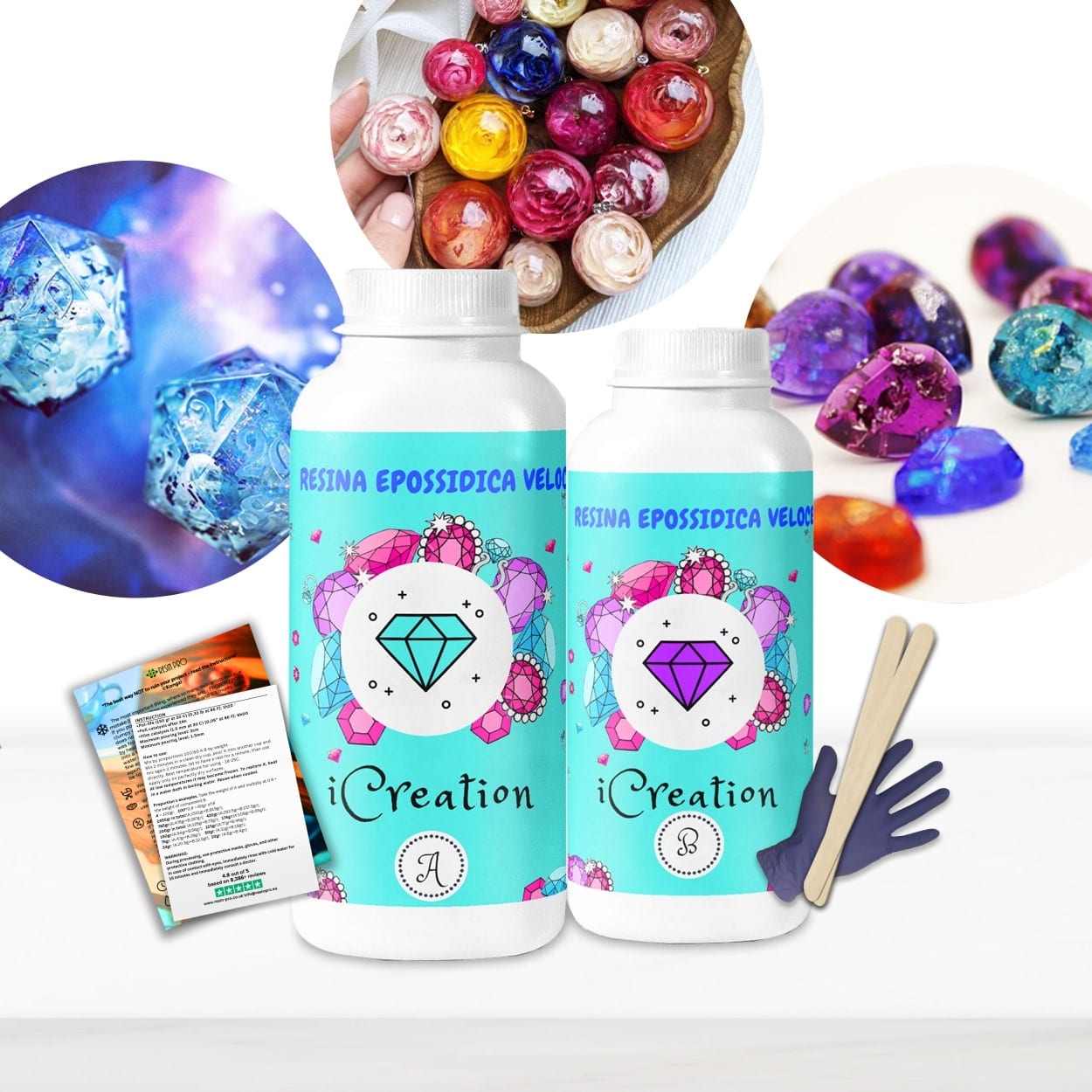 "ICreation" – Fast Epoxy Resin, 6h Demoulding, Transparent Gloss FinishPrice range: £19.40 through £52.85ICREATION fast epoxy resin is designed for jewellery making and crafts, delivering a clear, glossy finish with a 6-hour demoulding time.
Frequently Asked Questions
Can I make resin jewellery without moulds?
Yes, open metal bezels taped at the back allow you to create resin jewellery without traditional moulds.
Is resin jewellery safe to wear?
Once fully cured and handled according to product instructions, resin jewellery is safe for external wear.
How do I remove bubbles from resin jewellery?
Remove surface bubbles with a pin, toothpick, or short burst of gentle heat from a heat gun straight after pouring.
Why is my resin jewellery cloudy or tacky?
Cloudiness may be caused by moisture or under-mixing; tackiness usually results from insufficient curing or wrong proportions.
Can I embed flowers or photos in resin jewellery?
Yes, dried flowers and flat photos work well, but ensure they are free of moisture before embedding.
How do I achieve a glossy finish?
A crystal-clear, glossy finish comes from using high-quality resin, mixing thoroughly, and curing completely in a dust-free area.