 Free shipping on orders over £29,85
  Shipping Tracking!


 Google
 Facebook
← Back to Where does resin not adhere?
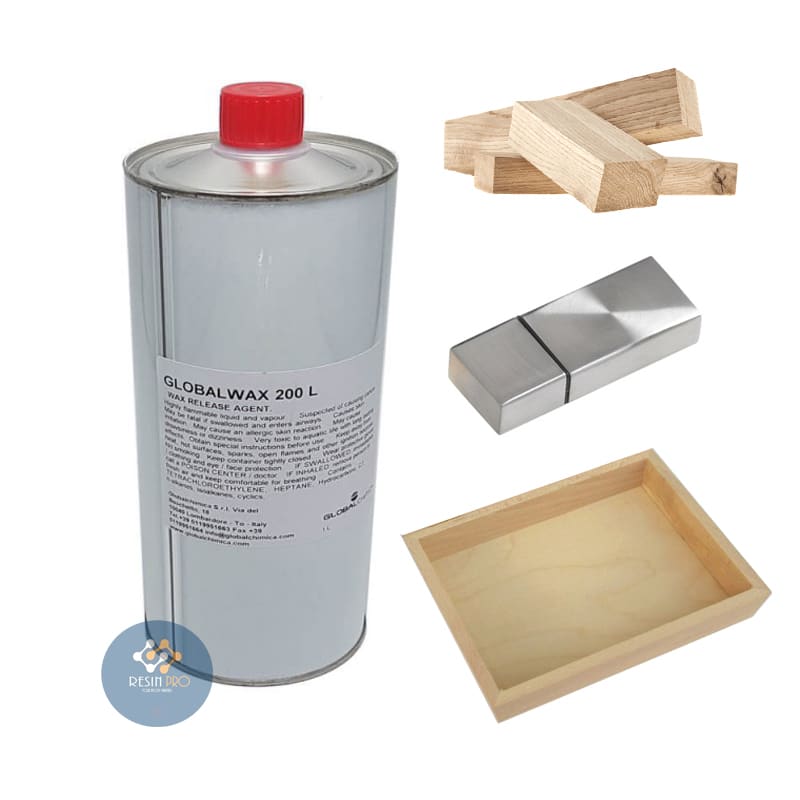
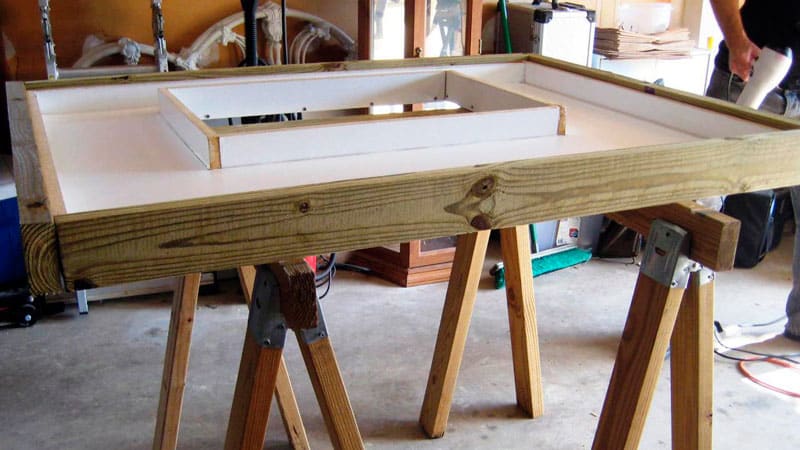
Demoulding resin from a mould can be tricky, but release wax offers a straightforward solution. By creating a temporary non-stick layer, it helps to ensure a smooth release and preserve the detail of your resin pieces.
Why Use Release Wax in Resin Projects?
Release wax is specially formulated to form a thin barrier between your mould and the resin. This prevents resin from adhering to the surface, which makes unmoulding much easier and helps reduce the risk of damaging either your project or the mould itself. This is particularly beneficial for intricate designs or when working with reusable moulds, as it extends their lifespan.


How to Apply Release Wax Effectively
Applying release wax is straightforward. The process only takes a few minutes, as most liquid waxes dry rapidly—often in as little as 2 to 3 minutes. Use a clean cloth or soft brush to apply a thin, even layer on the entire mould surface, paying extra attention to corners and fine details. For reliable results, ensure the wax is fully dry before pouring the resin. Products such as the “Global A2” Release Wax are compatible with wood, metal, plastic, and cardboard moulds, offering versatility for different project needs.
When Release Wax Matters Most
- Working with intricate or detailed moulds that would be difficult to demould otherwise.
- Reusing valuable or custom moulds and wanting to maintain their quality.
- Casting epoxy resin in moulds made from materials that tend to stick to cured resin.
Related products
Related guides
Applying release wax is a simple yet vital step for achieving professional-looking results and protecting your moulds. For more on surfaces where resin does not adhere, visit the parent guide on resin release techniques.