 Free shipping on orders over £29,85
  Shipping Tracking!


 Google
 Facebook
← Back to Where are acrylic resins sourced from?
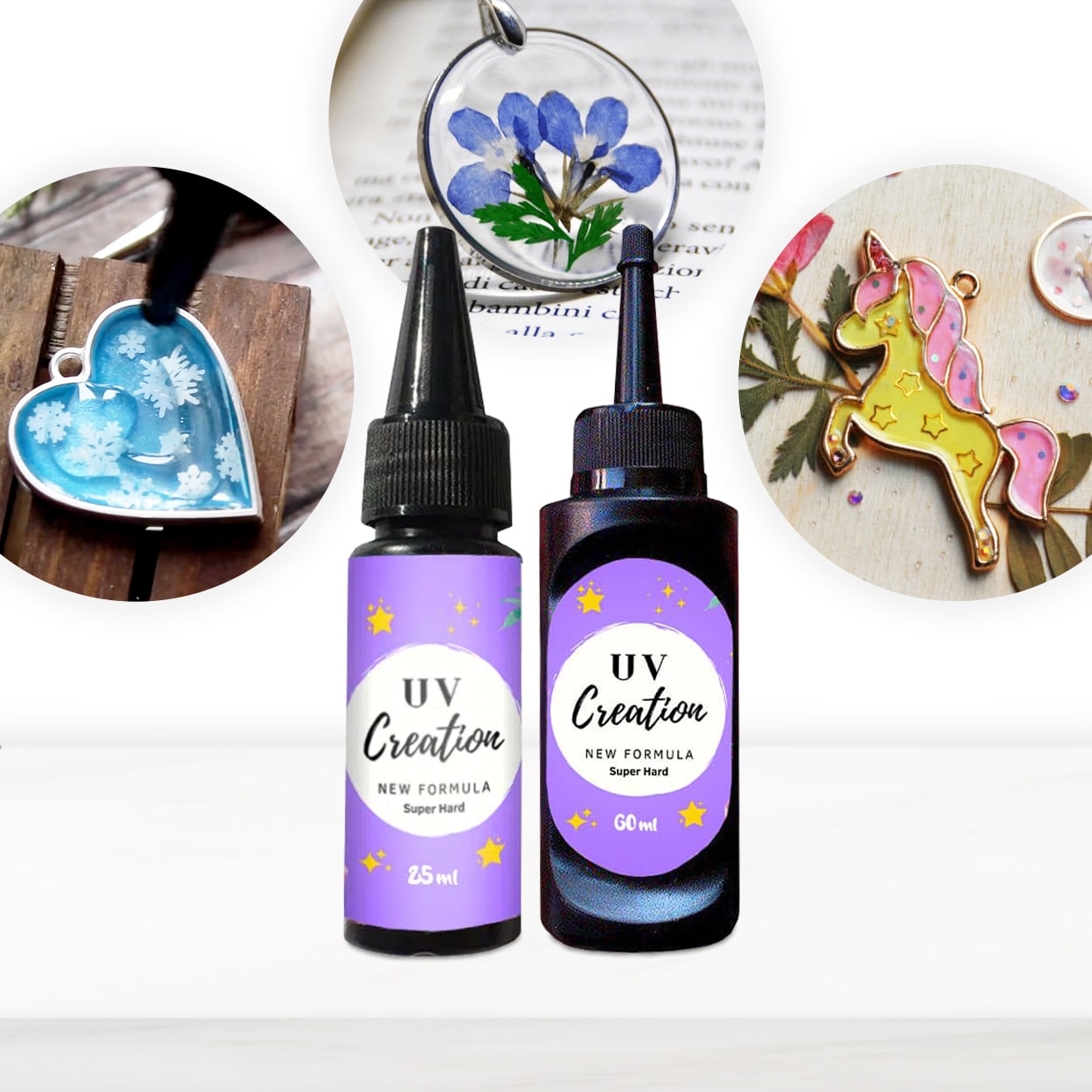
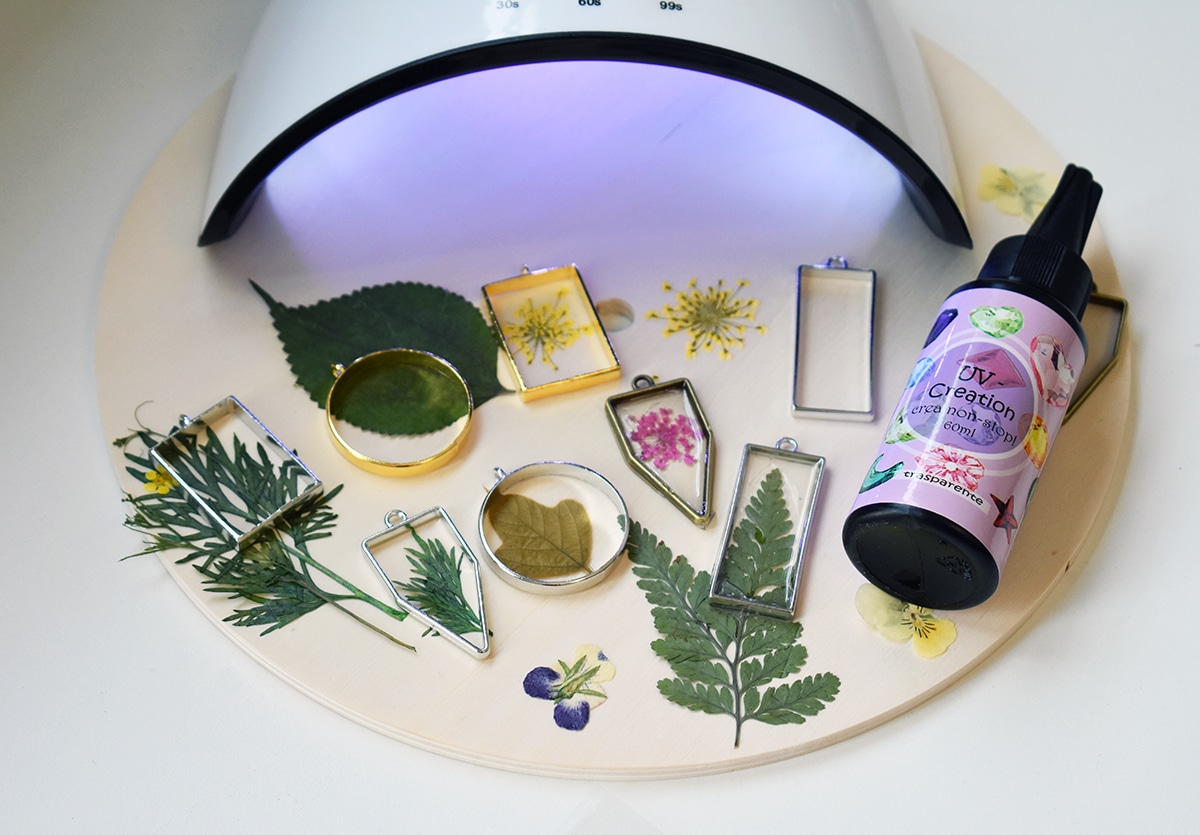
UV curing acrylic resins are valued for their rapid hardening under UV light, making them ideal for jewellery, crafts, and detailed decorative work. Understanding cure times is important for achieving the best results and choosing the right resin for your project.
Typical Curing Times for UV Acrylic Resins
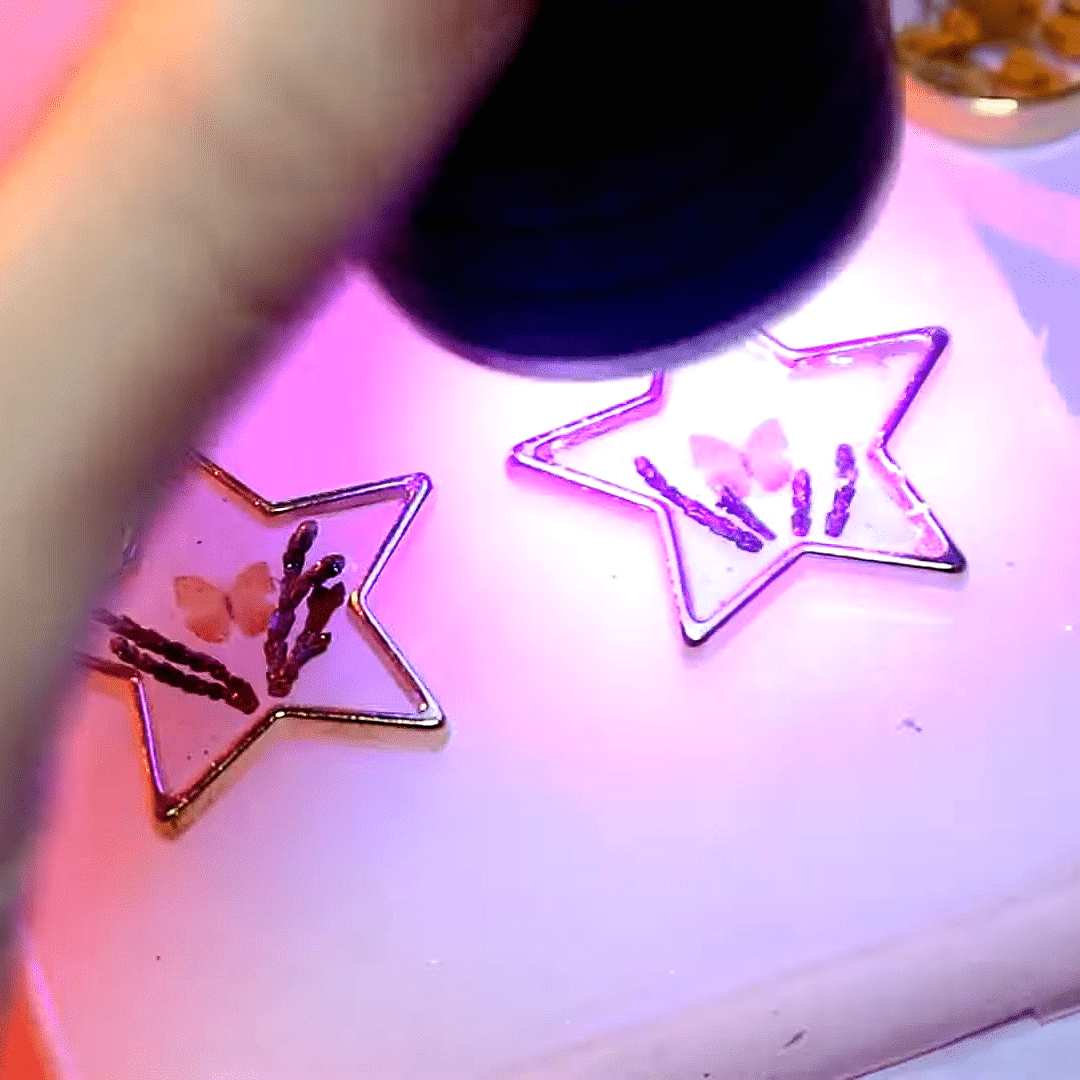
Most UV acrylic resins cure within 2 to 5 minutes when exposed to UV light. The precise time depends on the product and the thickness of the layer applied. For example, “UV–Creation” Fast Acrylic Resin is formulated to cure completely in just 2–3 minutes under a standard UV lamp, while decorative resins such as “Fairy Wings” may take slightly longer, especially on intricate reliefs.

What Affects Hardening Speed?
- Layer Thickness: Thinner layers cure more quickly and evenly. It’s recommended to work in layers no thicker than 3 mm to ensure consistent results.
- UV Lamp Strength: Higher-wattage lamps deliver faster curing. Ensure your UV source is positioned correctly and covers the entire surface.
- Resin Formula: Ready-to-use UV resins generally cure rapidly, but always check product guidelines for specific times.
Practical Tips for Faster Results
Apply your resin in thin, even coats and cure each layer fully before adding the next. Ensure objects or moulds are clean and dry prior to application. Both beginners and advanced crafters will appreciate the instant results possible with UV-cured acrylics, especially when creating jewellery, charms, or textured reliefs with products like “Fairy Wings” UV Resin for Volumetric Reliefs.

When This Matters
Quick hardening is especially helpful when working on time-sensitive projects, trial pieces, or when layering effects are required. Fast curing also means less downtime between creative stages, making UV acrylic resins the preferred choice for many professional and hobbyist makers.
Related products
Related guides
Choosing a UV-cured acrylic resin streamlines your crafting workflow and delivers rapid, quality finishes. For more on sourcing and selecting the right acrylic resin, visit our main guide on where acrylic resins are sourced from.