 Free shipping on orders over £29,85
  Shipping Tracking!


 Google
 Facebook
How is resin applied to plaster?
Step-by-step guide for smooth and long-lasting plaster coatings


Applying resin to plaster is a transformative way to protect surfaces, enhance visual appeal, and achieve a durable, glossy finish on everything from decor to art and restoration. This guide walks you through the entire process—ensuring you avoid common pitfalls and master the best techniques for beautiful, lasting results on plaster surfaces, regardless of your experience level.
What You’ll Need
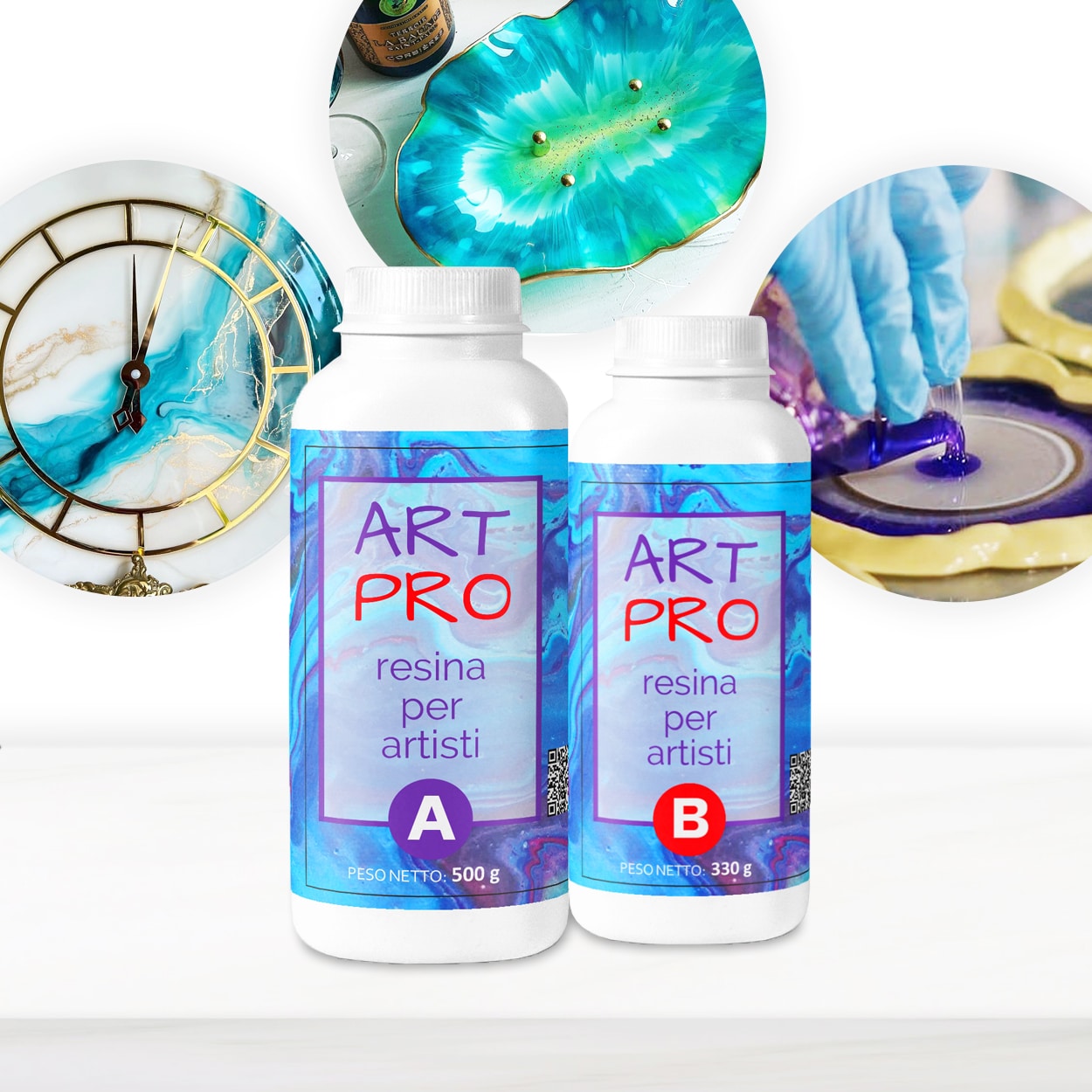
- “Art Pro” – Clear Epoxy Resin for Artists and Surface Coating (for clear, thin layers)
- “Trasparente” – Multipurpose Clear Epoxy Resin for Casting – Up to 2cm (for thicker coating or small casting needs)
- Resin & Paint Application Rollers – Short-Pile, Large, and Sponge Types (for uniform and precise coverage)
- Tooth Shaped Spatula for Epoxy Resin Application (for detailed spreading and even coating)
- Mixing containers and stirring sticks
- Protective gloves and a dust-free workspace

Essential Tools for Resin Application
Choosing the right tool makes a noticeable difference when applying resin to plaster. Rollers are ideal for achieving uniform, bubble-free layers on large surfaces, while a spatula enables precise work on smaller or detailed areas. Always select application tools that are compatible with the type of resin and size of your project for optimal results.
Step 1: Prepare the Plaster Surface
Begin by ensuring your plaster is fully set, clean and dust-free. Remove any traces of debris or uneven texture, as resin highlights every surface detail. Lightly sand any rough spots, then wipe down with a lint-free cloth.
Clean and dry the plaster thoroughly so the resin can bond securely and evenly, minimising the risk of delamination or surface defects.
Step 2: Seal the Plaster
Plaster is highly porous, which can cause bubbles or uneven resin absorption. To prevent this, apply a suitable sealant coat (a thin layer of epoxy resin also works). Allow it to fully cure as per the resin’s instructions before proceeding.
This step ensures a seal porous plaster before application, promoting a smooth, uniform finish and reducing the likelihood of air bubbles trapped in the final coat.
Step 3: Mix and Apply the Resin
Carefully mix your chosen resin—such as “Art Pro” – Clear Epoxy Resin for Artists and Surface Coating for a glass-like finish, or “Trasparente” – Multipurpose Clear Epoxy Resin for deeper coatings—following the recommended ratios and stirring method. Pour the resin gently onto the prepared plaster surface.
For broad areas, use a Resin & Paint Application Roller to achieve consistent coverage. For intricate designs or to manoeuvre resin into tight spots, a Tooth Shaped Spatula is ideal. Work steadily, spreading the resin to cover the surface evenly.
Pour or spread resin gently and evenly to avoid trapping air and achieve a flawless, glossy coating.

Step 4: Allow Resin to Cure Fully
Let the resin cure in a dust-free environment, following the resin’s recommended curing time (usually between 12 and 24 hours for surface coatings). Keep the area protected from disturbance, dust, and vibrations during this process.
Allow full curing before handling to ensure the surface reaches optimal strength, gloss, and durability.

Tips, Mistakes, and Troubleshooting for Resin on Plaster
Work in a ventilated, sheltered workspace to avoid introducing dust or debris onto your wet resin surface. Always mix resin thoroughly to avoid soft spots or cloudy patches. If bubbles arise after pouring, use a heat gun (at low setting) or a butane torch briefly above the surface, but avoid lingering too long.
Never skip the sealing stage as this may lead to excessive bubbles or patchy resin absorption. Avoid rushing curing or overworking the surface, which can create marks or dull spots. If you encounter resin drips, wait until partially set to trim or sand for best results.
Smooth Finishes for Creative and Practical Projects
Whether you’re coating plaster for artistic decor, functional protection, or restoration, the right resin technique unlocks versatile, smooth results. Always prepare and seal thoroughly, and select tools that match the scale and detail of your work for a durable, flawless finish.

- Resin & Paint Application Rollers – Short-Pile, Large, and Sponge TypesPrice range: £3.62 through £5.09Rollers designed for epoxy resin applications offer precision and uniform coverage suitable for detailed or larger resin surfaces.
- Tooth Shaped Spatula for Epoxy Resin Application£3.45Tooth Shaped Spatula offers precise, even epoxy resin application suitable for various surface sizes, supporting resin projects with accuracy.
- "Art Pro" – Clear Epoxy Resin for Artists and Surface CoatingPrice range: £19.95 through £267.95Art Pro clear epoxy resin provides a durable, clear finish suitable for artists and crafters seeking glass-like surface coatings.
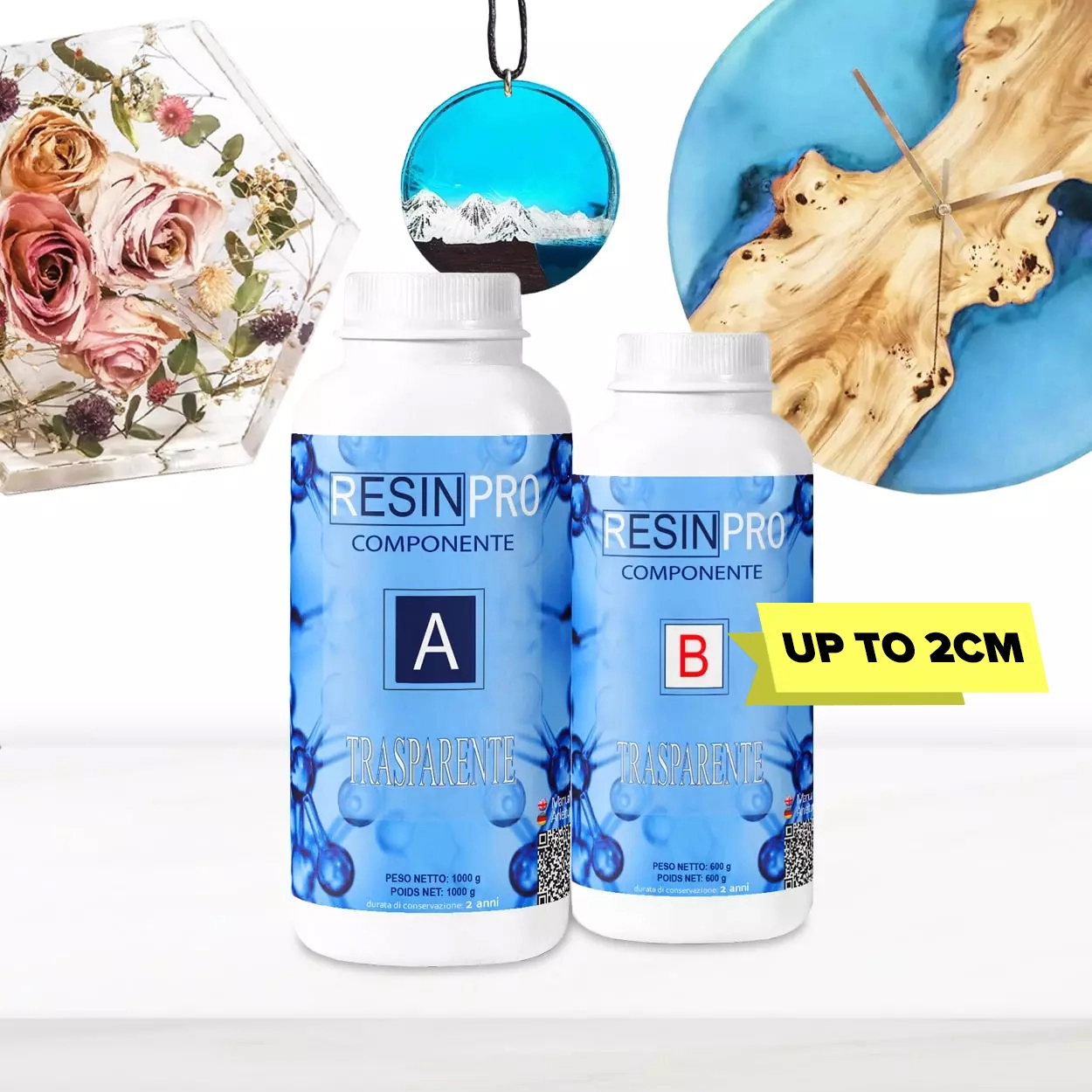 "Trasparente" – Multipurpose Clear Epoxy Resin for Casting – Up to 2cmPrice range: £8.95 through £397.95Clear epoxy resin designed for up to 2cm casting, suitable for detailed projects and a self-levelling glossy finish.
Frequently Asked Questions
Can you use epoxy resin on plaster objects?
Yes, epoxy resin is suitable for sealing and protecting plaster if the surface is cleaned and properly sealed beforehand.
How do you prevent bubbles in resin on plaster?
Seal the plaster in advance and mix the resin slowly; also, use a heat gun gently after pouring to eliminate surface bubbles.
Do plaster surfaces need sealing before resin?
Yes. Sealing is essential because bare plaster is very porous and can absorb resin unevenly, leading to defects.
Can you paint over resin-coated plaster?
After full curing, resin surfaces can be painted using oil-based or specialised paints, but light sanding may be needed for adhesion.
How long does resin take to cure on plaster?
Curing times vary with resin type, but most epoxy resins require 12 to 24 hours for an initial cure, and up to seven days for full strength.
What type of resin is best for plaster coating?
A clear, medium-viscosity epoxy resin is ideal for plaster, providing a durable, glossy finish and strong adhesion.
Should I use a roller or spatula for resin on plaster?
Use a roller for large areas and a spatula for detail work; both help achieve an even, professional finish.