 Free shipping on orders over £29,85
  Shipping Tracking!


 Google
 Facebook
← Back to How to replace missing rusted parts with resin?
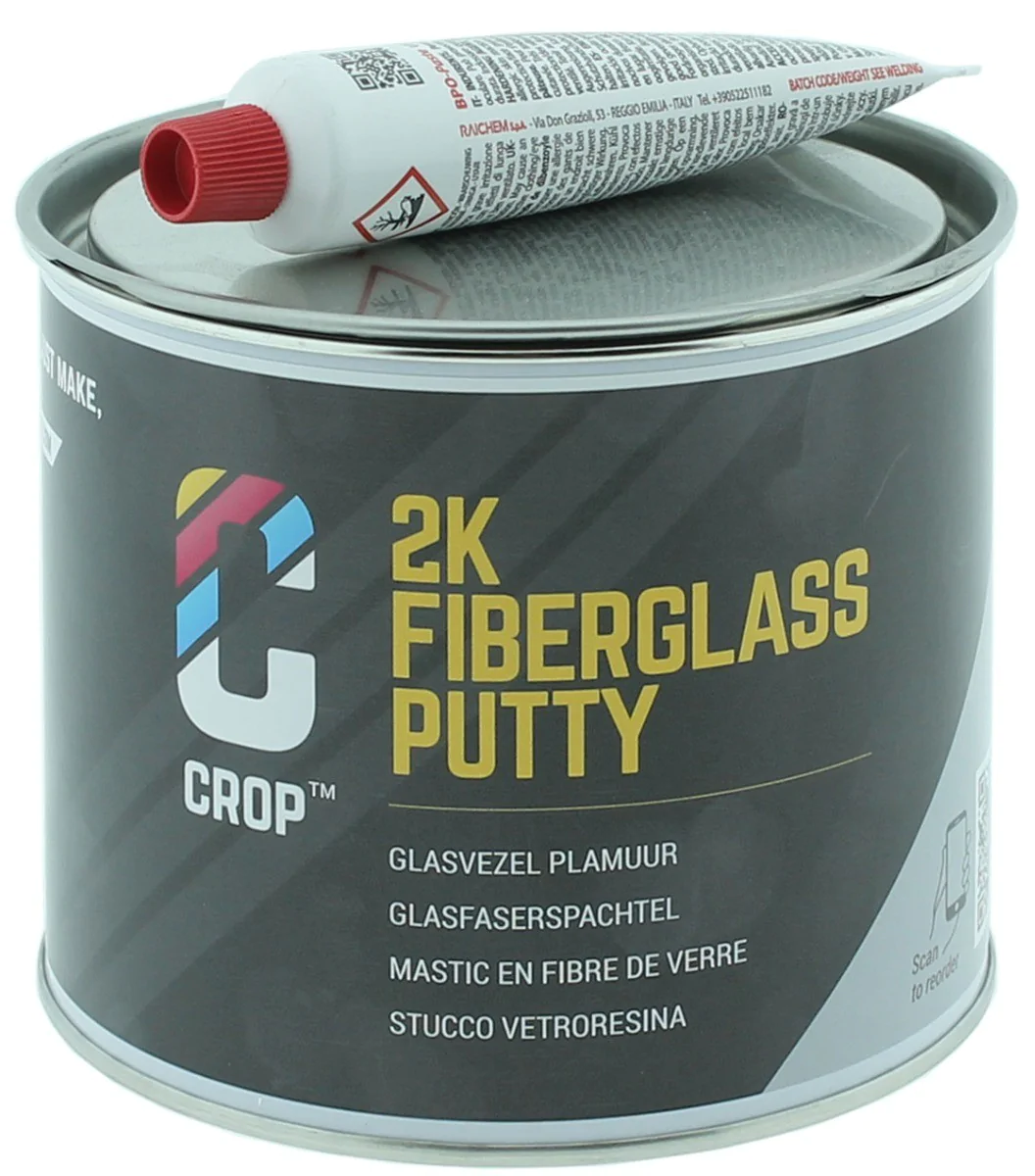
Achieving a strong and smooth resin repair isn’t just about application—it’s also about timing. Here’s what you need to know before sanding or painting over freshly applied resin.
Recommended Curing Times for Resin Repairs
For the best results, always check your product’s instructions first, as formulations vary. Generally, most resin repairs—including those made with products like CROP 2K Fiberglass Putty—require a minimum of several hours to harden fully. For deeper fills or repairs subject to stress, waiting overnight can help ensure complete curing before finishing steps. Resin that hasn’t cured long enough can gum up abrasive paper or ruin the paint finish.
How to Test If Resin Is Ready for Finishing
To check whether your resin is safe to sand or paint, gently press the surface with a fingernail or a tool. If it feels hard with no imprint, it’s likely ready. There should be no tackiness, softness, or odour on the surface. A fully cured resin creates a dust when sanded rather than clumping on the sandpaper.
Tips for Reliable Results
- Work in a controlled environment, avoiding excess humidity or low temperatures, which can slow curing.
- If you’re in doubt, resist the urge to rush; waiting a bit longer produces a better, more durable finish.
- Once the surface is hard, sand smooth and use a suitable primer before painting for an even, lasting coat.
When Waiting Really Matters
For larger or structural repairs—like restoring sections damaged by rust—giving resin or putty the right curing time is vital for safety and durability. Hasty finishing can weaken the repair or lessen protection against moisture and corrosion.
Related products
Related guides
Patience with curing pays off in stronger repairs and better-looking finishes, especially when restoring or replacing rusted parts with resin. For more on achieving reliable and lasting results, discover our full guide on how to replace missing rusted parts with resin.