 Free shipping on orders over £29,85
  Shipping Tracking!


 Google
 Facebook
← Back to How to Repair a Small Hole in Sheet Metal with Resins?
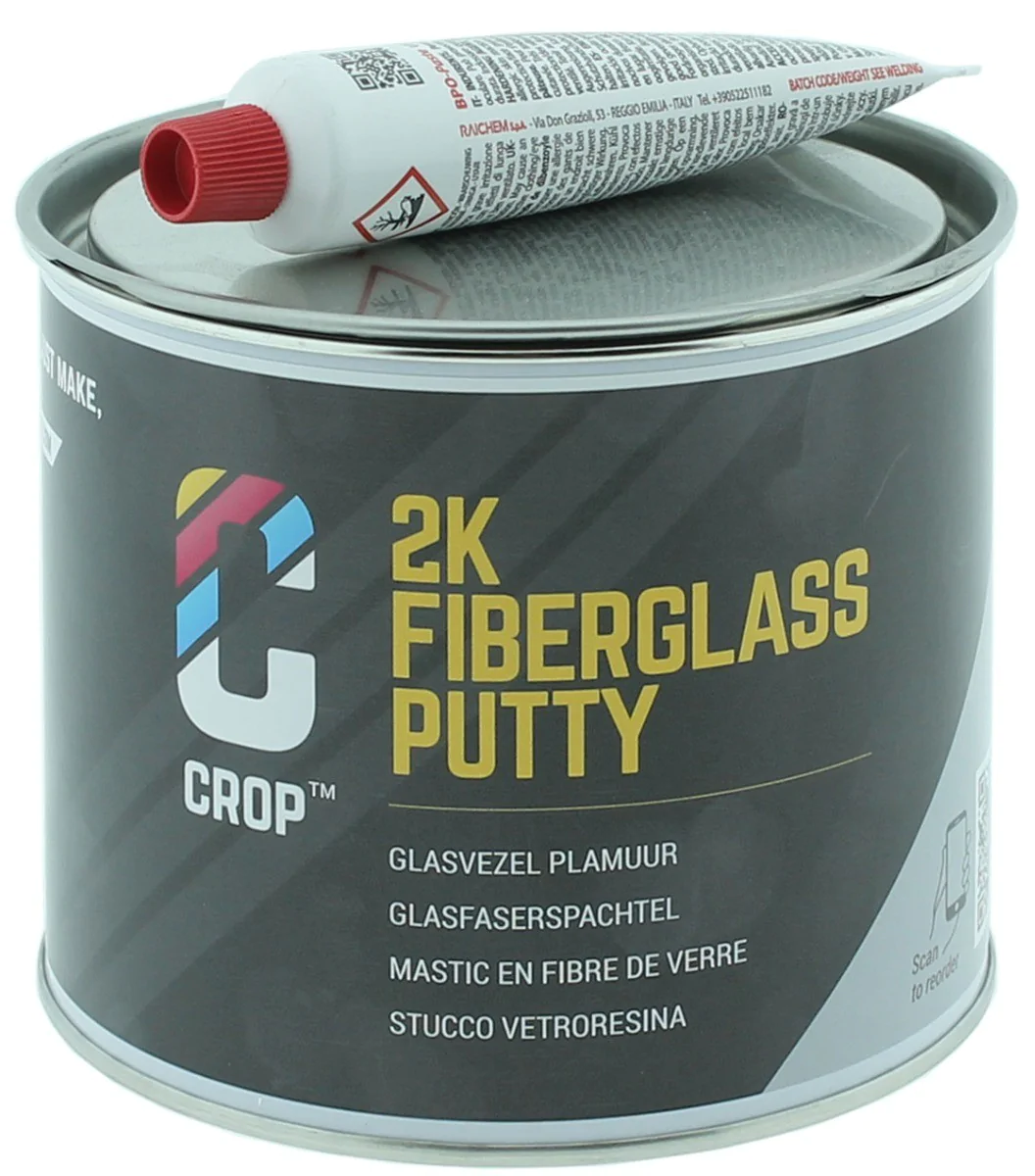
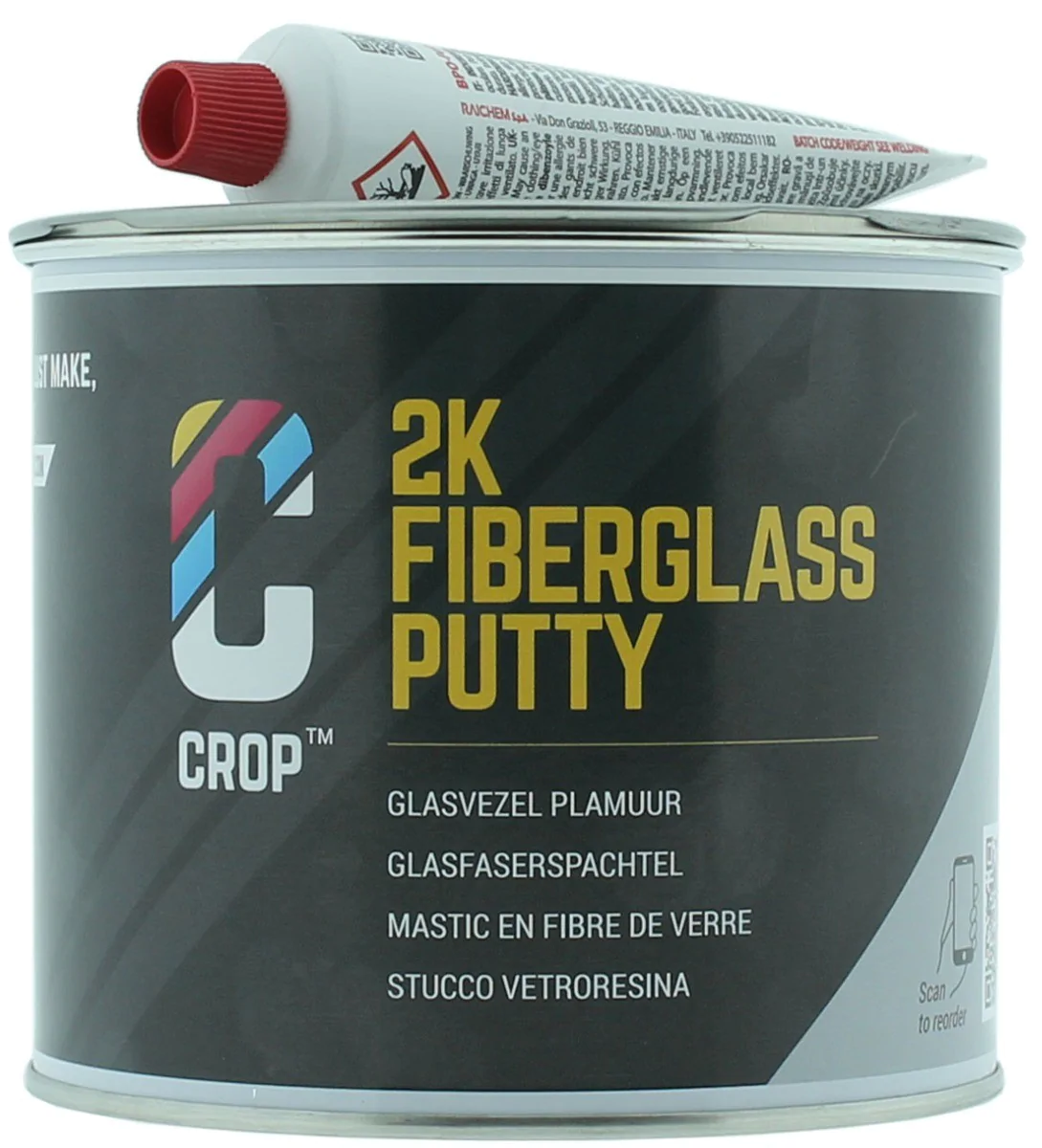
Achieving a smooth, lasting repair on sheet metal with resins depends on accurate curing times before sanding. Knowing when your resin is ready ensures quality and prevents surface damage.
How Long Should You Wait Before Sanding?
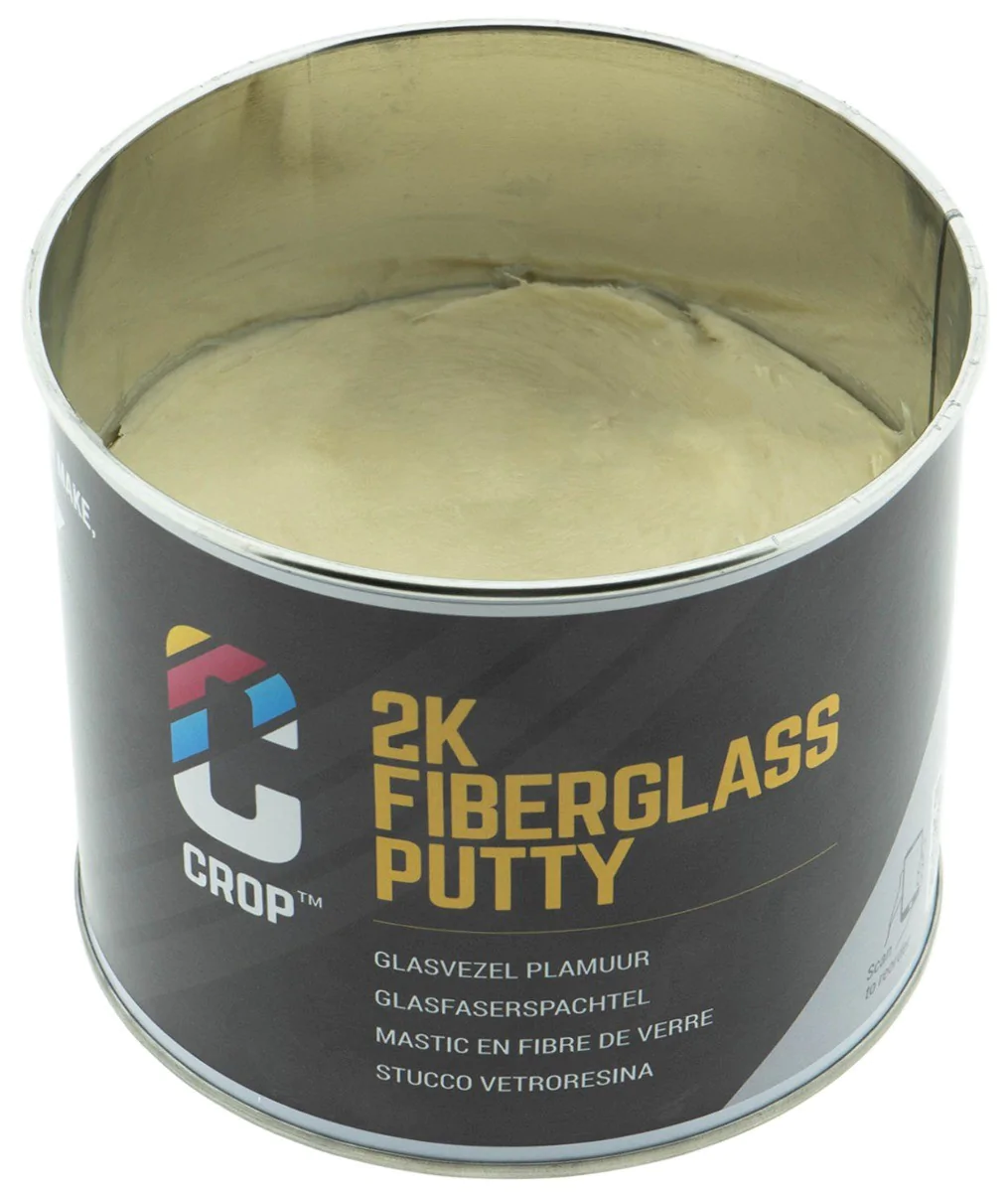
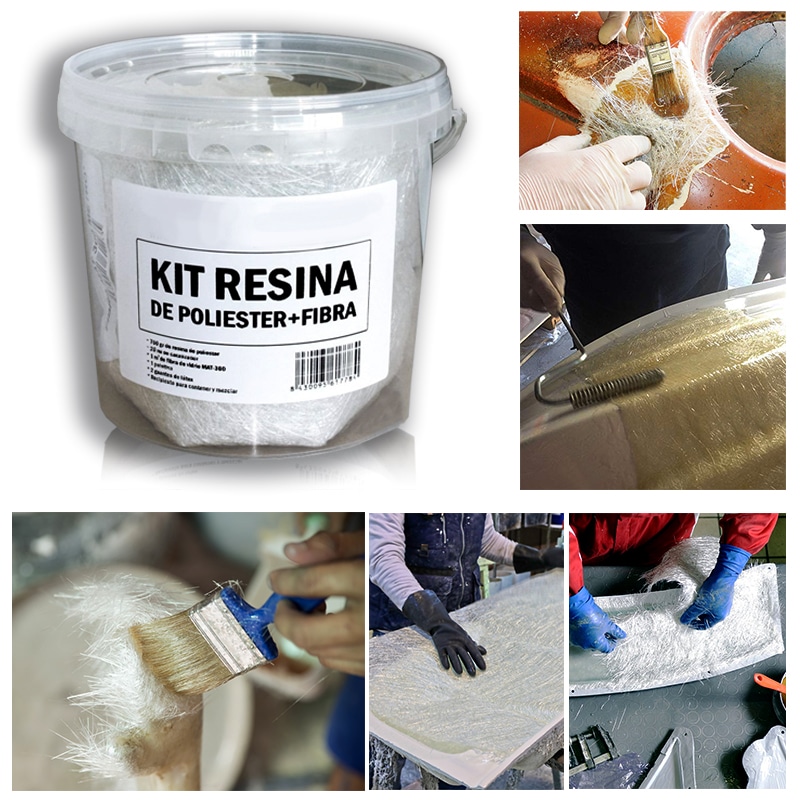
Cure times for sheet metal resin repairs can vary, depending on the specific product and job conditions. Most resins used for this purpose, such as CROP 2K Fiberglass Putty or polyester-based kits, are generally ready for sanding within a few hours to overnight at typical room temperatures (around 18–22°C). For the best results, always check your resin’s packaging for precise guidance, as some products may require longer periods—especially in cooler or more humid environments.

Tips for Successful Sanding
- Test the cured surface gently with a fingernail: if it feels hard, not tacky, it’s usually ready to sand.
- Start with a coarser grit and move to finer papers for a smooth finish.
- Ensure good ventilation, as sanding cured resin can produce dust.
Certain resins, like those reinforced with fibreglass, are formulated for easy sanding once cured, helping you achieve a flawless finish ready for primer and paint.
When Precise Curing Matters
Poorly timed sanding—before the resin is fully cured—can result in smearing, gouges, or uneven repairs. For structural repairs or visible surfaces, patience with curing translates directly to lasting, professional outcomes. If correcting small holes with reinforced putty or a fibreglass repair kit, waiting the recommended cure time is especially important for adhesion and surface quality.
Related products
Related guides
Allowing your resin to cure fully before sanding is key to strong, durable metal repairs. For more detailed steps on filler and reinforcement selection, see our main guide on repairing small holes in sheet metal with resins.