 Free shipping on orders over £29,85
  Shipping Tracking!


 Google
 Facebook
← Back to How to coat a nautical steel bracket with resin?
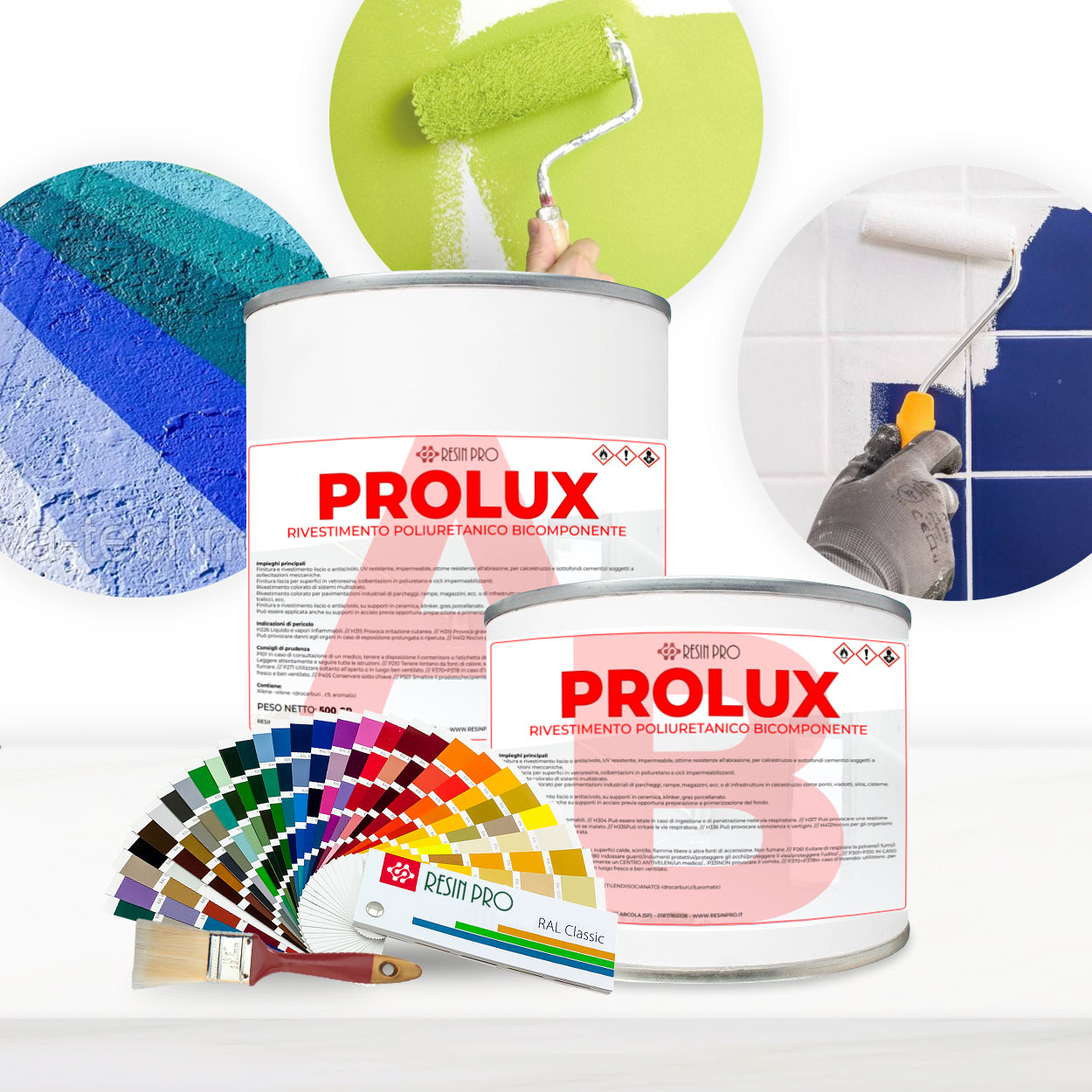

When coating steel brackets with resin, especially for marine or outdoor use, choosing the right number of coats is essential for lasting protection and durability. Each layer strengthens the barrier against moisture, corrosion and abrasion.
Recommended Number of Resin Coats
For most steel bracket applications, it is advised to apply at least two coats of resin. The initial layer creates strong adhesion and forms a base seal, while the second coat reinforces coverage, closing any small gaps. In very harsh or highly exposed environments, such as marine settings or areas with regular physical wear, a third coat can be beneficial for enhanced protection. This approach helps your brackets resist rust and weather-related damage over a longer period.
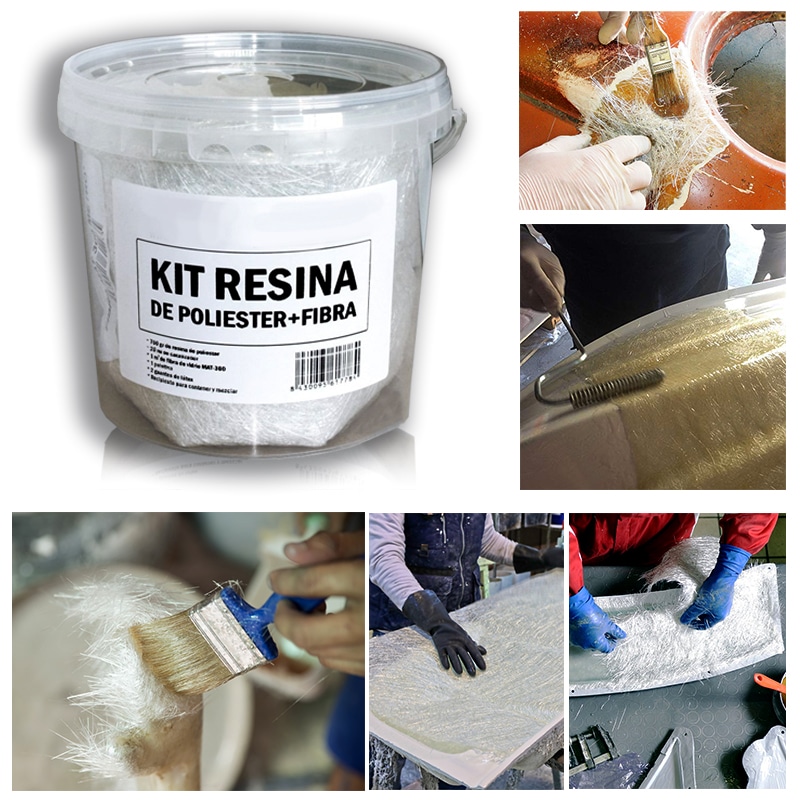
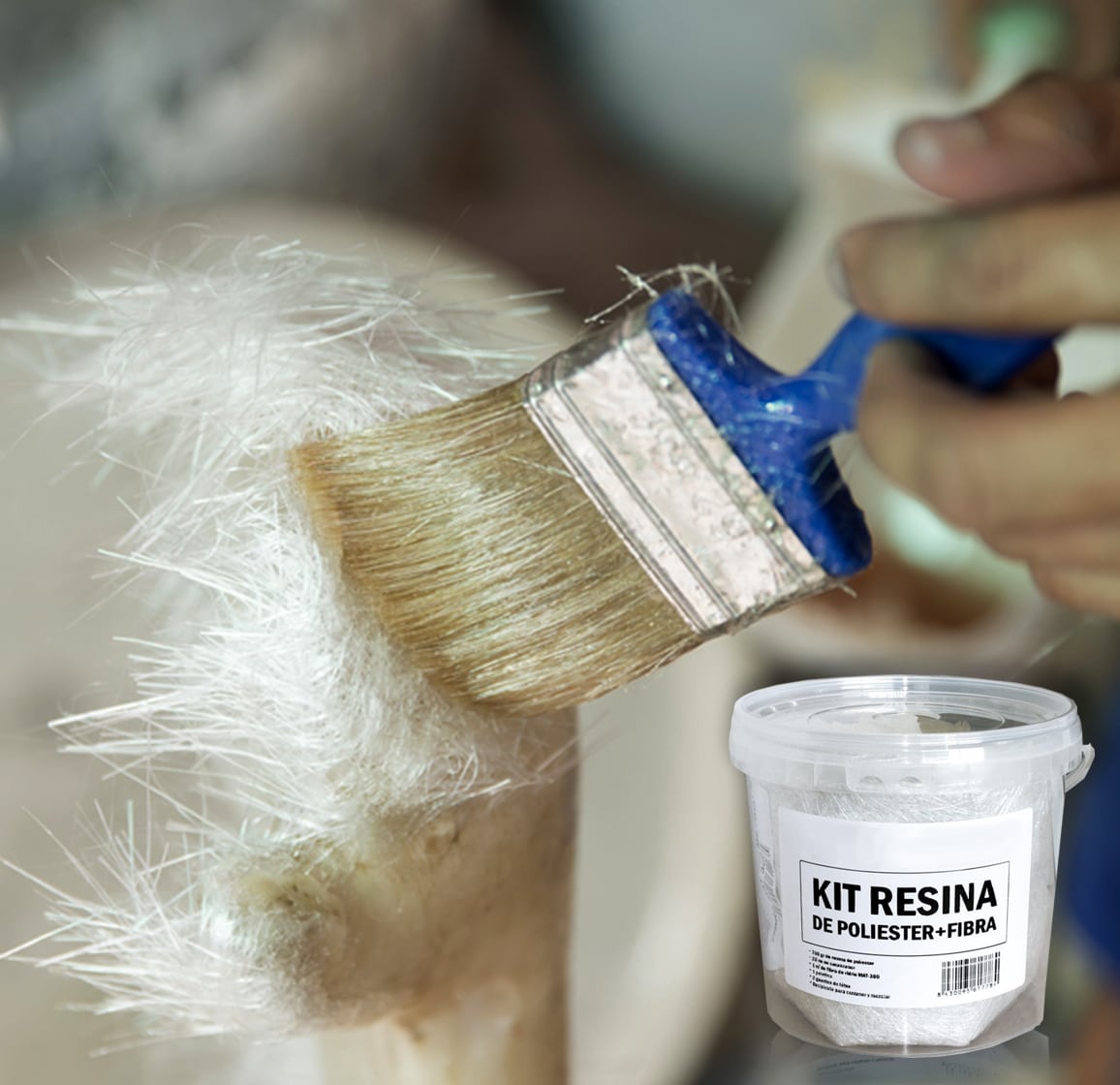
Preparation and Application Tips
Before applying resin, ensure the steel surface is clean, dry, and free from oils or rust. Light sanding or using a suitable primer can encourage the best resin adhesion. Allow each coat to fully cure as per the manufacturer’s guidance before applying the next layer. For high-performance and UV resistance, Prolux PU Coating is a strong choice for steel, offering weather, abrasion, and yellowing resistance.
When Extra Coats Matter Most
- Marine brackets exposed to salt water or humidity
- Outdoor fixtures subject to frequent rain or sun
- Industrial settings with chemical or physical stress
In these situations, opting for a third layer provides extra resilience and reduces long-term maintenance.
Related products
Related guides
Getting the correct number of resin coats on your steel brackets ensures reliable, lasting protection. For more detailed advice on the application process, have a look at our main guide on How to coat a nautical steel bracket with resin.