 Free shipping on orders over £29,85
  Shipping Tracking!


 Google
 Facebook
← Back to How many sessions are needed for waxing with resin?
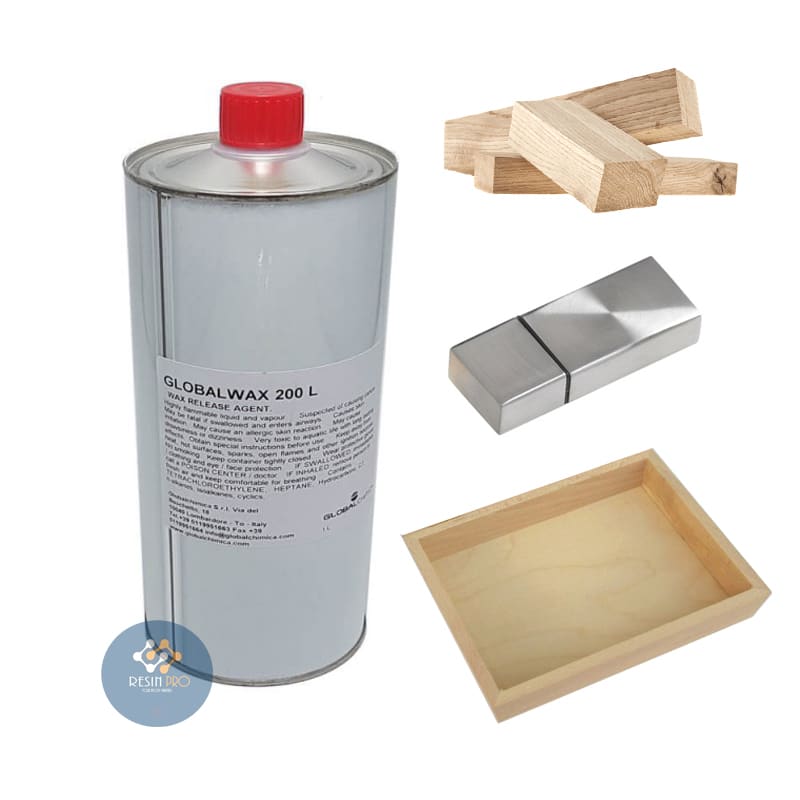

Applying release wax properly is a crucial step in resin casting, ensuring your finished piece demoulds cleanly. But how many wax sessions are really needed for effective results?
How Many Coats Are Enough?
For most resin projects, a standard recommendation is to apply 1–3 thin coats of release wax to your mould or surface. Start with a thin, even layer, allow it to dry completely, and then buff gently. Repeat this process for the second and third coats, letting each layer dry fully in between. This layering protects your mould and prevents the resin from sticking, especially for new or finely detailed forms.

Why Multiple Sessions Matter
Applying several coats helps to build a consistent anti-adhesion film, which is particularly important for intricate or porous moulds. Each layer fills tiny pores and further reduces the risk of your resin artwork bonding to the mould, saving both time and materials when demoulding.
- Apply additional coats for new or unseasoned moulds
- Buff each layer for a smooth finish
- Ensure full drying—typically just a few minutes with Global A2 Release Wax
When This Matters Most
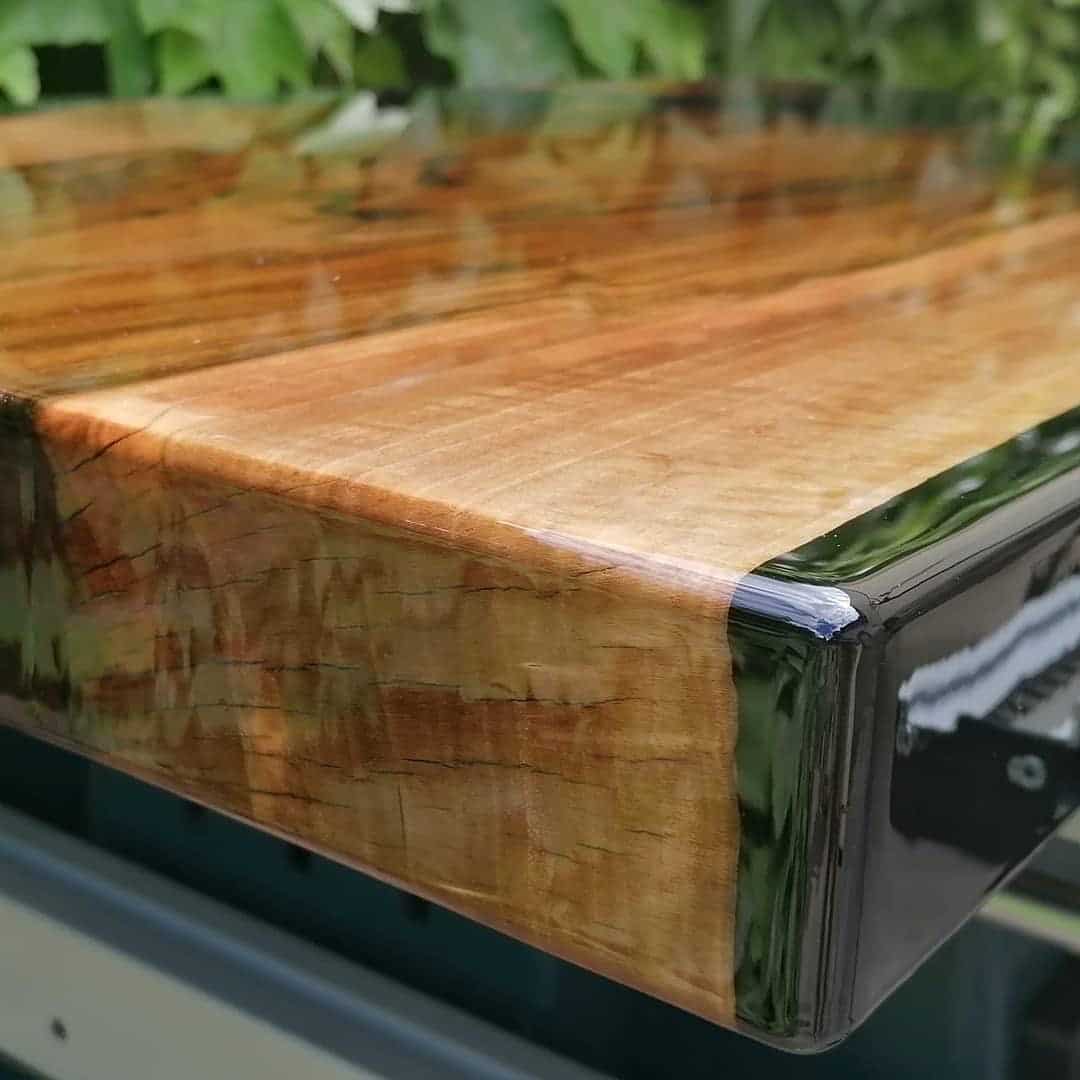
Taking time for proper waxing is essential for high-value or large resin projects like river tables and deep castings. If you’re using a new mould, working with complex shapes, or planning deep pours with products like “Epoxytable 10-Ten,” applying up to three coats reduces the risk of wasted resin and damage to your mould investment.

Related products
Related guides
Careful waxing not only eases demoulding but also protects your materials. Explore our full guidance on layering, casting, and managing your sessions on the main FAQ page.