 Free shipping on orders over £29,85
  Shipping Tracking!


 Google
 Facebook
How to apply epoxy resin on glass?
Applying epoxy resin to glass unlocks endless creative and practical possibilities, resulting in a high-gloss, durable finish that enhances the transparency and beauty of glass substrates. Whether you’re sealing glass artwork, making coasters, or refurbishing tabletops, following a precise method ensures excellent results and long-lasting clarity.
Step-by-step guide for professional glass epoxy finishes

Frequently Asked Questions
What is the best epoxy resin for coating glass items?
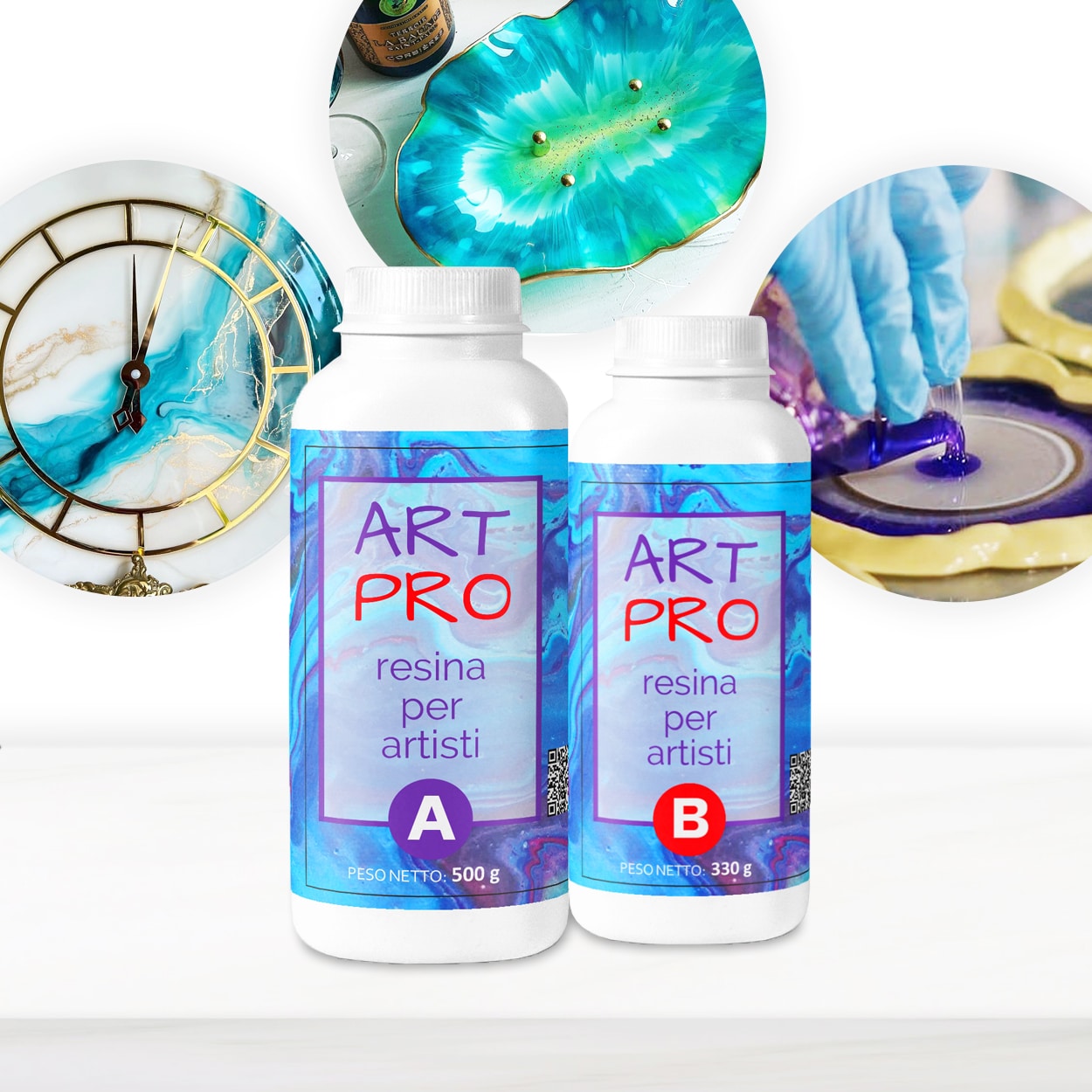
Choose an epoxy formulated for high clarity and good adhesion—resins like "Art Pro" or "Icrystal" work excellently on glass. For glassware that will touch food, "EpoxyFood" is certified food-safe, making it a top option.
How do I prevent bubbles when casting resin on glass?
Mix resin slowly and pour gently onto the surface. If bubbles appear, use a heat gun or breathe gently over the surface to help them escape. Make sure the glass and resin are at room temperature before starting.
Can I use epoxy resin on coloured or frosted glass?
Yes, but ensure the surface is clean and free from loose particles. For painted, coated, or etched glass, lightly sand or degrease first to improve adhesion. Always test on a small area if unsure.
How long does epoxy resin take to cure on glass?
Curing times range from 12 to 24 hours for initial hardness, but maximum strength and clarity are reached after several days. Refer to your specific resin's instructions for best results.
Is epoxy resin food-safe on glass surfaces?
Only food-certified resins—such as "EpoxyFood"—should be used for surfaces in contact with food or drink. Allow full curing before use for safety and durability.
What can I do if the resin layer develops sharp drips or edges?
Once fully cured, these areas can be sanded smooth using fine abrasive paper, then polished for a clear finish. Prevent drips by masking edges before pouring.