 Free shipping on orders over £29,85
  Shipping Tracking!


 Google
 Facebook
← Back to How do you pour resin on a table with bottle caps?
Preventing bubbles in resin is key to achieving a crystal-clear finish when pouring over bottle caps. With the right approach, you can embed caps perfectly while keeping your surface smooth and clear.
Prepare and Seal Bottle Caps and Surface
Before your main pour, make sure your bottle caps and tabletop are clean and completely dry. Apply a thin “sealing” layer of resin to both the tabletop and the caps, which helps trap any air and forms a barrier. Allow this thin layer to partially cure; this step greatly reduces the risk of air escaping from the caps and causing bubbles in your main pour.
Pouring Techniques and Bubble Remediation
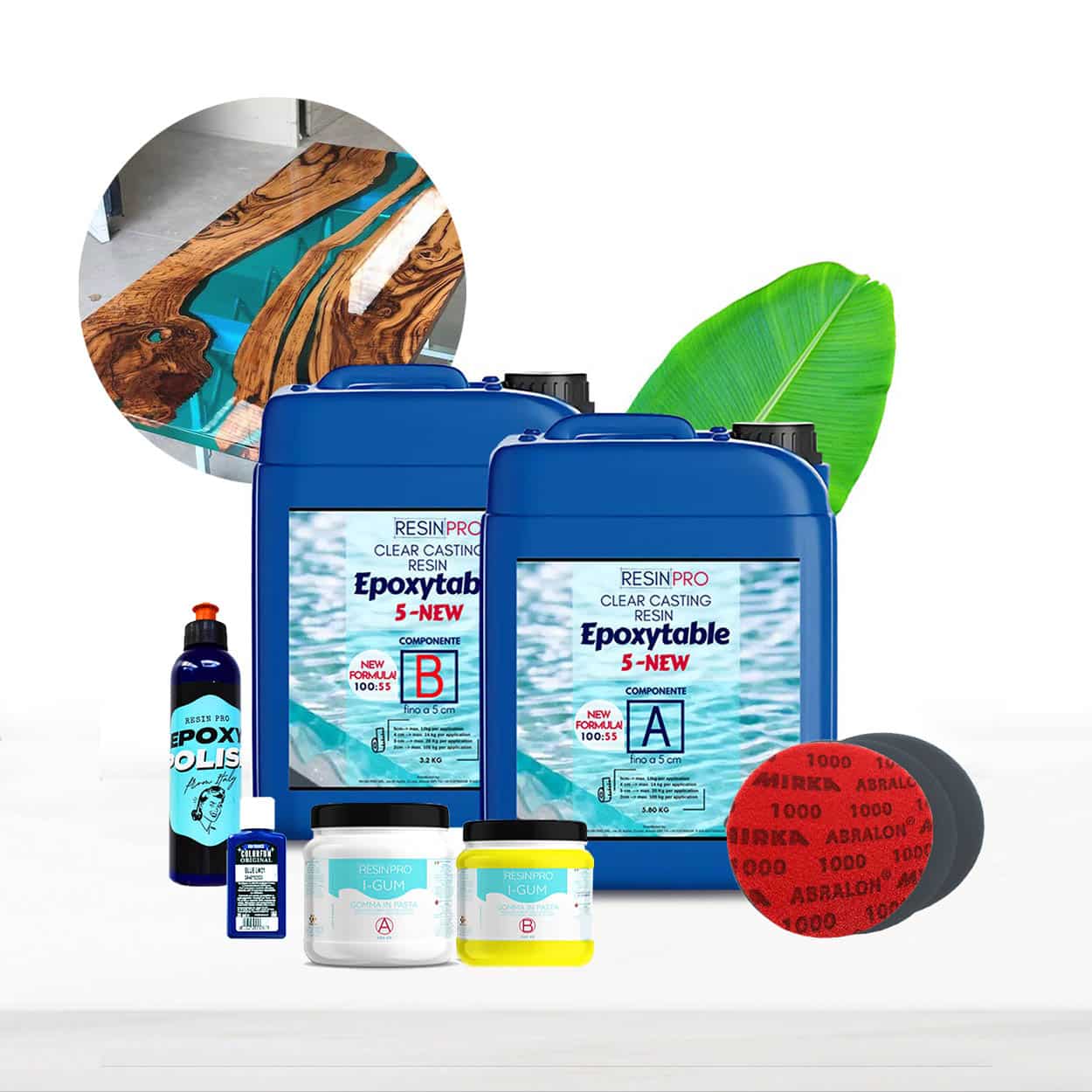
Choose a low-viscosity epoxy resin designed for tabletops, such as the EpoxyTable 5-Five, which naturally yields fewer bubbles. Pour slowly and steadily to prevent air pockets. Directly after pouring, inspect for surface bubbles. A kitchen torch or a heat gun, used carefully, can help dissipate bubbles that rise to the surface. Move the torch swiftly across the area to avoid overheating the resin or marring the finish.
When This Matters Most
Bubbles can be especially noticeable and distracting in clear or lightly tinted resin finishes, and around embedded objects like bottle caps that attract attention. Proper sealing and bubble management are essential for projects aimed at a professional, showpiece appearance.
Related products
Related guides
With careful sealing and correct bubble removal techniques, your table will brilliantly display every bottle cap beneath a flawless surface. For more creative ways to incorporate bottle caps and resin, see our full guide on pouring resin on tables with bottle caps.