 Free shipping on orders over £29,85
  Shipping Tracking!


 Google
 Facebook
← Back to How to Make Resin Miniatures
Bubbles can spoil the finish of even the most carefully sculpted resin miniatures. Fortunately, a few straightforward techniques help you achieve crisp, clear results with fewer imperfections.
Gentle Mixing and Pouring Techniques
One of the most effective ways to prevent bubbles is to mix your resin gently and at a steady pace. Vigorous stirring tends to trap air, so slowly folding the components together is advised. When pouring the resin into your mould, do so slowly and steadily in a thin stream. This gives air bubbles the chance to rise and escape before the resin sets.
Preparation and Mould Handling
After pouring, lightly tap or flex the mould to help release trapped air from intricate details. Another useful tip is to gently warm the filled mould (for example, by placing it on a radiator or warming the resin slightly prior to mixing). This lowers the viscosity, making it easier for bubbles to escape. Be careful not to overheat, as this can compromise the setting process.
Choosing the Right Resin for Details
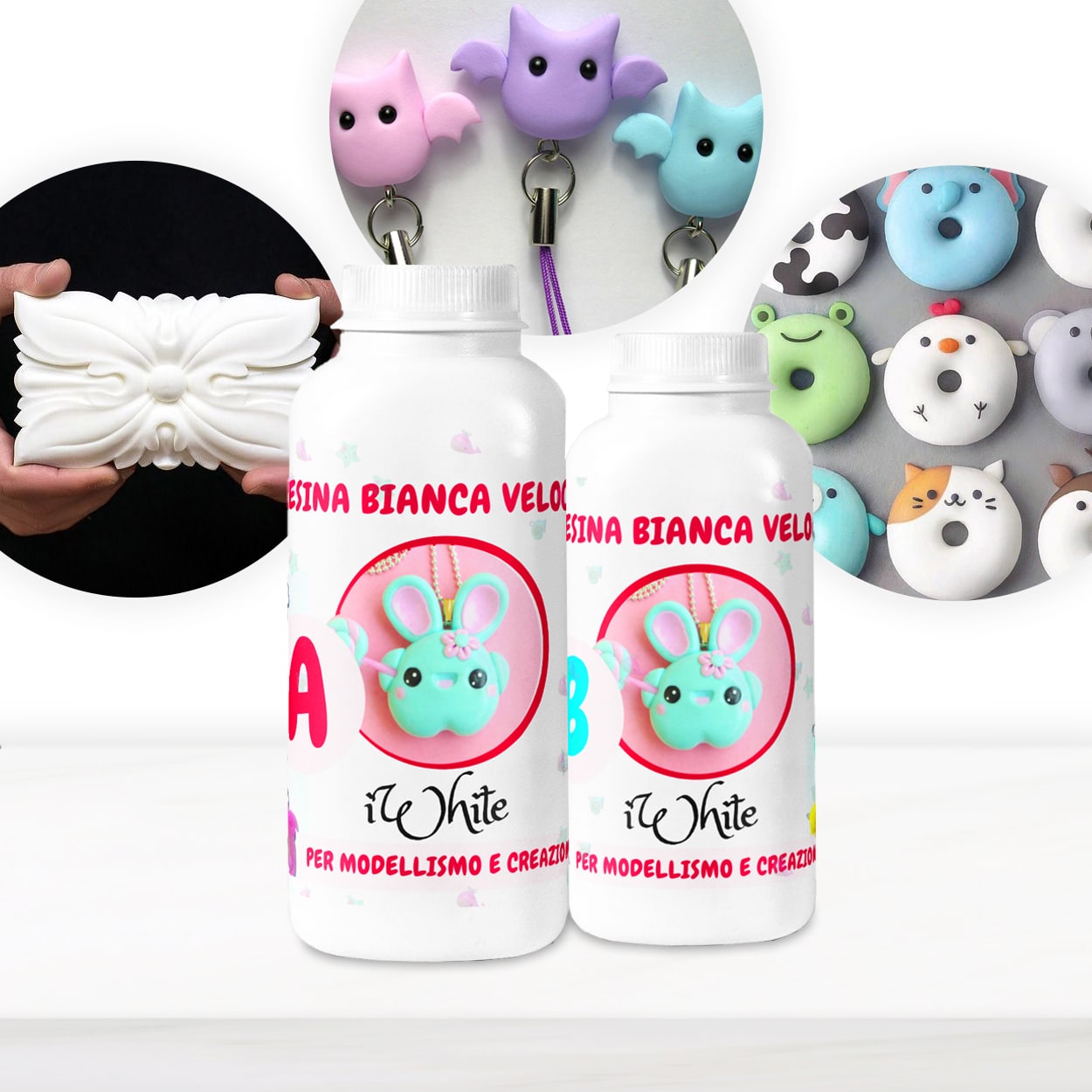
Some resins are specially formulated for miniature casting, providing high fluidity and detail reproduction. For example, products like IWhite Polyurethane Casting Resin flow easily into fine features and can help reduce the likelihood of trapped air. Fast-curing systems, such as ICREATION fast epoxy or UV-cured gels for surface reliefs, are also helpful, as they often minimise the window for bubbles to form or remain.
When This Matters Most
Precise bubble control is especially important for miniatures with complex textures, small mould cavities, or transparent finishes where air pockets would be most visible. Investing extra care at each step produces the cleanest and most professional-looking results.
Related products
Related guides
Once you master bubble prevention, you can enjoy clearer, more detailed miniatures. For more techniques and tips on working with resin, visit the main How to Make Resin Miniatures hub page.