 Free shipping on orders over £29,85
  Shipping Tracking!


 Google
 Facebook
← Back to How to resurface a bathtub?

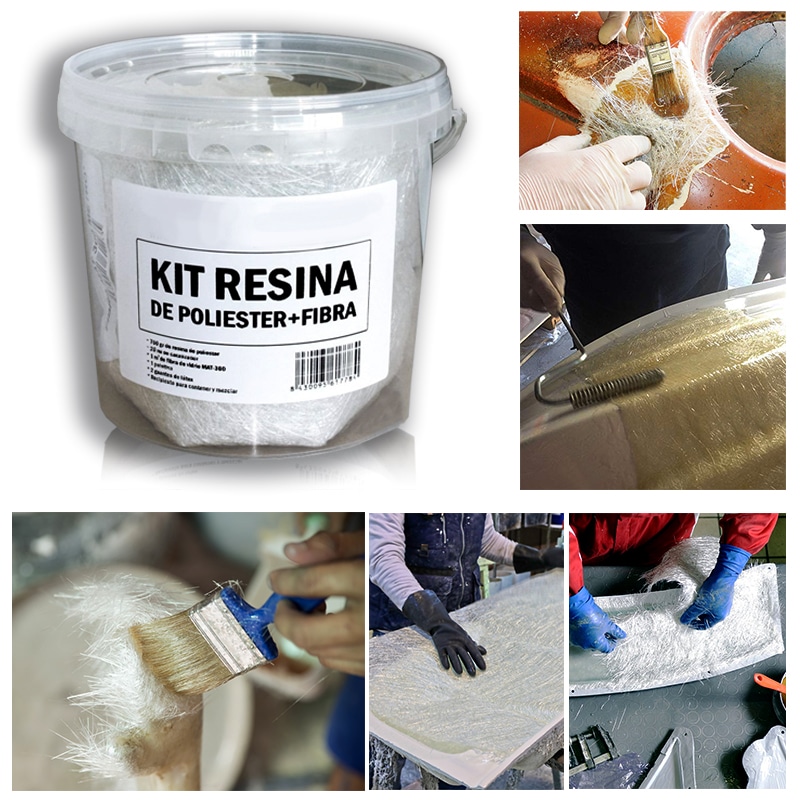
Achieving a smooth, durable surface when resurfacing a bathtub requires attention to detail. Taking the right precautions helps prevent bubbles and peeling, two common issues that can compromise your finish.
Key Steps to Prevent Bubbles and Peeling
Preparation is fundamental for a flawless resurfacing outcome. Start by thoroughly cleaning and degreasing the tub to remove soap residues, oils, and any loose debris. Stripping away old paint or coatings with a suitable tool like a Heavy Duty Scraper ensures the new surface can adhere correctly. Avoid working in humid or overly cold environments, as excess moisture or temperature variations can interfere with curing and promote bubbling.
Applying Resin with Care
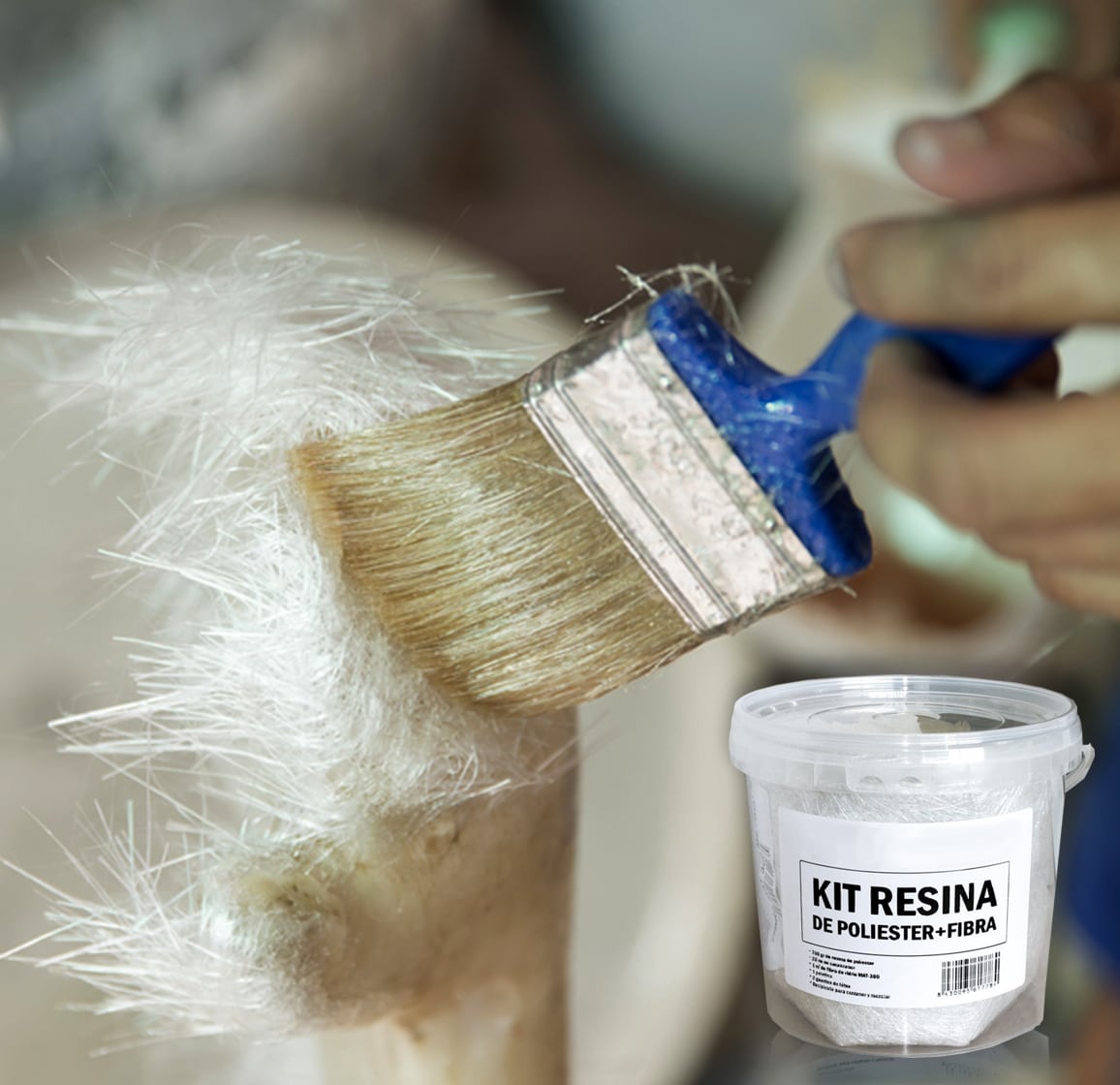
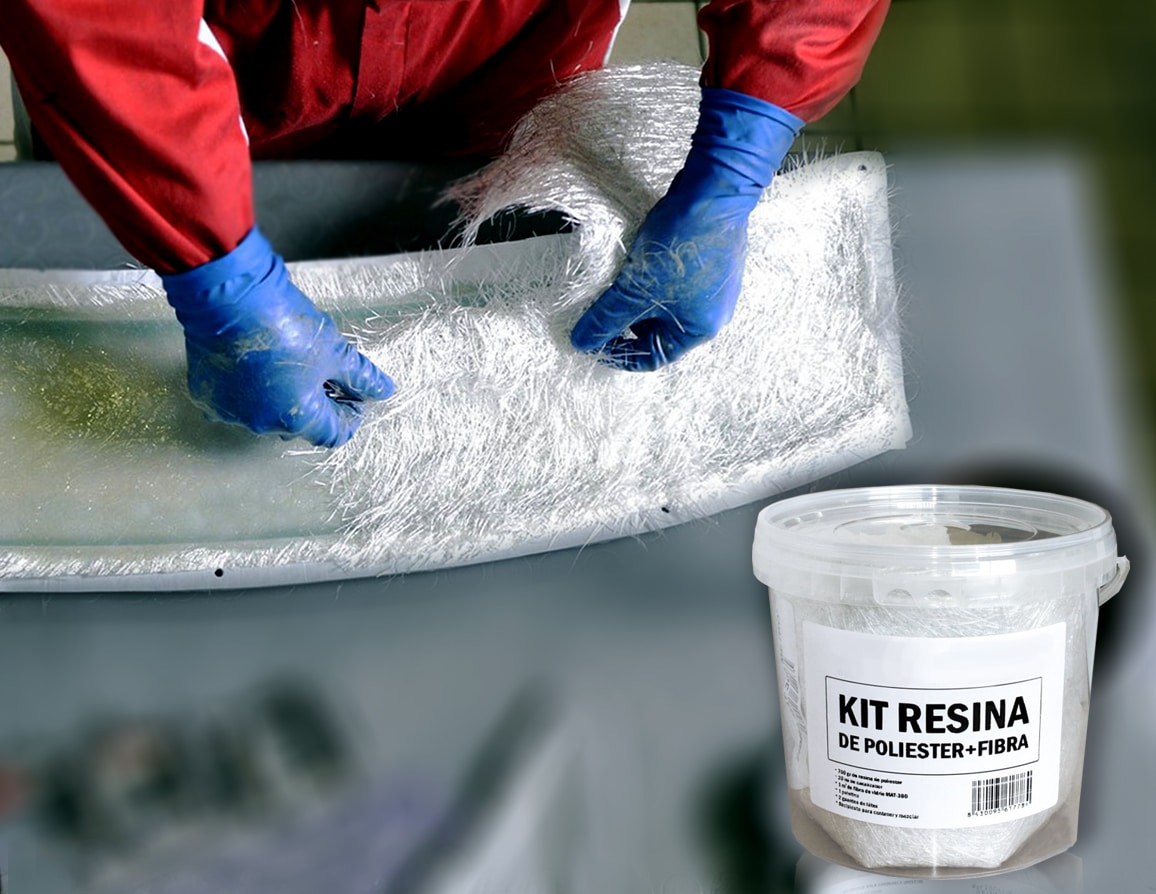
When applying your resin (such as the Resin Fibreglass Repair Kit), mix according to the product instructions, and spread it evenly using the recommended tools. Apply multiple thin layers, giving each coat plenty of time to cure fully before adding the next. Rushing this step can trap moisture or air, leading to blisters or loss of adhesion. Maintain gentle airflow and avoid direct drafts to support even drying.
Finishing for Lasting Results
Once the resin has cured, sand the surface with progressively finer grits using pads suitable for resin, like the Ebonite Abralon Sanding Pads. This not only removes minor imperfections but also ensures a smoother, more professional result. Finishing can also help to spot and address early signs of peeling before they develop.
When This Matters Most
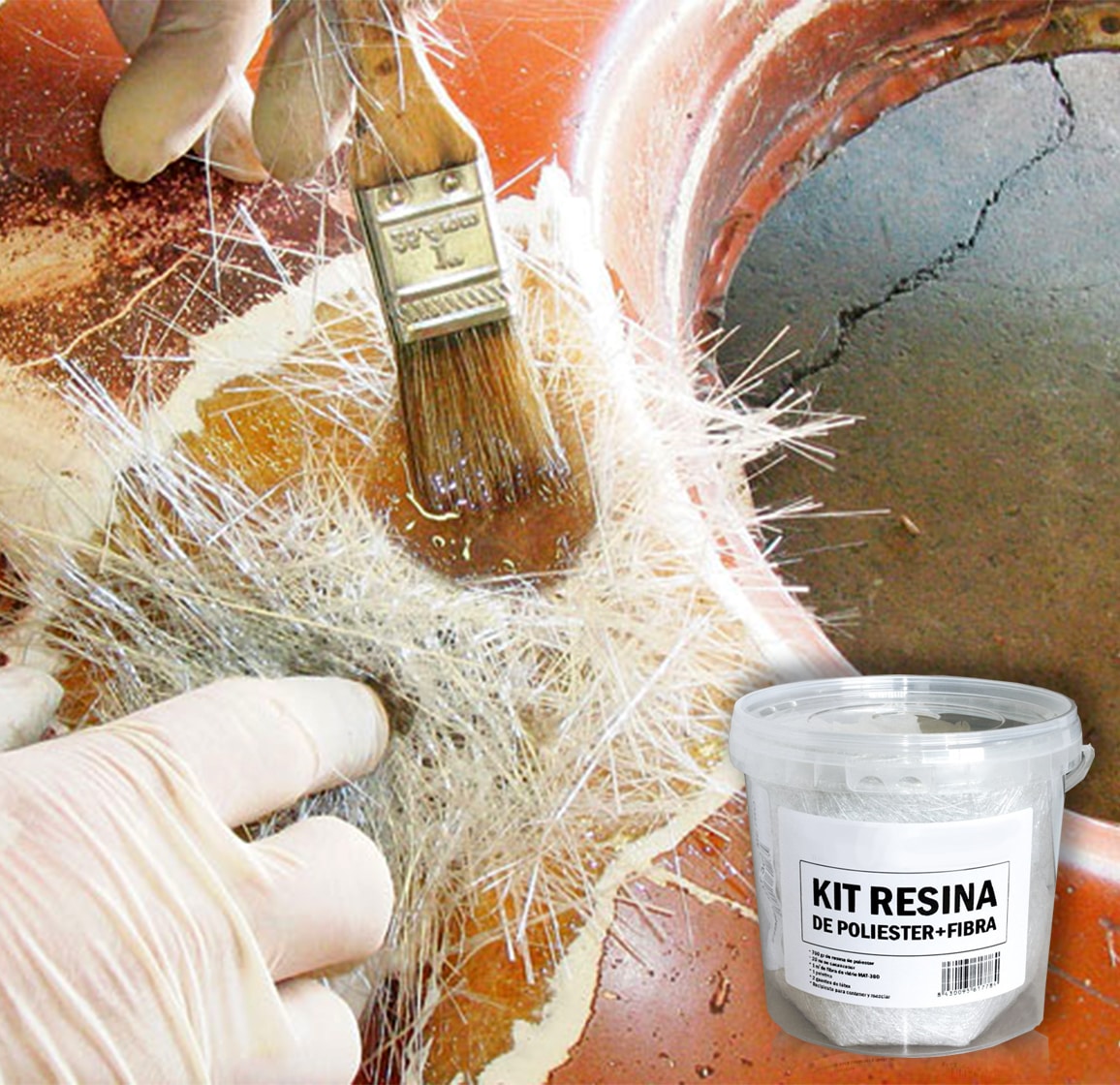
If your tub will be subject to frequent water exposure or temperature changes, being thorough with preparation and curing is especially important. A strong, well-adhered surface withstands daily use far better and helps extend the life of any repairs.
Related products
Related guides
Taking the time to prevent bubbles and peeling during resurfacing will reward you with a bathtub that looks fresh and stands up to regular use. For more on full resurfacing methods, see our main guide on how to resurface a bathtub.