 Free shipping on orders over £29,85
  Shipping Tracking!


 Google
 Facebook
← Back to How to get a marble effect with epoxy resin?
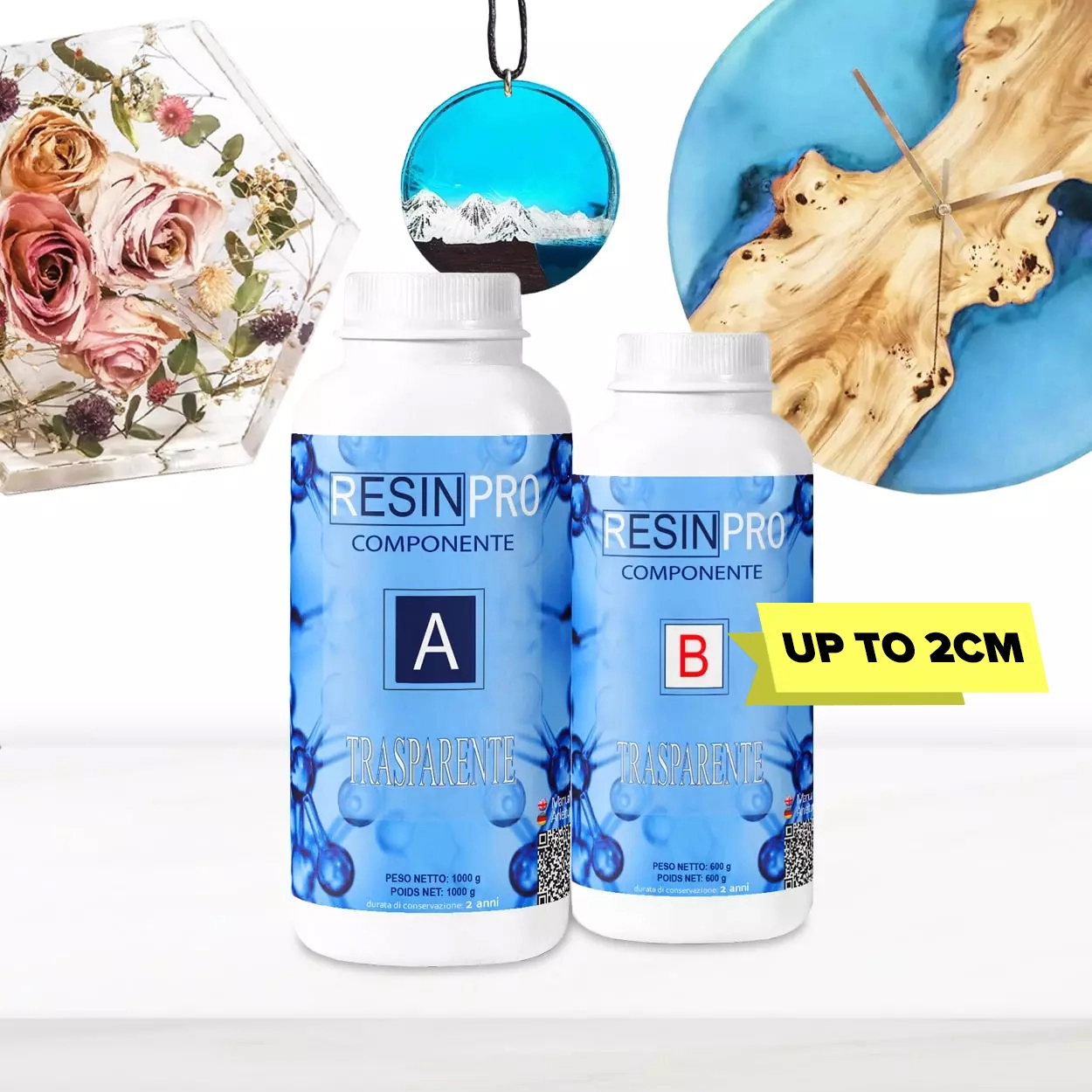
Achieving a flawless resin pour often comes down to careful preparation and knowing how to prevent common pitfalls. Overheating and other mishaps can be avoided with a few practical steps, ensuring your marble or artistic epoxy projects set beautifully each time.
Maintain the Correct Pour Thickness
One of the main causes of overheating in epoxy resin projects is pouring layers that are too thick. Most multipurpose casting resins, such as Trasparente, are designed for pours up to 2 cm. Exceeding this limit can lead to rapid exothermic reactions, resulting in cracking or yellowing. If a thicker effect is needed, work in multiple layers, allowing each to fully cure before applying the next.
Control Temperature and Mixing
Room temperature plays a key role in resin curing time and outcome. Ideal working conditions are between 18°C and 25°C. Avoid working in a hot environment or using heat sources like hot water baths or heat guns on the mixing vessel, as this can accelerate curing uncontrollably. Always follow the product’s mixing instructions precisely—incorrect ratios or insufficient mixing can result in sticky or uncured resin, as well as unwanted heat build-up.
When This Matters
- Large or deep castings: Prevent warping or cracked pieces by sticking to recommended thickness.
- Projects requiring high transparency: Mistakes in temperature or mixing can cause hazy, yellowed, or uneven results.
- Layered effects like marble or stone patterns: Careful management ensures clear lines and consistent curing in each layer.
Related products
Related guides
By understanding these essential steps, you’ll make resin pours safer and more reliable—crucial whether you’re aiming for subtle art pieces or striking marble countertops. For more creative techniques, visit our main guide on how to get a marble effect with epoxy resin.