 Free shipping on orders over £29,85
  Shipping Tracking!


 Google
 Facebook
← Back to How to Apply Resin in a Shower
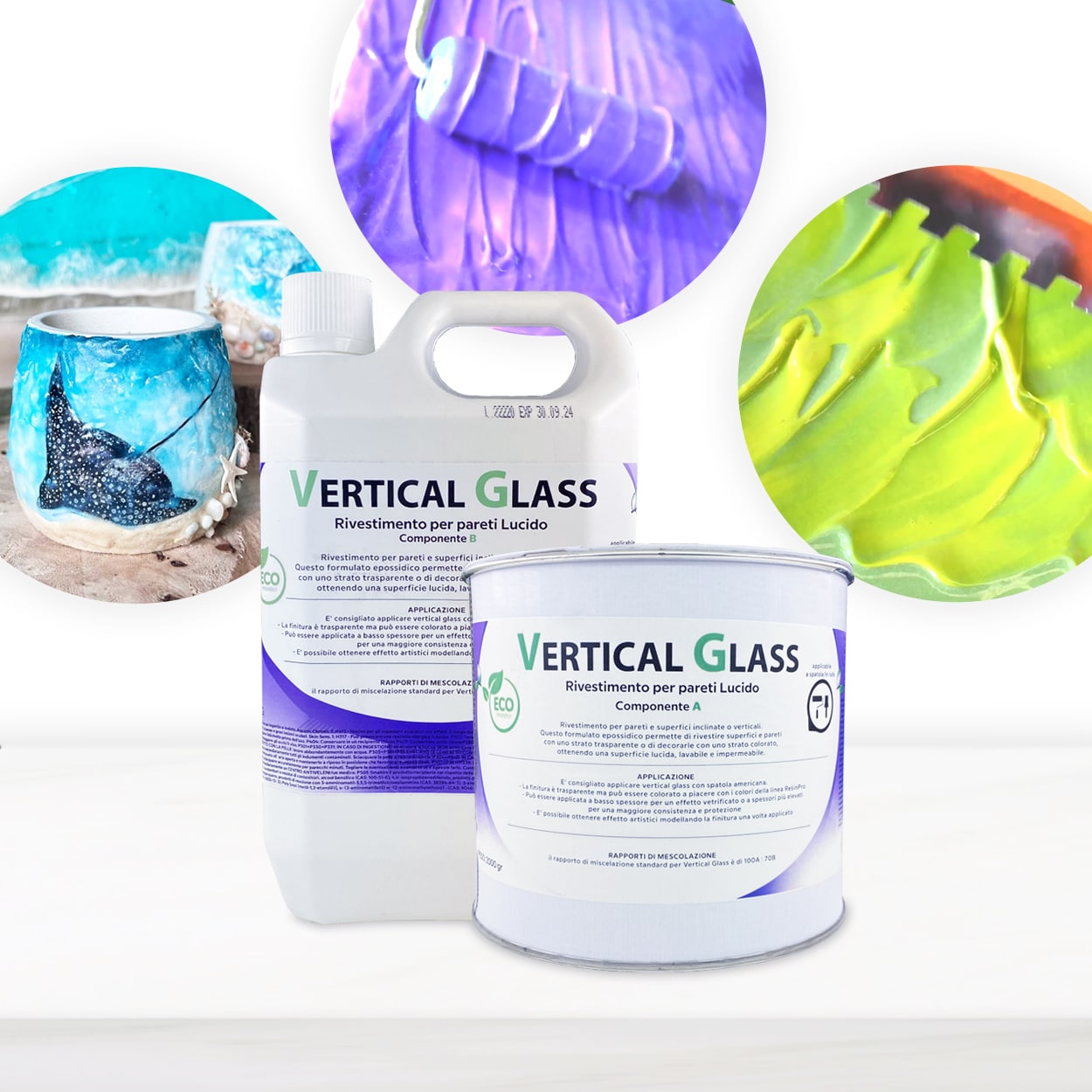
Applying resin to vertical or sloping surfaces—like shower walls—can be a tricky process, often leading to sagging or unsightly runs if not approached carefully. With the right techniques and products, however, you can achieve a flawless, long-lasting finish on your vertical projects.
Techniques for Sag-Free Vertical Application
The most effective way to prevent resin from sagging when working on upright surfaces is to apply in very thin layers. Begin by spreading a modest amount of resin, aiming for as even a coat as possible with a spatula or short-pile roller. Allow each layer to partially cure before applying the next; this staged approach helps the resin set in place without pooling or running.
- Use quick, deliberate strokes to control distribution.
- Don’t overload your applicator, as too much resin at once will naturally create runs.
- Always work with the recommended curing times for your chosen product.
Choosing the Right Resin for Vertical Surfaces
Resins differ in viscosity and intended use, so opt for a product designed specifically for vertical or sloping applications. For instance, “Vertical Glass” wall coating is formulated with the right thickness to prevent sagging and is particularly well-suited for showers and sanitary ware. Alternatively, ultra-high viscosity options, like Art Pro Deluxe, can also provide enough grip and control to preserve designs and prevent drips.
Practical Tools to Support Even Application
Application tools make a significant difference. Rollers suited for resin work—such as short-pile types for detail or sponge rollers for a smooth finish—can aid in spreading resin uniformly across vertical surfaces. Using the correct roller will also limit the risk of uneven build-up, keeping the coating consistent from top to bottom.
When Is Sag Prevention Most Critical?
Resin sag is most problematic when working on visible, decorative shower walls or any surface where a seamless look is desired. Careful application is especially important for custom designs, metallic finishes, or surfaces prone to moisture, where imperfections are likely to be highlighted.
Related products
Related guides
With methodical application, the right resin, and appropriate tools, you can easily avoid sagging and achieve a professional finish on your shower walls. For a comprehensive guide to resin techniques and product recommendations, explore our main page on how to apply resin in a shower.