 Free shipping on orders over £29,85
  Shipping Tracking!


 Google
 Facebook
How to build a table with resin?
Transform wood into art with a stunning resin table project
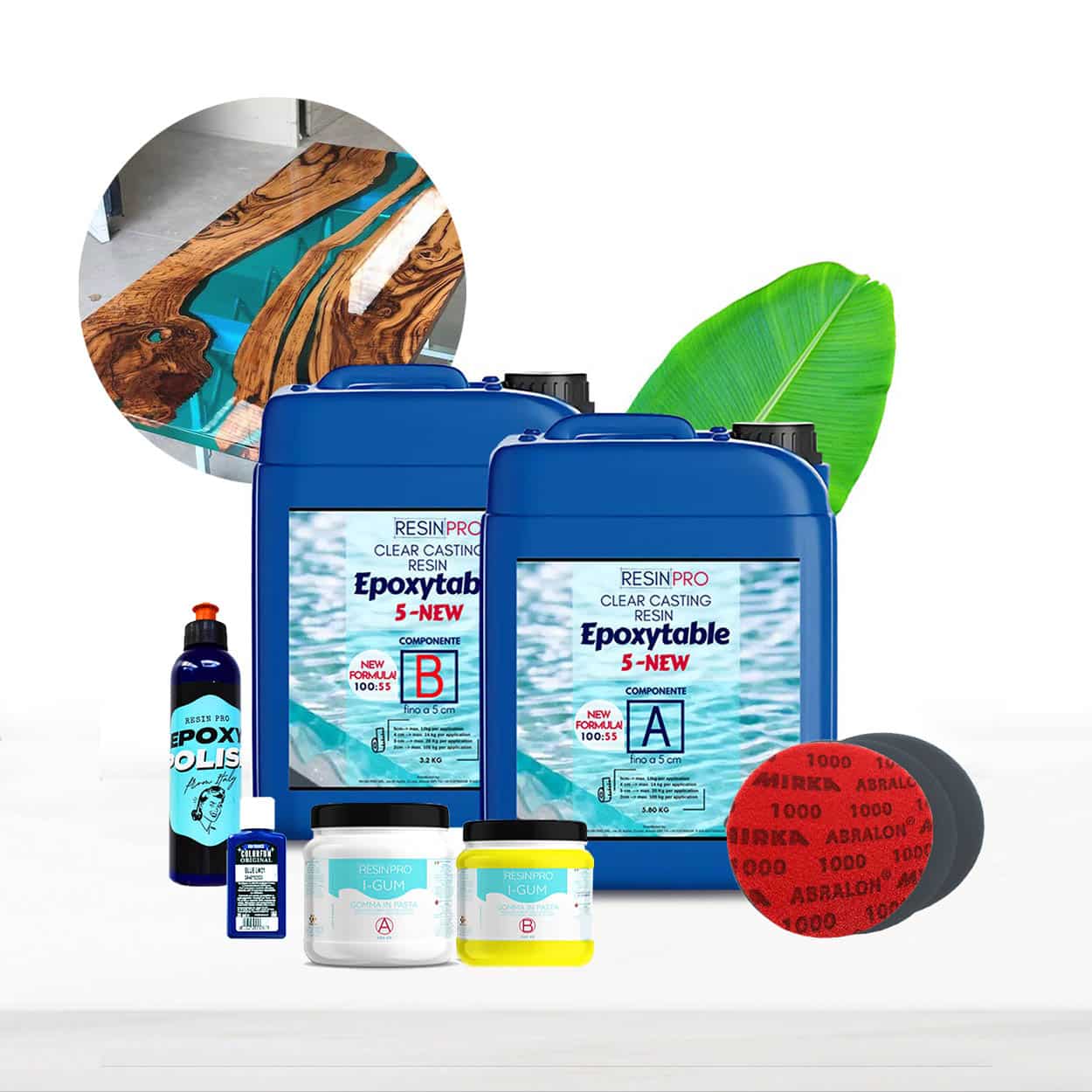
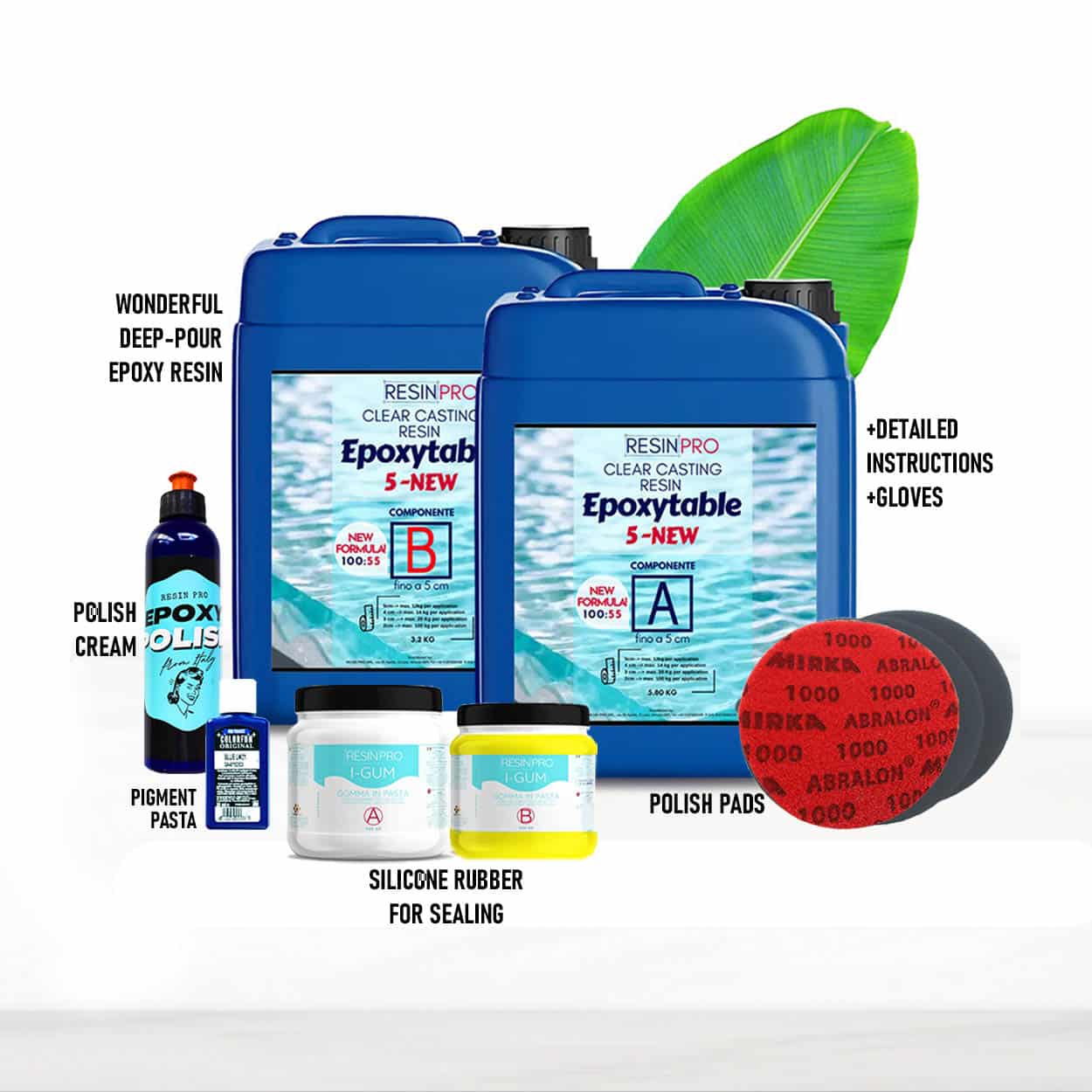
Building a table with resin combines creativity and craftsmanship to produce a stunning centrepiece for your home or workspace. Whether you want to showcase natural wood grain or achieve a dramatic river-table effect, this comprehensive guide will walk you through each stage—from preparation to the final glossy finish. This is suitable for both beginners and makers wanting to craft unique resin and wood tables.
What You’ll Need
- “Geode O” – Large Wooden Board Table Base for Epoxy Resin Projects: A robust, purpose-built wooden base for your resin table.
- Protective gloves, eye protection and apron
- Dust mask (for sanding and polishing)
- Mixing buckets, stir sticks, and spatulas
- Sealant tape or silicone sealant for formwork
- Timber (clean and dried for use as feature boards or edges)
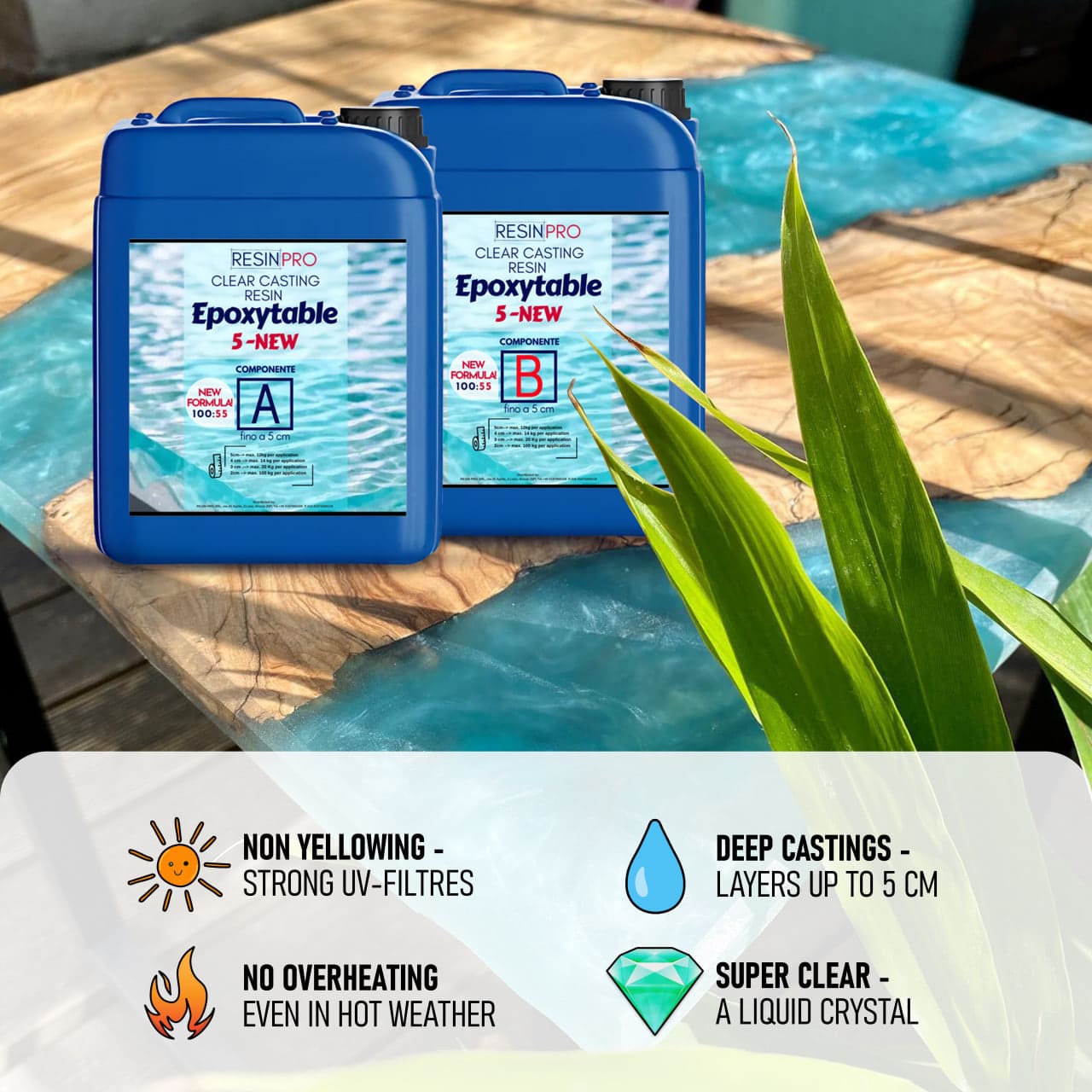
- “EpoxyTable 5-Five” – Deep Pour Epoxy Resin for Tables and Large Projects – Up to 5cm or “Epoxytable 10-Ten” – Deep Pour Epoxy Resin for Tables, Up to 10cm Casting: Select based on the depth required for your table design.
- “River-Table” – Complete Kit for Creating Your First Epoxy Resin Table (optional for beginners): Contains resin, colour pigments, sealant, release film, and detailed instructions.
- Pigments or dyes (for tinting resin, if desired)
- Sanding papers of various grits (360 to 4000)
- Epoxy-safe polish or finishing cream

What a Finished Resin Table Can Look Like
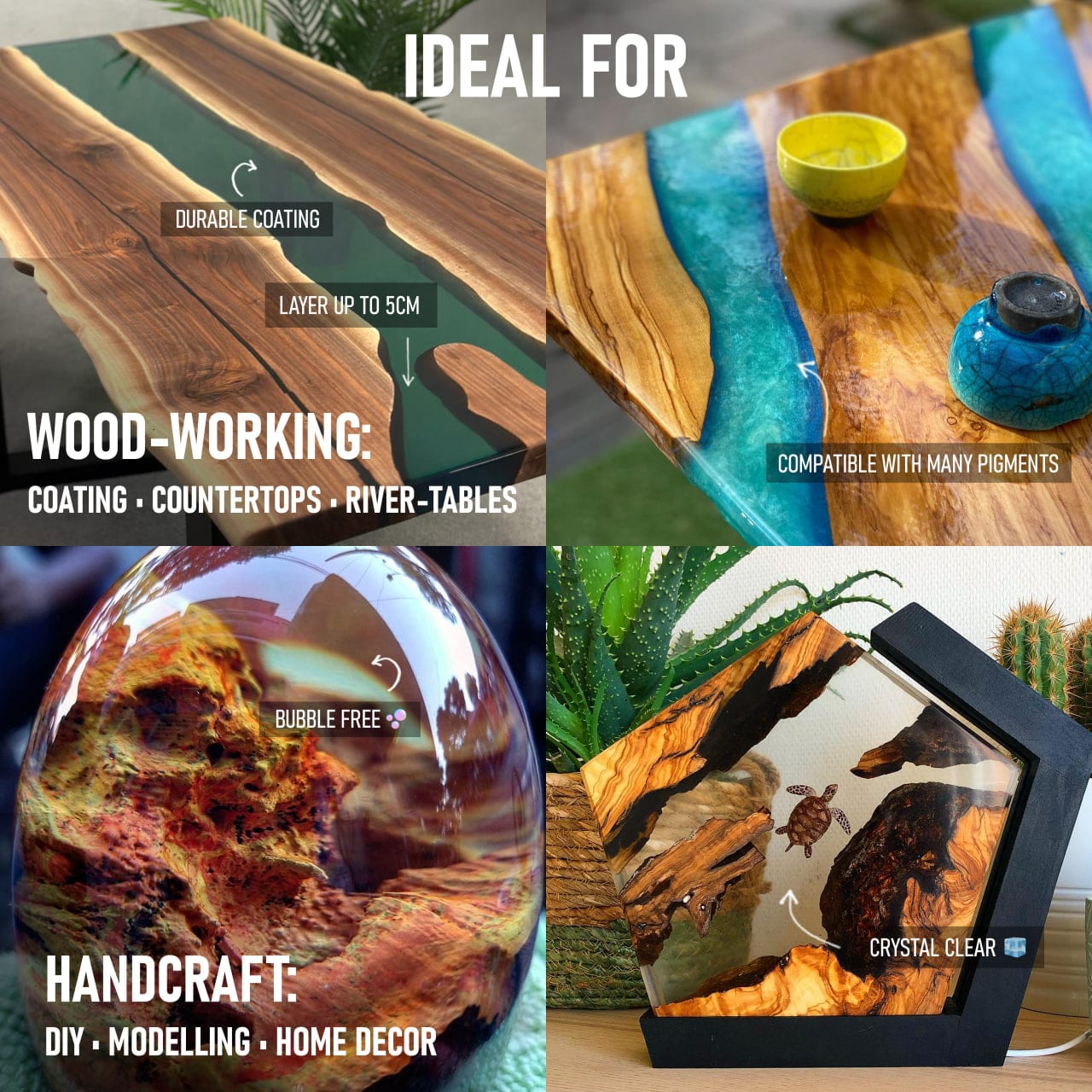
From shimmering river designs to bold, artistic surfaces, epoxy resin allows you to create bespoke tables with captivating depth and colour. Each piece is unique, whether you highlight natural wood edges or craft a pure resin centre. Finished tables may display crystal-clear transparency or swirling pigment effects depending on your technique and resin choice.
Step 1: Prepare the Base and Timber
Begin by selecting a flat, stable surface or a dedicated table base such as the “Geode O” – Large Wooden Board Table Base for Epoxy Resin Projects. Ensure all timber elements are thoroughly dried and free from dust, oils, or loose debris. Lay out your wood pieces in the design you envision for your table, ensuring they fit securely with room for resin pours if you’re creating a river or inlay effect. Secure the pieces and your base with formwork using plastic sheeting or sealed edge barriers to prevent resin leaks.
Seal all joints and formwork edges using silicone sealant or specialist tapes to keep the resin in place during pouring. Double-check levelness with a spirit level—a flat base is crucial for an even resin surface.
Step 2: Mix and Pour the Resin
Choose your resin according to the thickness required. For pours within 5cm, use “EpoxyTable 5-Five” – Deep Pour Epoxy Resin for Tables and Large Projects – Up to 5cm; for depths up to 10cm, opt for “Epoxytable 10-Ten” – Deep Pour Epoxy Resin for Tables, Up to 10cm Casting. Accurately measure and mix resin and hardener per product instructions, ensuring a thorough blend for optimum curing. Add pigments or metallic powders at this stage if desired, stirring gently to minimise bubbles.
If your table requires deep casting, pour in multiple slow layers, allowing each to partially cure as specified. This prevents heat buildup and bubble formation. Use a heat gun or torch over the surface after each pour to eliminate surface bubbles.
Step 3: Curing and Demoulding
Allow the poured resin to cure in a dust-free area, protected from temperature extremes. Curing times can vary from 24 to 72 hours depending on the resin type and depth of pour. Do not move or disturb the table during this phase. Once fully cured, remove the formwork carefully to avoid damaging edges.
Inspect for any tacky or soft spots—these may indicate improper mixing or environmental interference. If necessary, sand out minor imperfections before moving to final finishing.

Step 4: Sanding and Polishing
Begin sanding with a coarse grit, gradually progressing to finer grits (up to at least 2000 or 4000) for a glass-smooth result. Clean the surface between each stage to avoid scratching from debris. Use a dust mask to protect yourself when sanding.
Apply an epoxy-safe polish and buff until the surface shines. Many kits, such as the “River-Table” – Complete Kit for Creating Your First Epoxy Resin Table, include suitable polishing products and pads to streamline this process for beginners.

Tips and Troubleshooting for Resin Table Projects
Surface preparation is crucial for a lasting finish. Always check cleanliness and dryness before pouring.
Pour resin in stages for deep casting, allowing layers to set before adding more to prevent overheating.
Temperature matters for bubble-free results—work in stable, moderate conditions and warm your resin slightly if needed.
Sanding and polishing reveal the table’s clarity. Take your time with each grit and use quality finishing creams for a showroom finish.
Should you encounter uncured spots, cloudy areas, or accidental scratches, refer to your resin kit instructions or contact your supplier for best repair methods.
Behind the Scenes: Pouring and Polishing
During pouring and polishing, patience and attention to detail are vital. Smooth, controlled resin pours and methodical sanding bring out depth and brilliance in your finished table. Taking your time at each step will yield a professional-grade result to be proud of.
- "River-Table" – Complete Kit for Creating Your First Epoxy Resin TablePrice range: £188.85 through £444.85"River-Table" kit offers all the essentials to create a resin and wood table with clear instructions, suited for beginners and enthusiasts.
- "EpoxyTable 5-Five" – Deep Pour Epoxy Resin for Tables and Large Projects – Up to 5cmPrice range: £16.85 through £1,099.85"EpoxyTable 5-Five" is a deep pour epoxy resin suitable for tables and large projects up to 5cm thickness with a non-yellowing finish.
 “Epoxytable 10-Ten” – Deep Pour Epoxy Resin for Tables, Up to 10cm CastingPrice range: £33.85 through £334.85Epoxy resin designed for deep pours up to 10cm, suitable for table and artistic creations within the theme.
 "Geode O" – Large Wooden Board Table Base for Epoxy Resin Projects – 90x60cm or 120x80cmThe Geode O Big is a wooden table base designed for epoxy resin projects, suitable for various creative resin applications.
Frequently Asked Questions
What thickness of resin can I pour for a table?
With suitable products, you can pour up to 5cm or 10cm per application, depending on your choice of resin.
Should I pour resin for a table in one go or in stages?
For deep pours, always work in stages to avoid excessive heat buildup and minimise bubbles in the resin.
What is the safest way to prepare the table surface for resin?
Make sure your wood and base are dry, dust-free, and free from oils or contaminants before assembling your formwork.
How do I achieve a glossy finish on a resin table?
Sand progressively to a high grit, then polish the surface with an epoxy-compatible polish or cream.
Can I use pigments in my resin table and are they safe?
Special pigments designed for epoxy resins are safe and can produce striking effects—always use products as directed.
How do I remove air bubbles from my resin table?
Use a heat gun or torch over the resin surface right after pouring, moving in slow, even strokes.
What should I do if my resin does not harden correctly?
Check your mixing ratios and allow full curing time. Temperature and humidity affect results—refer to your product's troubleshooting guide.