 Free shipping on orders over £29,85
  Shipping Tracking!


 Google
 Facebook
← Back to How much do coating resins cost?

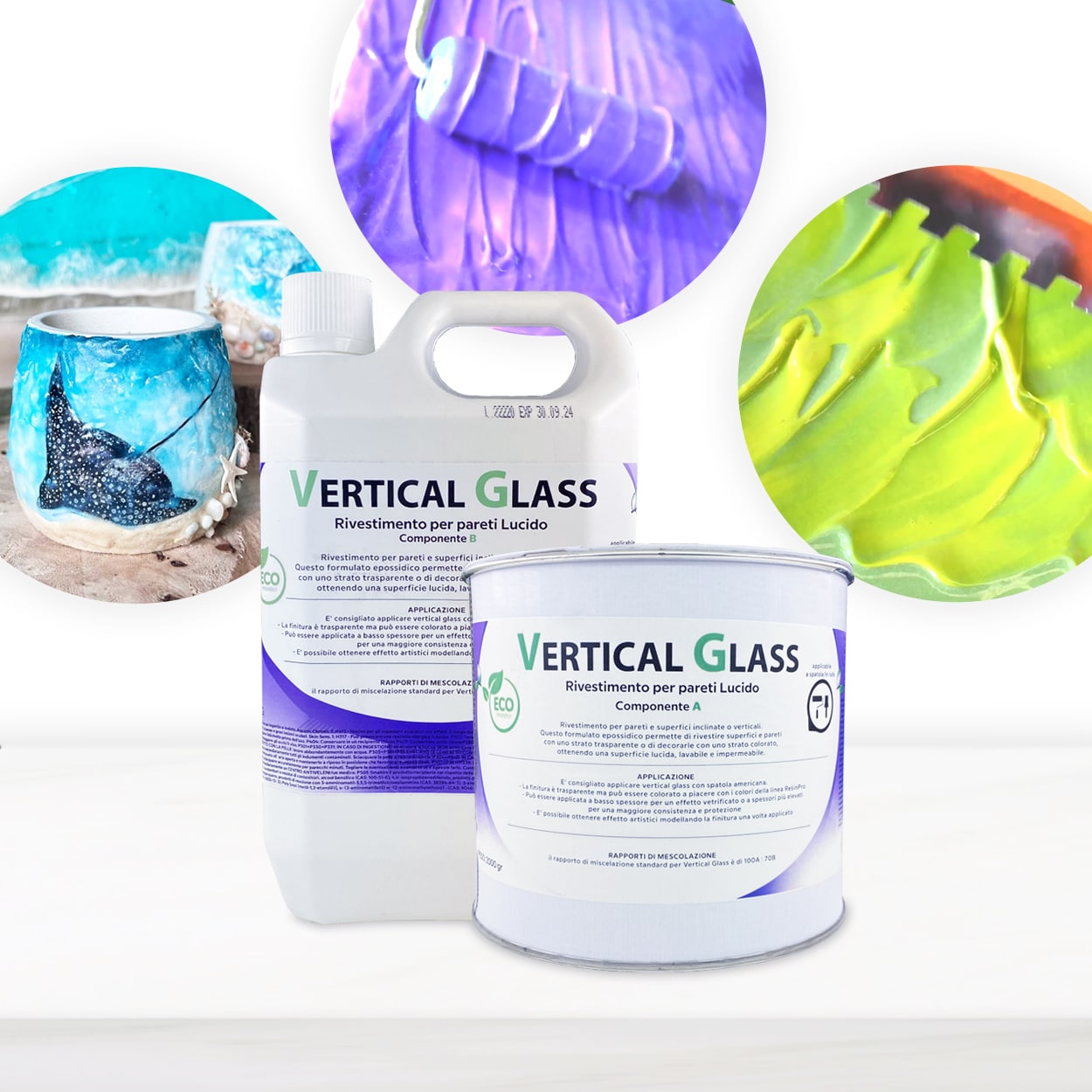
Successfully planning a resin project starts with knowing how much product you’ll actually need. Estimating requirements helps avoid wasted materials and keeps your project on budget.
1. Calculate Surface Area and Desired Thickness
Start by measuring the length and width of the area you want to coat, multiply these to get the surface area (in square metres or centimetres). Next, consider the recommended thickness for your resin – often specified by the manufacturer, such as 1.5 cm or 2 cm per layer.
- For uneven surfaces or multiple items, sum all areas for an accurate total.
- Keep in mind that thicker layers may require specialised resins, like “Trasparente” Epoxy Resin for up to 2cm per pour.
2. Estimate Volume and Match to Product Sizes
Multiply your total area by the desired thickness to get the volume required. Convert your result into litres (1,000 cm³ = 1 litre) for easy comparison with resin packaging. Resin is typically sold in kits ranging from small volumes for artwork to large bundles for furniture and floors, so match your calculation with the closest product size to reduce waste.
3. Planning Your Budget
Once you know the volume, check the price per litre of resins suitable for your application. Pricing varies by resin type and finish quality. For example, Art Pro is ideal for clear coatings in artistic projects, while “Icrystal” resin offers economical solutions for decorative surfaces and furniture.

When This Matters
Calculation is especially important for larger or multi-layer projects, and for any surface with a custom design where precision minimises product waste and keeps costs in check.
Related products
Related guides
Accurate resin planning saves you money and ensures great project results. To explore all options and price guides, return to our main guide on coating resin costs.