 Free shipping on orders over £29,85
  Shipping Tracking!


 Google
 Facebook
How to clean epoxy resin?
Step-by-step guide for spotless resin surfaces and easy cleanup


Cleaning epoxy resin is essential for maintaining beautiful, durable surfaces and ensuring your tools last through many projects. Whether you are an artist, DIY enthusiast, or working with resin professionally, knowing how to remove spills, drips, and residues will keep your workspace and finished pieces looking their best. This guide walks you through the best practices for cleaning both uncured and cured epoxy resin with a focus on safety, efficiency, and surface preservation.

What You’ll Need
- Pure Isopropyl Alcohol 99.9% – 1000ml Bottle for Epoxy Resin Projects & DIY – Effective for dissolving uncured resin and removing bubbles.
- Strong Technical Degreaser for Resin Projects – 100% Natural Formula – Gentle on surfaces and removes grease, silicone, and resin residues.
- “Epoxy Polish” – Epoxy Resin Polishing System – For restoring gloss and removing surface haze after cleaning.
- 2L Graduated Measuring Cup for Resin – Precise Epoxy Dosing Tool – Useful for safe mixing and easy rinsing.
- Clean, lint-free cloths or microfibre towels
- Disposable gloves for protecting your hands

Essential Tools for a Clean Epoxy Finish
Proper tools make resin cleaning simple: lint-free cloths, disposable gloves, natural degreasers, and isopropyl alcohol ensure safety and great results. For polishing and restoring shine, use a dedicated resin polish after initial cleaning.
Step 1: Clean Up Uncured Epoxy Resin Immediately
Wipe up uncured resin promptly to prevent stubborn residue. If you notice a drip or spill while the resin is still liquid or tacky, put on gloves and blot the excess with a disposable cloth. Avoid rubbing as this can spread the mess further.
For thorough removal, gently wipe the area with a cloth dampened in isopropyl alcohol. This dissolves fresh resin and makes subsequent cleaning easier. Dispose of used cloths safely, and avoid skin contact or inhaling fumes.


Step 2: Remove Cured Resin Without Damaging Surfaces
If resin has already cured, mechanical removal is usually necessary. Start by gently scraping hardened resin with a plastic spatula or card, taking care not to scratch underlying surfaces.
Apply Strong Technical Degreaser for Resin Projects to any leftover residue. Let it sit for a few minutes to soften contaminants, then buff with a microfibre cloth. The natural degreaser is safe for most materials and effective on greasy or silicone-infused spots.
Step 3: Restore Gloss and Finish
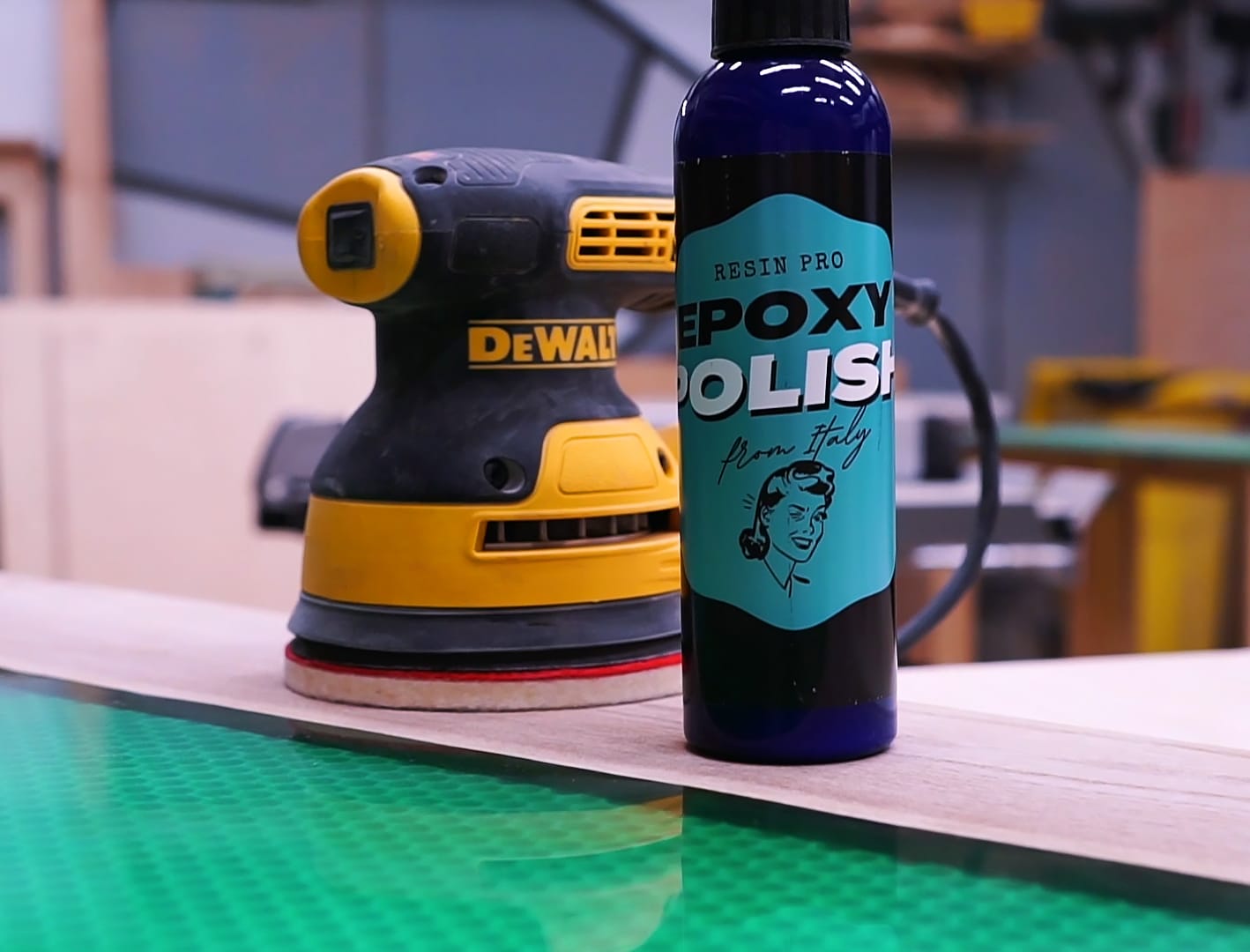
After cleaning, surfaces may look dull or show minor scratches. This can be easily remedied with the right polishing technique. Use a soft cloth or a pad with “Epoxy Polish” – Epoxy Resin Polishing System to restore shine and clarity. Rub gently in circular motions to eliminate haze, micro-scratches, or polishing marks, revealing a brilliant finish.
This step is especially valuable for art pieces, river tables, or jewellery where surface lustre is key.

Step 4: Clean and Reuse Measuring Tools and Mixing Cups
Reusable tools keep costs down and reduce waste. As soon as you have finished with mixing equipment like the 2L Graduated Measuring Cup for Resin, wipe away excess while still wet. For cured drips inside the cup, peel or flex them out—the non-stick surface helps resin release easily.
A final wipe with isopropyl alcohol will ensure your tools are residue-free and ready for the next project.
Tips and Troubleshooting for Flawless Epoxy Cleaning
Never use abrasive tools on soft resin as this can scratch and dull your finish. Work in a well-ventilated environment during cleaning, and wear gloves to protect your skin from chemicals. Allow degreasers or alcohol to sit briefly for stubborn spots, but always test cleaners on a small, hidden area first especially for delicate surfaces.
Dispose of all resin-contaminated rags and gloves responsibly. If persistent cloudiness or streaks remain after cleaning and polishing, repeat the polishing step with a fresh microfibre cloth.
Professional Hints for Resin Maintenance
Consistent cleaning routines and the right products extend the life and appearance of your resin creations. Treat tools straight after use, and always work with a gentle touch to protect finished surfaces.

- Pure Isopropyl Alcohol 99.9% – 1000ml Bottle for Epoxy Resin Projects & DIYPrice range: £10.45 through £20.95Pure Isopropyl Alcohol 99.9% in 1000ml is suitable for cleaning and removing bubbles in epoxy resin projects.
- Strong Technical Degreaser for Resin Projects – 100% Natural FormulaOriginal price was: £10.95.£9.45Current price is: £9.45.Strong Technical Degreaser is a gentle, natural cleaner suitable for epoxy resin and various surfaces within the theme 'How to clean epoxy resin?'.
- "Epoxy Polish" – Epoxy Resin Polishing SystemPrice range: £18.95 through £47.45"Epoxy Polish" is designed for polishing epoxy resin surfaces to restore gloss and remove scratches, suitable for various resin projects.
- 2L Graduated Measuring Cup for Resin – Precise Epoxy Dosing Tool£4.04The 2L Graduated Measuring Cup for Resin offers accurate dosing with easy cleaning, designed for precise use in epoxy projects.
Frequently Asked Questions
How do I remove uncured epoxy resin from my work area?
Use gloves and a disposable cloth to blot spills, then wipe with isopropyl alcohol. Prompt action prevents lasting residue.
What degreaser works for cured resin residue?
A plant-based technical degreaser is ideal for cleaning cured resin, silicone, and grease without damaging surfaces.
How can I restore gloss to a cleaned resin surface?
Use an epoxy-safe polishing cream and a soft cloth to buff out dullness and fine scratches, revealing a high-shine finish.
How can I clean and reuse resin measuring cups?
Wipe out excess resin while wet, then flex out cured drips. Clean with alcohol if needed for a residue-free surface.
How do I avoid scratching epoxy when cleaning?
Only use soft, lint-free cloths and never abrasive pads on soft or polished resin surfaces to prevent dullness.
Is a natural degreaser safe for resin art?
Yes, natural degreasers formulated for resin are typically hypoallergenic and safe for use on art pieces and household items.
Can I use regular household cleaners on epoxy resin?
It’s best to use a resin-specific cleaner or isopropyl alcohol, as strong chemicals may harm the surface.
Do I need to polish resin after cleaning?
Polishing helps restore shine and remove minor scuffs, especially if cleaning leaves the surface slightly dull.