 Free shipping on orders over £29,85
  Shipping Tracking!


 Google
 Facebook
How to clean resin brushes?
Keep your resin brushes fresh for flawless future projects
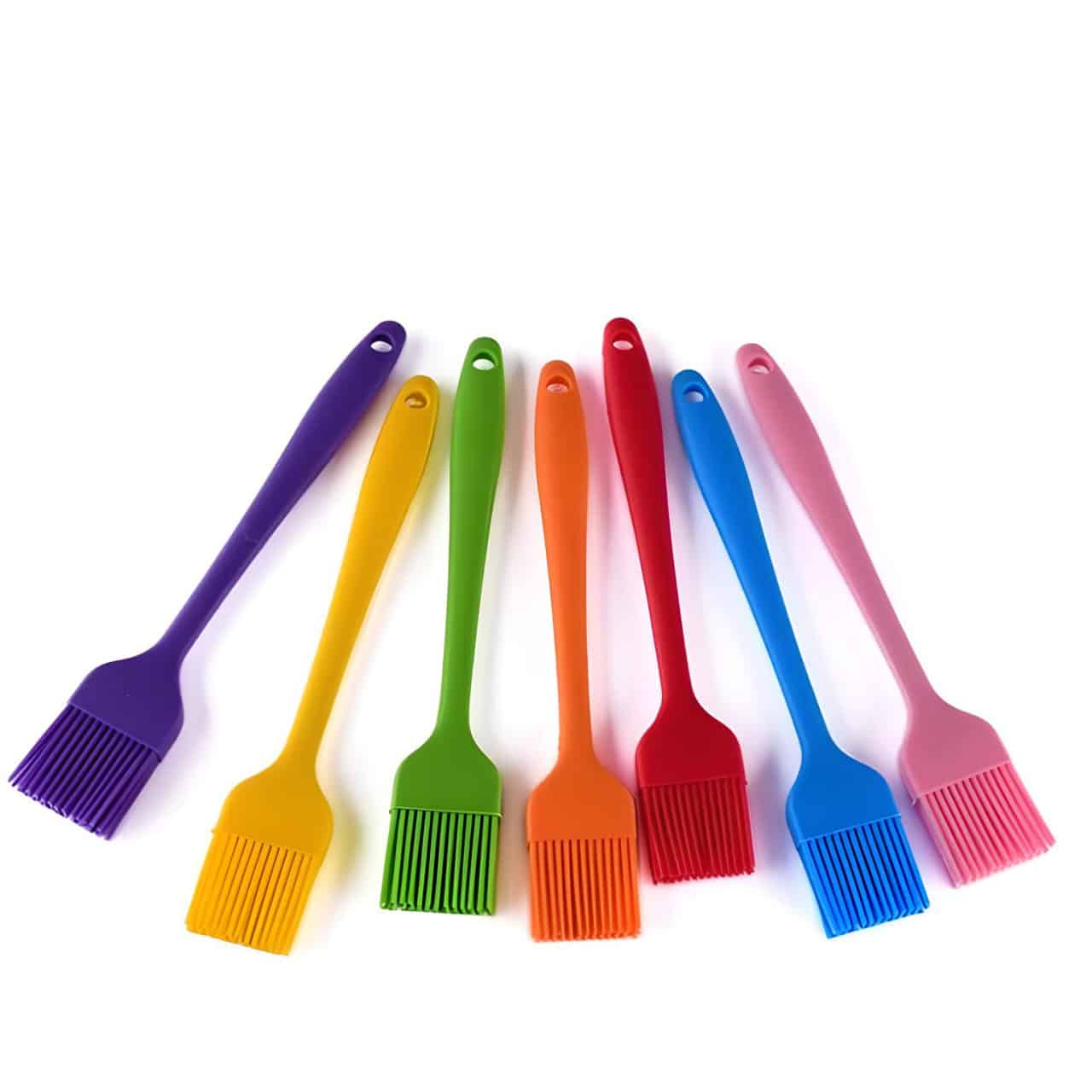
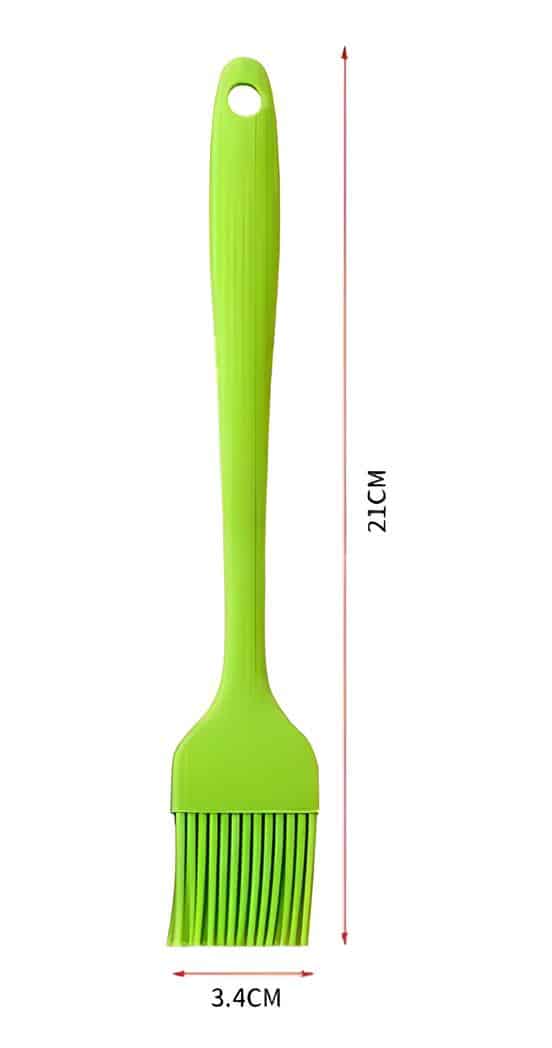
Cleaning resin brushes efficiently extends their lifespan and ensures your next resin project starts off smooth. This guide will take you through proven techniques to remove epoxy resin—whether fresh or partially cured—without damaging the bristles or wasting valuable tools. Whether you are a resin artist, woodworker, or hobbyist, proper brush care saves money and improves results with every use.

What You’ll Need
- Reusable Silicone Resin Brush for Epoxy Art and Wood Applications (for those wanting an easier-to-clean, eco-friendly option)
- Pure Isopropyl Alcohol 99.9% – 1000ml Bottle for Epoxy Resin Projects & DIY (for dissolving fresh uncured resin)
- 5-Piece Disposable Paint Brush Set for Art, Crafting & DIY Projects (when choosing single-use tools)
- Strong Technical Degreaser for Resin Projects – 100% Natural Formula (for gentle, natural brush cleaning and removing stubborn residues)
- Container for soaking and rinsing
- Warm soapy water
- Paper towels or lint-free cloths
- Gloves for hand protection
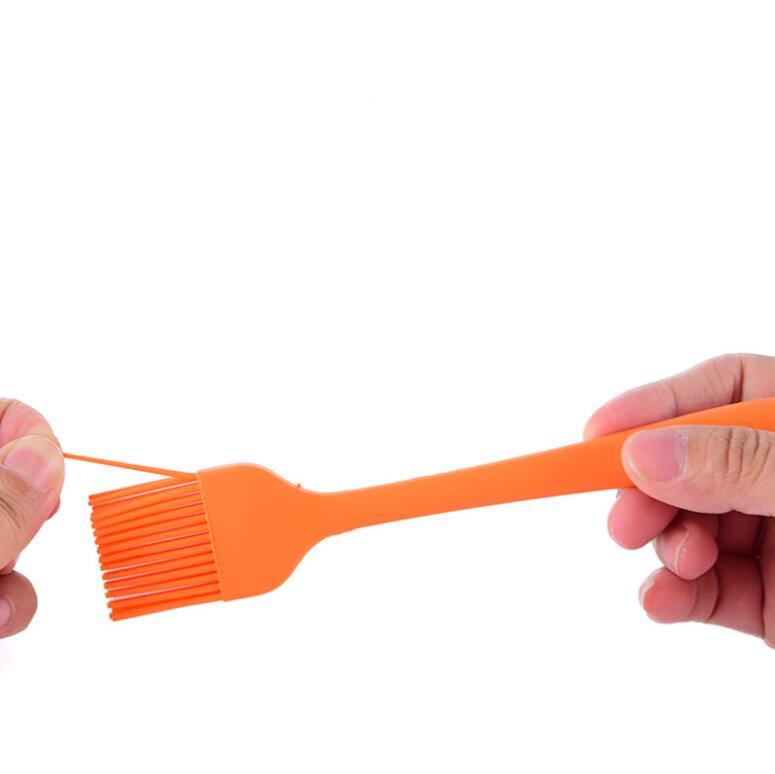
See Cleaning Tools in Action
Watch practical demonstrations showing how reusable silicone brushes and isopropyl alcohol simplify cleaning after resin projects. Notice the reduced waste and preservation of bristle quality.
Step 1: Remove Excess Resin Immediately
After finishing your resin application, promptly wipe the bristles on a paper towel or lint-free cloth to remove as much uncured resin as possible. The fresher the resin, the easier the cleaning process. Avoid letting the resin dry, as cured epoxy is very difficult to remove from brushes.
If you are using disposable brushes, simply discard them at this stage to avoid post-use clean-up.


Step 2: Rinse with Suitable Cleaning Agent
For uncured or tacky resin, fill a container with an appropriate cleaner. Warm soapy water works well for silicone brushes and some water-based products. For standard bristle brushes with fresh epoxy, a rinse in Pure Isopropyl Alcohol 99.9% effectively dissolves residue. Gently swirl the brush, being cautious not to splay or damage the bristles.
Never clean brushes near open flames or heat sources when using alcohol-based products, as they are highly flammable.
Step 3: Wash and Condition the Brushes
Following the solvent rinse, thoroughly wash your brushes in warm soapy water to remove any lingering cleaner and resin. For those seeking a gentle, natural option, try Strong Technical Degreaser for Resin Projects – 100% Natural Formula. This product is dermatologically tested and suitable for frequent handling.
Work the cleaner through the bristles, rinse with running water, and repeat if needed. For reusable silicone brushes, a simple rinse under warm water often suffices, thanks to their non-stick properties.


Step 4: Dry and Store Brushes Properly
After washing, gently blot excess moisture using a clean cloth or paper towel. Reshape the brush tip to its original form. Let brushes air dry completely, preferably upright or flat, before storing them in a dust-free environment.
Reusable brushes should be stored away from direct sunlight and excessive heat to preserve their condition.
Tips, Common Mistakes and Troubleshooting
- Rinse immediately after use: Waiting allows resin to cure, making cleaning nearly impossible.
- Avoid harsh scrubbing: Excessive force can splay the bristles or damage silicone heads.
- Store brushes properly: Keep cleaned brushes upright to maintain their shape and prevent dust accumulation.
- Dispose of used brushes responsibly: If using disposables, ensure they are disposed of according to local safety regulations.
- For stubborn cured resin, replacing the brush is often more efficient than trying to restore it.
- Always wear gloves and ensure ventilation when using solvents or alcohols for cleaning.
Quick Comparison: Reusable vs Disposable Brushes
Reusable brushes reduce long-term waste and cost, while disposable brush sets offer maximum convenience for single-use applications. Each choice supports a different workflow—select the option that best matches your frequency of resin use and clean-up preferences.

- Reusable Silicone Resin Brush for Epoxy Art and Wood Applications£3.62The Reusable Silicone Resin Brush supports precision application in epoxy projects and cleaning with warm soapy water.
- Pure Isopropyl Alcohol 99.9% – 1000ml Bottle for Epoxy Resin Projects & DIYPrice range: £10.45 through £20.95Pure Isopropyl Alcohol 99.9% is suitable for epoxy resin projects, aiding bubble removal and cleaning according to the theme on cleaning resin…
- 5-Piece Disposable Paint Brush Set for Art, Crafting & DIY Projects£6.45This 5-piece brush set features durable bristles and comfortable grips, designed for detailed resin and crafting work.
- Strong Technical Degreaser for Resin Projects – 100% Natural FormulaOriginal price was: £10.95.£9.45Current price is: £9.45.Strong Technical Degreaser offers a gentle, 100% natural cleaning option suitable for use in resin projects and various surfaces.
Frequently Asked Questions
Can I clean resin brushes with soap and water?
Soap and water work well for silicone brushes or water-based resins, but isopropyl alcohol is needed for most uncured epoxy resins.
What to do if resin has cured on my brush?
Cured resin is extremely difficult to remove. It is usually best to replace the brush rather than attempt restoration.
How should I store clean resin brushes?
Store cleaned and dried brushes upright or flat in a dust-free environment, away from sunlight and heat.
Is isopropyl alcohol safe for brush cleaning?
Yes, it effectively dissolves fresh resin. Use in a well-ventilated area and away from flames or heat sources.
Are disposable brushes better for resin work?
Disposable brushes save time on cleaning and are ideal for single-use, but reusable options reduce waste long-term.
Can I use degreaser to clean resin brushes?
A natural, resin-safe degreaser can be used for gentle, effective cleaning of brushes, especially for sensitive skin.