 Free shipping on orders over £29,85
  Shipping Tracking!


 Google
 Facebook
← Back to How to glue silicone rubber
Proper surface cleaning is essential for ensuring silicone bonds securely when using adhesives. A little preparation goes a long way to achieve strong, reliable results.
Why Clean Silicone Before Gluing?
Silicone rubber often carries residue from manufacturing or handling, such as oils, dust, or fingerprints. These contaminants can interfere with adhesives, preventing a solid bond and leading to peeling or lifting over time. Carefully prepping the silicone helps adhesives do their job for long-lasting joins.
Step-by-Step Guide to Cleaning Silicone
- Wipe with Isopropyl Alcohol: Moisten a lint-free cloth with isopropyl alcohol and gently wipe the silicone surface. This removes oils and most residues.
- Use a Degreaser for Stubborn Contaminants: If the silicone still feels greasy, use a mild, non-abrasive degreaser and rinse thoroughly.
- Allow to Dry Completely: Adhesives bond best to totally dry surfaces, so leave the silicone to air-dry before continuing.
Avoid soaps or cleaners that may leave behind films or residues, as these can reduce adhesive performance.
When Thorough Cleaning Matters Most
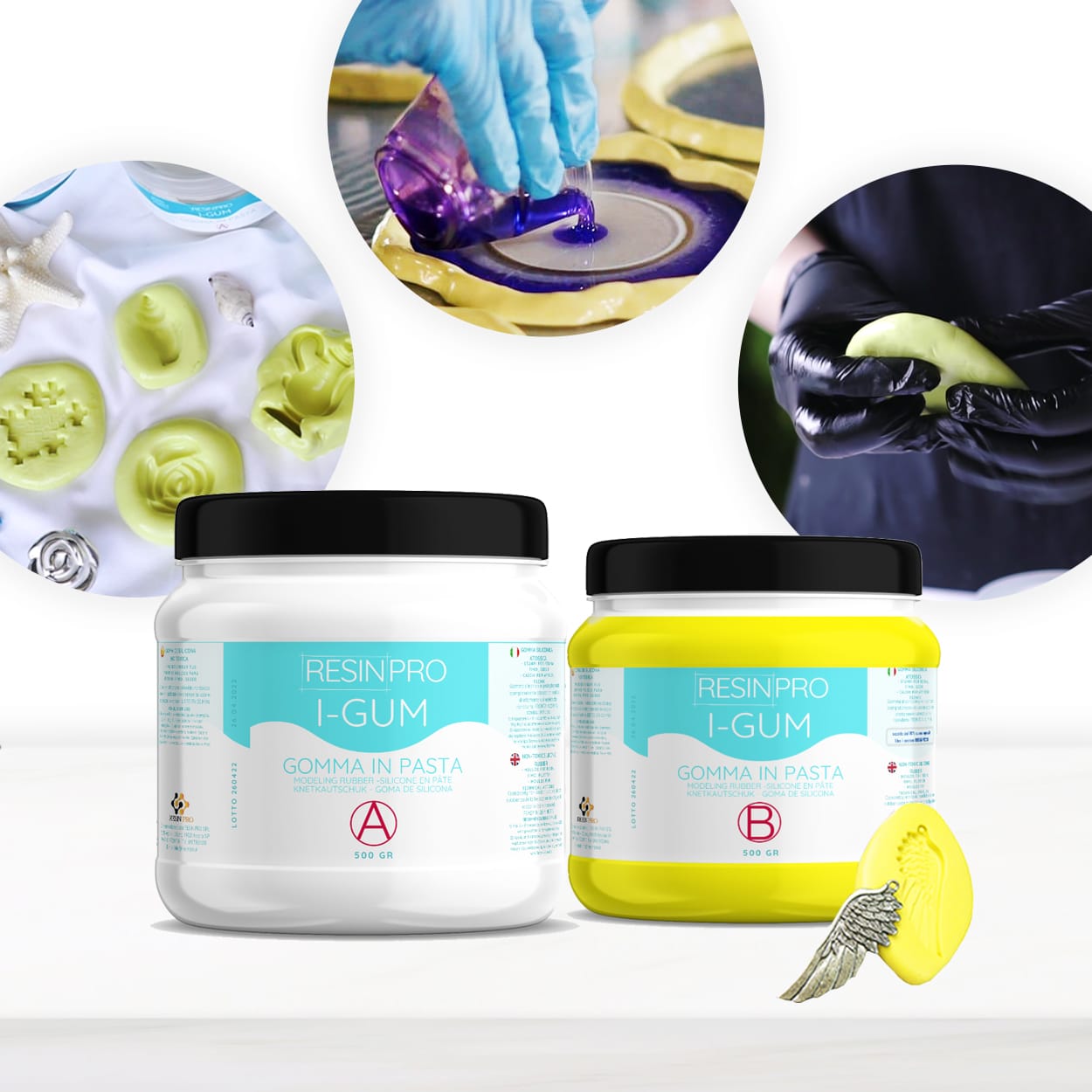
Cleaning is especially important before making moulds or crafting detailed forms, such as with products like “I–Gum” – Non-Toxic Silicone Putty. Clean surfaces ensure your mould joins or repairs remain tight and dependable, preventing leaks during resin pours or loss of mould integrity over time.
Related products
Related guides
Careful cleaning lays the groundwork for strong silicone bonds. For more guidance on working with silicone rubber, visit our How to glue silicone rubber guide.