 Free shipping on orders over £29,85
  Shipping Tracking!


 Google
 Facebook
How to coat wood with polyester resin?
Step-by-step instructions for a durable, waterproof wood finish

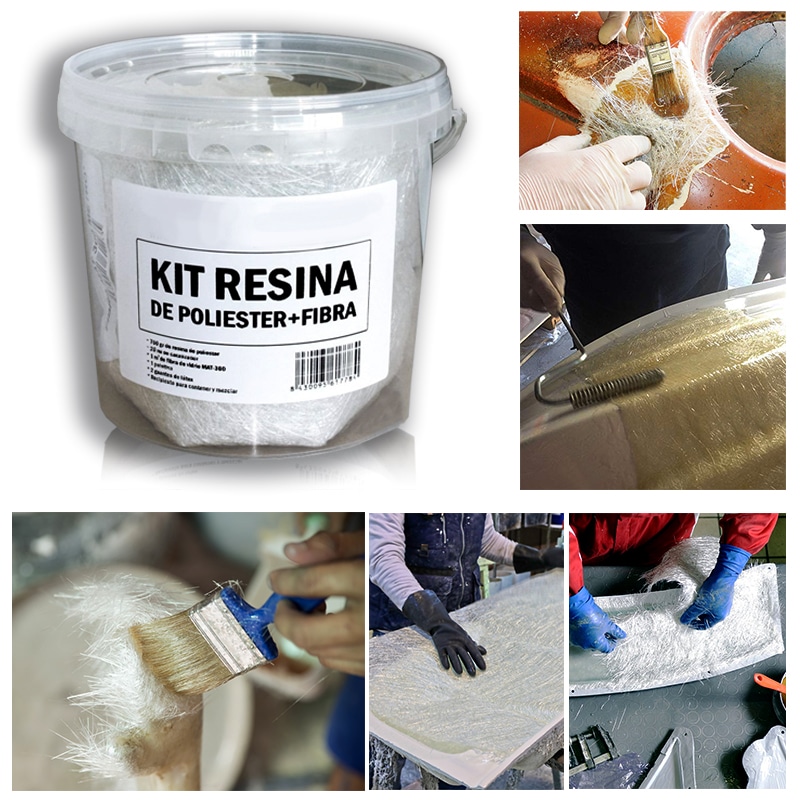
Coating wood with polyester resin is an excellent way to create a strong, durable, waterproof barrier that enhances both longevity and appearance. Whether you’re sealing outdoor furniture, reinforcing marine plywood, or protecting internal timber from moisture damage, learning this method is valuable for professional and DIY users alike. This guide covers everything you need for a successful, lasting finish.
What You’ll Need
- Resin Fibreglass Repair Kit – Complete Polyester Resin and Hardener Set — A ready-to-use kit for applying polyester resin to wood surfaces, offering reliable waterproofing and reinforcement.
- Disposable mixing containers and stirring sticks
- Bristle brush or foam roller (for resin application)
- Protective gloves, goggles, and a mask
- Fine and medium grit sandpaper
- Lint-free cloth and acetone or suitable degreaser
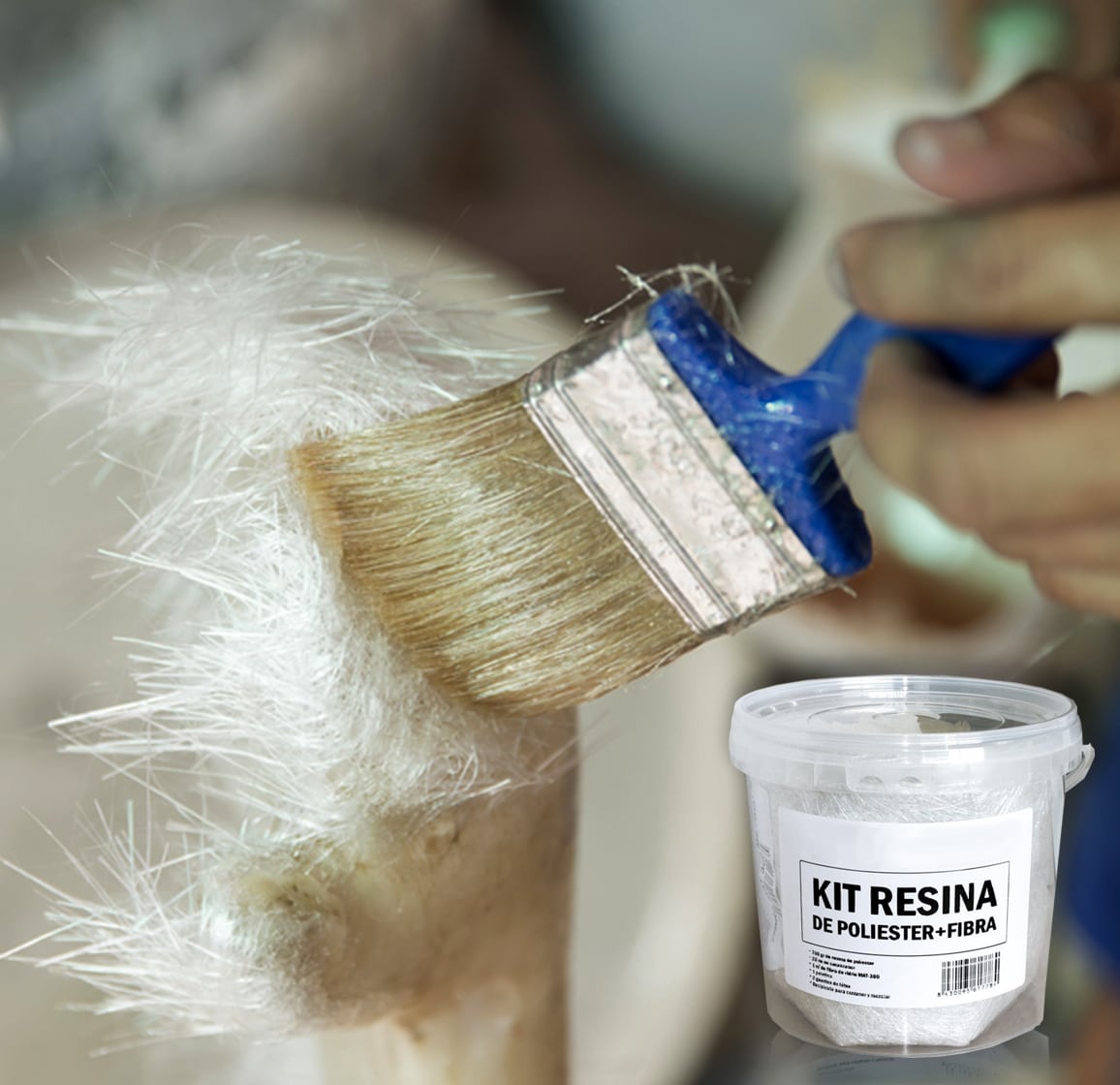
Essential Setup for Resin Application
Clear your workspace and arrange all materials before mixing resin. Set up on a stable, level surface and ensure good ventilation throughout the process. Lay down plastic sheeting to protect against drips, and keep clean-up products close by for any accidental spills.
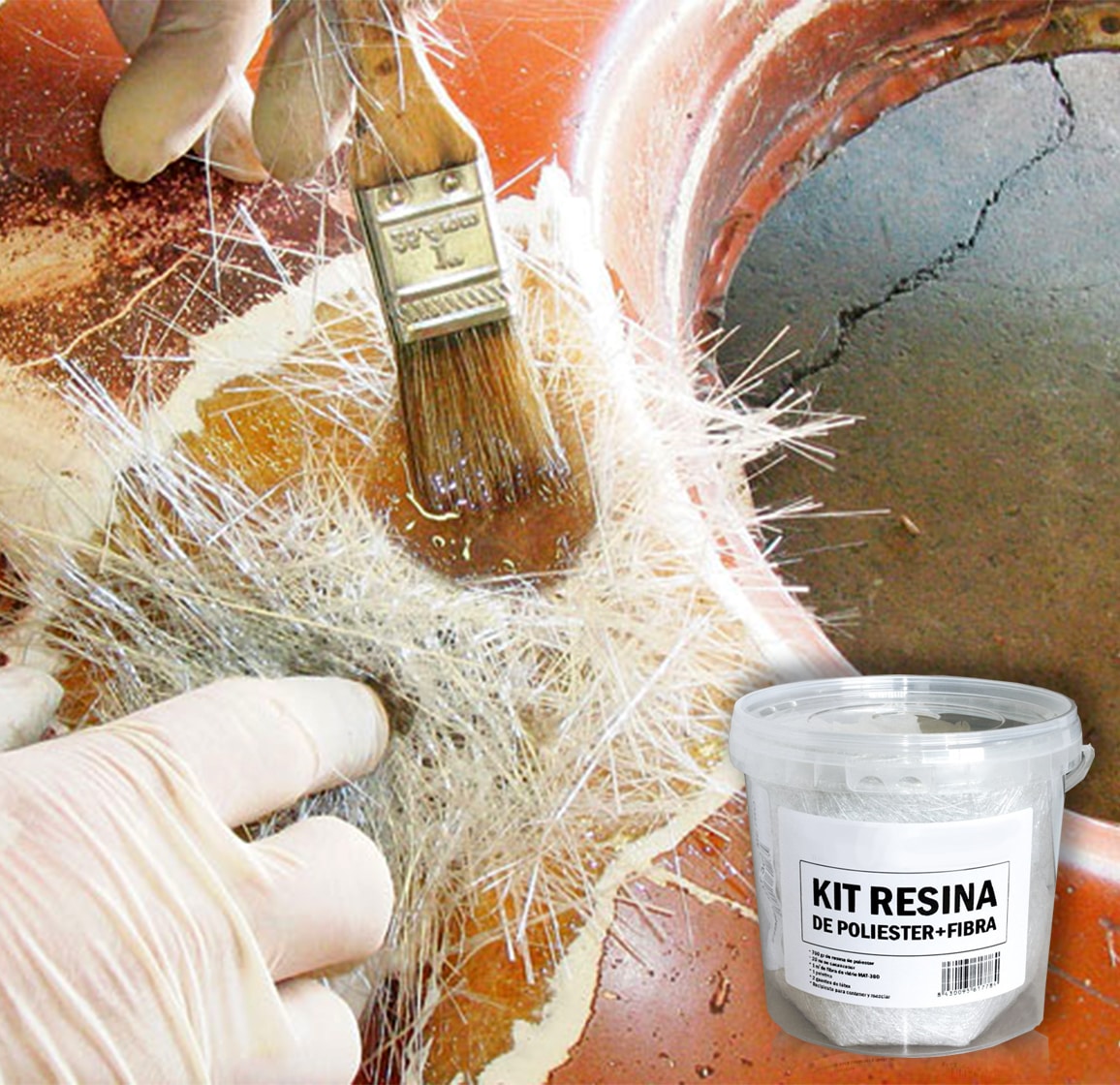
Step 1: Prepare the Wood Surface
Start by assessing the timber for moisture content. Ensure your wood is completely dry and free of oils. Moisture or contaminants will reduce resin adhesion and cause bubbling or incomplete curing. Sand the surface using medium, then fine grit sandpaper until smooth. Remove all dust with a lint-free cloth and a gentle degreaser like acetone to promote optimal bonding. Take care to cover any cracks or holes at this stage; fill them with appropriate wood filler if required and let them dry fully before proceeding.
Work in a clean, dust-free environment to prevent imperfections during application. Lay out dust sheets or plastic to protect your workspace.
Step 2: Mix the Polyester Resin
With your work area set up, it’s time to prepare the resin. Open your Resin Fibreglass Repair Kit – Complete Polyester Resin and Hardener Set and read all included instructions carefully. Use the ratio supplied (usually 3% hardener by volume). Pour the required amount of resin into a clean mixing container, then add the correct amount of hardener. Stir slowly and thoroughly, making sure not to whip excessive air into the mix.
Only mix what you can use in 10–15 minutes, as polyester resin hardens quickly, especially in warmer conditions. Always wear protective gloves, eye protection and operate in a well-ventilated space.
Step 3: Apply the Resin to Wood
Once mixed, apply the resin liberally using a bristle brush or foam roller, keeping strokes even to form a continuous seal across the timber. Work methodically with the grain for best penetration. Try to maintain an even, puddle-free layer, making sure the resin works into the wood surface and any open pores. It’s crucial for the first coat to saturate the wood fully to maximise adhesion and waterproofing.
Depending on your requirements, a single layer may suffice for decorative items. For outdoor or high-stress uses, a second coat is advisable. Mix only as much resin as you can apply within the working period to avoid waste or poor results.
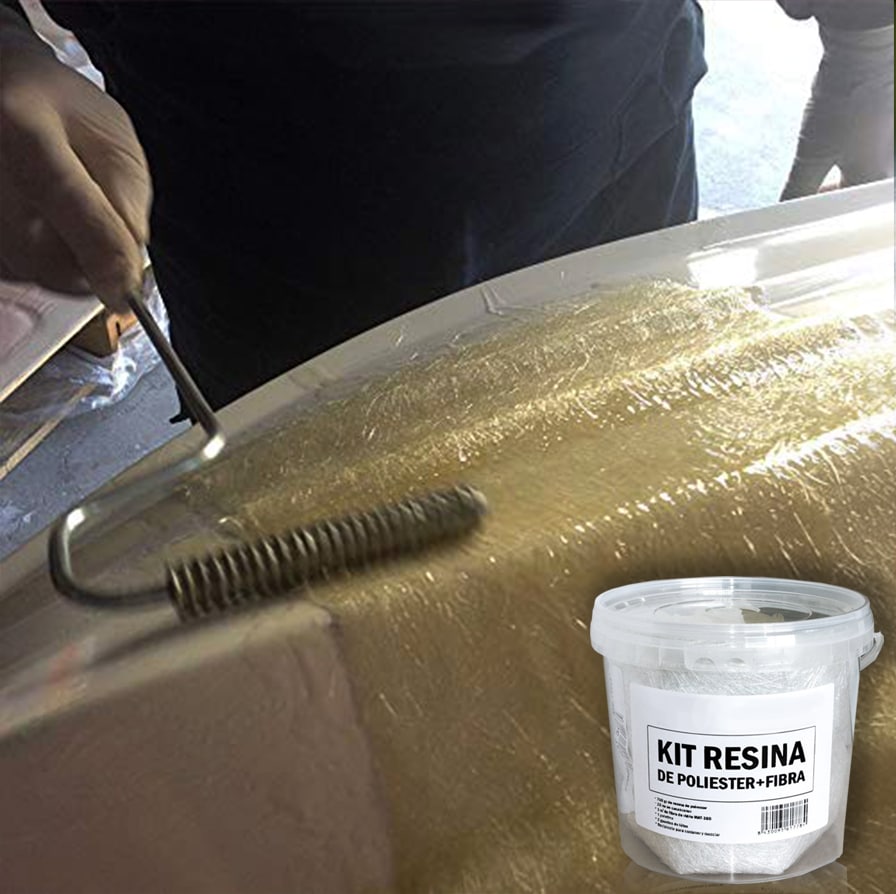
Step 4: Finishing, Curing and Inspection
Inspect the coated area for evenness and any signs of trapped air bubbles. Remove trapped air bubbles by brushing gently while the resin is still wet. If needed, lightly sand between coats with fine paper once the first is fully cured, then repeat application for further protection.
Let the resin cure thoroughly according to the kit’s recommendations—normally this means leaving the wood untouched for at least 24 hours. Never rush the curing process; allow adequate time for optimal hardness and performance. Once cured, your wood will have a tough, waterproof, and impact-resistant coating ready for use.
Tips and Common Mistakes to Avoid
Do not apply polyester resin to damp or oily wood—adhesion will suffer and bubbles may form during curing. Work in moderate temperatures for best results, and avoid direct sunlight during application. Measure the hardener accurately; too much or too little will lead to improper curing or a brittle finish. Always prepare more than enough ventilation and protect yourself with gloves and goggles to guard against fumes and skin contact.
Remember to clean tools promptly and store unused resin components securely for future repairs. With planning and patience, you’ll achieve a professional-quality finish every time.
Layering and Final Finish Examples
For a glass-smooth, durable protective effect, consider applying multiple coats with light sanding between each layer. This technique maximises both the waterproofing and the appearance of your finished woodwork.
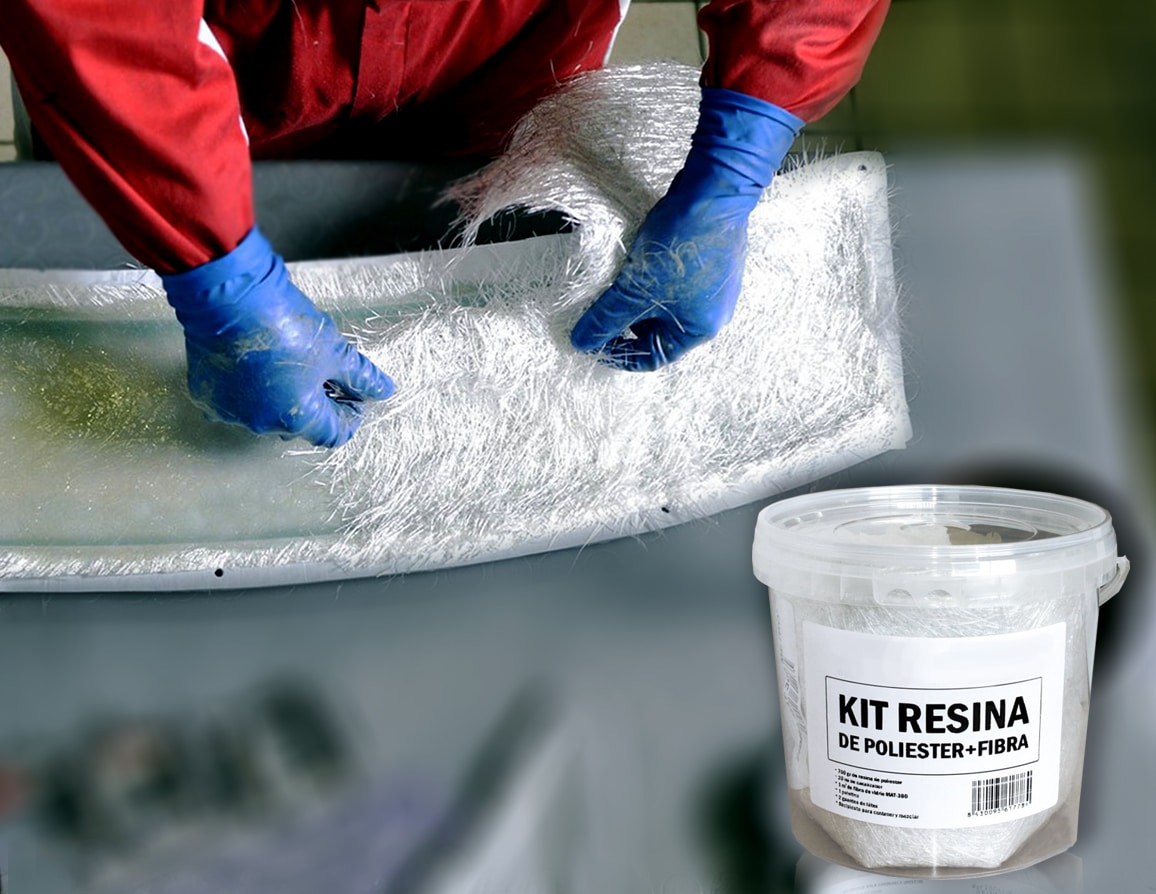
- Resin Fibreglass Repair Kit – Complete Polyester Resin and Hardener SetThe Resin Fibreglass Repair Kit provides structural reinforcement using polyester resin, suitable for various repairs following the theme.
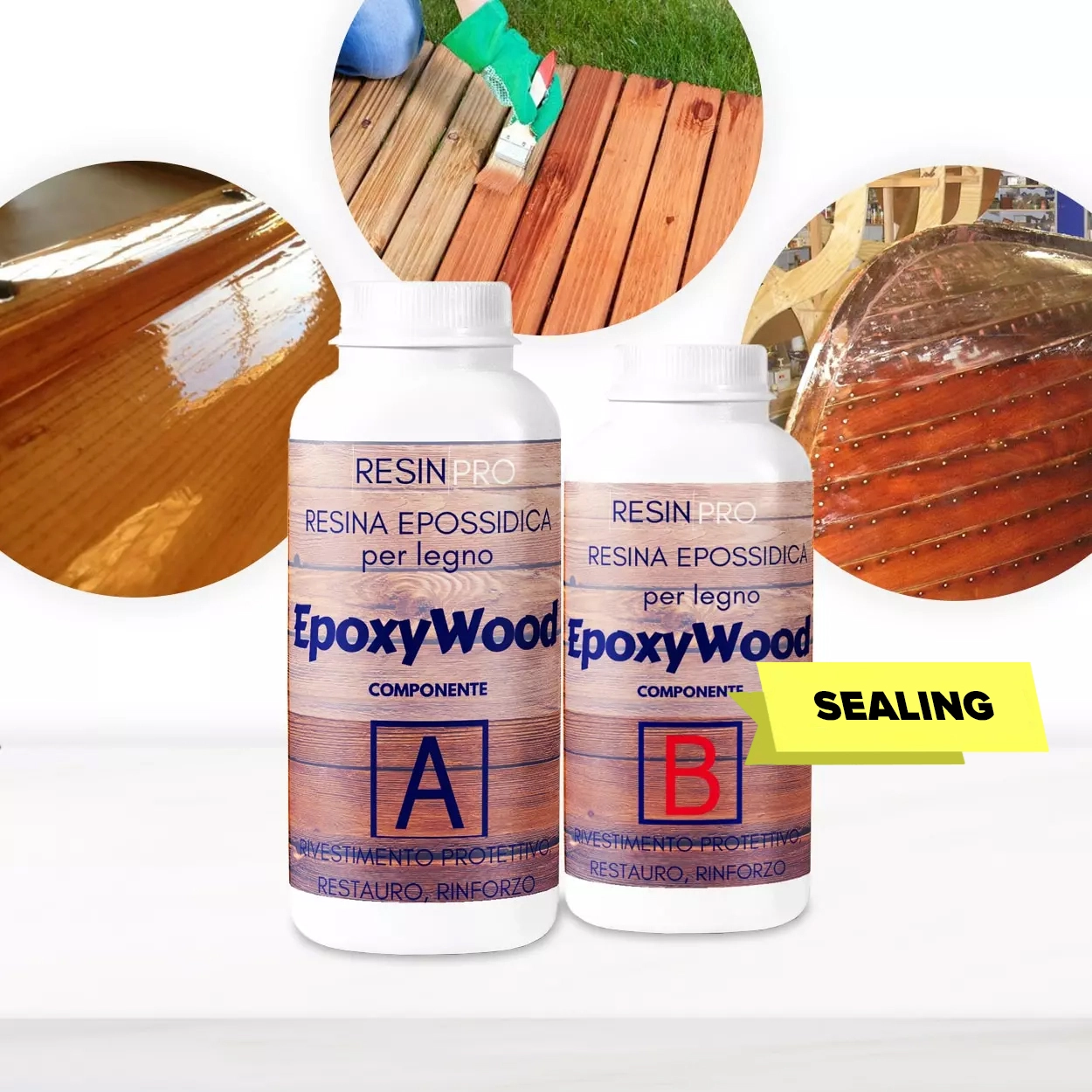
- "EpoxyWood" – Wood Restoration Epoxy Resin for Deep Penetration and WaterproofingPrice range: £27.95 through £41.95"EpoxyWood" is a solvent-free epoxy resin designed for wood restoration with deep penetration and a warm straw-yellow finish.
 "Trasparente" – Multipurpose Clear Epoxy Resin for Casting – Up to 2cmPrice range: £8.95 through £397.95"Trasparente" is a clear epoxy resin suitable for up to 2cm castings, designed for woodworking and DIY projects within the theme of coating wood with…
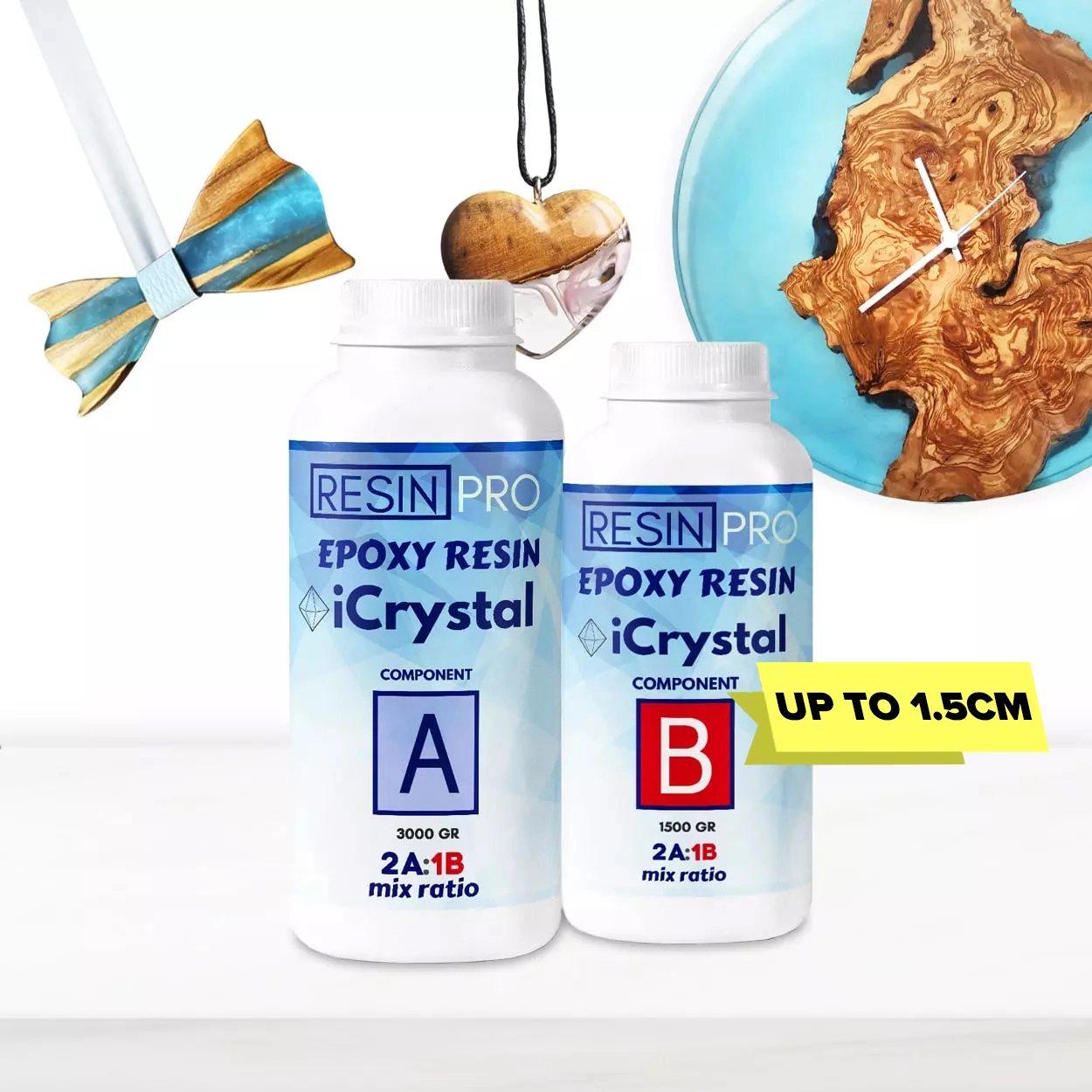 "Icrystal" – Clear Epoxy Resin – Odourless Formula – Up to 1.5cmPrice range: £12.45 through £341.45"Icrystal" Clear Epoxy Resin offers a clear, odourless formula suitable for coating wood and other surfaces in projects with this theme.
Frequently Asked Questions
Can I use polyester resin on any wood type?
Polyester resin adheres best to dry, clean hardwoods or marine plywood. Certain oily woods require additional surface preparation for good bonding.
Do I need to sand wood before coating?
Yes, sanding smooths the surface and opens pores for superior resin adhesion. Always remove dust before application.
How many coats of resin should I apply for best results?
One to two coats are typically sufficient, but outdoor or high-stress items benefit from two or more thin, even layers.
Can I speed up polyester resin curing?
Avoid artificial heat, as uneven curing may cause cracks. Let the resin cure at room temperature for optimal results.
What if the resin remains sticky after curing?
Sticky surfaces may indicate an incorrect hardener ratio or high humidity. Lightly sand and apply another mixed batch if required.
Is polyester resin waterproof when used on wood?
Yes, once cured, polyester resin forms a waterproof and impact-resistant barrier ideal for timber protection.