 Free shipping on orders over £29,85
  Shipping Tracking!


 Google
 Facebook
how to drill dry epoxy resin
Drilling into dry epoxy resin opens up creative possibilities—from jewellery making to furniture assembly—but it must be done with care to avoid cracks, chips or cloudy finishes. Whether you’re working on resin art, table tops or personal accessories, this guide will take you step by step through the safest and most effective method for drilling cured epoxy resin at home or in your workshop.
Master the technique for smooth, chip-free holes in cured resin.


What You’ll Need
- “Evershine Collection” – Artisan Jewellery Epoxy Resin Kit with 100+ Accessories (for small-scale projects with a mini precision drill included)
- “Epoxy Polish” – Epoxy Resin Polishing System (for restoring a clear, glossy finish around drilled holes)
- Drill (handheld, mini, or bench drill depending on object size)
- Sharp twist or brad-point drill bits (acrylic or plastic-rated strongly preferred)
- Masking tape
- Clamp or vice (to secure your object)
- Vacuum, brush, or compressed air (for dust removal)
- Protective eyewear and dust mask

Recommended Tools for Clean Drilling
Use precision tools and quality safety gear. Mini drills—such as those included in themed kits for jewellery—provide optimal control for delicate work. Always choose protective eyewear, dust masks and sharp, well-maintained bits to achieve smooth results when drilling dry epoxy resin.

Step 1: Plan and Mark the Drilling Points
Always begin with a fully cured resin piece. Epoxy resin should feel hard and glassy to the touch with no tackiness—typically requiring at least 24-48 hours, depending on the formulation. Identify the exact spot for each hole and mark it with a fine-tip marker or pencil. For added surface protection, place masking tape over the drilling area; this helps prevent chipping at the drill entry point and aids alignment.
Measuring twice and marking carefully will help you avoid costly mistakes, especially on one-of-a-kind pieces.
Step 2: Secure the Resin and Prepare the Bit
Secure your resin to prevent vibration. Place the item in a clamp or secure vice—never hold it by hand—as this stabilises the piece during drilling, dramatically reducing the risk of accidents or jagged holes. Select a sharp drill bit appropriate for plastics or acrylics; such bits are less likely to catch or shatter cured resin.
For jewellery and fine craft pieces, the mini precision drill included in the “Evershine Collection” – Artisan Jewellery Epoxy Resin Kit can give you excellent accuracy for small holes. Always check the bit is undamaged and sharp.
Step 3: Drill Slowly and Clear Debris
Choose sharp, high-quality drill bits designed for plastics. Position the drill bit tip at a right angle to the marked spot, and slowly start the drill at its lowest speed. Drill slowly and steadily, applying light pressure. High speeds and excess pressure generate heat, which can soften or crack epoxy resin. Periodically retract the bit to clear out dust with a vacuum or a gentle puff of air.
For thick or large pieces, pause occasionally to prevent excess heat build-up that could cloud the resin around the hole. Be patient—rushing increases the risk of cracks and spoilt finishes.

Step 4: Finish and Polish the Drilled Area
Consider cooling breaks for thick or large pieces. After drilling, carefully peel away any masking tape. Inspect the hole for rough edges or minor chips. If needed, gently sand the perimeter using fine-grit sandpaper. To restore a high-gloss, seamless look, polish the drilled area with purpose-made products. Use a specialised solution such as “Epoxy Polish” – Epoxy Resin Polishing System; apply according to pack directions, either by hand or with a rotary pad for best results.
Cleaning up the drilled surface makes all the difference between a visibly handmade look and a truly professional finish.

Tips, Common Mistakes and Troubleshooting
Take your time! The most frequent mistakes are drilling too quickly, using blunt bits, or applying excessive force. Always check that the resin is fully cured before beginning. If attempting to drill large-diameter holes, start with a small pilot hole to guide your main drill bit and reduce stress on the piece. When finishing, polishing with the correct resin polish ensures the area stays clear—not cloudy or scratched.
Should you encounter tiny chips or a misty finish, carefully re-polish using a dedicated resin polish and fine abrasives. If the hole does not turn out cleanly, consider filling minor chips with a drop of mixed resin and letting it cure before redrilling gently.
Expert Advice for Smooth Resin Drilling
Slow and steady wins. Rushing the process can ruin even the best resin projects. Carefully clear away dust as you drill and polish, and consider practicing on offcuts before committing to your final piece. Always plan for the safest, cleanest outcome!

- "Evershine Collection" – Artisan Jewellery Epoxy Resin Kit with 100+ Accessories£20.85The Evershine Collection offers a comprehensive epoxy resin kit with 500g high-transparency resin and extensive accessories for crafting jewellery.
- "Epoxy Polish" – Epoxy Resin Polishing SystemPrice range: £17.85 through £44.85EPOXY POLISH is designed for straightforward polishing of epoxy resin surfaces to restore a clear, glossy finish for craft and professional use.
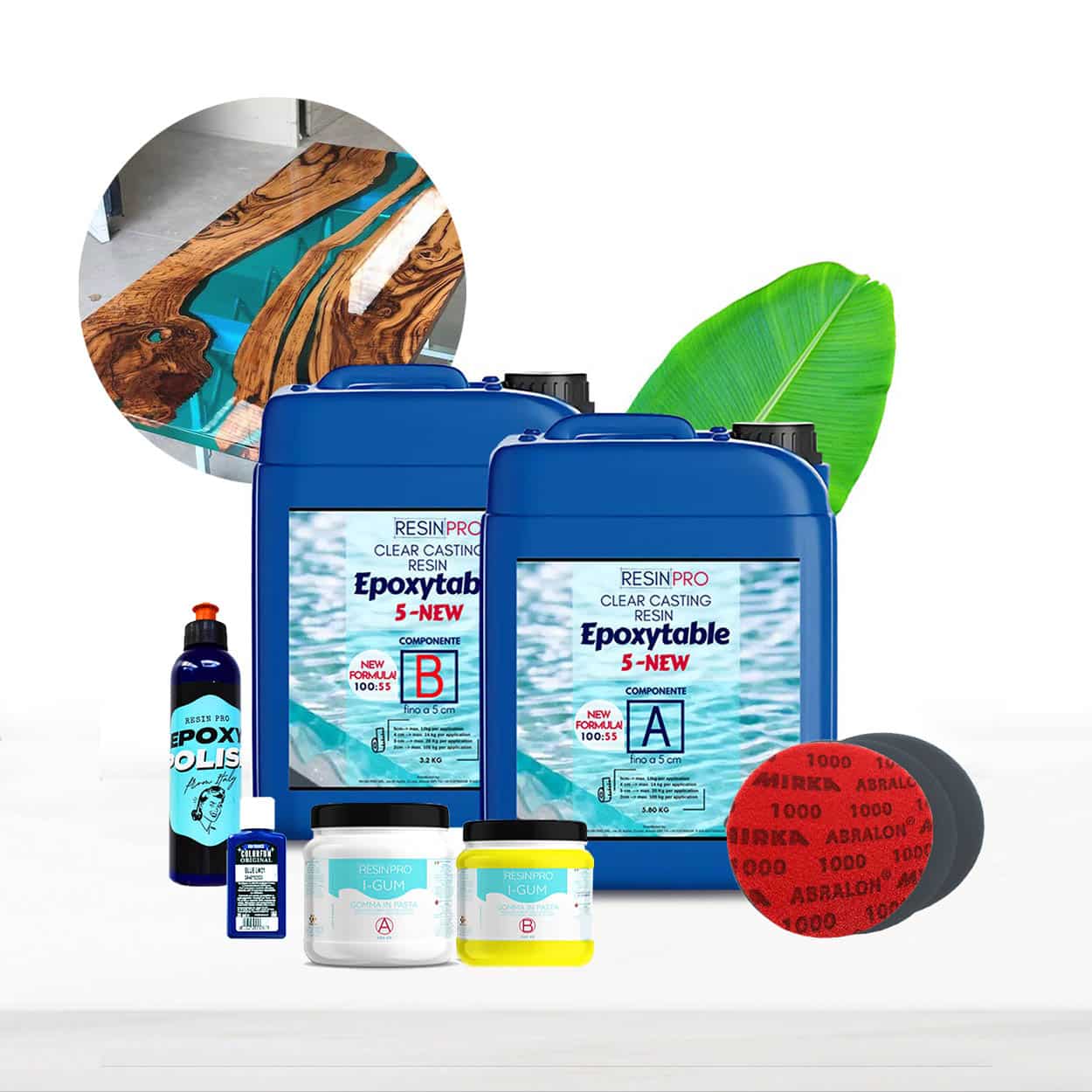 "River-Table" – Complete Kit for Creating Your First Epoxy Resin TablePrice range: £188.85 through £444.85"River-Table" kit provides materials and instructions for epoxy resin tables and crafts suited to the theme of how to drill dry epoxy resin.
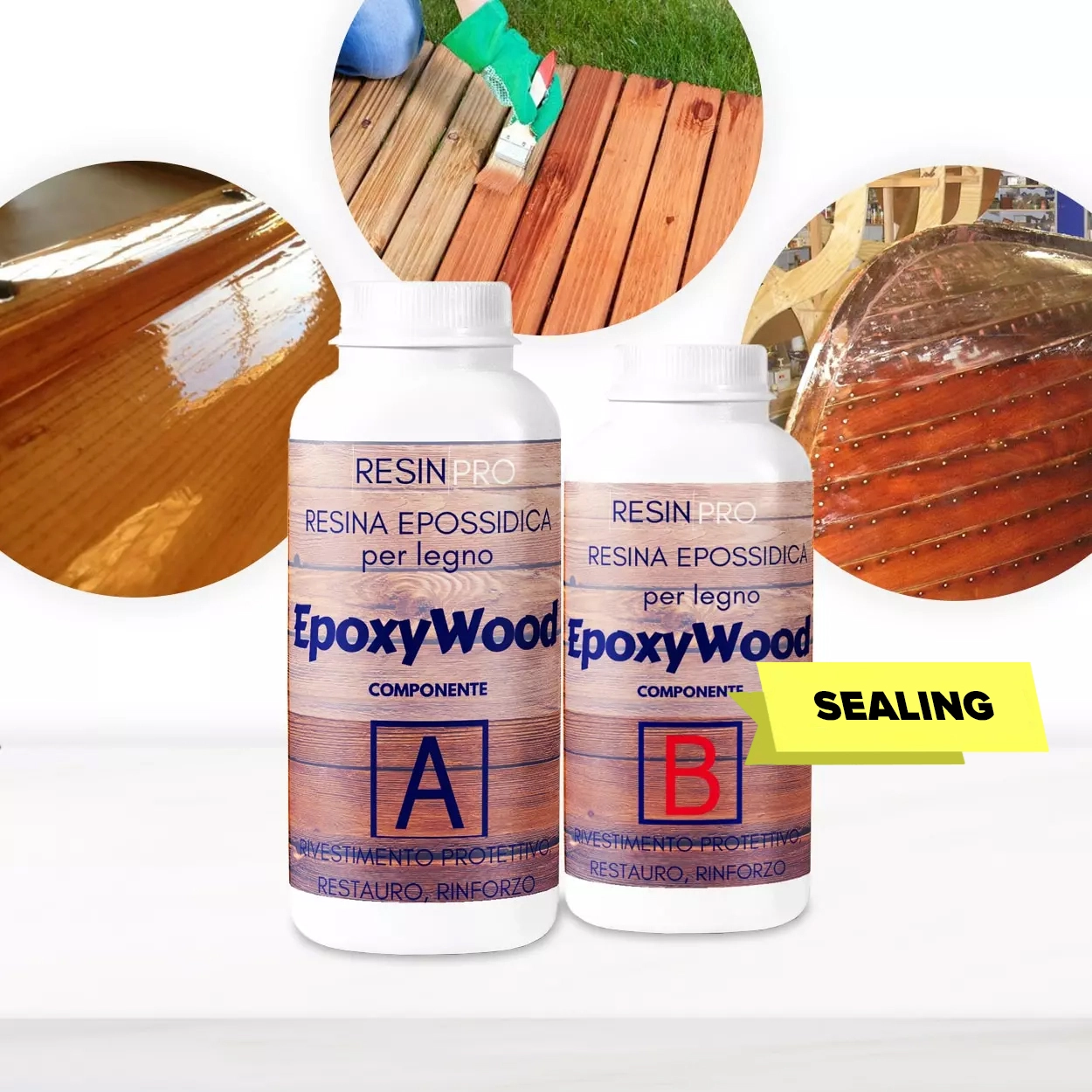 "EpoxyWood" – Wood Restoration Epoxy Resin for Deep Penetration and WaterproofingOriginal price was: £64.00.£39.85Current price is: £39.85."EpoxyWood" is designed for wood restoration with deep penetration and waterproofing, suitable for projects aligned with 'how to drill dry epoxy…
Frequently Asked Questions
Can I drill hardened epoxy resin safely?
Yes, once epoxy resin is fully cured and hardened, it can be safely drilled using slow speeds and sharp plastic-rated bits.
What drill bit is best for epoxy resin?
Use twist or brad-point bits designed for plastics or acrylics; they create clean holes and reduce the risk of cracking or chipping.
How do I prevent cracks and chips when drilling?
Ensure the resin is fully cured, drill at a low speed, use minimal pressure, and use masking tape on the entry point.
How do I polish after drilling epoxy?
Use a fine-grit abrasive if needed, then apply an epoxy resin polishing system to restore clarity and gloss around the drilled area.
Can I use a normal household drill on epoxy?
Yes, as long as you use a suitable drill bit for plastics and secure your workpiece to avoid accidents.
Is resin dust harmful when drilled?
Resin dust can be hazardous if inhaled, so always use a dust mask and work in a well-ventilated area when drilling.