 Free shipping on orders over £29,85
  Shipping Tracking!


 Google
 Facebook
how to embed fresh flowers in resin
A complete step-by-step guide to preserving real blooms in resin

Preserving fresh flowers in resin creates beautiful, long-lasting art pieces, jewellery, and décor that capture nature’s beauty. This guide is designed for beginners and experienced crafters alike, focusing on effective techniques to help you encapsulate blooms without discolouration or trapped moisture. Every step, from pressing to pouring, matters for achieving a perfectly clear and durable finished result.
What You’ll Need
- “Icrystal” – Clear Epoxy Resin – Odourless Formula – Up to 1.5cm: A clear, odourless epoxy resin designed for applications requiring transparency and ease of use, including art and craft embedding.
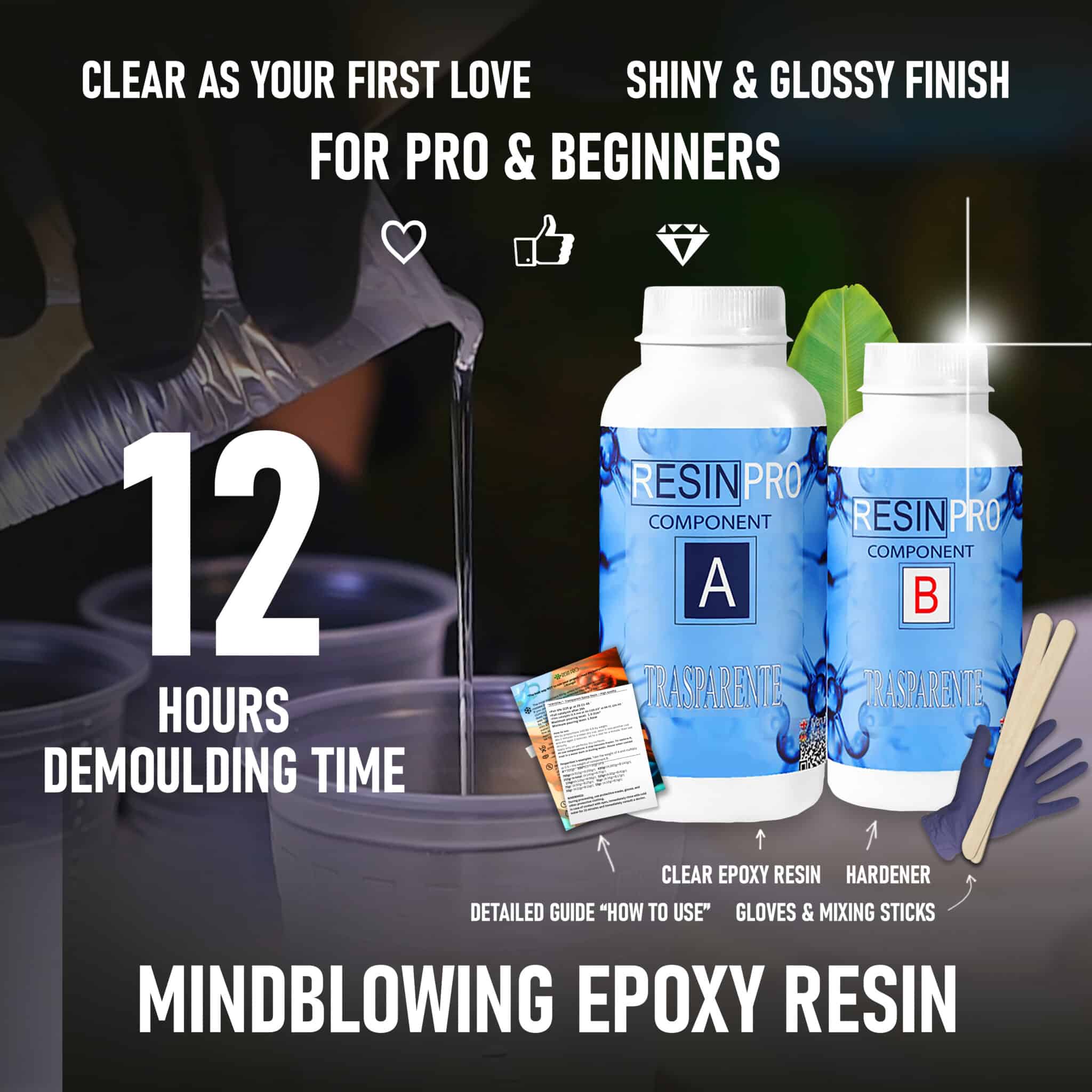
- “Trasparente” – Multipurpose Clear Epoxy Resin for Casting – Up to 2cm: Certified non-toxic clear epoxy resin designed for layers up to 2cm thickness with high clarity and UV resistance.
- “Epoxytable 10-Ten” – Deep Pour Epoxy Resin for Tables, Up to 10cm Casting: Epoxy resin designed for deep pours up to 10 cm, suitable for tables and artistic castings.
- Fresh flowers (properly prepared and pressed)
- Silicone moulds
- Mixing sticks and disposable cups
- Nitrile gloves
- Sealing spray or PVA glue (for flower sealing)

Tools and Materials for Floral Resin Casting
Choosing the right epoxy resin and prepping your flowers are essential for long-lasting clarity and beauty. Invest in a silicone mould and wear gloves to stay safe. Work on a covered surface and ensure your area is well-ventilated for best results.
Step 1: Prepare the Flowers
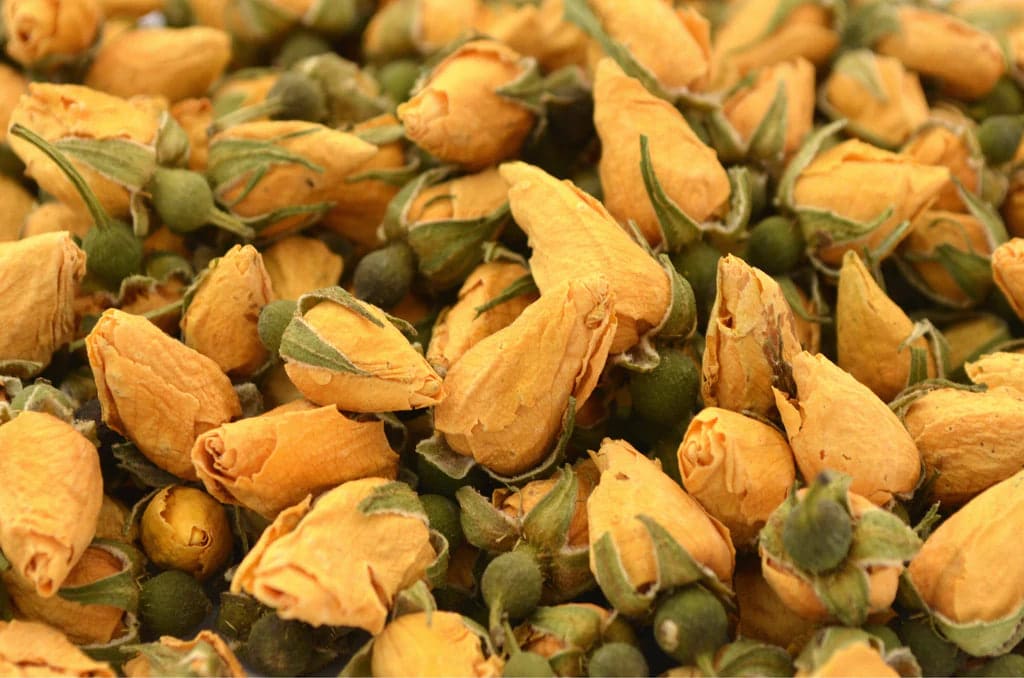
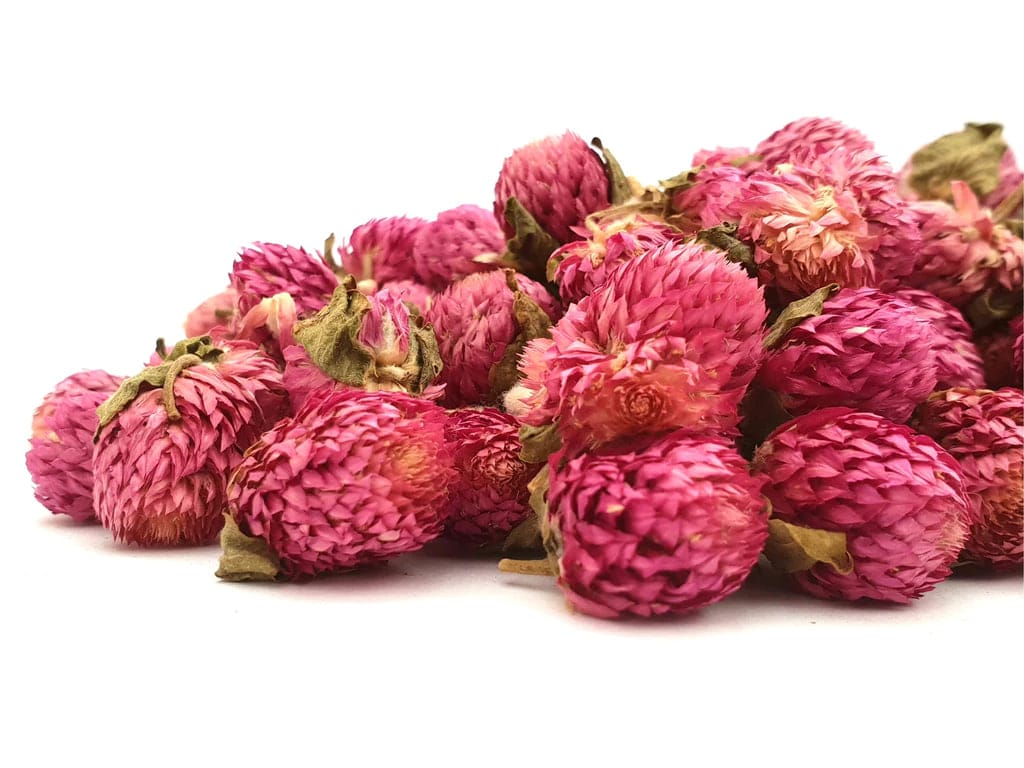
It is essential to thoroughly dry and press your flowers before embedding in resin, as moisture can cause discolouration, bubbles, or decay over time. Place each fresh bloom between sheets of blotting paper, using a heavy book or dedicated flower press for at least 1–2 weeks. Ensure they are crisp and dry, without any remaining dampness.
Press flowers thoroughly before embedding in resin to ensure the best clarity and durability. Failing to do so often results in brown spots or cloudiness inside the finished piece.
Step 2: Seal the Flowers
Unsealed flowers can release residual moisture and air, leading to blemishes or fogginess after casting. Use a light layer of clear-drying sealer or PVA glue on both sides of each pressed flower, making sure to cover edges for complete protection. Allow them to dry fully before moving on. This prevents potential bleed-through or reaction with the resin, especially in larger or thick-petalled varieties.
Seal flowers to prevent discolouration or moisture damage. Rushing this step often causes the resin to yellow or appear cloudy over time.
Step 3: Mix and Pour the Resin
Select a clear casting epoxy resin suited to your project size—such as “Icrystal” – Clear Epoxy Resin – Odourless Formula – Up to 1.5cm for jewellery, or “Epoxytable 10-Ten” – Deep Pour Epoxy Resin for thicker table or art pieces. Accurately measure and mix the resin and hardener according to manufacturer’s instructions, stirring gently to avoid introducing air bubbles.
Pour a thin layer into your silicone mould to create a base, then carefully place the sealed flowers face-down. Slowly add more resin, ensuring the flowers are fully covered. For deep pours, build up in layers to prevent overheating and minimise bubbles.
Mix resin slowly to minimise bubbles and ensure clarity. Pour in thin stages if the total depth exceeds the product’s recommended maximum.
Step 4: Position and Cure
Gently reposition and adjust each flower with a toothpick or tweezers to showcase the best angle and prevent overlapping. Pop any surface bubbles using a heat gun held at a safe distance or a fine pin. Work patiently, and leave the mould undisturbed in a dust-free area.
Cure the resin according to the product guide—this can range from 12 hours for small pieces with “Icrystal” resin, to two days or longer for deep castings with thicker resins. Avoid moving or disturbing your project during this period.
Work patiently and allow curing time, as handling too soon may damage clarity or shape.

Tips, Common Mistakes, and Troubleshooting
Pour in thin layers to prevent overheating and bubble formation, especially for pours deeper than 2cm. Always use properly dried and sealed flowers, and select a resin formulation that matches your casting thickness. Keep your workspace dust-free, and avoid excessive mixing, which introduces air. If you notice yellowing or cloudiness, it often traces back to moisture in the flowers or environmental contamination. Patience is the key to perfect, clear results every time.
Expert Advice for Clear, Lasting Encapsulation
Let each resin layer cure properly before proceeding—this prevents trapped moisture and haze. If working on larger projects, consider “Trasparente” for up to 2cm pours or “Epoxytable 10-Ten” for thicker castings, ensuring vivid, preserved flowers every time.
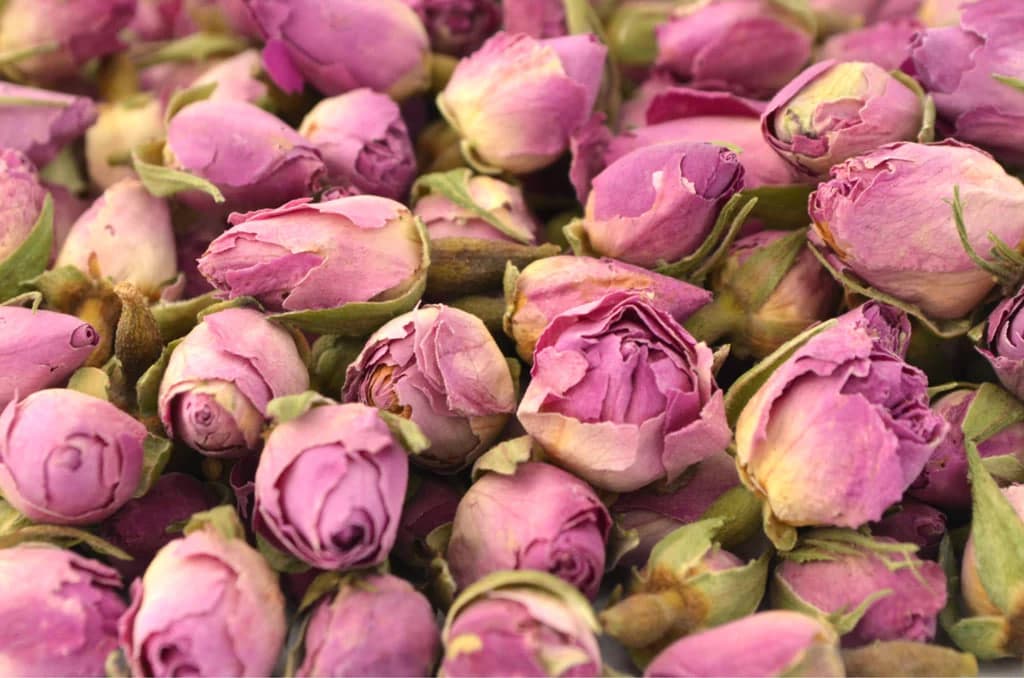
- Natural Dried Flowers for Art Projects and Epoxy Resin CastingPrice range: £5.45 through £7.85Natural Dried Flowers are prepared for immediate use and suitable for embedding in resin, offering a natural aesthetic for art projects.
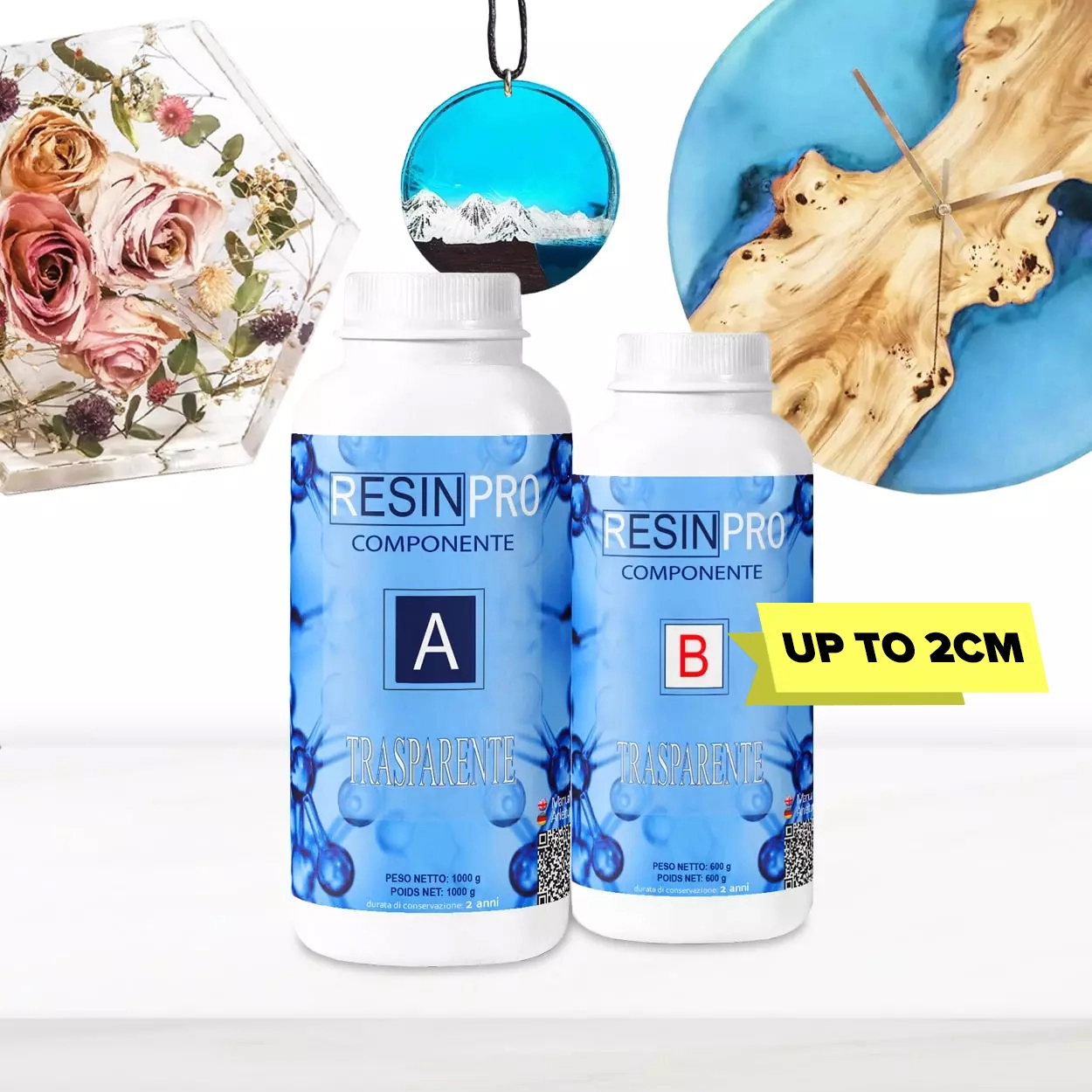 "Trasparente" – Multipurpose Clear Epoxy Resin for Casting – Up to 2cmPrice range: £8.45 through £948.85"Trasparente" is an ultra-clear epoxy resin suitable for castings up to 2cm thick, offering a glossy, self-levelling finish for resin art and DIY…
- “Epoxytable 10-Ten” – Deep Pour Epoxy Resin for Tables, Up to 10cm CastingPrice range: £33.85 through £334.85“Epoxytable 10-Ten” is suitable for super-deep casting projects including embedding fresh flowers in resin.
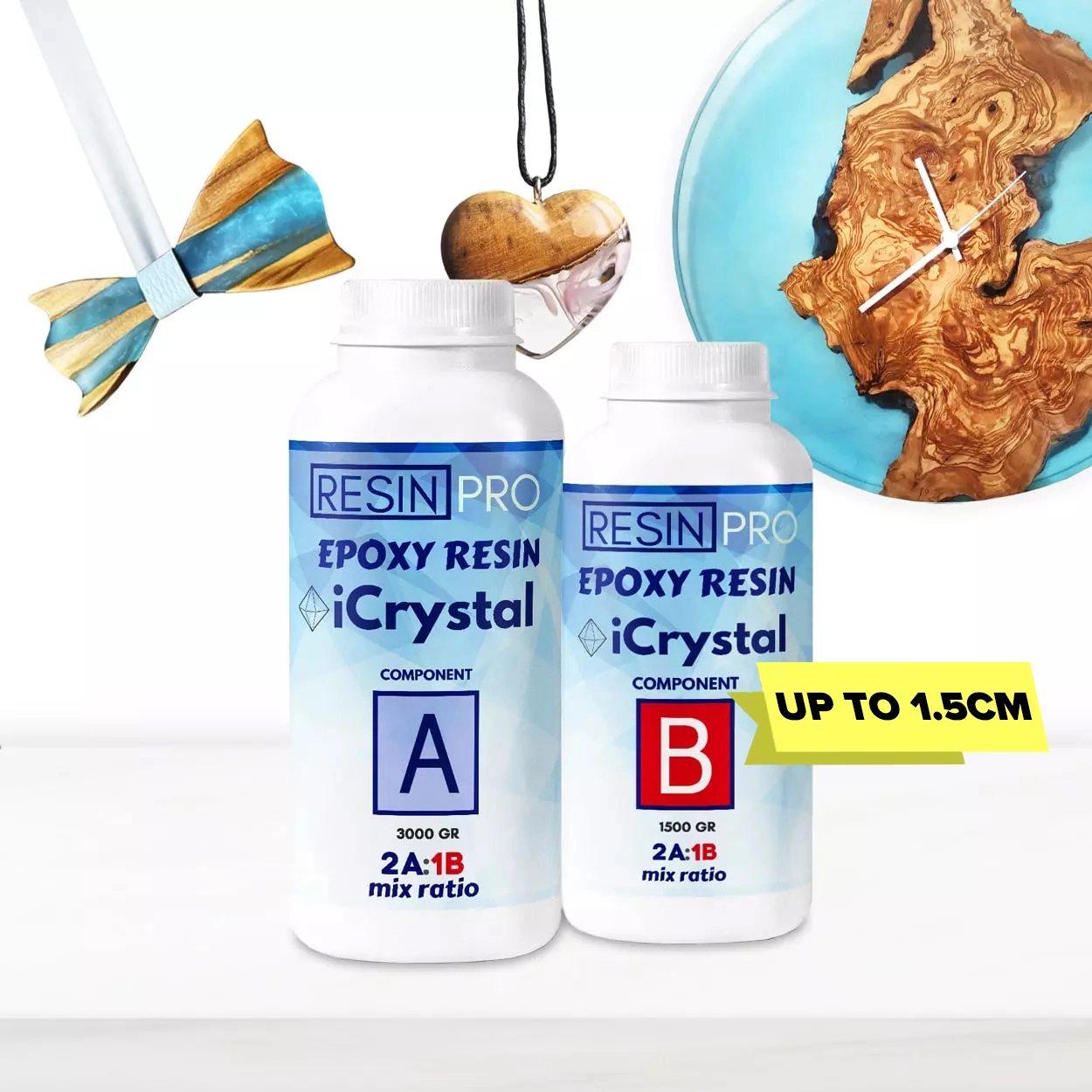 "Icrystal" – Clear Epoxy Resin – Odourless Formula – Up to 1.5cmPrice range: £11.65 through £954.85"Icrystal" Clear Epoxy Resin offers high transparency and is odourless, suitable for embedding and art projects in this flower embedding theme.
Frequently Asked Questions
Do I have to dry flowers before embedding them in resin?
Yes, flowers must be completely pressed and dried to prevent discolouration, mould, and bubbles inside the finished resin piece.
How do I avoid bubbles forming around flowers in resin?
Mix resin slowly, seal flowers beforehand, and pour in stages. Use a heat gun or pin to remove bubbles before curing.
Is sealing flowers necessary before embedding them in resin?
Sealing pressed flowers prevents trapped moisture and protects colours, helping avoid yellowing or cloudiness over time.
Which resin should I use to embed fresh flowers?
Choose a clear casting epoxy like "Icrystal" for thin pieces or deeper-pour resin for larger projects, always matching the layer depth.
How can I fix cloudy or foggy resin when embedding flowers?
Cloudiness is usually caused by moisture or improper sealing of flowers. Dry and seal thoroughly before embedding.
How long does resin take to cure when flowers are embedded?
Curing times vary by resin and pour depth—small pieces cure in 12–24 hours while deep castings may require several days.