 Free shipping on orders over £29,85
  Shipping Tracking!


 Google
 Facebook
How to embed insects in resin
Step-by-step guide for clear, lasting insect displays in resin
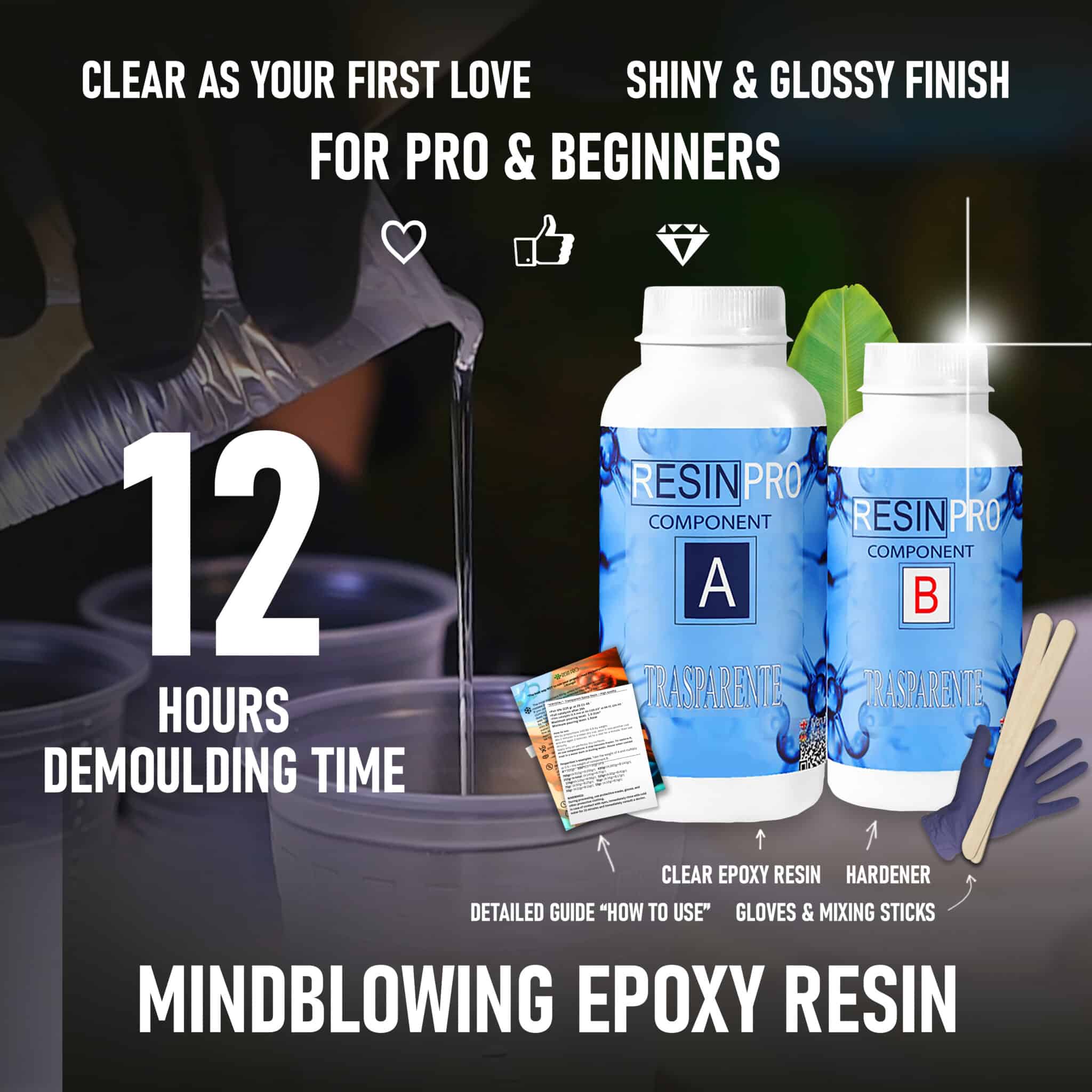

Embedding insects in resin enables you to create unique jewellery, display specimens, or preserve delicate finds for art and study. This guide leads you through each stage of the process, from preparation to casting and finishing, ensuring your projects are both safe and beautifully clear.
What You’ll Need
- Protective equipment: gloves, apron, and safety glasses
- Disposable mixing cups and stir sticks
- Silicone moulds (shape and size of your choice)
- Dried and prepared insect specimens
- “Icrystal” – Clear Epoxy Resin – Odourless Formula – Up to 1.5cm (suitable for small, shallow castings)
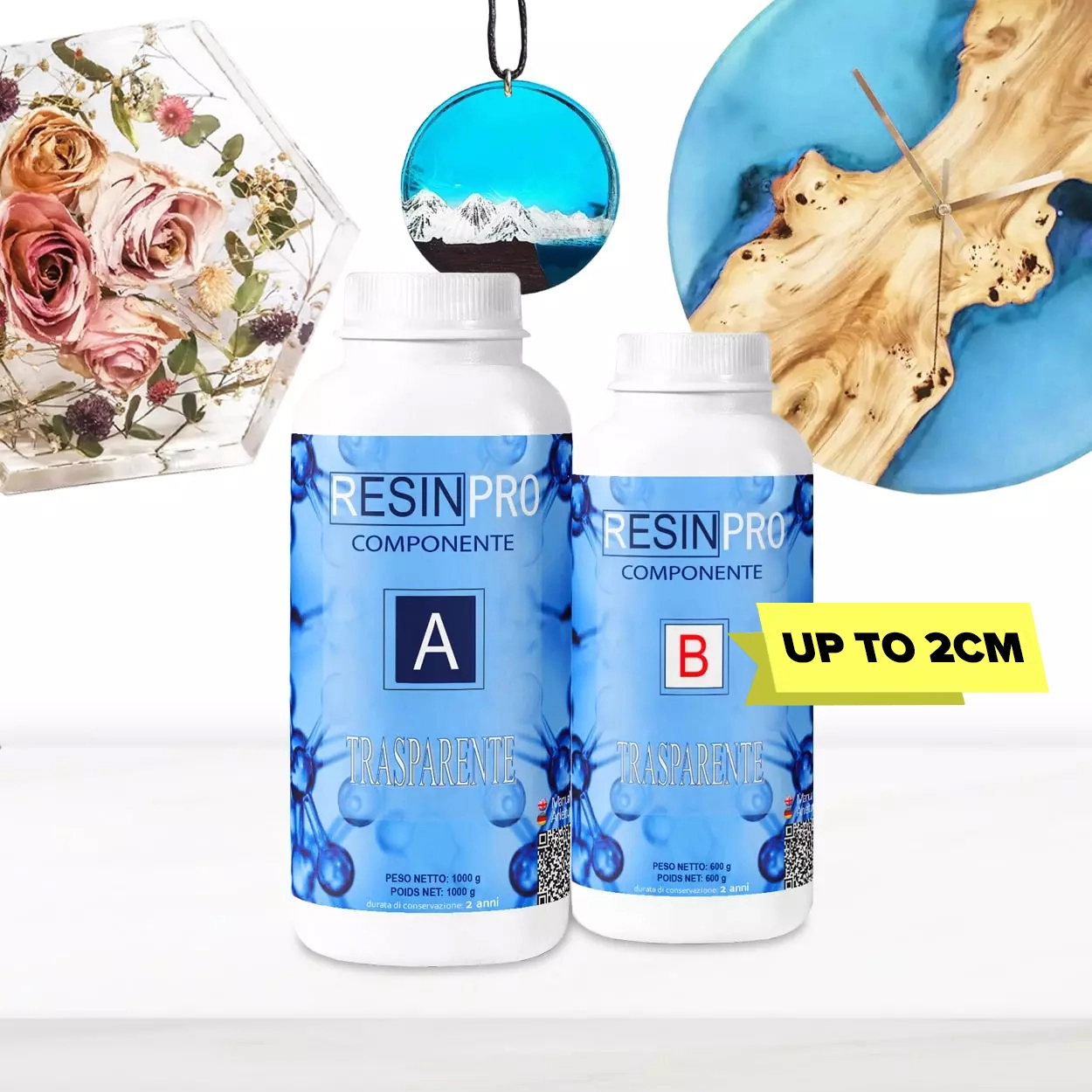
- “Trasparente” – Multipurpose Clear Epoxy Resin for Casting – Up to 2cm (ideal for most embedding projects)
- “EpoxyTable 5-Five” – Deep Pour Epoxy Resin for Tables and Large Projects – Up to 5cm (for thick or multi-layer castings)
- “Epoxytable 10-Ten” – Deep Pour Epoxy Resin for Tables, Up to 10cm Casting (for extra-deep projects)
- Fine tweezers, artist’s brush, paper towels
Choosing the Right Resin for Clear Insect Embedding
Clarity and appropriate pour thickness are crucial for success when embedding insects in resin. “Icrystal” – Clear Epoxy Resin – Odourless Formula – Up to 1.5cm is perfect for jewellery or small objects. For deeper, bubble-free castings, “Trasparente” – Multipurpose Clear Epoxy Resin for Casting – Up to 2cm and “EpoxyTable 5-Five” – Deep Pour Epoxy Resin offer the clarity and working time needed for larger displays or thicker pours.
Step 1: Prepare and Seal the Insect Specimen
Begin by choosing only dried, preserved insects. Place the specimen on absorbent paper in a dry location for at least several days to make sure all moisture is removed, as trapped water can cause cloudiness or decay inside the resin. Handle delicate insects with fine tweezers or an artist’s brush to avoid damage.
To prevent future colour loss or resin bubbles, seal the specimen with a thin coat of clear, fast-drying spray lacquer or brush-on sealant. Let it dry fully before continuing. This helps stop air or natural oils from leaking into the resin, ensuring clarity and preserving detail.
Step 2: Organise Your Workspace and Safety
Handle insects and resin in a well-ventilated area and cover all surfaces to protect from spills. Use gloves and safety glasses, as uncured epoxy resins can irritate skin and eyes. Gather all materials beforehand for a smooth workflow, and position your silicone moulds on a level worktop to avoid uneven pours.
Step 3: Mix the Resin Correctly
Select the resin most suitable for your project’s thickness. For example, use “Icrystal” for projects up to 1.5 cm or “Trasparente” for up to 2 cm per layer. For larger castings, choose “EpoxyTable 5-Five” (up to 5 cm) or “Epoxytable 10-Ten” (up to 10 cm). Check the instructions for the correct mix ratio and working time for your chosen resin.
Mix resin components precisely, blending slowly to reduce air bubbles. Once mixed, let the resin sit for a few minutes—this allows bubbles to rise for easier removal. Quickly move on to the embedding stage before the resin begins to set.
Step 4: Embed the Insect and Pour the Resin
Pour a shallow base layer of mixed resin into your mould and let it thicken slightly until it is tacky. Gently lower the sealed specimen onto the semi-set layer with tweezers, ensuring correct positioning and orientation. This prevents the insect from floating or shifting.
Carefully pour the remaining resin in thin layers over the insect, avoiding direct pouring onto delicate parts. Fill to your chosen height within the pour limit of the resin. Use a pin or brush to pop small bubbles that may cling to the insect. Cover the mould and allow to cure as per the resin manufacturer’s guidance, keeping it dust-free and level.

Step 5: Demould and Finish the Piece
Once fully cured (refer to your resin’s instructions for curing time), gently pop your creation from the mould. Trim away any rough edges, and, if needed, sand the surface with fine-grit paper followed by polishing paste for a glossy, professional finish. Take care not to overheat the surface during sanding, and always work gently around the embedded insect.
Tips, Common Mistakes, and Troubleshooting
Thoroughly dry and seal your insect specimens to avoid trapped moisture, bubbles, or discolouration. Avoid pouring layers thicker than your resin allows to prevent overheating or cloudiness. Resin should always be mixed slowly; rapid mixing introduces unnecessary bubbles. If the resin turns white or milky, moisture or a rushed pour is likely the issue—ensure proper environmental control and curing times.
If bubbles appear, use a cocktail stick or gently torch the surface (with caution) to remove them. Always follow safety guidelines on product labels and clean all tools promptly after use.
Resin Curing: Ensuring Clarity and Bubble-Free Results
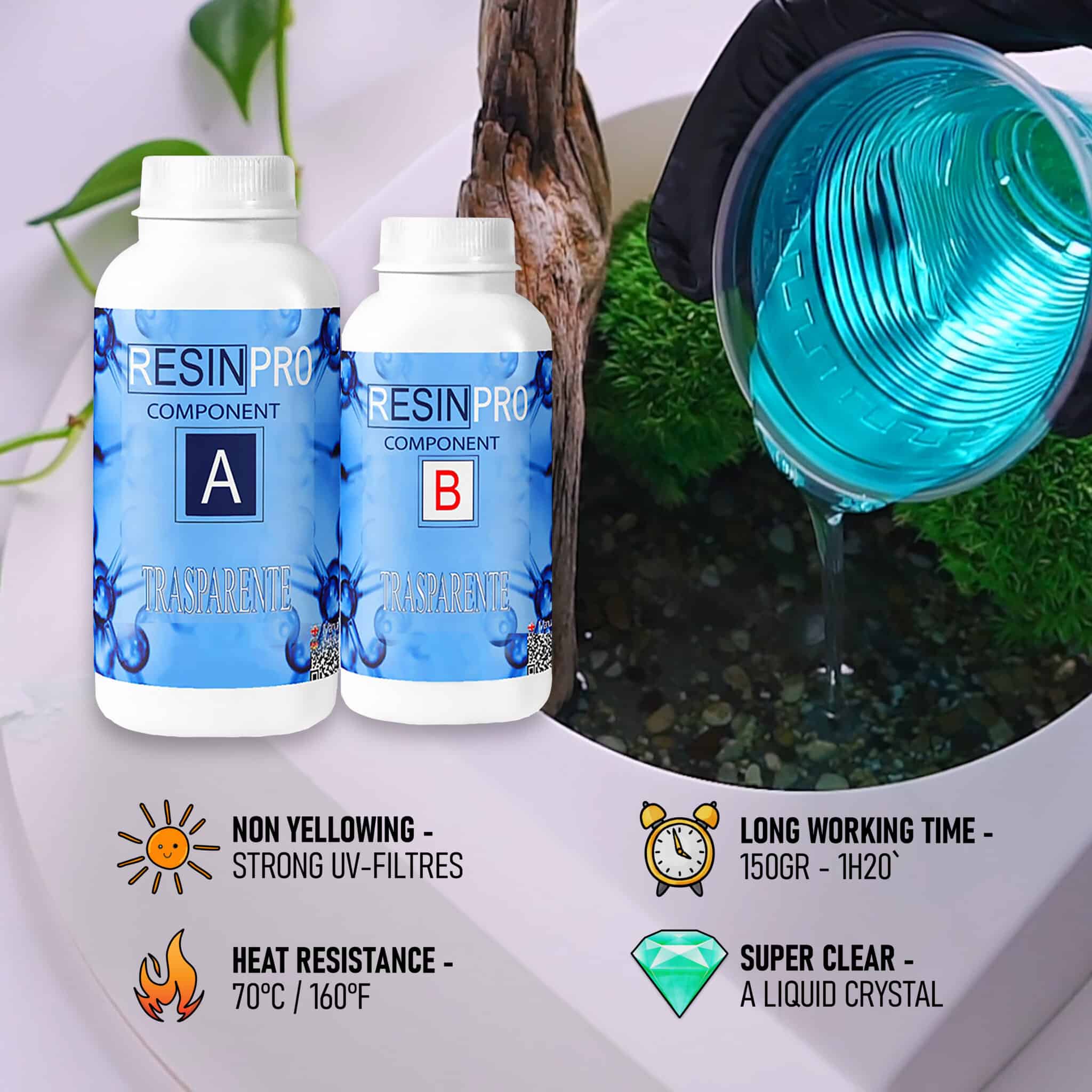
Temperature and environment play a key role in the curing process. Work at room temperature, protect your project from dust, and avoid moving the mould during cure. Rushing the pouring process or introducing moisture are common causes of bubbles. Most clarity issues are resolved by taking your time during mixing and pouring, and by choosing a resin like “Trasparente” Epoxy Resin that is formulated for high transparency.

- "Trasparente" – Multipurpose Clear Epoxy Resin for Casting – Up to 2cmPrice range: £8.45 through £948.85The "Trasparente" clear epoxy resin is suitable for small castings up to 2 cm, delivering a crystal-clear finish and easy use for detailed projects.
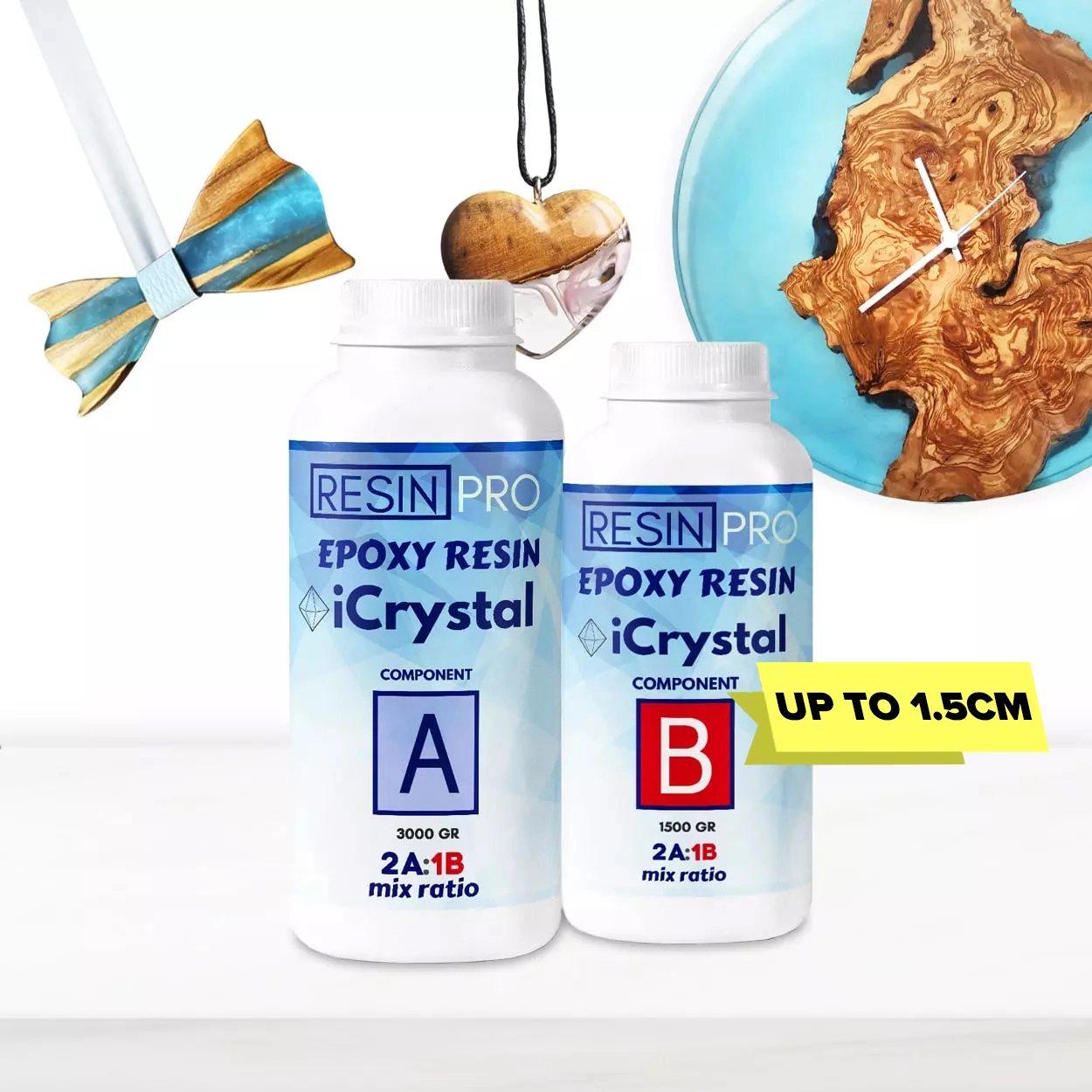 "Icrystal" – Clear Epoxy Resin – Odourless Formula – Up to 1.5cmPrice range: £11.65 through £954.85"Icrystal" Clear Epoxy Resin is a transparent, odourless epoxy designed for crafting and surface coatings suitable for embedding insects.
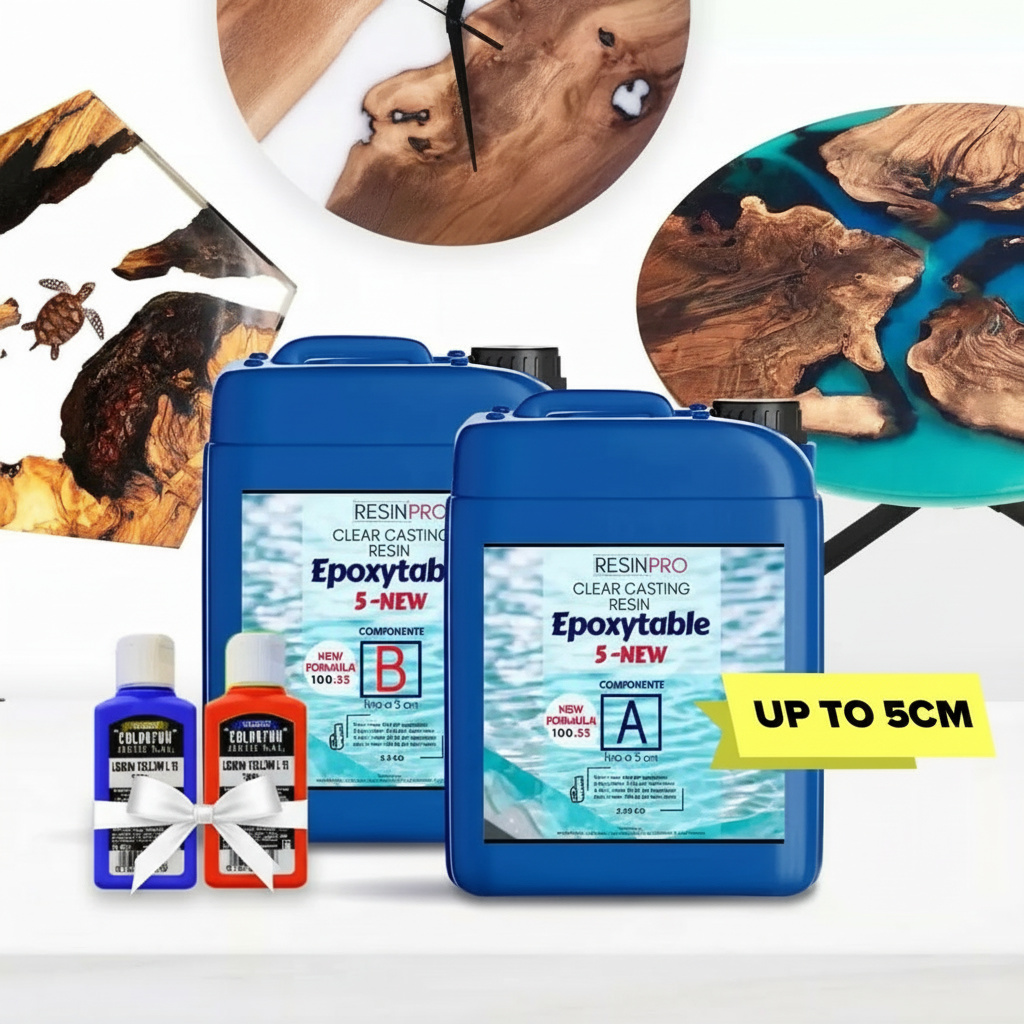 "EpoxyTable 5-Five" – Deep Pour Epoxy Resin for Tables and Large Projects – Up to 5cmPrice range: £16.85 through £1,099.85"EpoxyTable 5-Five" is a resin designed for deep pouring projects such as tables, suitable for use up to 5cm thickness.
 “Epoxytable 10-Ten” – Deep Pour Epoxy Resin for Tables, Up to 10cm CastingPrice range: £33.85 through £334.85“Epoxytable 10-Ten” is designed for embedding insects in resin with deep pours up to 10cm, offering non-yellowing clarity and low viscosity.
Frequently Asked Questions
What is the best resin for embedding insects?
Choose a clear casting resin matched to your mould depth. For most projects, 1.5–2 cm resins offer the best clarity and ease of use.
How do I avoid bubbles when casting insects in resin?
Seal specimens before casting, mix resin slowly, and pour in layers. Remove bubbles with a pin or heat as needed.
Can I embed freshly collected insects in resin?
No, only use fully dried and sealed insects. Fresh specimens can decay, discolour, or cause cloudiness.
What is the maximum resin thickness for embedding insects?
Follow your resin's pour limit—usually 1.5 to 5 cm per layer. Deeper pours may require specialist deep-casting resin.
Can I add colour or glitter to insect resin casts?
Yes, but add sparingly. Excess colour can obscure the insect and reduce clarity. Transparent tints work best.
How long does resin take to cure when embedding insects?
Curing usually takes 24–72 hours depending on resin type, temperature, and thickness. Check the product label.