 Free shipping on orders over £29,85
  Shipping Tracking!


 Google
 Facebook
How to engrave hard resin?
Engraving hard resin opens the door to personalised art, detailed decorations, and bespoke gifts. Whether you want to add names, patterns, or intricate designs to resin castings, knowing how to engrave safely and cleanly will ensure crisp, lasting results on any cured epoxy or art resin surface.
Master engraving techniques for epoxy art, castings, and decor.

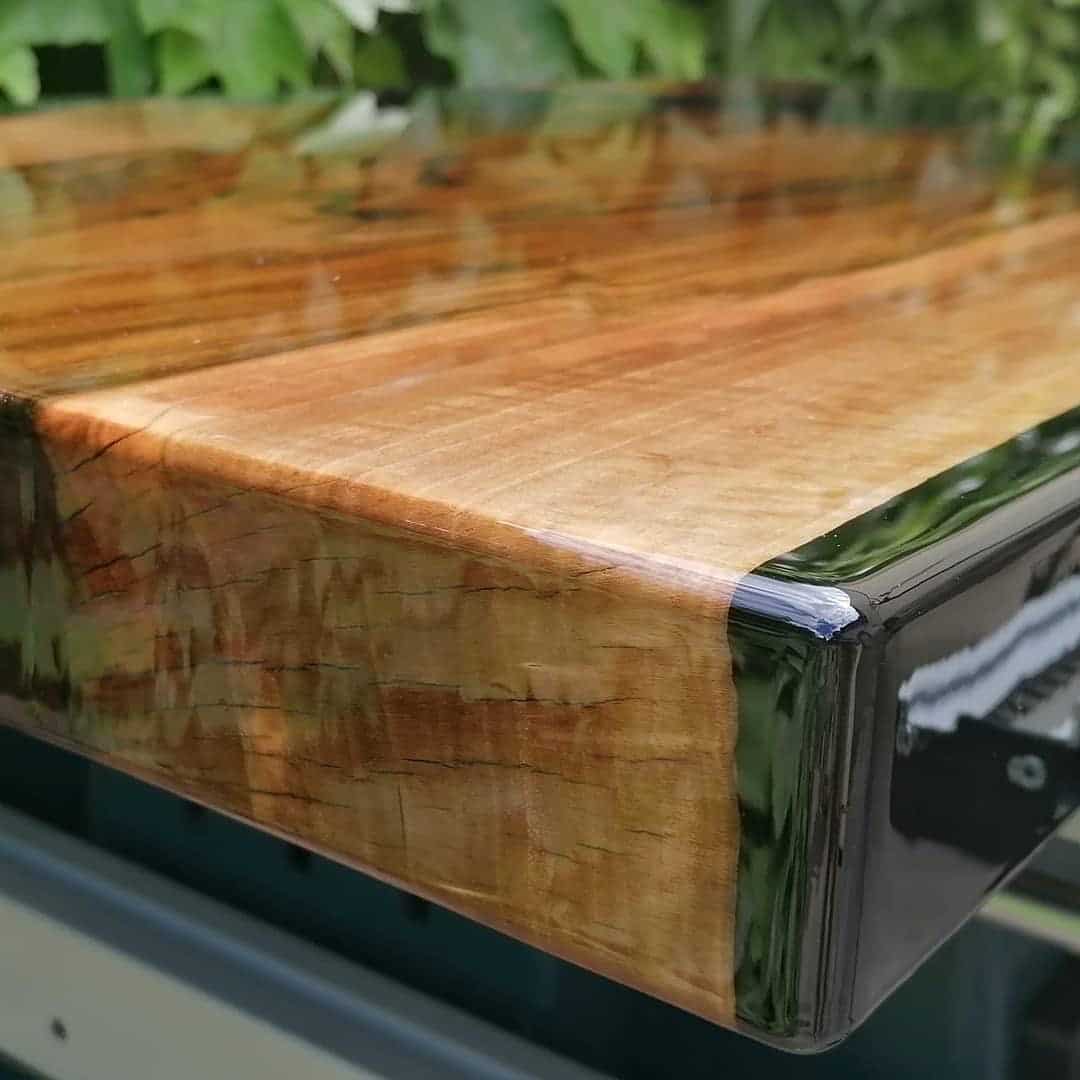
What You’ll Need
- Fully cured hard resin project (castings, panels, or decorative pieces)
- Pencil or erasable marker for draft lines
- Engraving tool (rotary tool, engraver pen, or micro drill)
- Sanding sponge or fine grit sandpaper
- Respirator mask and safety goggles
- Clean cloth for dust removal
- Optional: paint or pigment for highlighting engraved lines
- “Art Pro Deluxe” – Ultra-High Viscosity Epoxy Resin for Artists: For preparing surfaces designed for detailed engraving
- “Epoxytable 10-Ten” – Deep Pour Epoxy Resin for Tables, Up to 10cm Casting: For large, deep-cast resin pieces

Engraving Tools & Surface Preparation
For best results, use diamond or carbide-tipped engraving tools on fully cured resin projects. Smooth, dust-free surfaces are essential for precision and clean lines. Always wear safety gear during the process to protect from microscopic resin dust.
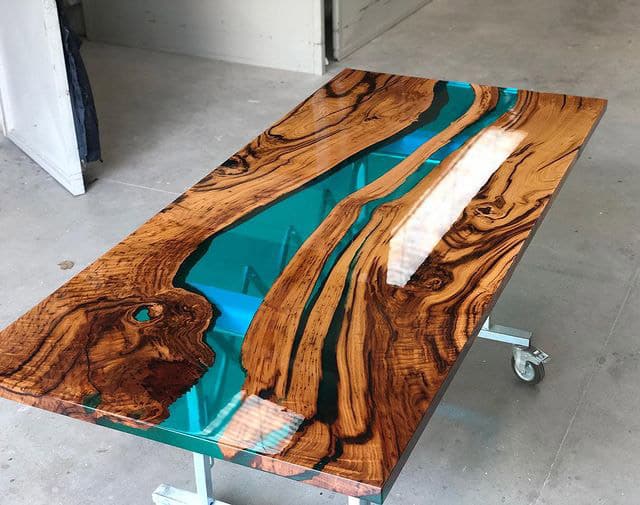
Step 1: Ensure the Resin is Fully Cured
Begin by confirming the resin is completely cured according to the product’s specifications. Engraving on resin that is even slightly soft can lead to smearing, uneven lines or chipping. Most professional resins, such as “Art Pro Deluxe” for detailed work or “Epoxytable 10-Ten” for deep pours, need a full curing cycle before they reach maximum hardness. This might range from 24 hours for art resins up to 7 days for deep castings—always refer to manufacturer guidance.
Check the surface by gently pressing with a fingernail or a blunt tool; there should be no indentation or tackiness. Only proceed once the resin is rock-hard and stable to avoid damage and poor results.
Step 2: Prepare and Mark Your Design
Thoroughly clean and dry the resin surface to remove any dust or residue. Lightly sand any glossy finish in the area you’ll engrave—this improves tool control and makes your lines clearer once finished. Use a pencil or erasable marker to lightly sketch your design or text. These marks will guide your engraving tool and can be wiped away once complete.
For beginners, start with simple lines or shapes before advancing to intricate patterns. If you’re working on a high-gloss surface provided by products like “Art Pro” – Clear Epoxy Resin for Artists and Surface Coating, extra care during sketching prevents accidental scratches.
Step 3: Engrave the Resin
With your safety gear on, select a rotary engraver, micro drill, or hand engraving pen fitted with a fine diamond or carbide tip suitable for hard plastics. Hold the tool like a pen, keeping a steady grip. Begin tracing your marked design with slow, even pressure; let the tool do the work—forcing it may chip the resin.
For greater control, start along straight lines or less visible areas, building confidence before moving to prominent features. If you are working with thick castings (such as those created from “Epoxytable 10-Ten” – Deep Pour Epoxy Resin for Tables), ensure the engraving tip is sharp and the speed is appropriate to prevent melting or rough edges. Take breaks to brush away dust and cool the tool as needed.
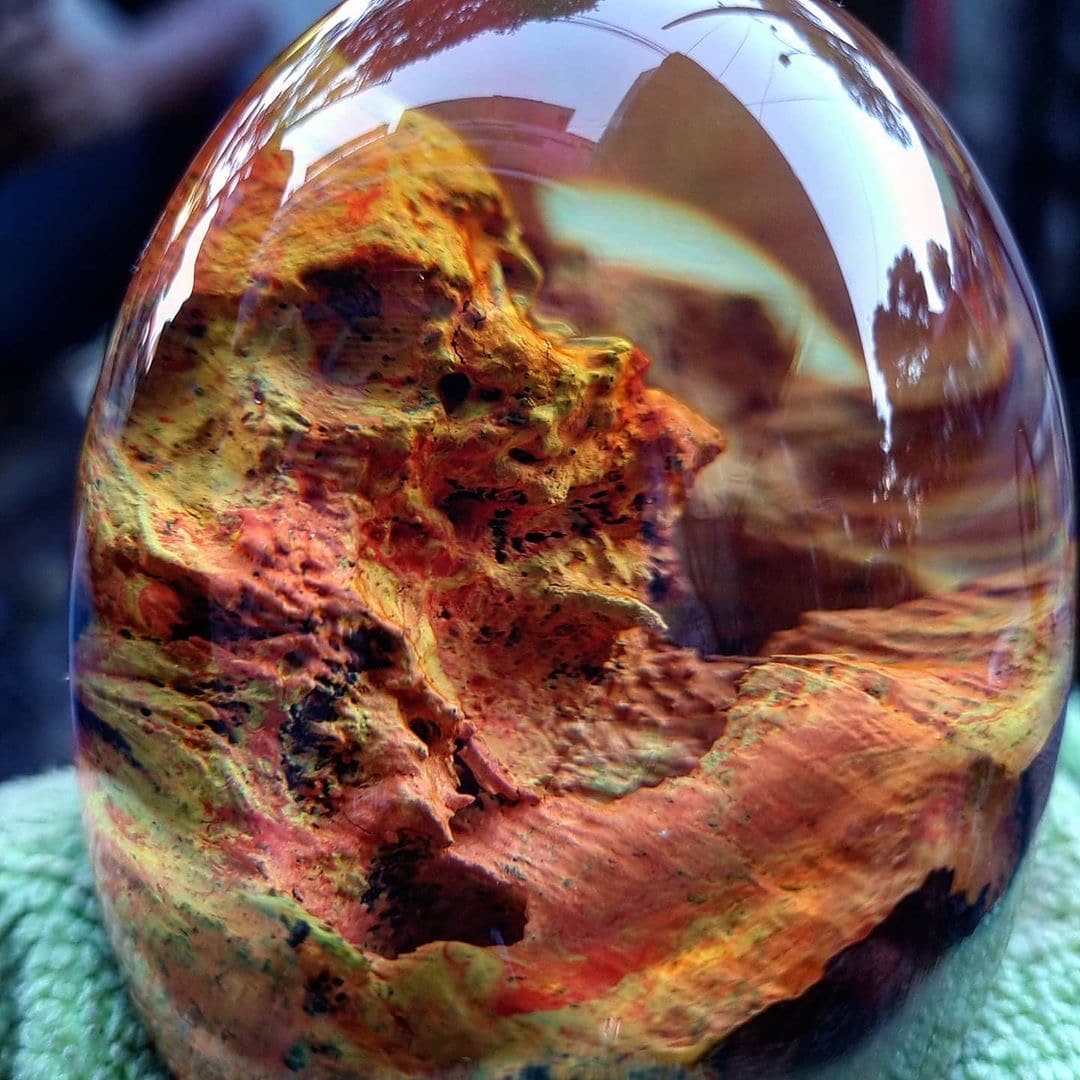
Step 4: Clean Up and Highlight the Engraving
After engraving, gently sand any raised edges or burrs using a fine sanding sponge, then wipe off all dust with a clean, damp cloth. If you wish, fill the engraved grooves with acrylic paint or pigment to highlight the design, then wipe away the excess before it dries. Allow the fill to fully cure before handling the piece.
For a glassy finish, you may apply a thin layer of a clear resin coating, like “Art Pro Deluxe” or “Art Pro”, over the engraved surface after thoroughly cleaning and letting any paint dry. This step can seal pigment and enhance clarity.
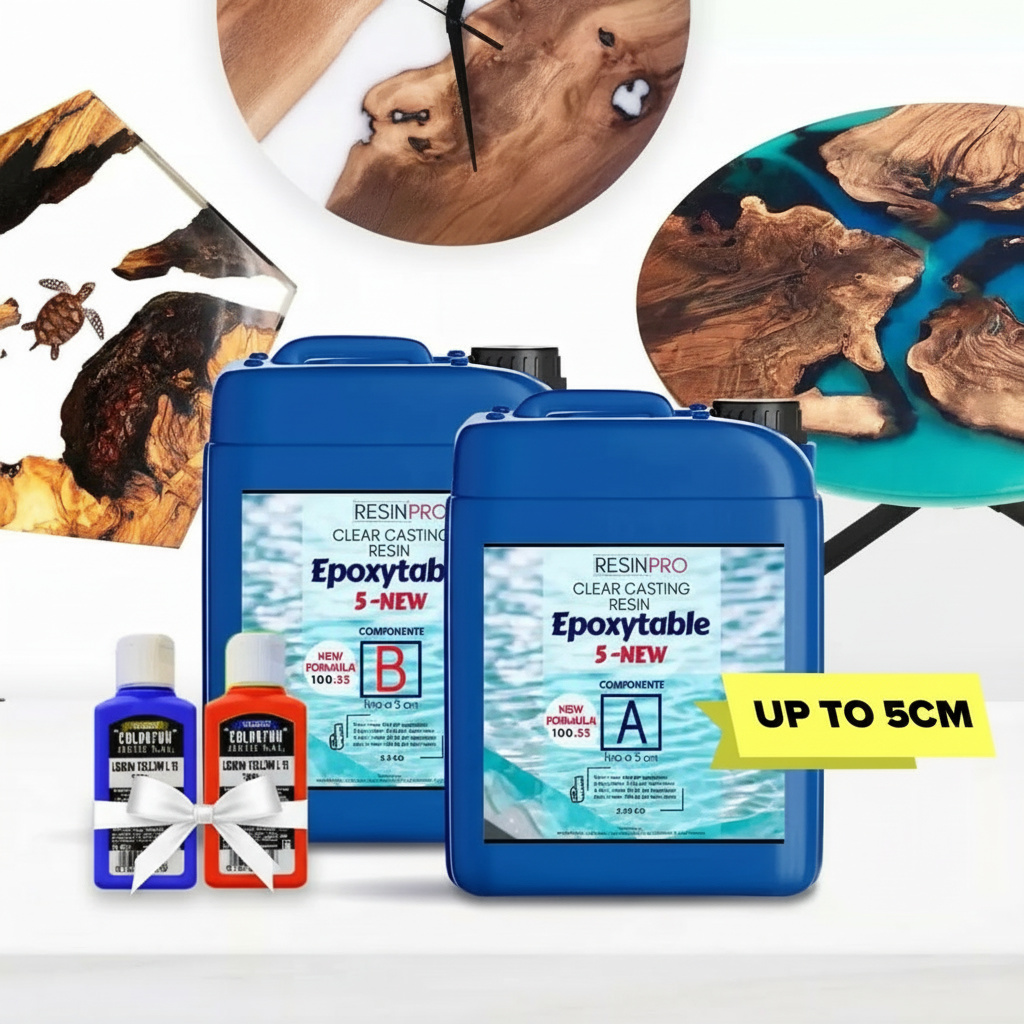
Tips, Common Mistakes, and Troubleshooting
- Always wear protective gear when engraving hard resin. Microscopic dust is hazardous—respirator masks and goggles are essential.
- Allow the resin to cure fully before attempting any engraving. Engraving too early risks damaging the surface and tool.
- Use the correct engraving tools for hard resin surfaces. Dull or inappropriate bits can cause chipping and uneven results.
- If the tool skips or melts the resin, reduce speed or pressure and check for correct bit type.
- Practise designs on a spare resin piece first to avoid mistakes. This helps refine technique before engraving your finished work.
- To repair small slips, fill with matching resin, cure, and then re-engrave after sanding smooth.
Troubleshooting Engraved Resin Projects
If your design comes out rough or cloudy, gently sand and polish the surface before recoating. Slips can be filled with more resin and re-engraved when cured. If highlighting with pigment, ensure grooves are free of dust and residue for crisp lines.

- “Epoxytable 10-Ten” – Deep Pour Epoxy Resin for Tables, Up to 10cm CastingPrice range: £33.85 through £334.85Epoxytable 10-Ten is suitable for deep casting up to 10cm, designed for tables and artistic projects with strong UV resistance.
- "EpoxyTable 5-Five" – Deep Pour Epoxy Resin for Tables and Large Projects – Up to 5cmPrice range: £16.85 through £1,099.85"EpoxyTable 5-Five" is an epoxy resin designed for deep pours up to 5cm, suitable for tables and large projects in crafting and furniture.
 "Art Pro Deluxe" – Ultra-High Viscosity Epoxy Resin for ArtistsPrice range: £33.85 through £287.85Art Pro Deluxe is a high viscosity epoxy resin designed for precise control in resin art, suitable for sharp line definition and scratch-resistant…
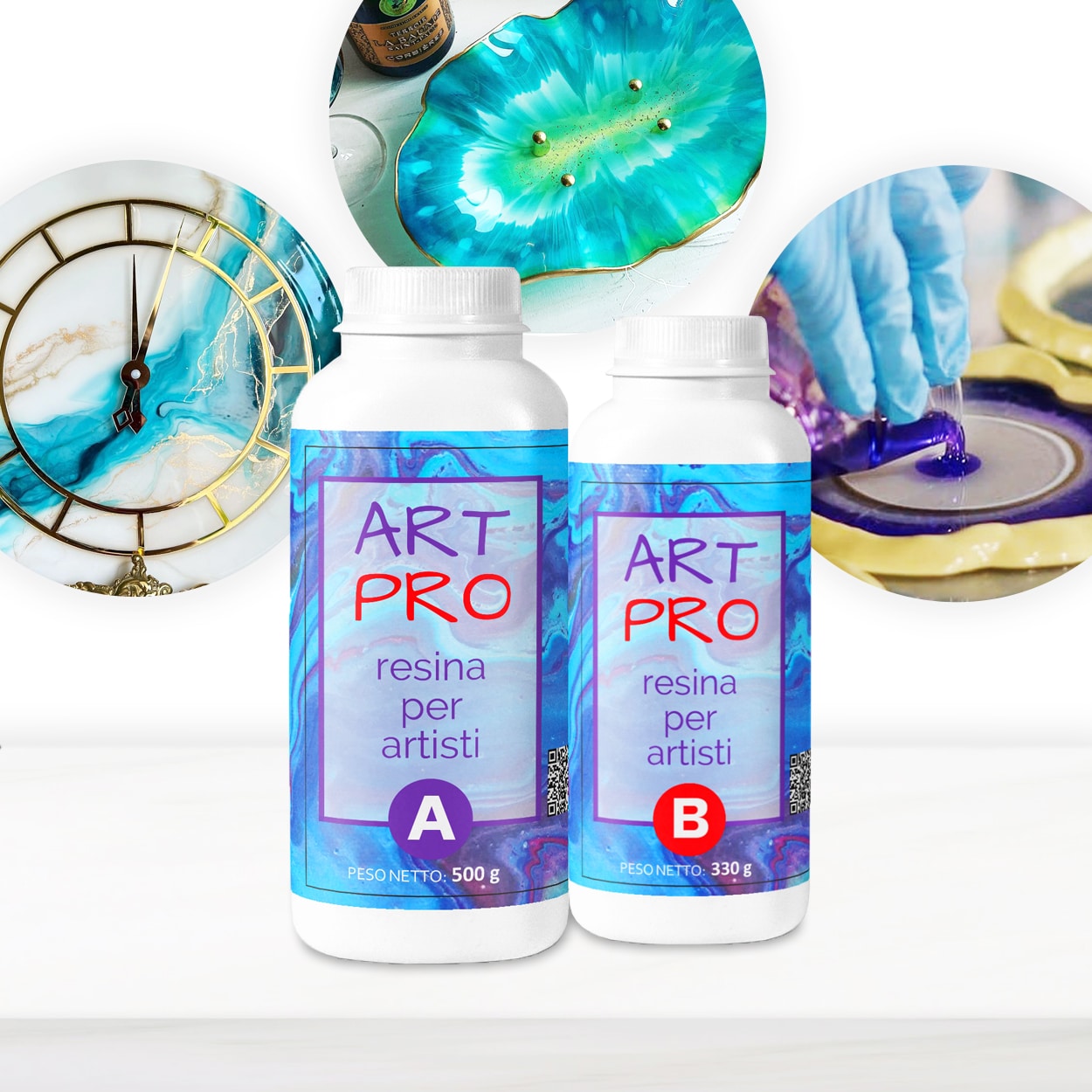 "Art Pro" – Clear Epoxy Resin for Artists and Surface CoatingPrice range: £31.15 through £388.85"Art Pro" clear epoxy resin is suitable for artists and crafters seeking glass-like, durable surface coatings with UV protection.
Frequently Asked Questions
How long should resin cure before engraving?
Resin must be fully cured—this can range from 24 hours for art resin projects to up to 7 days for deep castings. Always check the specific product instructions.
What tools are suitable for engraving hard resin?
Rotary engravers, micro drills, and diamond-tipped pens are best. Tools must be suitable for plastics or hard surfaces for clean results.
Can you engrave an epoxy resin table top?
Yes, once fully cured, epoxy table tops can be engraved using the right tools and protective measures.
How do you highlight engravings on resin?
Fill engraved lines with pigment or paint, wipe away the excess, then allow to dry completely before handling.
Is engraved resin dishwasher safe?
Engraved resin is typically water-resistant but not recommended for dishwashers, as heat and harsh detergents may dull the finish.
Can mistakes be fixed in resin engraving?
Small mistakes can be filled with more resin and sanded after curing, before re-engraving. For severe errors, refinishing may be needed.