 Free shipping on orders over £29,85
  Shipping Tracking!


 Google
 Facebook
← Back to How do you remove E30 resin?
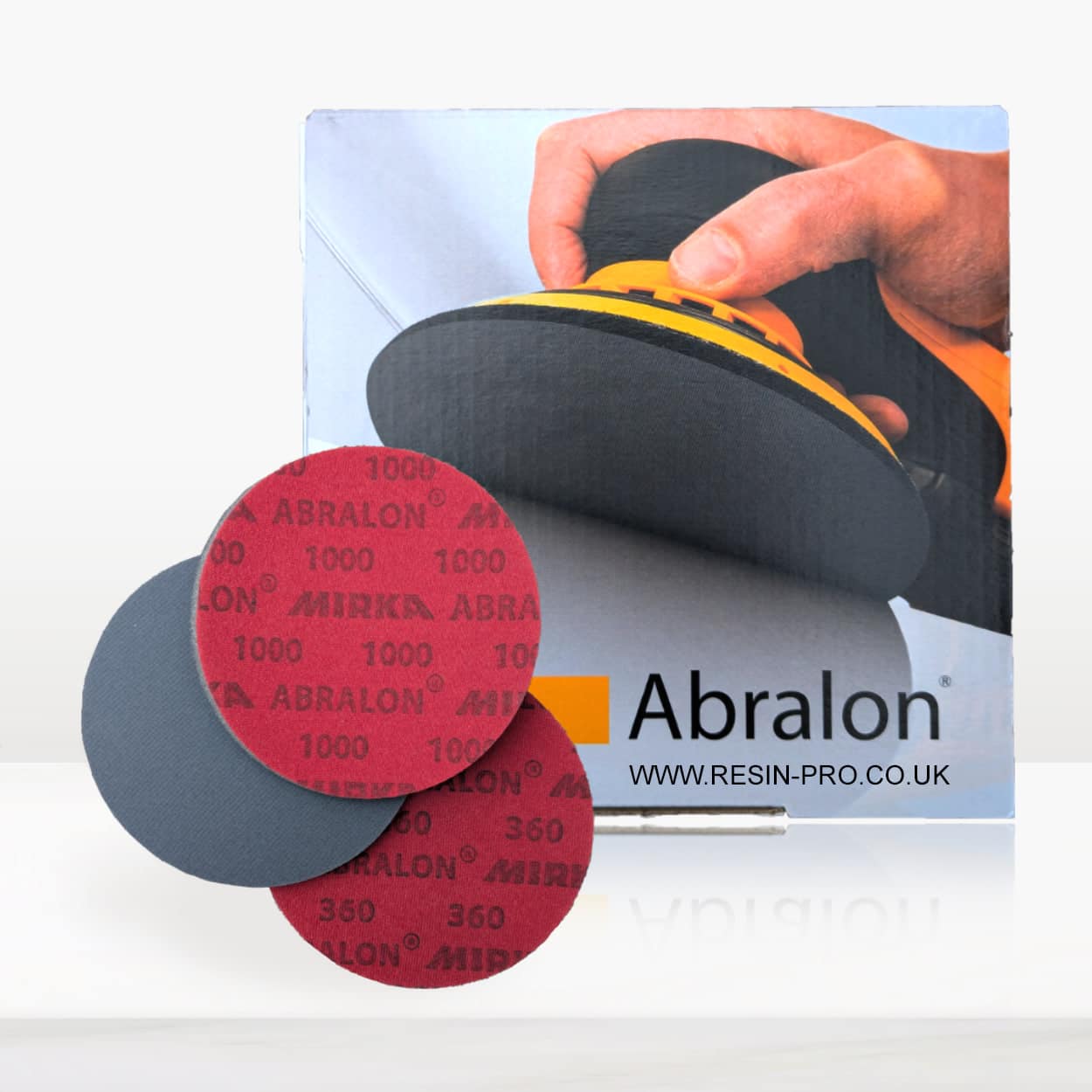

Once you’ve successfully removed E30 resin, proper polishing is key to restoring the surface’s clarity and shine. With the right method and materials, you can achieve a glossy, professional finish.
Step-by-Step: Sanding for a Smooth Finish
Begin by selecting sanding pads in progressive grit order—starting with a medium grade such as 360 or 600, and moving up through finer grits like 1000, 2000, and finally 4000 grit. This sequence smooths imperfections and preps the area for polishing. Ebonite Abralon sanding pads are well-suited for these tasks, thanks to their foam backing and broad grit range. Always sand gently in consistent, overlapping motions, and consider using water with finer pads to help reduce residue and heat.

Polishing and Final Touches
After completing the sanding process, wipe the area clean—using a lint-free cloth and, if needed, a small amount of isopropyl alcohol to remove dust. For a deep gloss, apply a polishing compound using a soft pad or microfibre cloth. Work the compound into the surface in circular motions until you reach the desired sheen. If you lack a polishing machine, hand buffing with patience can still give great results for smaller areas.
When is Careful Polishing Most Important?
Meticulous polishing is especially crucial on surfaces where appearance and clarity matter—such as countertops, tabletops, or decorative resin art. Taking time with sanding and finishing helps reduce haze and achieves a uniform, brilliant shine.
Related products
Related guides
Polishing after E30 resin removal refreshes your project’s look and feel. For more detailed advice and product options, visit our main guide on removing E30 resin.