 Free shipping on orders over £29,85
  Shipping Tracking!


 Google
 Facebook
← Back to How to make resin knife handles
Imperfections on resin knife handles can happen to even the most careful makers, but with the right approach, most surface issues can be easily corrected for a polished, professional result.
Sanding and Polishing Out Small Flaws
Minor defects, such as light scratches, uneven patches, or cloudy spots, can generally be resolved through sanding and polishing. Begin with a higher grit sandpaper (for example, 600 or 800), then progress through finer grits for a smoother finish. Using a Manual Polishing Pad Holder can help you precisely control the sanding process, even in the curved or tight sections of a knife handle. Once smooth, polish the handle using a microfibre cloth or suitable polishing sponge for a glossy effect.
Refilling Larger Voids and Bubbles
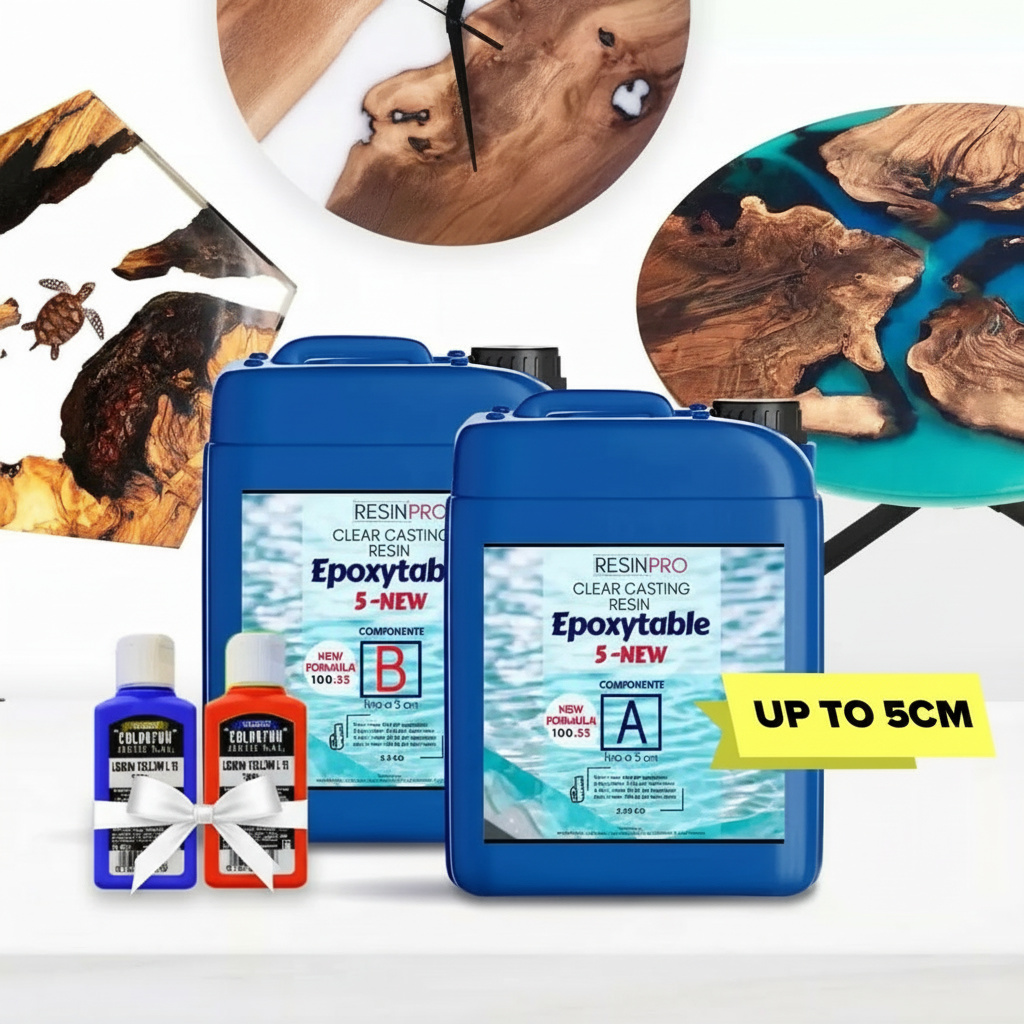
For more noticeable flaws like deep bubbles, significant dents, or small voids, a secondary fill using clear epoxy resin works well. Clean and degrease the surface first, mix a small amount of high-quality epoxy such as EpoxyTable 5-Five, then carefully fill the imperfection. Let it fully cure before sanding flush and polishing for a seamless finish.
When Surface Repairs Matter Most
Perfecting the surface of resin knife handles isn’t just about visual appeal—smooth, defect-free finishes make the handle more comfortable in hand and less prone to trapping dirt over time. Polishing out flaws also improves durability and gives your project a high-end, crafted look.
Related products
Related guides
Addressing imperfections effectively ensures that your resin knife handles turn out exactly as you envisioned. For more on crafting and troubleshooting resin handles, visit our main How to Make Resin Knife Handles page.