 Free shipping on orders over £29,85
  Shipping Tracking!


 Google
 Facebook
← Back to How to glue silicone rubber
Securing a robust, long-lasting bond with silicone rubber can be tricky due to its smooth, flexible surface. A careful approach ensures successful, reliable adhesion.
Preparing the Surface
Start by cleaning both the silicone surface and the material you intend to bond it to. Remove all traces of dust, oil, or residue. Methylated spirits or isopropyl alcohol are effective for degreasing, but always ensure surfaces are dry before gluing. A spotless surface prevents weak spots and maximises contact for the adhesive.
Choosing and Applying Adhesive
Use an adhesive known to be compatible with silicone rubber, as standard glues rarely provide a sufficient hold. Specialist silicone adhesives or certain two-component systems work best. Apply adhesive evenly over the bonding area. Firm and steady pressure should be maintained throughout the curing period, typically by using clamps or weighted objects. Avoid disturbing the joint while it sets to allow the adhesive to achieve maximum strength.
When This Matters Most
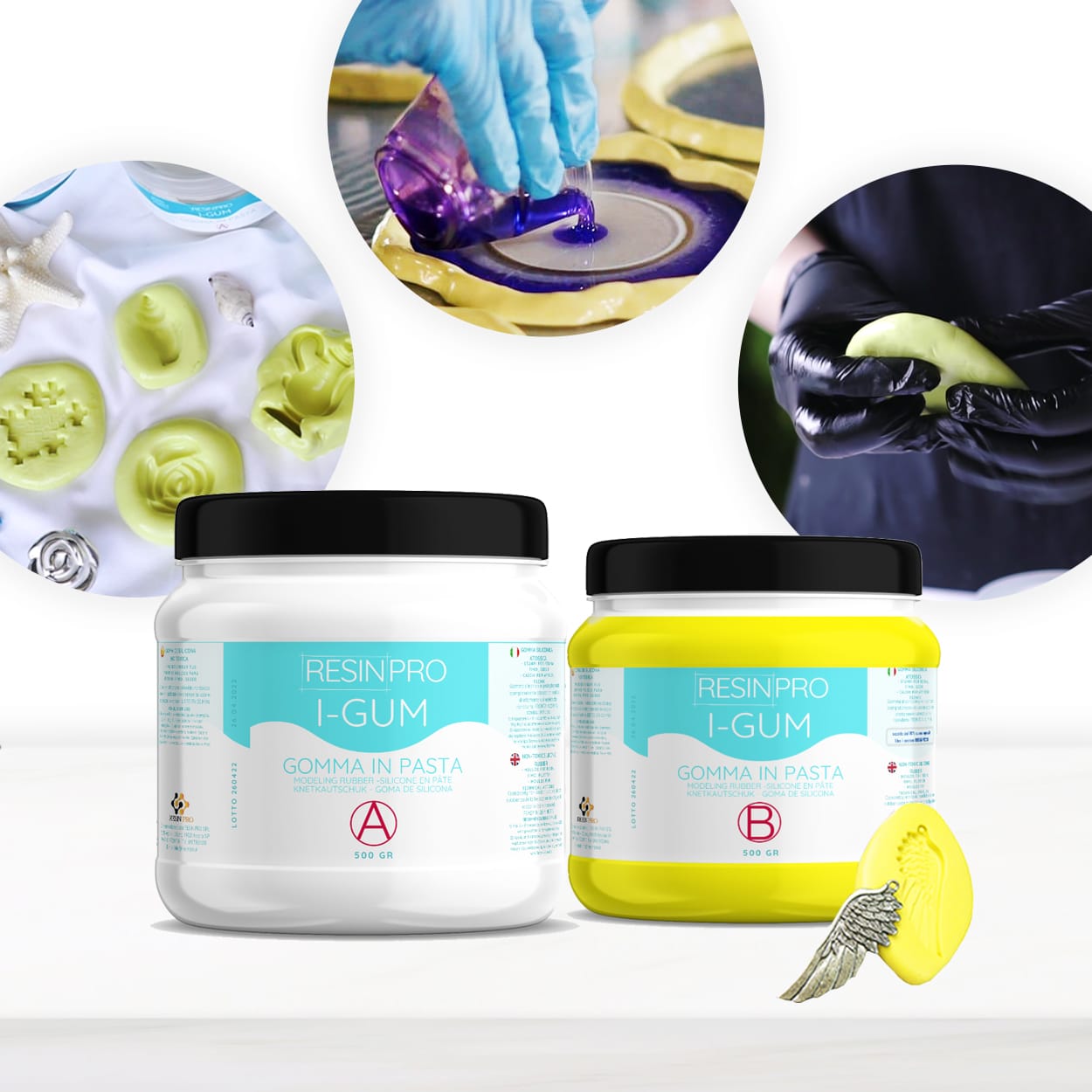
Taking the time to clean and firmly clamp is essential for projects like mould making or repairs, where silicone needs to stay securely joined under stress. For creating robust, custom moulds with products like I–Gum Silicone Putty, proper bonding techniques contribute directly to quality and reuse.
Related products
Related guides
Mastering these bonding practices lays the foundation for successful silicone rubber projects, from simple fixes to advanced mould making. For more guidance, see our main guide on how to glue silicone rubber.