 Free shipping on orders over £29,85
  Shipping Tracking!


 Google
 Facebook
How to Keep Tree Sap from Sticking to Your Car?
Practical methods to protect your car from tree sap buildup.


Tree sap can be one of the peskiest contaminants for your car – stubborn to remove and potentially damaging to paintwork over time. This guide explains how to prevent tree sap from sticking to your car, with actionable advice for car owners who want to preserve their vehicle’s finish. Whether you park beneath trees daily or only occasionally, following these techniques will help you keep your car cleaner, prolong its shine, and simplify maintenance all year round.
What You’ll Need
- Pure Isopropyl Alcohol 99.9% – 1000ml Bottle for Epoxy Resin Projects & DIY
- Strong Technical Degreaser for Resin Projects – 100% Natural Formula
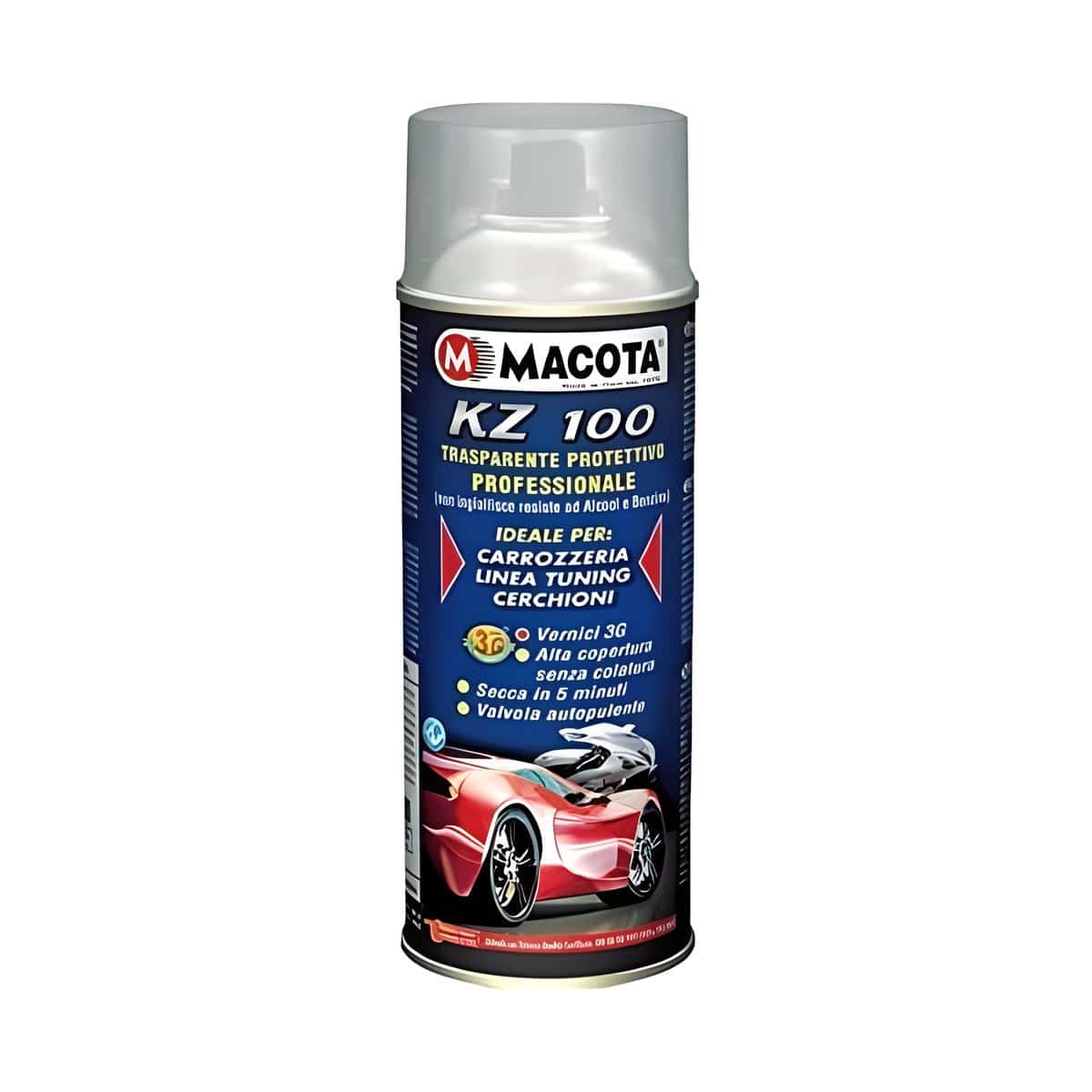
- 2K Clear Coat Lacquer Aerosol Spray – 400ml High Gloss Finish or “Macote KZ 100” – Gloss Spray Lacquer 400ml
- Soft microfibre cloths
- Mild car shampoo and bucket
- Protective gloves

See Protective Coatings and Cleaners in Action
Watch cleaning and coating demonstrations to see how a spray lacquer or degreaser creates a shield against stubborn contaminants like tree sap. Professional application helps prevent lasting marks and keeps your car looking its best.
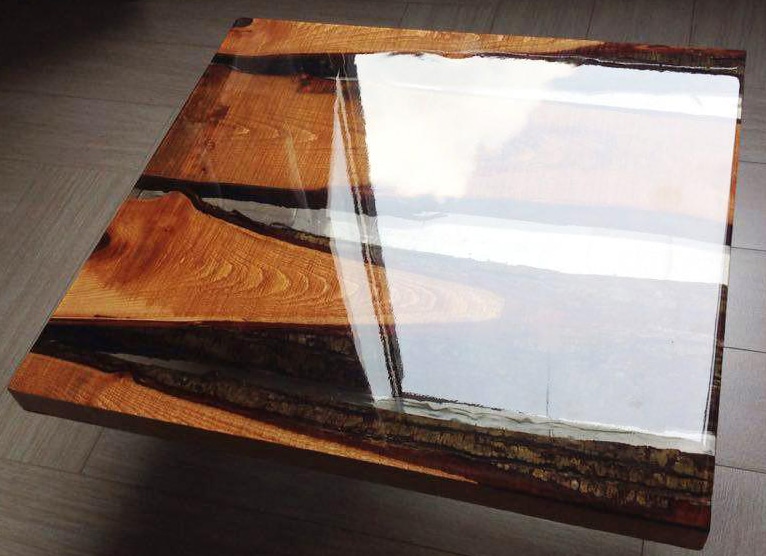
Step 1: Choose Shaded or Open Parking Spaces
Where you park plays a major role in sap exposure. Opt for spaces away from trees known for producing sticky resin, such as pines and maples. Open or covered parking, even if slightly further away, can make a significant difference to the amount of sap potentially falling on your car. If unavoidable, periodically check the surrounding tree types to assess risk, especially during warmer months when sap production is higher.
Proactively selecting your spot helps you avoid ongoing problems. Look out for overhanging branches directly above your usual space, and if possible, adapt your routine to rotate between different spots to minimise continuous exposure.
Step 2: Regularly Wash and Inspect Your Car
Consistent cleaning is your most effective line of defence against sap build-up. Use a gentle car shampoo with lukewarm water and a soft microfibre cloth, washing at least once a week during peak sap seasons. Regular washing dilutes sticky residues before they become stubborn and prevents etching or staining of the paint.
During washing, take a few moments to carefully inspect your vehicle’s roof, bonnet, and boot for small sticky spots. Early sap removal is far easier than tackling fully-dried patches later. Always rinse well to avoid soapy residues.
Step 3: Apply a Protective Spray Coating
A layer of protective spray lacquer on your car’s paint serves as a barrier, making it much harder for tree sap to grip onto the surface. After washing and drying your car thoroughly, use a specialised product such as the 2K Clear Coat Lacquer Aerosol Spray – 400ml High Gloss Finish or “Macote KZ 100” – Gloss Spray Lacquer 400ml. These products provide a durable, high-gloss finish and can help to minimise the risk of residues sticking.
Apply the lacquer in thin, even coats as directed, ideally in a well-ventilated area and out of direct sunlight. Allow it to fully cure before exposing the car to outdoor elements for best results. This coating can last for several months and makes sap removal much easier should any residue land on your car.
Step 4: Remove Tree Sap Promptly and Safely
If you spot fresh sap, tackle it immediately. Start by gently blotting the area with a soft cloth to remove excess. For more stubborn spots, apply a little Pure Isopropyl Alcohol 99.9% – 1000ml Bottle for Epoxy Resin Projects & DIY or Strong Technical Degreaser for Resin Projects – 100% Natural Formula onto a cloth and dab the spot. Test on an inconspicuous area if unsure. Avoid abrasive actions that could scratch the paint. Rinse the area after treatment and reapply your protective coating if necessary.
Quick action stops sticky sap from hardening, reducing the risk of permanent marks. Always use appropriate gloves and work in a shaded, cool place to prevent solvent evaporation or unwanted chemical reactions.
Tips to Keep Sap Away and Avoid Common Mistakes
Choose shaded or open parking spaces to limit where sap can land on your vehicle. Regularly wash and inspect your car so sap never gets the chance to harden. Apply a protective spray coating for ongoing resistance, and remove tree sap promptly and safely to avoid stubborn stains. Never use sharp objects or rough sponges, as these can damage your paintwork. If using chemical cleaners, avoid working in hot weather to prevent marks or streaks.
If sap becomes frequent, check for trees near your usual parking spots and consult with property management or local councils regarding alternatives. Consistency is key: a simple routine will help maintain your car’s appearance and minimise frustration down the road.
Before and After: Sap Prevention Results
Check transformations showing the difference a protective finish can make. Clean, glossy car surfaces stay sap-free longer, are easier to maintain, and retain their value with less effort.
- Pure Isopropyl Alcohol 99.9% – 1000ml Bottle for Epoxy Resin Projects & DIYPrice range: £9.85 through £19.85Pure Isopropyl Alcohol 99.9% helps remove bubbles and create effects in epoxy resin projects on this theme.
- Strong Technical Degreaser for Resin Projects – 100% Natural FormulaOriginal price was: £10.00.£8.85Current price is: £8.85.Strong Technical Degreaser is designed for cleaning surfaces in resin projects using a 100% natural formula.
- 2K Clear Coat Lacquer Aerosol Spray – 400ml High Gloss Finish£19.852K Clear Coat Lacquer is a quick-drying aerosol spray for a durable, high-gloss finish suitable for epoxy resin projects.
- "Macote KZ 100" – Gloss Spray Lacquer 400ml£9.85"Macote KZ 100" is a gloss spray lacquer for epoxy resin projects and wood, offering a scratch-resistant and UV-protected finish.
Frequently Asked Questions
What is the best way to remove fresh tree sap from car paint?
Blot with a soft cloth, then gently use isopropyl alcohol or a natural degreaser on the area. Rinse thoroughly after.
Can spray lacquers help prevent sap from sticking?
Yes, clear coat aerosol lacquers create a barrier that reduces sap adhesion, making any residue easier to remove.
Are home remedies effective against tree sap?
Simple soap and water can help for very fresh sap, but stubborn or dried spots usually need specialised cleaners.
Should I reapply spray coating after sap removal?
Yes, reapply a protective coating if solvents or cleaners have stripped any previous protection from the car’s paint.
How often should I wash my car to prevent sap buildup?
Weekly washing in high-risk sap seasons is recommended to remove residues before they become difficult to clean.
Is isopropyl alcohol safe for my car’s paintwork?
It is generally safe in moderation and when followed by rinsing. Always spot test first and avoid prolonged contact.