 Free shipping on orders over £29,85
  Shipping Tracking!


 Google
 Facebook
← Back to Where to buy resin pads?
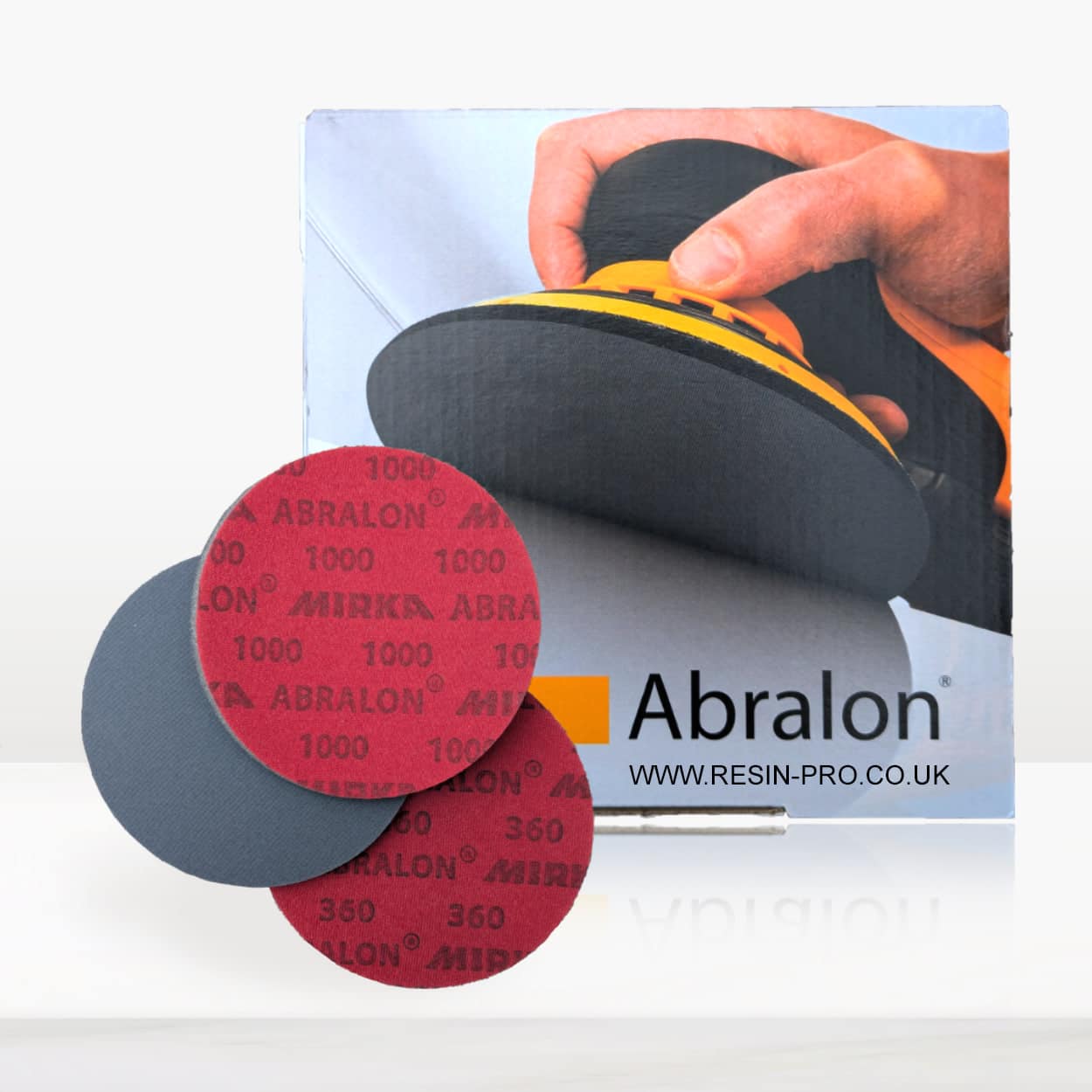
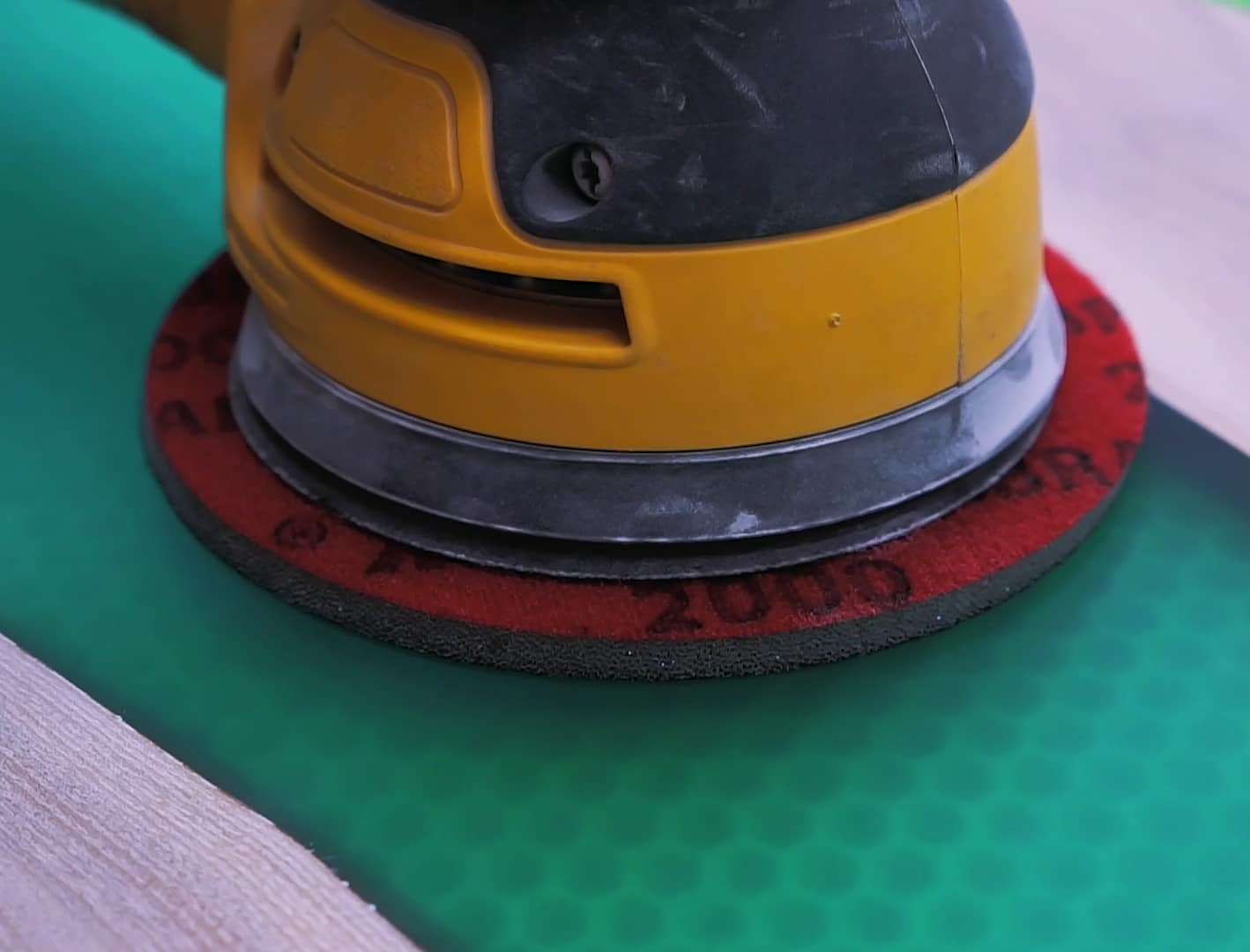
With proper care, resin sanding pads can deliver smooth, even finishes across many projects. Knowing how to clean and store them will ensure they stay effective and last much longer.
Cleaning Resin Sanding Pads After Use
After completing your sanding session, rinse your pads thoroughly using clean, lukewarm water to remove any residues, debris, or sanding dust. Gently rub the surface to help dislodge particles. For stubborn build-up, you may work the pad under running water and flex it slightly, but avoid using harsh chemicals which could damage the pad’s structure.
Once rinsed, shake off excess water and let your pads air-dry completely before their next use. Laying them flat on a clean, dry surface away from direct sunlight will help maintain their shape and surface quality.
Proper Storage for Longer Lifespan
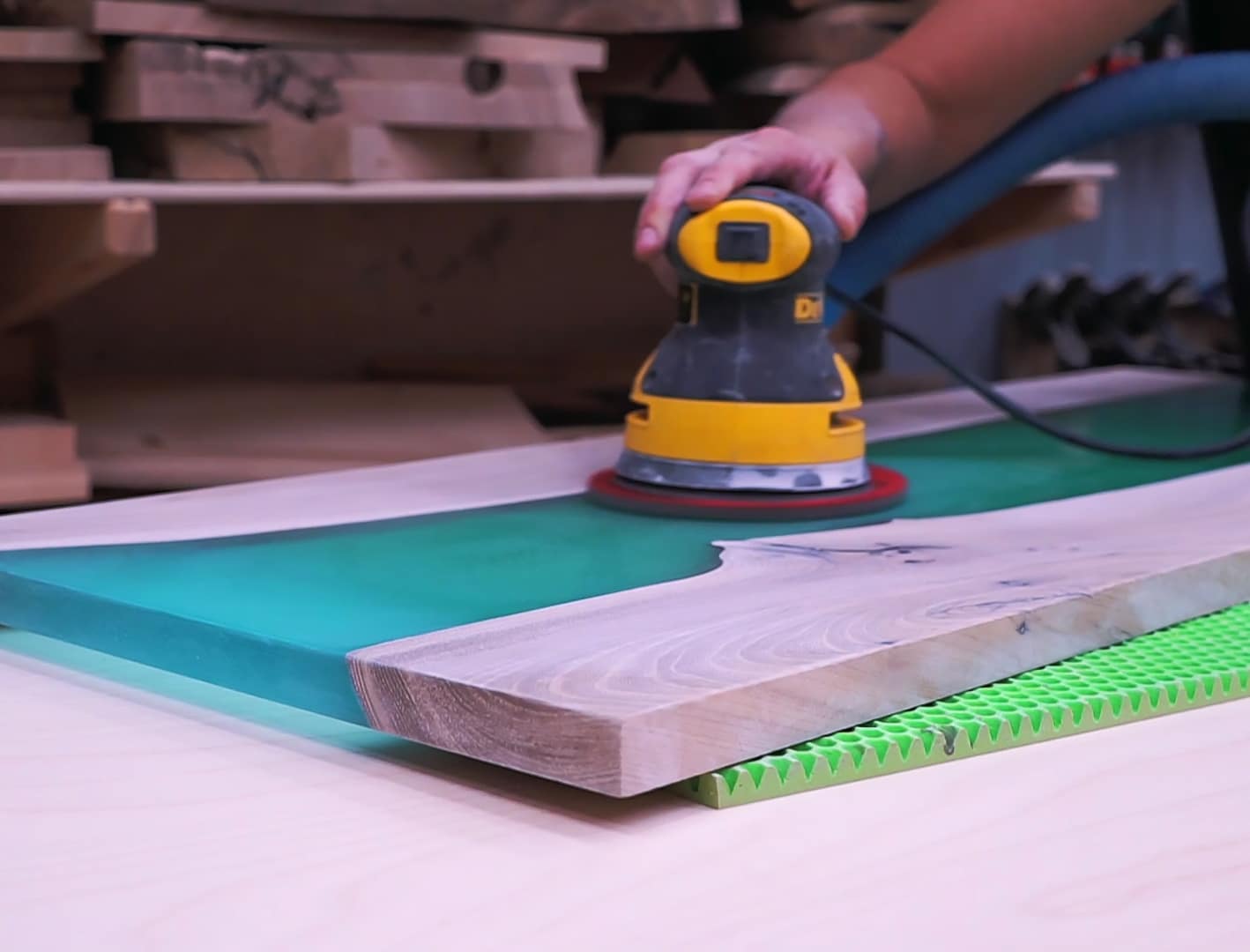
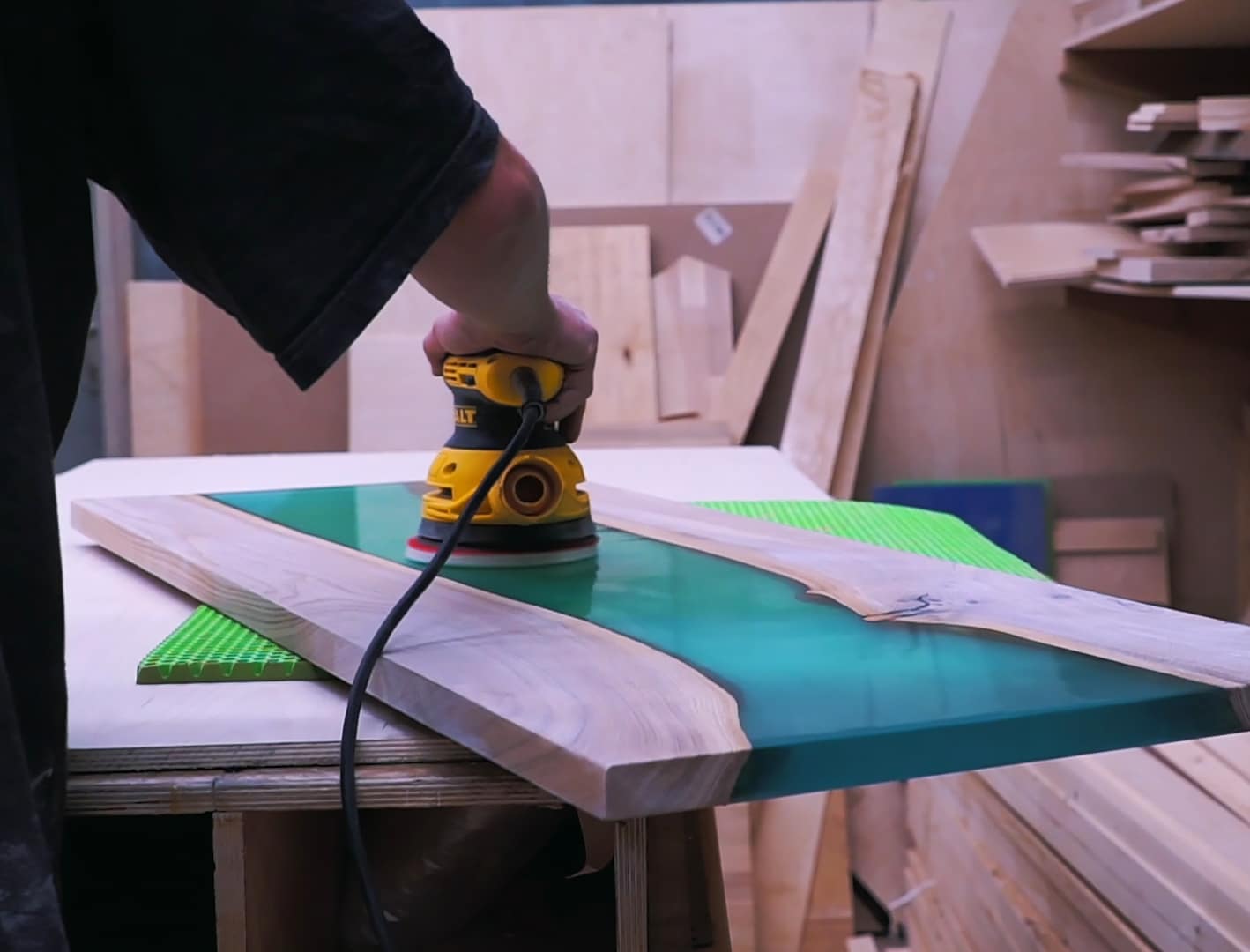
Storing your sanding pads correctly plays a big part in extending their usability. Always keep them flat and avoid bending or stacking in cramped toolboxes. Store them in a clean, dry environment away from heat sources and extreme temperature changes, as excess moisture or heat could cause warping or early degradation.
- Let pads dry fully before putting them away
- Store flat; avoid deep stacking
- Keep away from direct sunlight and heaters
When Maintenance Matters Most
Routine care is especially important if you use high-quality options like the “Ebonite Abralon” sanding pads, designed for repeated use on resin and wood. Regular cleaning ensures consistent surface pressure and helps you achieve flawless results in detailed resin projects.
Related products
Related guides
Looking after your resin sanding pads not only guarantees better finishes, but also maximises your investment. For more tips and purchasing advice, explore our main guide on where to buy resin pads.