 Free shipping on orders over £29,85
  Shipping Tracking!


 Google
 Facebook
How to make a resin roll bar?
Follow step-by-step to create a durable resin roll bar


Creating a resin roll bar is an ideal way to add strength and visual flair to custom automotive, marine, or craft projects. This step-by-step guide is perfect for makers seeking reliable composite reinforcement in a home or workshop setting. By following these instructions, you will achieve a smooth, structurally sound resin roll bar using composite techniques that balance form and function.
What You’ll Need
- “Carbon Resin” – Epoxy Resin for Carbon Fiber & Fiberglass Coating: Ideal for strong and precise fibre impregnation
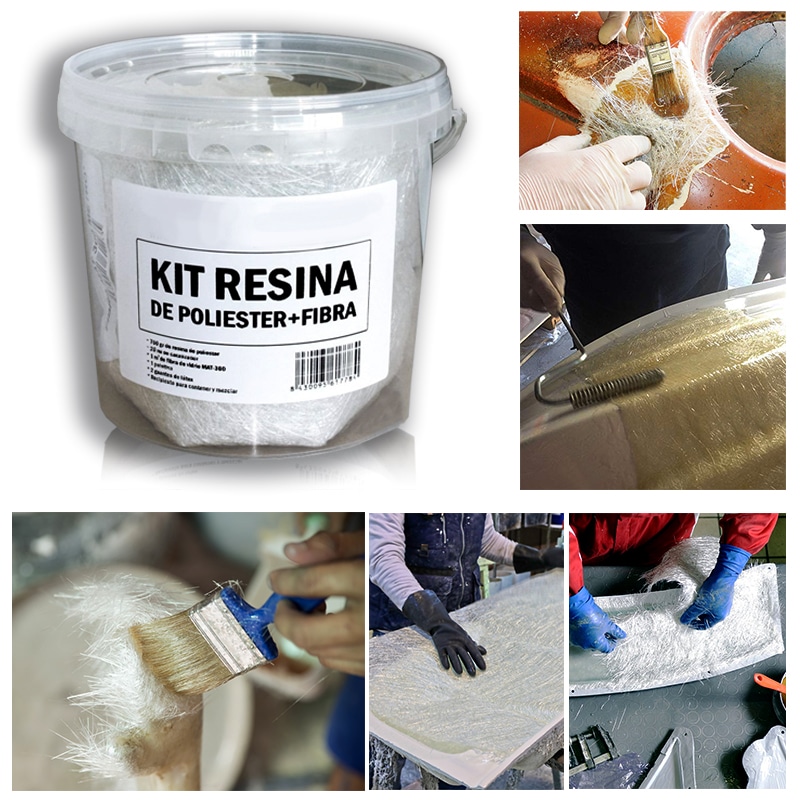
- Resin Fibreglass Repair Kit – Complete Polyester Resin and Hardener Set: Offers a quick start for structural repairs with integrated fibreglass mat
- “Epoxytable 10-Ten” – Deep Pour Epoxy Resin for Tables, Up to 10cm Casting: Suitable for deep resin casting applications
- “EpoxyTable 5-Five” – Deep Pour Epoxy Resin for Tables and Large Projects – Up to 5cm: Perfect for medium thickness castings and roll bar sections
- Protective gloves and safety goggles
- Carbon fibre or fibreglass fabric (as preferred)
- Mould or form for the roll bar shape
- Mixing containers, brushes, and roller tools
- Release agent or wax (if needed for demoulding)
- Sandpaper (various grits)

Composite Strength in Action
Notice how professional resin roll bars seamlessly integrate technical fabrics, providing both mechanical strength and clean, attractive lines. Whether for custom vehicles or unique projects, selecting the right resin and reinforcement gives unmatched durability alongside striking aesthetics.

Step 1: Design and Prepare the Mould
Begin by determining the exact shape and dimensions of your resin roll bar. A rigid mould or form is essential to support the fabric and resin during curing. Materials like plastic, wood, or metal tubing are common mould choices. Cover the mould with a suitable release agent to prevent the cured resin from sticking.
Double-check all dimensions and stability before you start, as any defects in the mould will be mirrored in your finished roll bar. Make sure your work area is clean, dry, and well-ventilated to ensure optimal safety and results.
Step 2: Cut and Position the Reinforcement Fabric
Lay out your carbon fibre or fibreglass matting, and cut it to size according to your roll bar design. Ensure each piece will wrap smoothly around the form, overlapping where extra thickness or strength is needed. For seamless integration, avoid sharp bends or excessive wrinkles.
Position the first fabric layer on the mould; temporarily secure it if necessary using tape or clips designed for composite work.
Step 3: Mix and Apply the Resin
Wearing gloves and safety goggles, mix your resin thoroughly according to the manufacturer’s instructions. For professional-grade fibre wet-out and structural quality, accurately measure and mix your resin. If you are using carbon fibre or technical reinforcement, “Carbon Resin” – Epoxy Resin for Carbon Fiber & Fiberglass Coating is ideal for room temperature application and excellent bubble resistance.
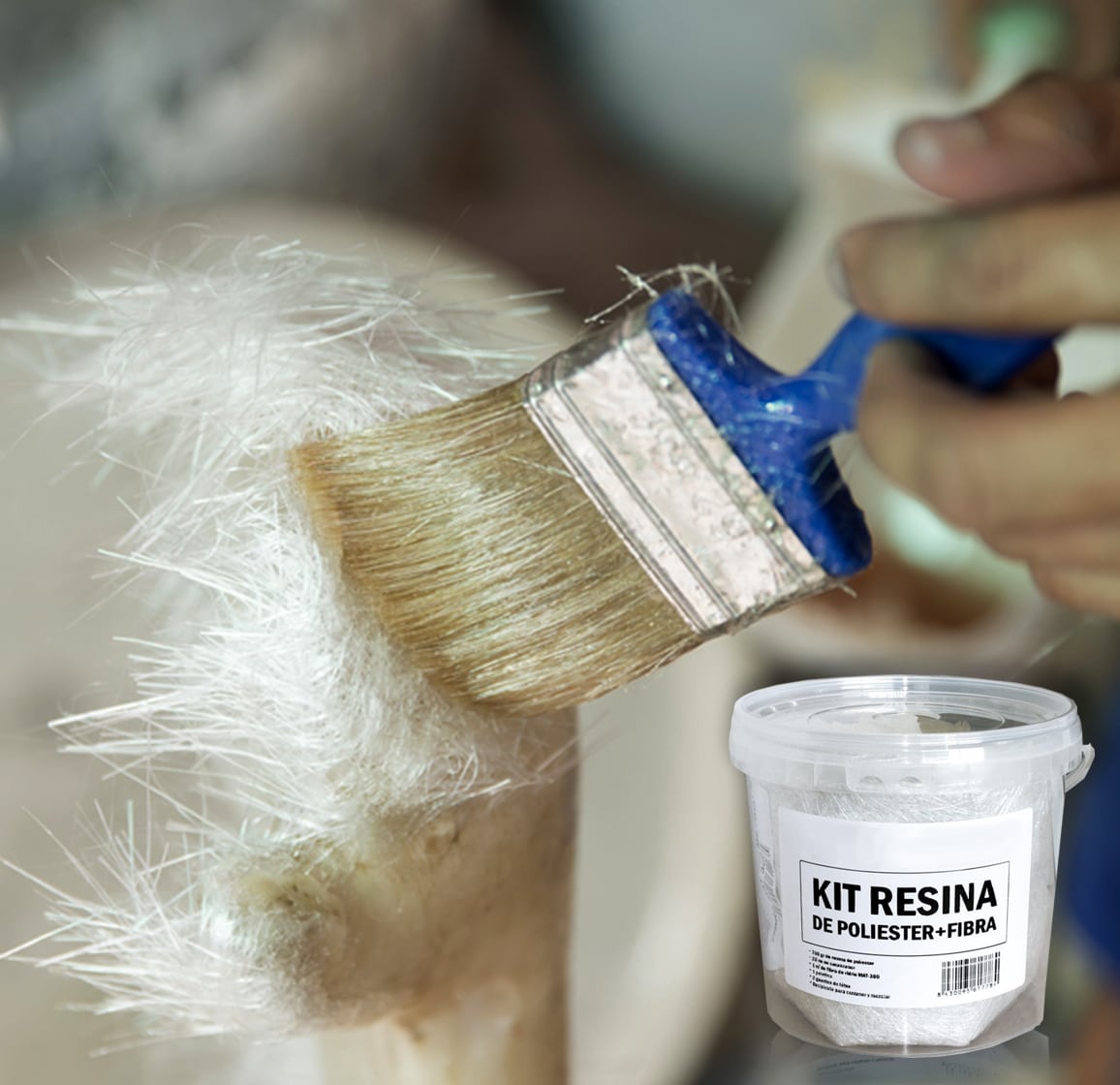
Use a brush or roller to impregnate the reinforcement fabric with resin, ensuring saturation through all fibre layers. For small repairs or starters, a Resin Fibreglass Repair Kit – Complete Polyester Resin and Hardener Set provides convenient pre-measured portions and easy instructions. Work methodically to eliminate bubbles, and let the resin soak fully into the fabric.
Step 4: Build Up Layers and Cast as Needed
Depending on your strength requirements, continue adding alternate layers of fabric and resin. Work in thin layers to avoid overheating, especially with deeper sections. For extra thickness, a casting resin such as “Epoxytable 10-Ten” – Deep Pour Epoxy Resin for Tables, Up to 10cm Casting or “EpoxyTable 5-Five” – Deep Pour Epoxy Resin for Tables and Large Projects – Up to 5cm can be used where high build thickness or clarity is required.
For best results, avoid air pockets between layers by gently rolling or brushing each layer before moving to the next.
Step 5: Cure, Demould, and Finish
Once the final layer is applied and you are confident all fibres are well-impregnated, allow the roll bar to cure as per the resin’s guidelines. Allow each layer to fully cure before demoulding. Curing times vary, but patience is key for strength and professional results.
Demould carefully and inspect for any imperfections or sharp edges. Finish your roll bar by sanding smooth, stepping through finer grits, and polishing if a glossy surface is desired. At this stage, further paint or protective clear coat can be added as required by your project.
Tips, Common Mistakes, and Troubleshooting
Wear appropriate protective equipment at every stage to safeguard your health. Always mix resin in the specified ratios and avoid shortcuts—incorrect mixing can lead to weak or sticky areas. Do not rush layering—give each segment enough time to cure. If air bubbles appear, use gentle heat with a craft torch to help them rise and pop. For a perfect demould, always use a reliable release agent and check compatibility with your resin system.
Finishing and Detailing Your Roll Bar
After curing, careful sanding and a final polish create a high-gloss, professional effect. Adding a final protective coating or painting to match your project elevates the visual impact, while maintaining the underlying composite strength.

- "Carbon Resin" – Epoxy Resin for Carbon Fiber & Fiberglass CoatingPrice range: £19.95 through £37.95Epoxy resin designed for precise impregnation and structural integrity in carbon fibre and fibreglass applications.
- Resin Fibreglass Repair Kit – Complete Polyester Resin and Hardener SetThe Resin Fibreglass Repair Kit provides strong structural reinforcement with waterproof polyester resin, suitable for a range of rigid surfaces.
 “Epoxytable 10-Ten” – Deep Pour Epoxy Resin for Tables, Up to 10cm CastingPrice range: £35.95 through £351.95“Epoxytable 10-Ten” is an epoxy resin suitable for super-deep casting applications like tables, aligned with the theme How to make a resin roll bar?
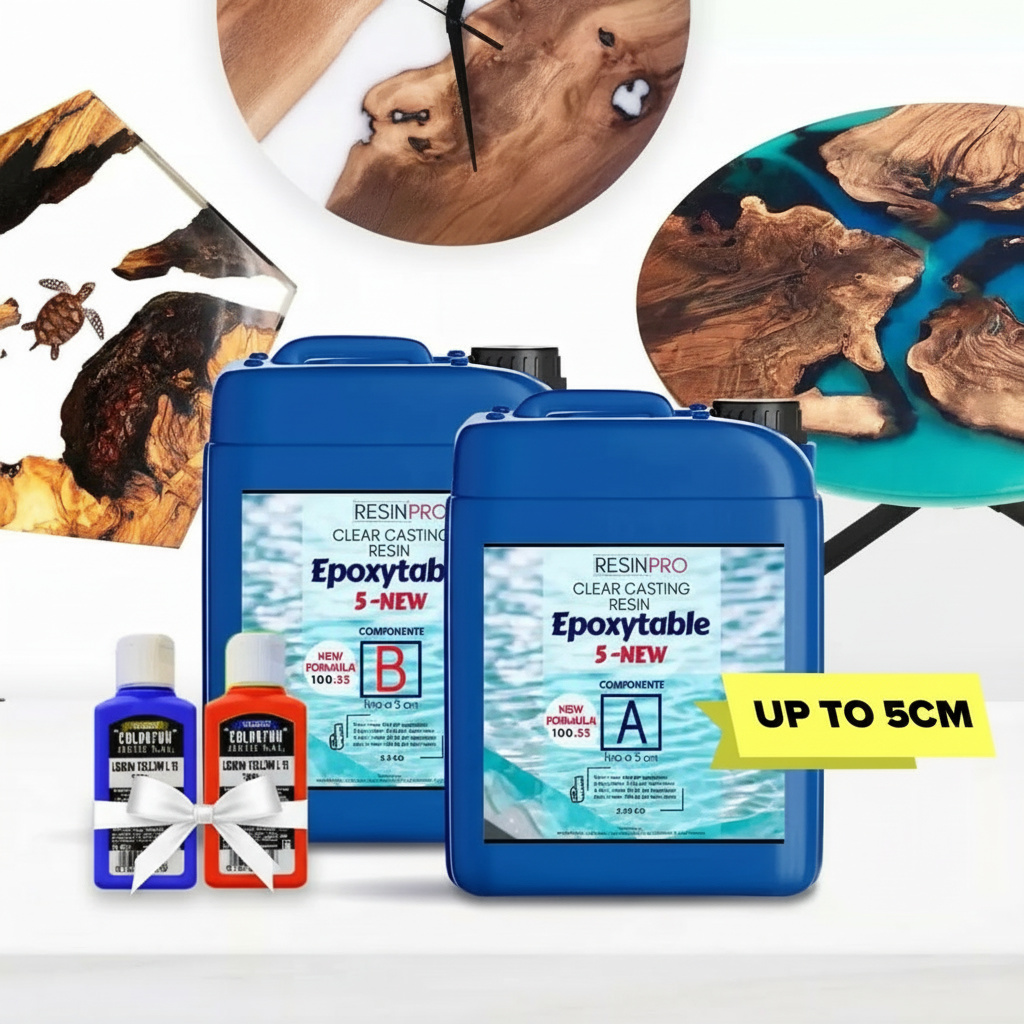 "EpoxyTable 5-Five" – Deep Pour Epoxy Resin for Tables and Large Projects – Up to 5cmPrice range: £17.95 through £1,154.95"EpoxyTable 5-Five" is a deep pour resin designed for tables and larger projects, offering clarity and UV resistance suitable for detailed creative…
Frequently Asked Questions
What is the best resin for roll bar lamination?
An epoxy resin designed for carbon fibre or fibreglass, such as a dedicated composite resin, provides strong and lasting structural results.
Is mould release required for resin roll bars?
Yes. Always coat the mould with a release agent to ensure easy demoulding and prevent surface damage to your cured roll bar.
How many fabric layers should I use?
This depends on strength needs—typically three or more for structural integrity. More layers offer greater strength and thickness.
Can I use polyester resin for a roll bar?
Polyester resin works, particularly for rapid repairs. For ultimate durability and bond strength, epoxy resin is usually preferred.
Why did my roll bar not cure properly?
Incorrect resin-to-hardener ratios or poor mixing are common causes. Check measurements and follow mixing instructions closely.
Can I sand and recoat my resin roll bar?
Yes. Once fully cured, sand with appropriate grit and clean thoroughly before applying additional coats for a flawless finish.
What protective equipment is needed?
Always wear gloves, safety goggles, and work in a ventilated area. For large projects, consider a dust mask while sanding.