 Free shipping on orders over £29,85
  Shipping Tracking!


 Google
 Facebook
how to make boat resin
Essential steps for creating strong, waterproof marine composites

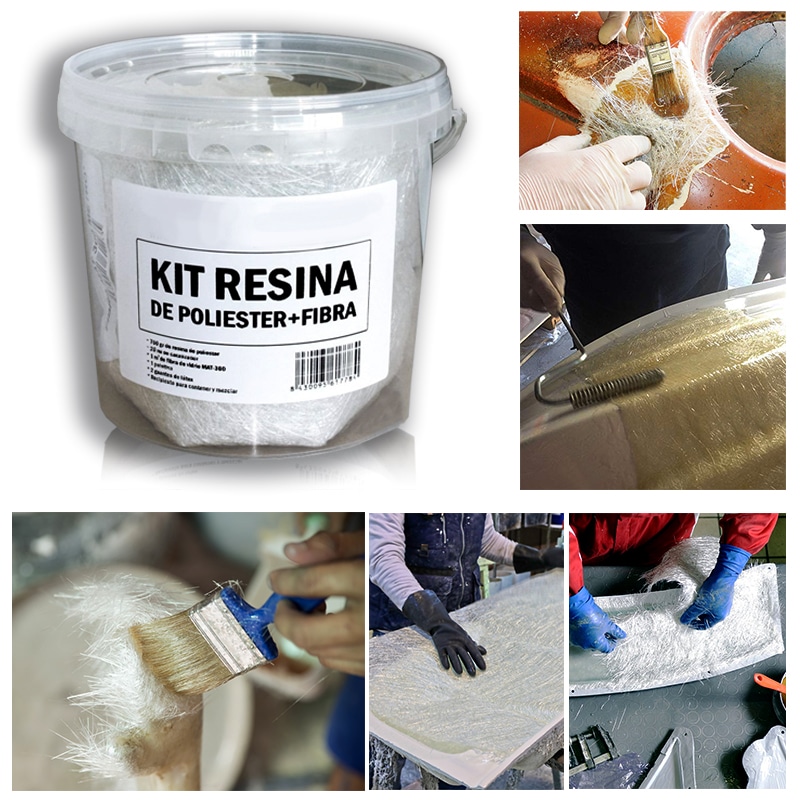
If you want to achieve lasting, waterproof repairs or create new boat components, making your own boat resin composite is a practical skill for repair enthusiasts and makers alike. This guide covers the key techniques and safety tips to help you produce a strong, reliable resin composite suitable for marine use, whether sealing, reinforcing, or restoring boat parts.
What You’ll Need
- Resin Fibreglass Repair Kit – Complete Polyester Resin and Hardener Set – A comprehensive kit for structural repairs and reinforcement.
- “Carbon Resin” – Epoxy Resin for Carbon Fiber & Fiberglass Coating – For impact-resistant, glossy resin composites.
- “EpoxyWood” – Wood Restoration Epoxy Resin for Deep Penetration and Waterproofing – Ideal for reinforcing and sealing wood surfaces.
- “EpoxyTable 5-Five” – Deep Pour Epoxy Resin for Tables and Large Projects – Up to 5cm – Suitable for creating durable, thick resin layers where needed.
- Protective gloves, mask, and eye protection
- Mixing containers and stir sticks
- Brushes or rollers
- Measuring scales
- Sanding tools and lint-free cloths
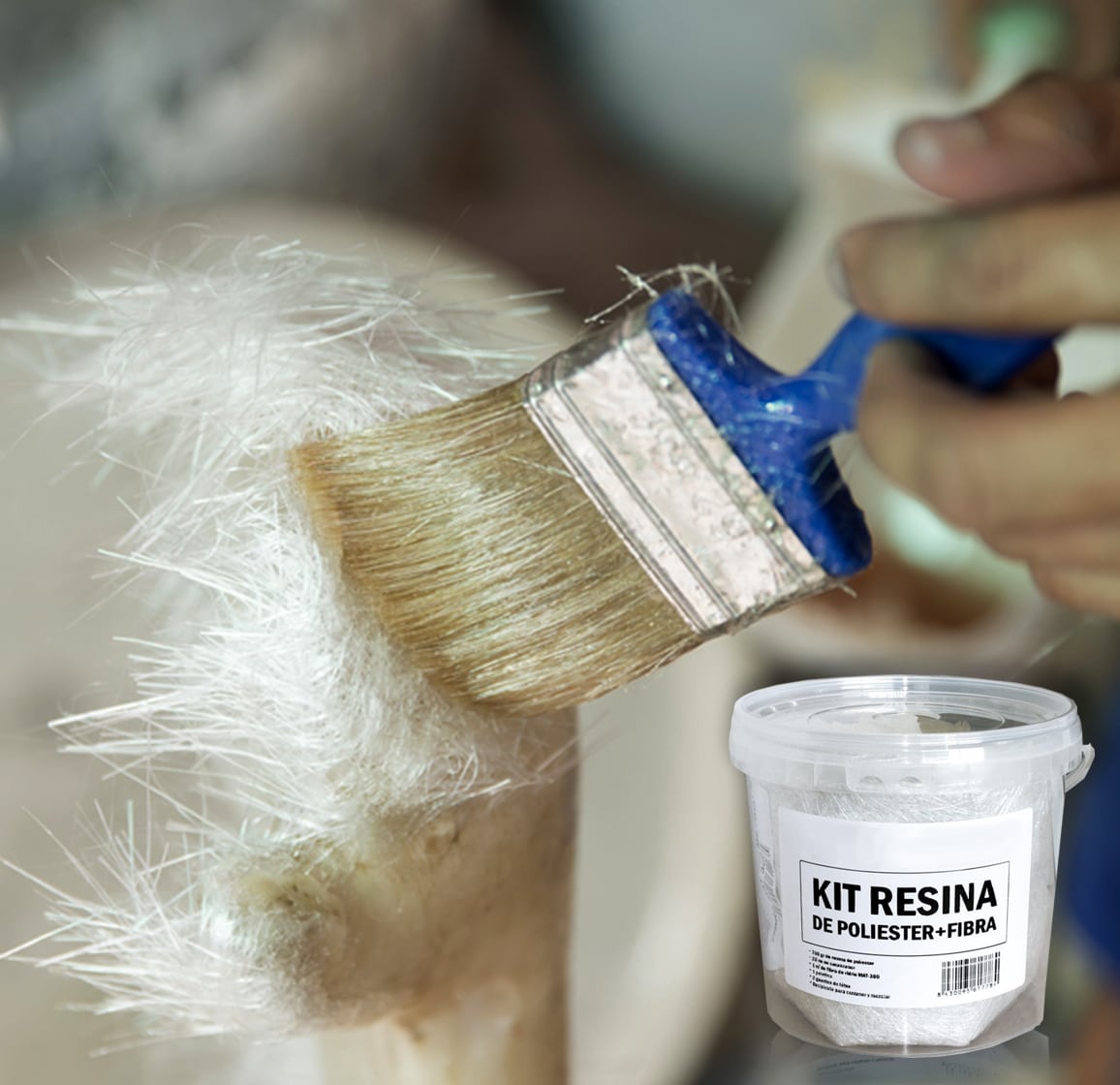
See Examples of Boat Resin Preparation and Application
Browse our step-by-step photo series to understand best practice for preparing, mixing, and applying resin to common boat repair scenarios. These images highlight resin saturation of fibreglass fabric, careful mixing, and correct PPE usage for safe and effective composite construction.
Step 1: Prepare the Surface
Thorough surface preparation is vital for strong adhesion and a long-lasting bond. Start by cleaning the area you intend to repair or reinforce – remove dust, oil, wax, and any loose material. For wooden substrates, sand the surface to open up the pores, then ensure it is clean and completely dry before proceeding. With metal or plastic parts, abrade the surface using sandpaper and wipe down with a lint-free cloth to achieve a rough finish for better grip.
Be sure to wear appropriate gloves, mask, and eye protection during all preparation steps to protect yourself from dust and irritants.
Step 2: Measure and Mix the Resin System
Use suitable PPE when handling resins and hardeners, as direct contact can cause irritation. Carefully read the instructions provided with your chosen resin system. Accurately weigh the resin and hardener according to the recommended ratio – incorrect mixing can result in a weak bond or resin that fails to cure. For example, a Resin Fibreglass Repair Kit typically requires a specific resin-to-hardener ratio for optimal results.
Pour the components into a clean mixing container and stir slowly, scraping the sides and bottom to achieve a uniform blend. Mix only as much as you can apply in the available working time – most resins have a limited pot life once mixed.
Step 3: Impregnate and Apply Fabric Reinforcement
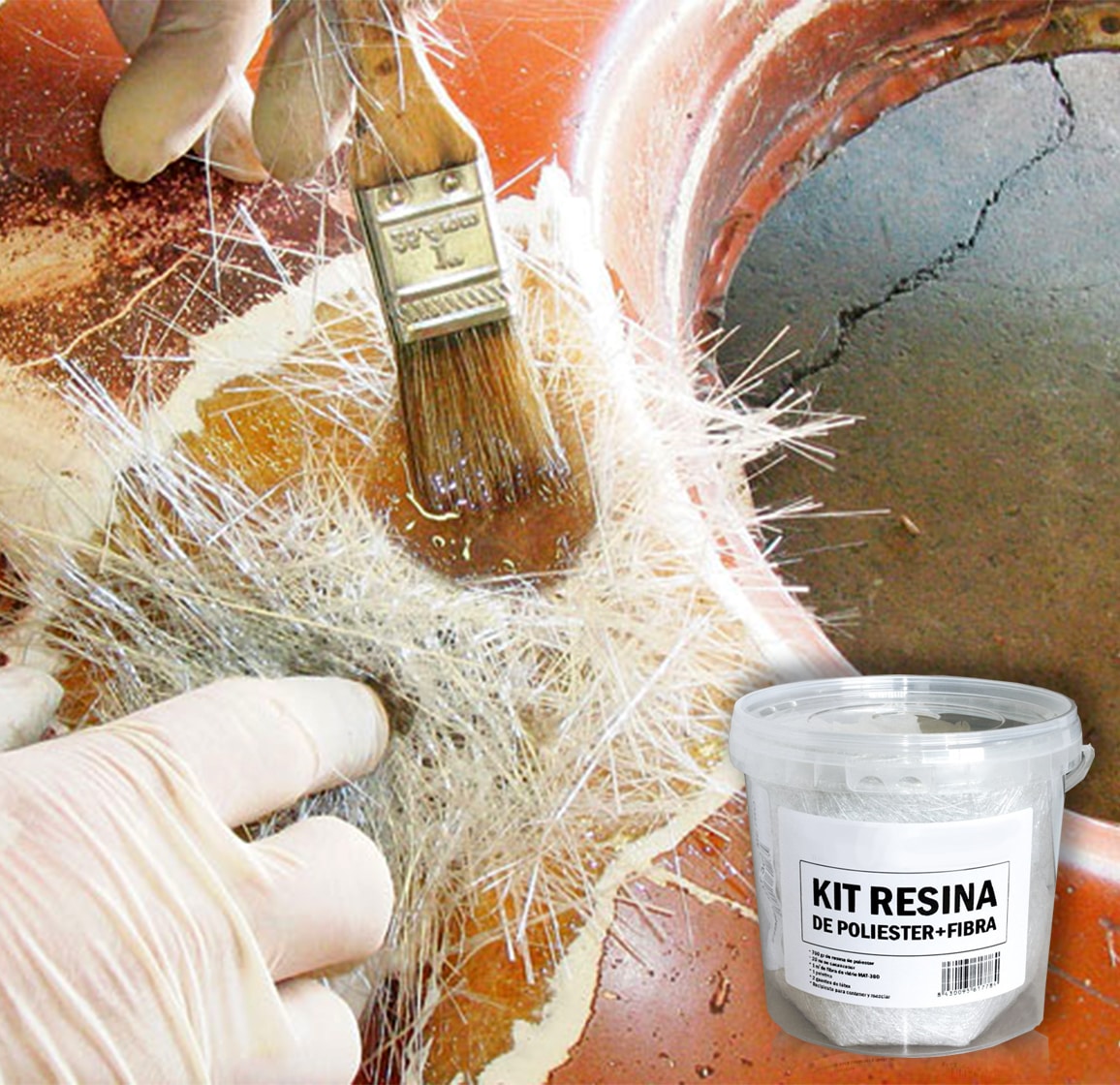
Cut your fibreglass or carbon fibre fabric to the desired shape, ensuring it overlaps repair areas by at least several centimetres for strength. Place the fabric on the prepared surface. Using a brush or roller, saturate the fabric evenly with your mixed resin, working outwards to eliminate air bubbles. Even, bubble-free fabric impregnation ensures composite strength and a smooth finish. If you are working with carbon or fibreglass, “Carbon Resin” is particularly suited for clear, glossy reinforcement of technical fabrics.
Take your time to ensure every fibre is fully wetted. Remove excess resin using a roller or brush for a professional look and to avoid drips.
Step 4: Cure and Finish the Composite
Allow the resin composite to cure at the temperature recommended by the manufacturer. Avoid moving or stressing the part until full hardness is achieved. For deeper pours or bulk applications, ensure the project is set on a level surface and undisturbed. Long curing periods may be necessary, especially when using products such as “EpoxyTable 5-Five” or “EpoxyWood” for thicker layers or wood penetration.
Once cured, you can sand, shape, or further coat the surface if desired. Always wear a dust mask and work in a ventilated area when sanding resin materials.
Tips and Common Mistakes With Boat Resin
Work in a well-ventilated area and at the recommended temperature to ensure even curing. Avoid over-mixing vigorously, as this can introduce air bubbles. Never guess resin ratios—accurate measurement is key. Practice applying a small test patch if you are working on visible or curved surfaces. If working on wooden substrates, ensure all moisture is eliminated before sealing to prevent future rot.
For best results, choose a resin system matched to your project: polyester kits for emergency repairs, epoxy reinforcements for impact resistance, and wood penetrating epoxies like “EpoxyWood” for hull or deck work.
Curing and Surface Finishing Inspiration
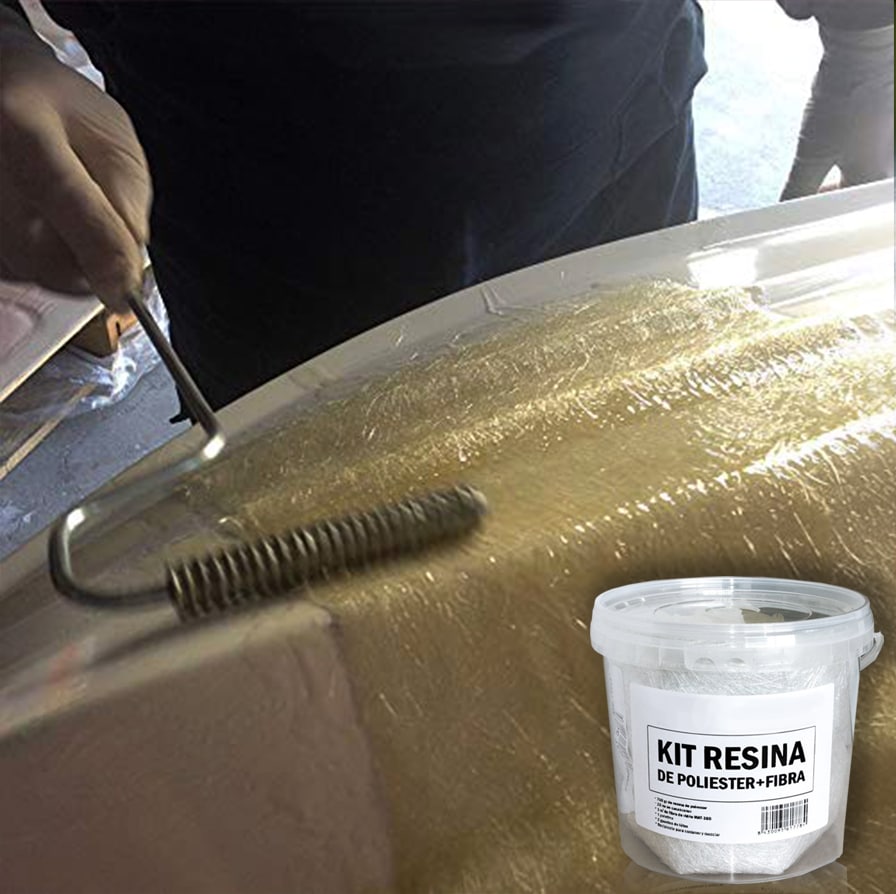
Explore demonstration photos of cured resin on wood and composite surfaces, revealing the glossy, resilient finish achievable with quality epoxy and polyester resins. Notice the seamless integration and water resistance crucial for marine applications.
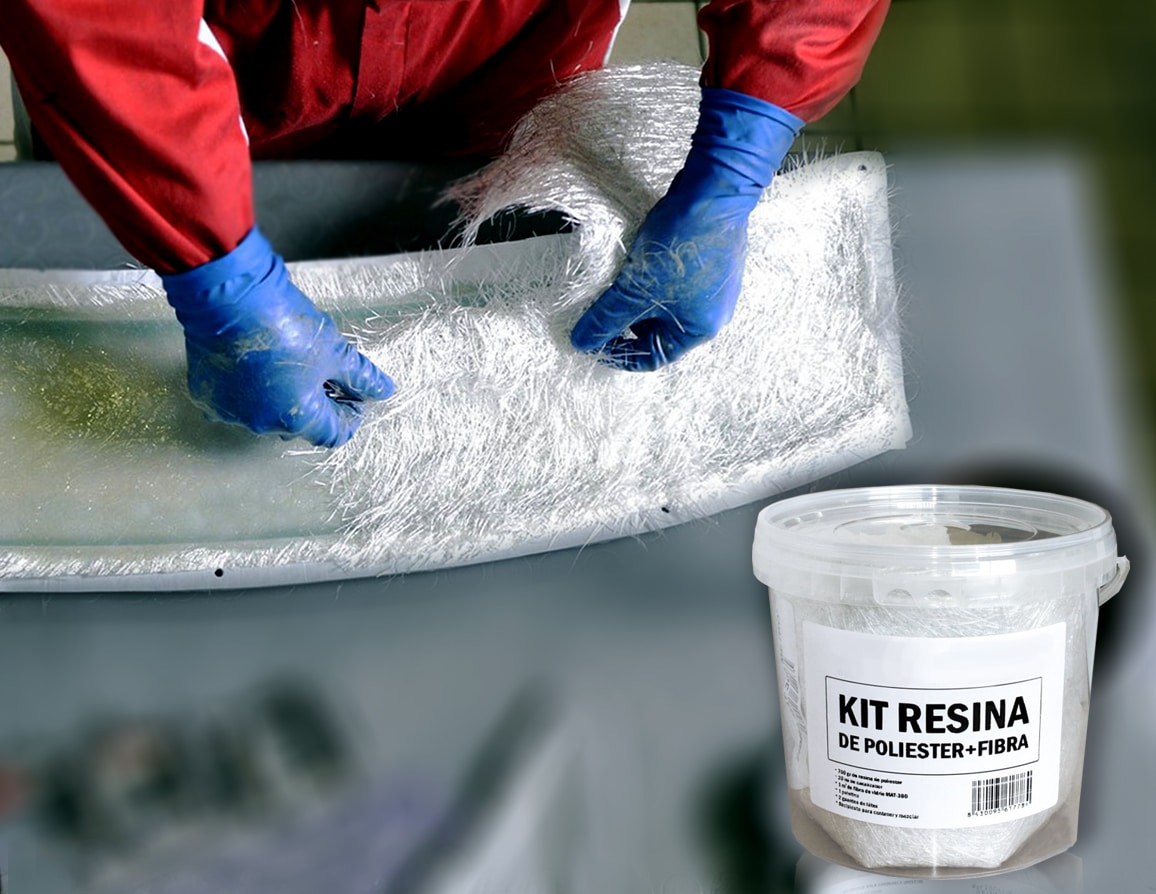
- Resin Fibreglass Repair Kit – Complete Polyester Resin and Hardener SetPrice range: £13.85 through £22.85The Resin Fibreglass Repair Kit offers a complete polyester resin solution for durable repairs, fitting the 'how to make boat resin' theme.
 "Carbon Resin" – Epoxy Resin for Carbon Fiber & Fiberglass CoatingPrice range: £18.85 through £35.85"Carbon Resin" is formulated for carbon fibre and fibreglass projects with smooth impregnation and a glossy finish.
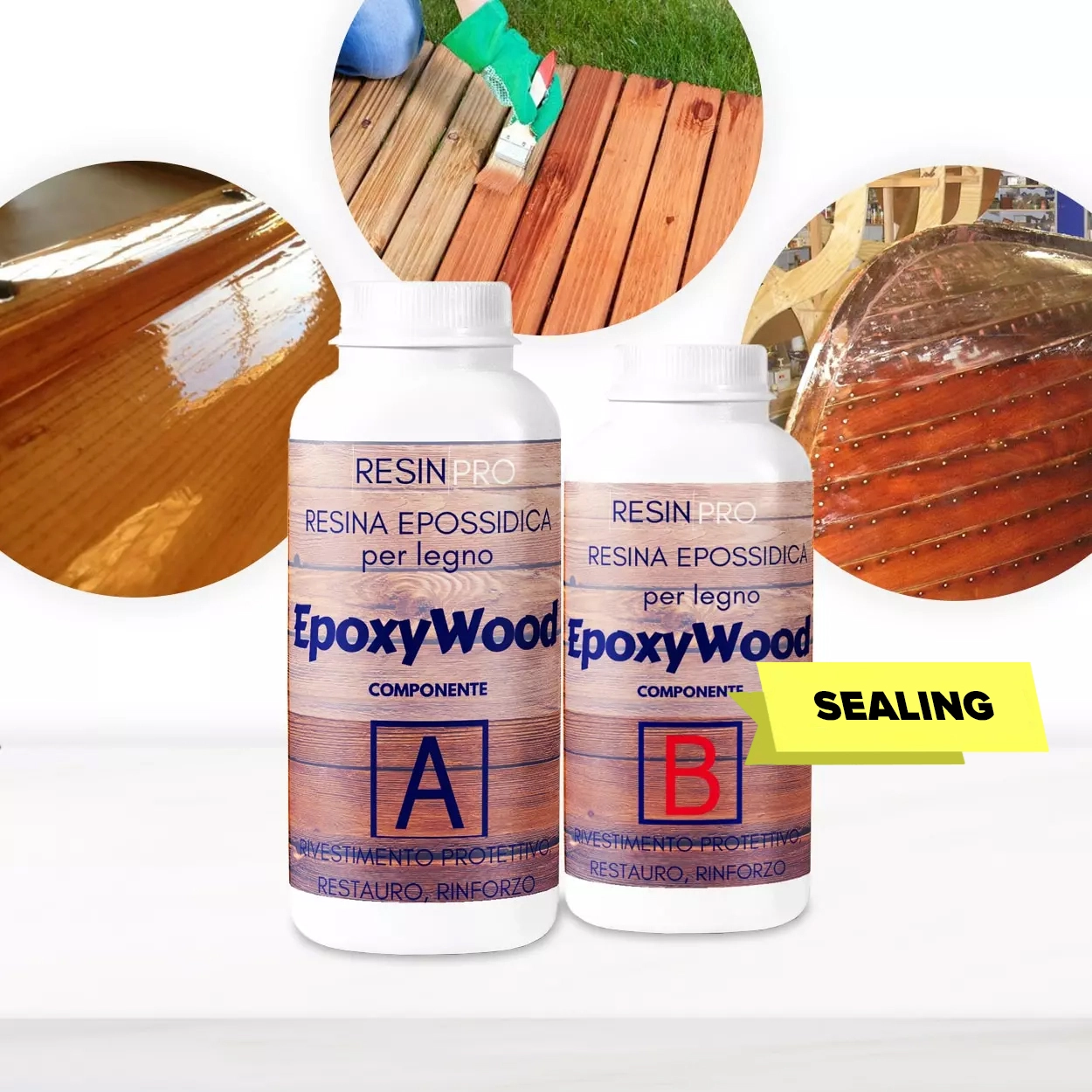 "EpoxyWood" – Wood Restoration Epoxy Resin for Deep Penetration and WaterproofingOriginal price was: £64.00.£39.85Current price is: £39.85."EpoxyWood" is designed to deeply penetrate and reinforce wood, providing waterproofing with a warm straw-yellow finish. Suitable for boat hulls and…
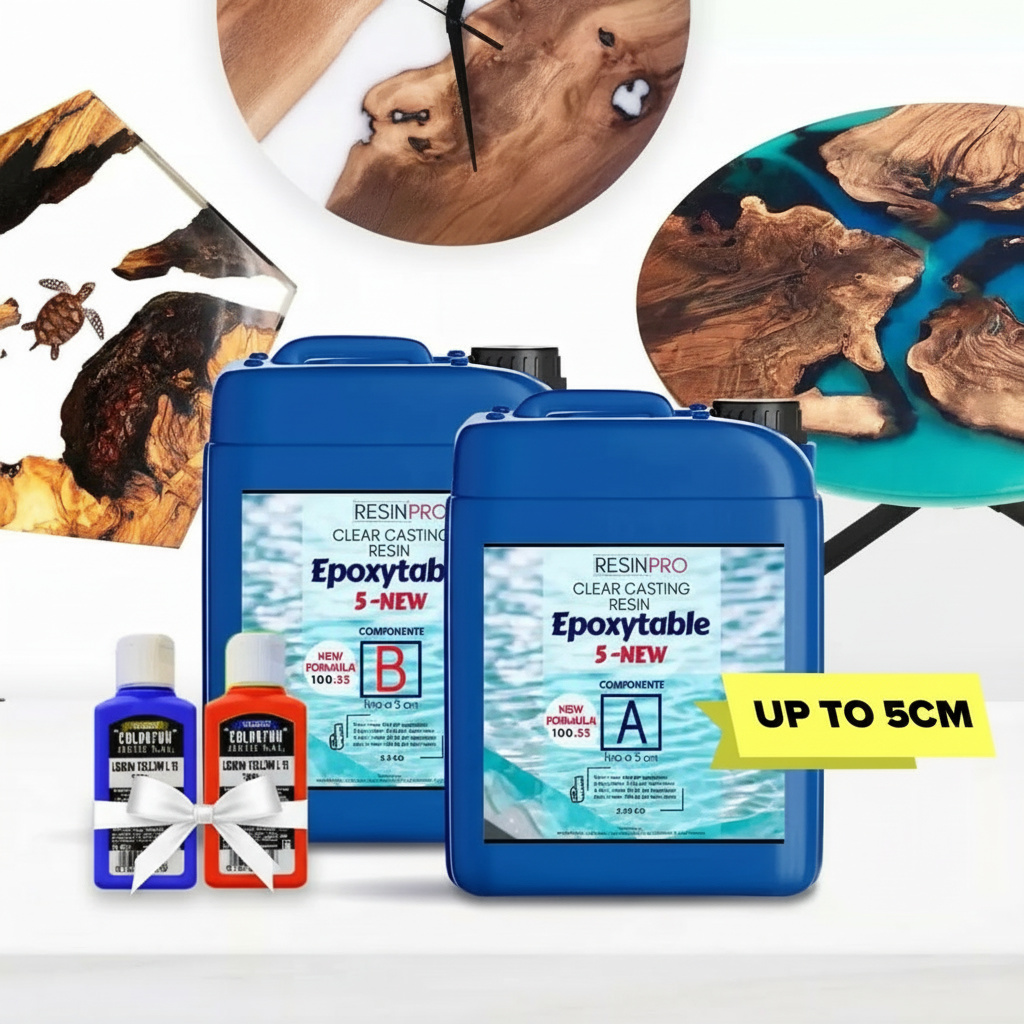 "EpoxyTable 5-Five" – Deep Pour Epoxy Resin for Tables and Large Projects – Up to 5cmPrice range: £16.85 through £1,099.85EpoxyTable 5-Five is suitable for deep pouring up to 5cm, ideal for tables and large projects with mechanical resistance and UV filters.
Frequently Asked Questions
What type of resin is best for boat repairs?
Polyester resin kits are optimal for quick, structural repairs, while epoxy resins offer higher strength and water resistance for long-term use.
How do I prepare wooden surfaces on a boat before applying resin?
Sand thoroughly and ensure the wood is dry and dust-free before applying resin for superior adhesion and longevity.
How long does boat resin take to cure?
Cure times vary by product but typically range from several hours for polyester to a full day or more for epoxies; always check the manufacturer’s instructions.
How can I avoid bubbles when applying resin to a boat?
Mix gently, use a brush or roller to evenly impregnate fabric, and avoid overworking the resin once it starts to set.
Is epoxy resin good for waterproofing wooden boat hulls?
Yes, specially-formulated epoxy wood resins like EpoxyWood penetrate and fully seal wood, providing lasting waterproofing.
Can I use a fibreglass repair kit to patch a boat hull?
Yes, fibreglass repair kits are ideal for patching and reinforcing boat hull cracks, especially when paired with proper surface prep.