 Free shipping on orders over £29,85
  Shipping Tracking!


 Google
 Facebook
← Back to What Does PHR Mean in Per Hundred Resin?

Getting your resin mix right is essential for quality results, and measuring PHR (Per Hundred Resin) accurately ensures your resin projects cure as expected and look their best.
Practical Methods for Measuring PHR
The most reliable way to measure PHR is to use a digital scale for weighing your base resin and additives. For smaller quantities or when weight is less critical, a graduated measuring cup can offer precise volume measurements—especially for liquids. Both approaches help you achieve exact ratios, whether you’re working with pigments, dyes or other resin additives.
Using a clear graduated measuring cup makes it easier to read volumes and pour accurately, aiding consistency in every batch.

Step-By-Step: Accurate Mixing
- Calculate the amount: Work out how much resin you need, then determine the required quantity of each additive based on the percentage per hundred resin.
- Weigh or measure: Use your scale or measuring cup to portion out resin and each component, following your calculated ratios.
- Mix thoroughly: Combine the ingredients, making sure there are no unmixed areas for a uniform cure and effect.
When Accuracy Matters Most
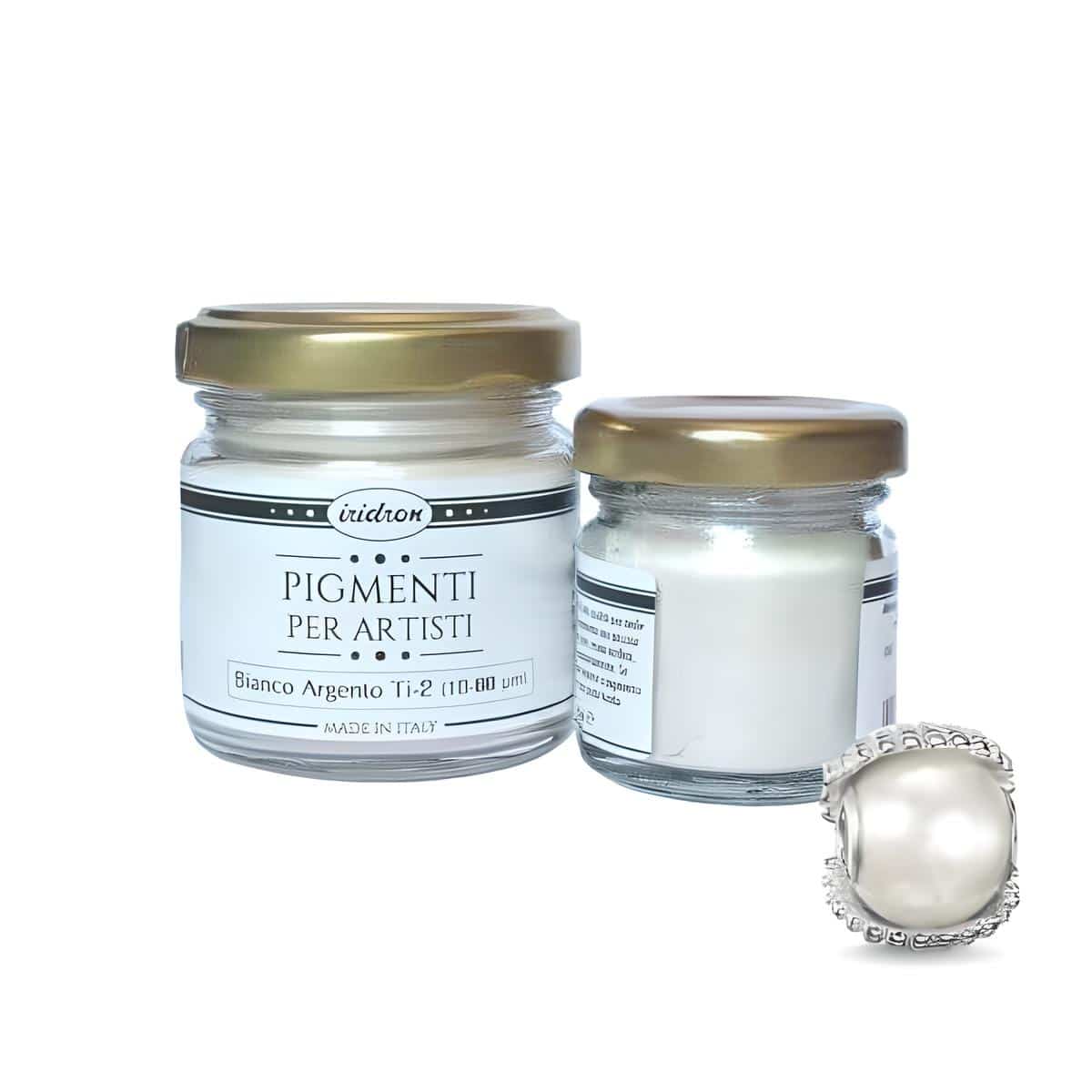
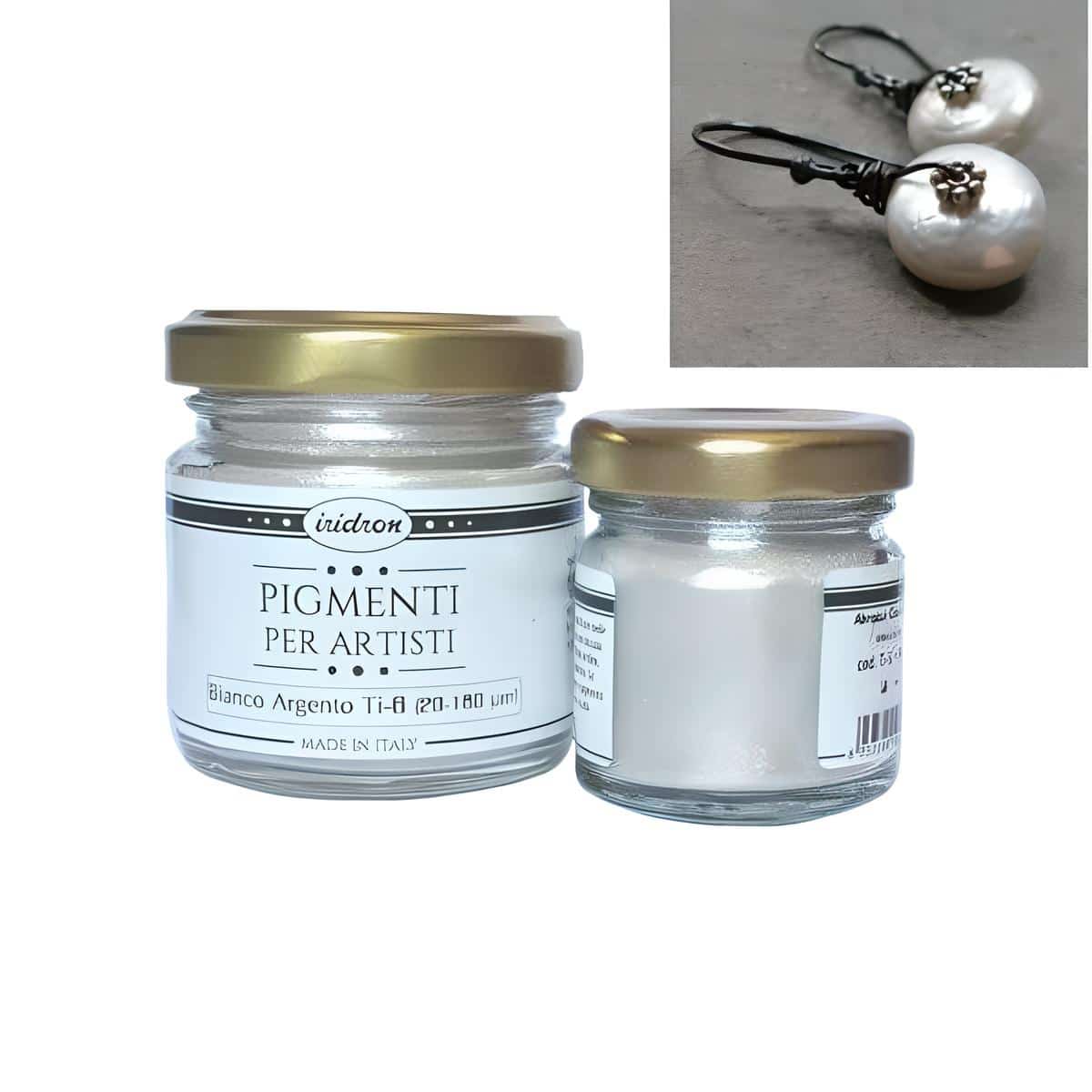
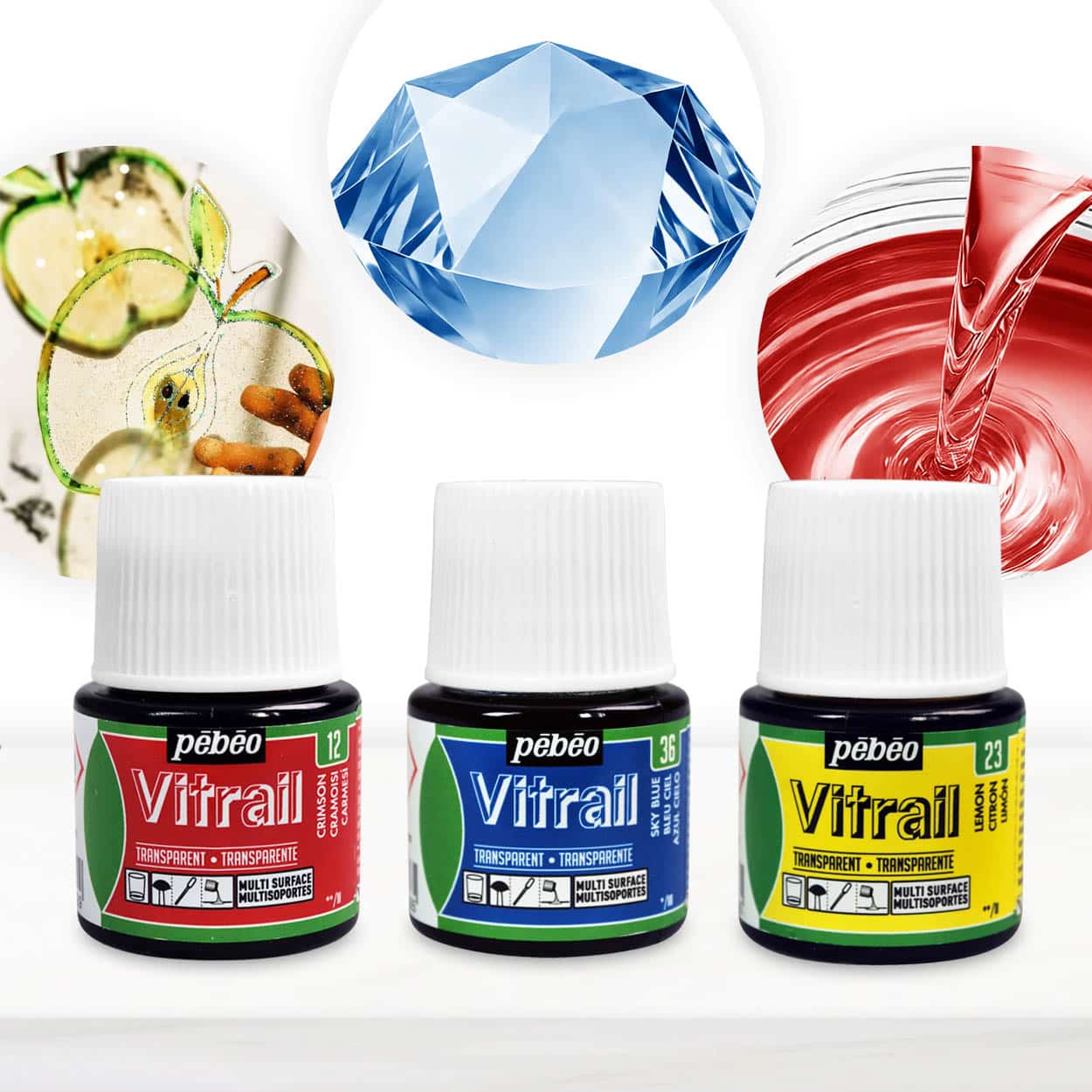
Precise PHR measurement is particularly crucial when working with specialised effects or professional finishes, such as with pearlescent pigments or transparent colourants. This is especially true for projects like jewellery, geodes, or any application where clarity, shade and finish quality are vital.
Related products
Related guides
Ensuring accuracy when measuring PHR not only helps to achieve consistent resin results, but also supports the use of creative additives and pigments with confidence. For more on mixing techniques and resin tips, see our main guide on what PHR means in resin.