 Free shipping on orders over £29,85
  Shipping Tracking!


 Google
 Facebook
How to polish ELLD resin?
Step-by-step guide to sanding, polishing, and buffing ELLD resin


Polishing ELLD resin transforms dull, sanded surfaces into smooth, high-gloss masterpieces. Whether crafting resin art, jewellery, or protective coatings, achieving a crystal-clear shine takes the right preparation and technique. This guide is tailored for makers, hobbyists, and professionals seeking a professional result on ELLD resin surfaces, covering every stage from sanding to the final polish.
What You’ll Need
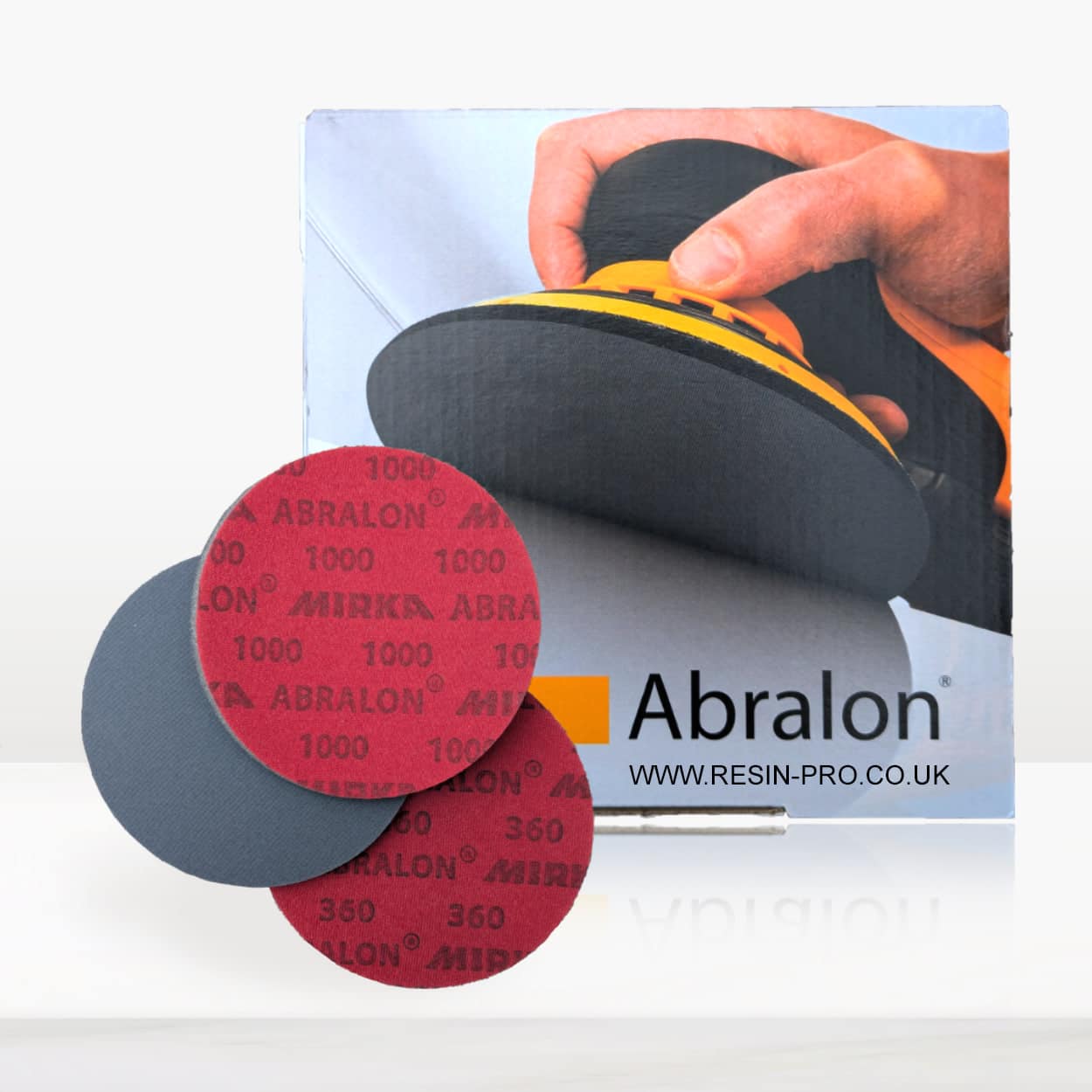
- “Ebonite Abralon” – Sanding Pads 360-4000 Grit for Resin and Wood – for precise sanding and surface preparation
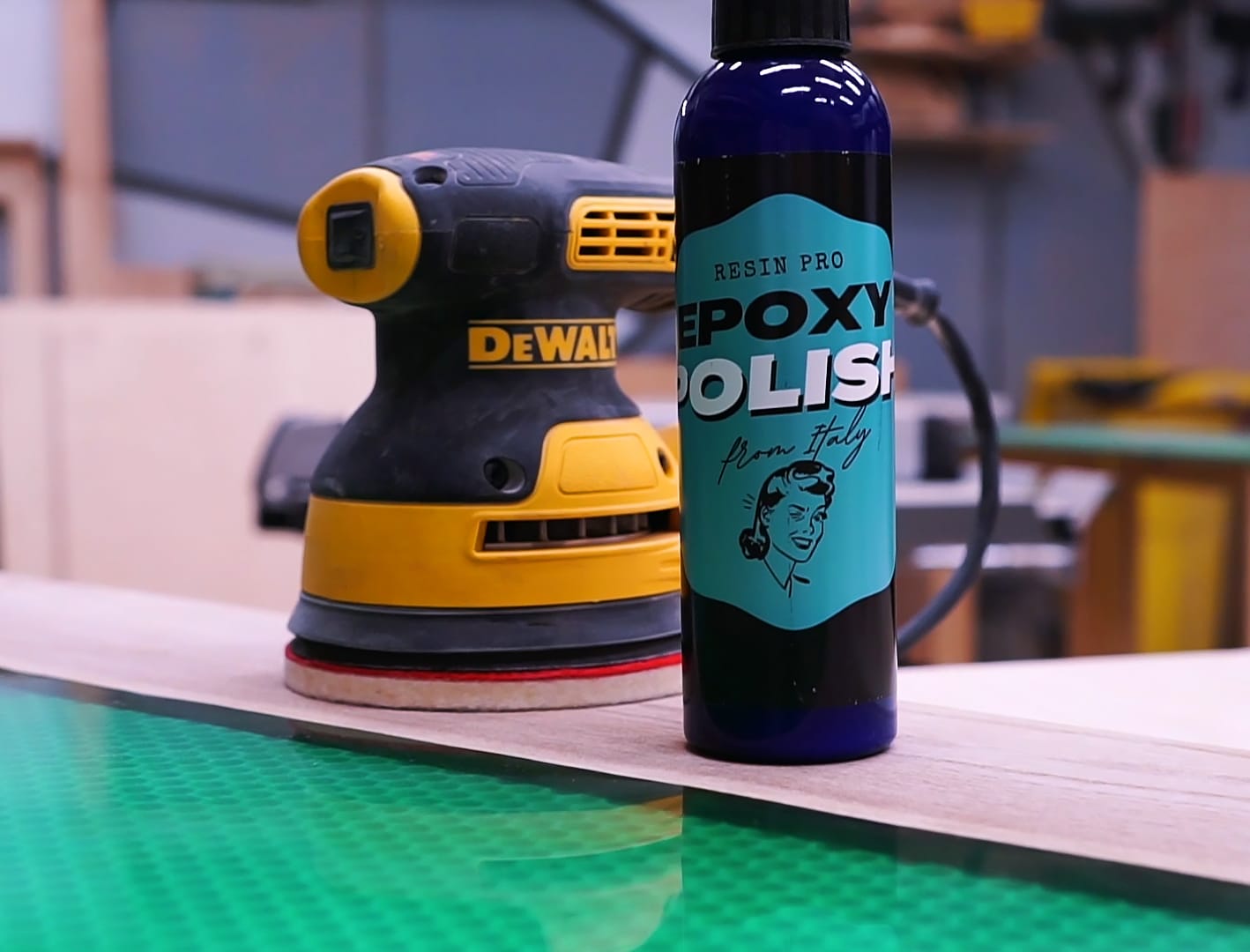
- “Epoxy Polish” – Epoxy Resin Polishing System – for restoring gloss and removing micro-scratches
- “Carbon Polish” – Polishing System for Dark and Black Surfaces, 250ml – ideal for dark or black resin finishes
- 1200W Polisher for Sanding and Buffing – Variable Speed, D-Handle – suitable polisher for efficient sanding and buffing
- Clean, soft microfibre cloths
- Protective gloves and mask
- Bowl of water (for wet sanding)

Essential Sanding and Polishing Accessories
High-quality sanding pads and polishes designed for resin work can make a dramatic difference to both ease of use and final results. Choosing products formulated for resin surfaces—like the ones listed above—ensures even abrasion and a premium glossy finish for your ELLD resin art.

Step 1: Prepare and Clean the Resin Surface
Begin by thoroughly cleaning your ELLD resin piece to remove dust, grease, or fingerprints. Use a dry microfibre cloth and a mild detergent solution if needed, ensuring no debris remains before sanding begins. Any contamination left on the surface may scratch or embed during the sanding process, making polishing less effective.
Allow the resin piece to air dry completely in a dust-free environment. Inspect for any surface imperfections such as bumps or air bubbles and, if necessary, carefully remove excess with a fine blade or scraper before proceeding to sanding.
Step 2: Sand the Resin for a Smooth Base
Start sanding with a coarse grit and progress to finer abrasives, gradually smoothing the resin. For best results, use “Ebonite Abralon” – Sanding Pads 360-4000 Grit for Resin and Wood. Begin with 360 or 500 grit pads (wet or dry based on your preference), sanding evenly across the entire surface using a circular motion.
Rinse the piece and the pad frequently while sanding, especially when wet sanding, to prevent build-up and minimise deep scratches. As you progress, work up through the grit numbers: 1000, 2000, and finish with a 4000 grit pad for an ultra-smooth foundation.
Use gentle, consistent motion and avoid pressing too hard, especially on flat or edge areas, to prevent uneven wear or grooves on the resin. Always inspect between each stage to ensure old scratches have been removed before moving to the next finer grit.
Step 3: Polish to Achieve a Glass-Like Finish
Once your ELLD resin surface feels silky smooth, it’s time to polish. Choose your polishing compound based on the resin’s colour: for most projects, apply “Epoxy Polish” – Epoxy Resin Polishing System; for dark or black surfaces, use “Carbon Polish” – Polishing System for Dark and Black Surfaces, 250ml.
Apply a small amount of the chosen polish to a clean polishing pad or microfibre cloth. If you have one, a 1200W Polisher for Sanding and Buffing – Variable Speed, D-Handle makes the process faster and yields an even gloss, but you can polish by hand for small or detailed items.
Work the polish into the resin in controlled sections using moderate pressure and a slow, overlapping motion. Buff for several minutes until the surface shows a clear, even shine. Reapply polish as necessary and finish by buffing with a clean microfibre cloth to remove any residue.
Rinse and dry thoroughly between sanding stages to ensure no leftover grit interferes with your final polish.
Step 4: Inspect and Protect Your Finished Surface
After polishing, carefully check the ELLD resin for any haze, swirl marks, or missed spots. High-gloss resin should appear transparent and smooth, without any visible scratches or cloudiness. If imperfections remain, repeat polishing with a fine compound on those sections.
When satisfied, gently wipe the entire surface with a fresh microfibre cloth. To maintain the gloss, avoid harsh chemicals, direct sunlight, or abrasion, and regularly dust the piece to keep it looking immaculate for longer.
Choose the right polish for your resin tone and specific project needs for best results and clarity.
Tips and Troubleshooting for Perfect ELLD Resin Polishing
- Avoid overheating the resin – Use low to medium speeds on polishing machines and avoid holding the pad in one spot for too long.
- Cloudy results are usually due to insufficient buffing or skipping grit stages; go back and repeat the necessary sanding or polishing steps.
- Use clean, dry pads and cloths to prevent contamination or swirling.
- Always wear appropriate PPE, including gloves and a mask, especially when sanding by machine or generating dust.
Before and After: ELLD Resin Finishing Gallery
See vivid examples of ELLD resin pieces before and after professional polishing—notice the transition from matte, sanded surfaces to mirror-like clarity. These transformations showcase the effectiveness of a proper step-by-step approach.

- "Epoxy Polish" – Epoxy Resin Polishing SystemPrice range: £17.85 through £44.85"Epoxy Polish" provides a detailed polishing system for resin surfaces, suitable for professionals and hobbyists seeking a glossy finish.
- "Ebonite Abralon" – Sanding Pads 360-4000 Grit for Resin and Wood£3.95"Ebonite Abralon" Sanding Pads suit polishing resin and wood surfaces, offering a range of grits and wet or dry use in line with the theme.
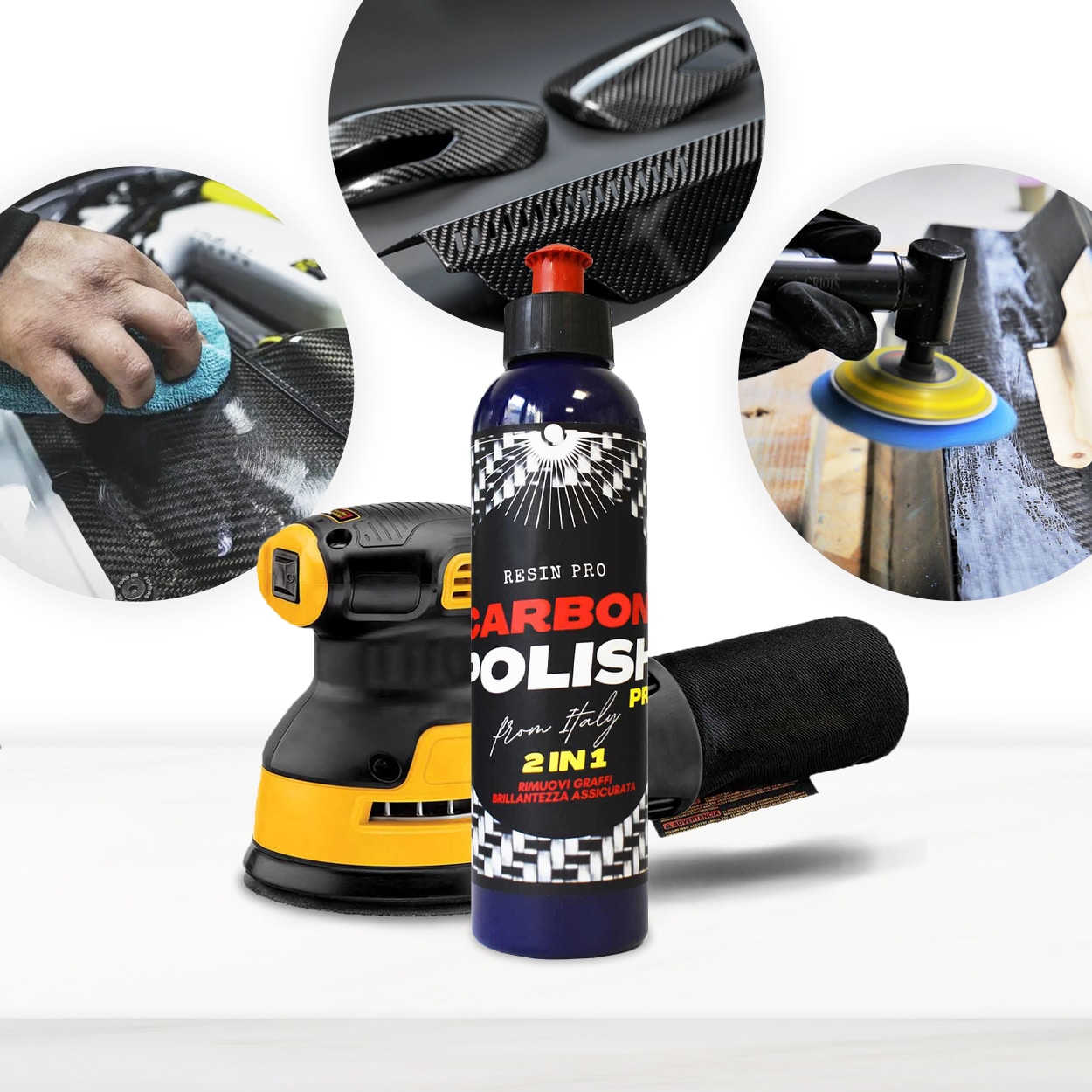 "Carbon Polish" – Polishing System for Dark and Black Surfaces, 250mlPrice range: £17.85 through £44.85"Carbon Polish" is designed for polishing dark and black surfaces including epoxy resin projects, offering a clear finish suited to the theme.
 1200W Polisher for Sanding and Buffing – Variable Speed, D-Handle£85.95A versatile polisher designed for sanding and buffing epoxy resin projects with variable speed and good grip.
Frequently Asked Questions
Do I need special polish for ELLD resin?
For the best result, use a polish formulated specifically for epoxy resin, as generic polishes may not deliver the same level of gloss or scratch removal.
What is the best way to sand ELLD resin before polishing?
Progress gradually from coarse to fine grit sanding pads, using gentle motion. Wet sanding is recommended to limit scratches and keep the dust down.
How do I avoid a cloudy finish after polishing?
Ensure thorough sanding up to a fine grit, use the correct polishing compound, and fully buff out all residue for a clear, glossy look.
Can I polish ELLD resin by hand?
Yes, small items can be polished by hand with a soft pad, but larger surfaces achieve better and faster results with a variable-speed polisher.
How long does it take to polish ELLD resin?
Depending on the piece size and level of sanding prep, polishing can take 20-60 minutes including all sanding and buffing stages.
Which polishing pads are best for ELLD resin?
Use purpose-made sanding pads with foam backing for smooth, gradual abrasion; avoid hard or rough pads that may scratch the surface.
Can I use household cleaners after polishing?
Avoid harsh or abrasive cleaners—use only mild detergents with a soft cloth to maintain your polished resin finish.